



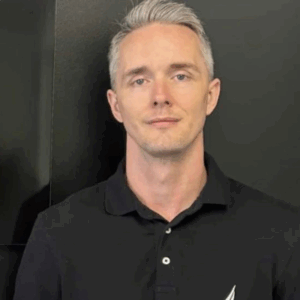
Dr. Vahid Osman is a Board-Certified Psychiatrist and Addictionologist with extensive experience treating mental illness, chemical dependency, and developmental disorders. Dr. Osman trained in Psychiatry in France and in Austin, Texas. Read more.

If you or someone you love is struggling with dependency on benzodiazepines, finding the right Xanax addiction treatment center is a critical first step. At our Xanax rehab in Lexington, we provide individualized care for people navigating the complex challenges of benzo addiction. Whether it began with a prescription or recreational use, Xanax dependence can take hold quickly, but recovery is possible with the right support.
Xanax (alprazolam) is a benzodiazepine. It’s usually prescribed to treat anxiety and panic disorders. It works by calming overactive nerves in the brain, often providing rapid relief to individuals in distress. Despite its therapeutic use, Xanax has a high potential for misuse and addiction. Xanax addiction can begin subtly—maybe by taking an extra pill to get through a tough day, or relying on it to sleep or relax. Over time, the body builds a tolerance, meaning you need more of the drug to feel the same effects. That’s when dependency can set in. What makes Xanax especially risky is that it creates both physical and psychological addiction. You may feel unable to function without it, and stopping suddenly can trigger withdrawal symptoms like extreme anxiety, insomnia, and even seizures. The danger increases when Xanax is combined with other substances, especially alcohol or opioids. This combination can slow breathing to a dangerous level and increase the risk of overdose.
Because Xanax is often prescribed, it’s easy to miss the early signs of a growing problem. Xanax addiction often shows up in a range of physical, behavioral, and emotional ways. Physical signs may include:Behavioral signs of Xanax addiction often include:Psychological signs can be more subtle but just as serious: You don’t have to wait for someone to “hit rock bottom.” If these signs persist consistently, it may be time to explore treatment options before the situation worsens.
Xanax addiction can affect anyone, but some people may be more vulnerable than others. Recognizing the risks can help you or a loved one take action early and find the right treatment for Xanax addiction. Those most at risk include:
The earlier you seek treatment for Xanax addiction, the better the chances for a full recovery. At Lexington Addiction Center, we’re here to guide you through the next step—no shame, no judgment, just support.
Yes, it’s entirely possible to develop a Xanax addiction even when taking the medication as prescribed. Xanax (alprazolam) is a benzodiazepine that acts quickly to relieve anxiety by enhancing the calming effects of the neurotransmitter GABA in the brain. While this can offer short-term relief for panic or anxiety disorders, it also sets the stage for dependence. Over time, the brain becomes used to Xanax and stops producing its own calming chemicals as efficiently. This leads to tolerance, meaning the same dose no longer provides the same relief. As a result, people may start taking more than prescribed, more frequently than recommended, or experience withdrawal symptoms when trying to stop. All of this can quickly spiral into a physical and psychological dependency. Some individuals are at greater risk, especially those who take higher doses, use Xanax over a long period, or do not have their usage closely monitored by a doctor. Other risk factors include having a history of substance use, trauma, or untreated mental health conditions. At our Lexington Xanax drug addiction rehab, we understand that addiction doesn’t always stem from misuse. That’s why our programs include safe tapering, medical oversight, and therapy to address both the physical dependence and any underlying emotional struggles. Getting help early can prevent addiction from taking deeper root and help you regain control safely.
Addiction and co-occurring disorders do not have to control your life. Contact our Lexington treatment team to discuss Xanax addiction treatment, detox coordination, insurance coverage, and next steps.
When considering the addictive potential of Xanax when taken as prescribed, it’s essential to understand the nature of benzodiazepines and the factors that contribute to addiction. Xanax, like other benzodiazepines, acts on the central nervous system by enhancing the effects of a neurotransmitter called gamma-aminobutyric acid (GABA). This results in a calming effect, which can be beneficial for managing symptoms of anxiety and panic disorders. However, the same mechanism that provides relief can also lead to tolerance, dependence, and addiction over time. Even when taken exactly as prescribed by a healthcare professional, Xanax can still lead to physical dependence. Therefore, the body becomes accustomed to the presence of the drug and may experience withdrawal symptoms if it is suddenly stopped or the dosage is reduced. While physical dependence is not the same as addiction, it is a significant risk factor for the development of addiction. Individuals may find themselves needing higher doses of Xanax to achieve the same therapeutic effects, leading to a cycle of increasing tolerance and dependence. Moreover, Xanax can produce feelings of euphoria and relaxation, especially when taken in higher doses or in ways other than prescribed. These pleasurable effects can contribute to the potential for misuse, abuse, and addiction, even among individuals who initially started taking Xanax for legitimate medical reasons. Healthcare providers must navigate the question, “Is Xanax addictive when taken as prescribed,” to ensure patients receive informed guidance on its potential for dependency. Thus, close monitoring, regular evaluation, and the implementation of alternative treatments or strategies when appropriate are essential for mitigating the risk of addiction and promoting the safe and effective use of Xanax.
###
Detoxing from benzodiazepines like Xanax isn’t something you should try to manage on your own. At a professional Xanax addiction treatment center, medically supervised detox is a needed first step in recovery. Because benzo withdrawal can be unpredictable—and even life-threatening in some cases—having medical oversight ensures safety and comfort. Common withdrawal symptoms may include:
Quitting Xanax all at once isn’t just tough—it can actually be dangerous. That’s why detox usually means slowly tapering the dose, giving your body time to adjust safely and comfortably. This approach helps minimize withdrawal symptoms and protects your physical and mental health as your body adjusts. At Lexington Addiction Center, we work closely with trusted detox providers to coordinate a safe, individualized plan for each client. Once detoxification is complete, we’ll help you transition directly into the next phase of care, ensuring you’re supported every step of the way.
There’s no one-size-fits-all approach to healing from benzo addiction. That’s why our Xanax rehab in Lexington offers multiple levels of care to meet you wherever you are in your recovery process.
Our drug alcohol detox program gives you something the internet’s home-remedy tips never can: structured medical supervision and withdrawal support through an appropriate detox provider. We tailor evidence-based medications like buprenorphine for opioids or carefully titrated benzodiazepines for severe alcohol withdrawal to your exact physiology, so you stay safe while your body resets. Read more
The partial hospitalization program (PHP) is our most structured outpatient option, offering full-day treatment four to five days a week. It’s a great fit for individuals transitioning out of detox or residential care who still require daily support to stay grounded and on track. You’ll have a packed schedule of therapy, groups, and wellness activities—all designed to help you stabilize and build momentum in early recovery. Read more
Our intensive outpatient program (IOP) offers strong clinical support without the full-time commitment. You’ll attend therapy several times a week—often in the mornings or evenings—so you can continue working, going to school, or taking care of family. It’s ideal for those who want structure and accountability but are ready for more independence. Read more
The outpatient program is our most flexible level of care, with sessions typically happening once or twice a week. It’s designed for those who’ve already made progress in their recovery but want continued guidance, check-ins, and a safe place to stay connected as life evolves. It’s ongoing support—on your terms. Read more
Virtual outpatient care means you get the same licensed clinicians, evidence-based therapies, and medication support you would in the clinic, but from the comfort of your own home. With a secure video link and a decent internet connection, you can attend group therapy, meet with your counselor, and refill prescriptions without a commute. For people living in Kentucky’s far-flung counties, telehealth closes the distance that so often stands between someone and treatment. Read more
Our program, built by veterans for veterans, delivers evidence-based care alongside the camaraderie and mission-focused mindset that define effective veterans’ rehab. In short, rehab for veterans in Lexington, KY, must be custom-engineered to heal both battlefield wounds and the habits soldiers use to numb them. Read more
Recovery from benzodiazepine addiction isn’t something that can be rushed. Because of how Xanax interacts with the brain, healing takes time, structure, and ongoing support. At Lexington Addiction Center, we offer several levels of care, and your timeline will depend on where you’re starting and what kind of support you need. Because benzo recovery can come with emotional ups and downs, consistent monitoring is key. We also focus heavily on aftercare planning, connecting you to sober housing, therapy, and support groups so you’re not left to navigate it all alone once formal treatment ends.
Effective Xanax addiction treatment goes beyond detox. At Lexington Addiction Center, we use a comprehensive, evidence-based approach that addresses the emotional, behavioral, and physical aspects of addiction. Our therapies are tailored to each individual and designed to support long-term recovery.
Holistic addiction treatment in Lexington, KY looks past just “fixing the symptoms.” It pairs proven counseling with activities that move your body, quiet your mind, and lift your spirit so you heal on every level, not just one. Stress Reduction: Mindfulness, yoga, and breathwork help lower cortisol levels, which are crucial for anyone whose cravings spike under pressure. Relapse Prevention: Exercise, creative outlets, and a balanced diet provide healthy dopamine boosts, making it easier to avoid old habits. Improved Mood & Cognition: Balanced diets and regular movement enhance sleep quality and sharpen focus, two predictors of recovery success in holistic drug rehabilitation studies. Physical Healing: Strength training, outdoor recreation, and medical nutrition therapy help repair organ systems that have been taxed by long-term substance use, thereby boosting overall resilience. Read more
Many individuals use benzos for trauma or anxiety. Trauma Therapy in Lexington, KY, is the foundation of every program we offer at Lexington Addiction Center, incorporating trauma-informed approaches into addiction treatment at every stage of care. We offer specialized care to address root causes, including:
Medication-assisted treatment (MAT) has become the go-to standard for people who need more than willpower to beat addiction, and our MAT Program in Lexington, KY, puts that gold-standard care right at your doorstep. By pairing FDA-approved medications with therapy and recovery coaching, MAT eases withdrawal, curbs cravings, and lowers the risk of overdose, giving clients the breathing room they need to rebuild their lives. Read more
Family therapy in Lexington, KY, gives every loved one a seat at the table when addiction threatens to pull households apart. Instead of shouldering recovery alone, individuals gain a built-in support system that understands the science of substance use, the power of communication, and the importance of accountability. Our therapists walk alongside your family, helping you air out old resentments, set healthier boundaries, and celebrate every small win—habits that keep recovery steady long after treatment wraps up. Read more
Long-term success requires more than just sobriety. We provide education and training in key areas like budgeting, job readiness, and healthy living. Clients are also encouraged to engage in peer support programs that reinforce accountability and connection. Together, these services make Lexington Addiction Center one of the most comprehensive benzodiazepine rehab centers in Kentucky. Our goal is not only to treat benzo addiction—but to equip clients with the tools to thrive well beyond treatment. Read more
At Lexington Addiction Center, our Dual Diagnosis Therapy Approach treats both mental health disorders and substance use issues together for lasting recovery. Using evidence-based therapies like CBT, DBT, and trauma-informed care, our team helps clients understand the connection between addiction and mental health. With personalized treatment plans, counseling, and holistic support, we focus on healing the whole person—mind, body, and spirit—to promote long-term wellness and recovery. Read more
Finishing rehab is just the beginning. Long-term recovery from Xanax addiction requires continued support, structure, and accountability. That’s why Lexington Addiction Center offers comprehensive aftercare services. Our Lexington Xanax drug addiction rehab provides customized aftercare planning before discharge. This includes referrals for continued individual or group therapy, connections to peer support meetings, and ongoing mental health services when needed. We also offer alumni programs that help clients stay connected with our team and others in recovery. Regular check-ins, group events, and relapse prevention coaching are just some of the ways we support you long after treatment ends. For those seeking extra stability, we connect clients to community resources like sober living homes and vocational assistance. Whether you completed a Xanax rehab in Lexington through PHP, IOP, or OP, our goal is to make sure you never feel alone in your recovery. Lifelong recovery is built on strong support, and we’re here to provide it.
The good news: most insurance plans do cover substance use treatment, including programs for Xanax addiction. Because of the Affordable Care Act (ACA) and mental health parity laws, coverage for addiction is considered essential, just like medical care. This includes:
As a trusted Xanax addiction treatment center, we offer free insurance verification to simplify this process. Just give us a call, and our team will walk you through what your benefits cover, our options, and what—if anything—you might need to pay out of pocket. Don’t let financial questions delay your recovery. We’re here to help you understand your options clearly and without pressure.
We coordinate with reputable, licensed detox facilities in the Lexington area for safe Xanax withdrawal management.
Local agencies offer counseling, medication management, and support for co-occurring mental health conditions.
If you need help finding any of these services, we’re happy to assist as part of your personalized care plan.
The facility offers a calm and supportive atmosphere that promotes healing and comfort, with easy parking and discreet entrances providing added convenience and privacy. The setting is intentionally designed to feel warm, safe, and stigma-free, allowing clients to focus fully on their recovery journey.
The center integrates holistic approaches such as yoga, meditation, and deep breathing into treatment. Trauma-informed therapies like brain spotting and EMDR-style techniques address underlying causes of addiction. Life skills education and 12-Step principles are incorporated to promote long-term stability.
At Lexington Addiction Center, our team includes master-level clinicians and a registered dietician, offering coordinated clinical care, individual therapy, and access to medical and psychiatric support as appropriate to support comprehensive recovery.
Our compassion‑driven family therapy sessions foster healing, empowering loved ones with supportive, holistic evidence‑based counseling to rebuild trust, strengthen lasting bonds, and navigate recovery together in a truly nurturing, understanding environment.
Clients engage in two individual therapy sessions per week, fostering consistent emotional support and guidance. Structured approach promotes sustained progress, accountability, and resilience, empowering individuals to navigate recovery with therapeutic care.
We prioritize individualized attention by limiting each session to just twelve clients. This intimate setting fosters tailored support, meaningful connections, and superior clinical care, empowering participants on their journey to recovery.
Lexington Addiction Center offers a full continuum of care, beginning with detox coordination and continuing through structured outpatient levels of care. This flexible structure allows individuals to move between levels of care as their recovery needs change, providing continuous support from detox through long-term outpatient treatment.
Lexington Addiction Center provides comprehensive dual diagnosis treatment, addressing co-occurring mental health disorders such as anxiety, depression, PTSD, and OCD alongside substance use issues. This integrated approach focuses on healing both mental health and addiction challenges simultaneously, ensuring that clients receive well-rounded, effective care.
Starting Xanax addiction treatment does not have to be overwhelming. Our admissions team can help you understand your needs, verify insurance, and coordinate the appropriate next step.
You’ll connect with a compassionate admissions coordinator who understands what you’re going through.
We’ll ask about your Xanax use, medical history, withdrawal concerns, and mental health needs to help build the right plan.
We’ll verify your benefits and explain what your plan may cover.
Once the appropriate level of care is determined, our team can help coordinate your start date and next steps.
If you’re struggling with Xanax addiction, you’re not alone, and more importantly, you’re not out of options. Many people who once felt stuck have found a new way forward with compassionate, individualized treatment for Xanax addiction.
Maybe this isn’t your first attempt at recovery. A return to use does not mean recovery is impossible. It may mean your treatment plan needs more support, a different level of care, or stronger strategies for managing anxiety, stress, and triggers.
Recovery is about more than stopping Xanax. It is about learning how to feel stable again, manage anxiety in healthier ways, rebuild confidence, and create a life that does not revolve around a pill bottle.
Reach out today to learn how Lexington Addiction Center can help you take the next step with compassionate, confidential support.
Possibly. Medication decisions should be made with a qualified medical or psychiatric provider who understands your history of Xanax dependence. Treatment can also help you explore non-benzodiazepine medications and evidence-based therapies for anxiety when appropriate.
Xanax should not be stopped abruptly after regular or prolonged use without medical guidance. Benzodiazepine withdrawal can cause serious complications, including seizures. A medical professional can determine whether a gradual, supervised taper or another withdrawal-management approach is appropriate.
Many people can continue working while participating in outpatient treatment. IOP, OP, and virtual services may provide greater scheduling flexibility, while PHP generally requires a larger daytime commitment.
A return to use does not automatically end treatment. Your clinical team can reassess triggers, withdrawal risk, medication needs, mental health symptoms, and your current level of care, then adjust the treatment plan as needed.
Xanax addiction can escalate as tolerance and dependence develop, and suddenly stopping regular Xanax use can cause serious withdrawal symptoms. Lexington Addiction Center can help coordinate medically appropriate detox when needed and transition clients into structured outpatient addiction treatment in Lexington, Kentucky.
After withdrawal stabilization, treatment can continue through PHP, IOP, outpatient, or virtual services based on your needs. Therapy can address anxiety management, trauma, relapse prevention, coping skills, and co-occurring mental health concerns that may contribute to ongoing benzodiazepine use.







Food and Drug Administration. (2021). XANAX (alprazolam) tablets, C-IV: Prescribing information. https://www.accessdata.fda.gov/drugsatfda_docs/label/2021/018276s055lbl.pdf
American Society of Addiction Medicine, American Psychiatric Association, American Geriatrics Society, et al. (2025). Joint clinical practice guideline on benzodiazepine tapering: Considerations when risks outweigh benefits. Journal of General Internal Medicine, 40(12), 2814–2859. https://doi.org/10.1007/s11606-025-09499-2
Centers for Disease Control and Prevention. (2024, December). Drug overdose deaths in the United States, 2003–2023 (NCHS Data Brief No. 522). https://www.cdc.gov/nchs/products/databriefs/db522.htm
Food and Drug Administration. (2016, August 31). FDA warns about serious risks and death when combining opioid pain or cough medicines with benzodiazepines (Drug Safety Communication). https://www.fda.gov/media/99761/download
Food and Drug Administration. (2017, September 20). FDA urges caution about withholding opioid addiction medications from patients taking benzodiazepines or CNS depressants (Drug Safety Communication). https://www.fda.gov/drugs/drug-safety-and-availability/fda-drug-safety-communication-fda-urges-caution-about-withholding-opioid-addiction-medications
National Institute on Drug Abuse. (2022). Benzodiazepines and opioids. https://nida.nih.gov/research-topics/opioids/benzodiazepines-opioids
National Library of Medicine. (n.d.). Alprazolam. MedlinePlus. (Most recently updated page; check update date on page.) https://medlineplus.gov/druginfo/meds/a684001.html
Brunner, A. M., et al. (2025). Joint clinical practice guideline on benzodiazepine tapering: Considerations when risks outweigh benefits (Patient guide). American Society of Addiction Medicine. https://downloads.asam.org/sitefinity-production-blobs/docs/default-source/guidelines/benzodiazepine-tapering-2025/designed_tapering-benzodiazepine-medications-v3-final.pdf
Zeraatkar, D., Kumbargere Nagraj, S., Ling, M., et al. (2025). Comparative effectiveness of interventions to facilitate deprescription of benzodiazepines and other sedative hypnotics: Systematic review and meta-analysis. BMJ, 389, e081336. https://www.bmj.com/content/389/bmj-2024-081336
National Center for Injury Prevention and Control, CDC. (2025, August 7). SUDORS dashboard: Fatal drug overdose data. https://www.cdc.gov/overdose-prevention/data-research/facts-stats/sudors-dashboard-fatal-overdose-data.html
National Library of Medicine. (2023). XANAX (alprazolam) — DailyMed drug label. https://dailymed.nlm.nih.gov/dailymed/drugInfo.cfm?setid=388e249d-b9b6-44c3-9f8f-880eced0239f

Addiction and co-occurring disorders don’t have to control your life. Lexington Addiction Center is waiting with open arms to give you the tools necessary for lasting change. Reach out to us today to learn more.