Meth addiction treatment in Lexington, KY begins by recognizing how quickly this potent stimulant can hijack your brain’s reward system and unravel daily life. At Lexington Addiction Center, evidence-based therapy meets real-world compassion, so you never fight alone. Our outpatient ladder—PHP, IOP, and OP—delivers intensive care while you still sleep in your own bed and keep work or family commitments. From day one, you’ll partner with master-level therapists, trauma-informed counselors, and a medical team that guides detox, rebuilds health, and teaches relapse-proof coping skills.
What Makes Meth So Addictive, and How Does It Harm the Brain and Body?
Meth Addiction Treatment at Lexington Addiction Center
Meth drops a dopamine bomb on your brain—the same feel-good messenger behind motivation and rewards. One hit of crystal meth can dump about ten times more dopamine than everyday joys like great food or a warm hug, teaching your brain to chase that scorching rush above everything else.
Over time, dopamine receptors burn out, making everyday joy feel flat and pushing users to seek bigger doses—classic meth addiction treatment territory.
Physically, the stimulant increases heart rate, blood pressure, and breathing, straining the cardiovascular system.
Long-term use erodes dental enamel (“meth mouth”), triggers skin picking from formication sensations, and shrinks gray matter, leading to memory loss and mood swings.
Left unchecked, these changes deepen dependence and complicate meth abuse treatment, making early intervention critical.
Contact Lexington Addiction Center Today
Addiction and co-occurring disorders don’t have to control your life. Lexington Addiction Center is waiting with open arms to give you the tools necessary for lasting change. Reach out to us today to learn more.
What Are the Signs and Symptoms of Meth Addiction?
Meth addiction affects nearly every part of a person’s body and mind—and the signs often become more obvious as the addiction progresses.
Recognizing these symptoms early can help you or a loved one seek help before the damage becomes irreversible.
Physical warning signs of Meth Addiction
Rapid, unhealthy weight loss
Severe dental decay or missing teeth
Skin sores from repeated scratching or picking
Dilated pupils, twitching, or muscle jerks
Chronic insomnia and visible exhaustion
Behavioral and emotional red flags of Meth Addiction
Sudden mood swings, aggression, or paranoia
Hallucinations or delusional thinking
Obsessive cleaning, disassembling objects, or repetitive speech
Isolation from friends and family, lying about use
Neglect of work, school, or childcare responsibilities
As the addiction deepens, individuals may become unable to function without the drug—leading to job loss, legal problems, or dangerous risk-taking behaviors.
Many people struggling with meth lose their sense of self, becoming trapped in a cycle of chasing the next high while feeling increasingly hopeless.
If these signs sound familiar, it’s time to explore your options for recovery. A professional meth addiction rehab program provides the structure, support, and medical care needed to safely begin healing.
Whether you’re looking for a meth addiction rehab near me or a trusted meth rehabilitation center in Kentucky, reaching out could be the first step toward reclaiming your life.
What Happens During the First 24 Hours of Meth Addiction Rehab?
Your first day in meth addiction rehab focuses on safety and stabilization. After a warm welcome, you’ll complete a medical and psychological evaluation: vitals, substance-use history, mental-health screening, and lab work.
A nurse starts hydration and nutritional support to ease withdrawal stress. Because overstimulation can worsen anxiety, care can emphasize a low-stimulation, supportive environment that reduces unnecessary stress while symptoms are assessed and stabilized. If symptoms like agitation or insomnia intensify, the treatment team can coordinate medical evaluation and appropriate symptom-management support while monitoring overall safety.
You’ll meet with your primary therapist to set initial recovery goals and develop a personalized plan that may include cognitive behavioral therapy (CBT), trauma therapy, and holistic support.
By the end of Day 1, most clients report feeling physically calmer and mentally supported—an essential first step toward long-term freedom.
Which Therapies Make Meth Addiction Treatment Effective?
Lasting recovery hinges on more than willpower. It requires therapies that rewire thought patterns and soothe the nervous system:
Psychotherapy
Psychotherapy is a cornerstone of our program.
Clients engage in individual and group sessions, using approaches such as Cognitive Behavioral Therapy (CBT), Dialectical Behavior Therapy (DBT), and motivational interviewing to challenge any negative thought patterns and develop healthier coping mechanisms.
Trauma Therapy
We also recognize that trauma plays a major role in addiction. Our trauma therapy options include Eye Movement Desensitization and Reprocessing (EMDR) and brainspotting—both powerful tools for processing unresolved emotional pain.
Holistic Treatment
To support long-term healing, we integrate holistic therapies like yoga, guided meditation, nutritional counseling, and physical fitness into our treatment plans. These practices promote emotional balance, reduce stress, and help rebuild physical health often damaged by meth use.
Medication management
Additionally, we provide medication management for clients with co-occurring conditions like anxiety, depression, or ADHD—ensuring that these underlying issues are treated alongside addiction.
As one of the trusted meth treatment centers in Lexington, our goal is to create a safe, supportive space for lasting recovery—one step, one session, one day at a time.
What Types of Rehab Programs Are Offered for Meth Addiction?
At Lexington Addiction Center, we offer multiple levels of care to meet clients where they’re at in their recovery journey. Our meth addiction treatment programs are designed with flexibility in mind, providing structure and support without requiring residential stays.
Whether you’re just beginning recovery or continuing long-term care, we have options that will fit your needs.
Drug and Alcohol Detox
When detox is clinically appropriate, Lexington Addiction Center can help coordinate structured medical detox support so withdrawal risks, hydration, sleep, mood, and other concerns can be assessed safely.
The partial hospitalization program (PHP) is our most structured outpatient option, offering full-day treatment four to five days a week. It’s a great fit for individuals transitioning out of detox or residential care who still require daily support to stay grounded and on track. You’ll have a packed schedule of therapy, groups, and wellness activities—all designed to help you stabilize and build momentum in early recovery.
Our intensive outpatient program (IOP) offers strong clinical support without the full-time commitment. You’ll attend therapy several times a week—often in the mornings or evenings—so you can continue working, going to school, or taking care of family. It’s ideal for those who want structure and accountability but are ready for more independence.
The outpatient program is our most flexible level of care, with sessions typically happening once or twice a week. It’s designed for those who’ve already made progress in their recovery but want continued guidance, check-ins, and a safe place to stay connected as life evolves. It’s ongoing support—on your terms.
Virtual outpatient care means you get the same licensed clinicians, evidence-based therapies, and medication support you would in the clinic, but from the comfort of your own home. With a secure video link and a decent internet connection, you can attend group therapy, meet with your counselor, and refill prescriptions without a commute.
For people living in Kentucky’s far-flung counties, telehealth closes the distance that so often stands between someone and treatment.
Our program, built by veterans for veterans, delivers evidence-based care alongside the camaraderie and mission-focused mindset that define effective veterans’ rehab. In short, rehab for veterans in Lexington, KY, must be custom-engineered to heal both battlefield wounds and the habits soldiers use to numb them.
Will Insurance Cover My Stay at a Meth Addiction Treatment Center in Kentucky?
Most health plans—including Anthem Blue Cross Blue Shield, Aetna, Cigna, Humana, UnitedHealthcare, and Kentucky Medicaid—provide at least partial coverage for meth addiction treatment.
When you call, our admissions team will verify your insurance in minutes, explain any deductibles or copays, and review in-network vs. out-of-network options.
If coverage falls short, we offer interest-free payment plans, sliding-scale rates, and healthcare credit financing, so cost never gets in the way of care. Have your policy ID handy and start the process on our insurance verification page.
Meth’s toll isn’t only psychological—it can ravage teeth, skin, sleep cycles, and basic nutrition. A full meth addiction treatment plan therefore includes a parallel track focused on physical repair:
Within your first week, clinicians order lab panels that check hormone levels, liver and kidney function, electrolytes, and vitamin deficiencies. Results guide individualized supplement plans (such as vitamin D, B-complex, and magnesium) and referrals to specialists for concerns like “meth mouth” or skin infections.
Years of appetite suppression often leave people under-nourished and dehydrated. Licensed dietitians design meal plans rich in lean proteins, complex carbs, and antioxidant-packed fruits and vegetables to stabilize blood sugar and rebuild muscle.
For anyone struggling to keep food down, smoothies and high-calorie shakes bridge the gap until normal hunger cues return.
Chronic insomnia is common after long stimulant binges. Meth rehab provides quiet evenings, blue-light limits, and non-addictive sleep supports such as melatonin, light therapy, or mindfulness-based relaxation. As circadian rhythms reset, mood and cognitive focus improve, making therapy stickier.
The program begins with low-impact activities such as stretching, gentle yoga, or supervised walks to prevent overexertion of an already stressed cardiovascular system.
Over several weeks, clients progress to resistance bands, body-weight circuits, and eventually gym sessions that help rebuild dopamine sensitivity healthily. Exercise also boosts natural endorphins, helping curb cravings and anhedonia.
Staff constantly emphasize the importance of water intake to counteract past dehydration and help the kidneys flush out residual toxins. Clients learn to identify early signs of electrolyte imbalance, heat exhaustion, and other risks unique to post-meth recovery.
Weekly check-ins record weight, blood pressure, and sleep hours so you see tangible proof that your body is healing, even on days when psychological progress feels slow.
By pairing evidence-based counseling with this targeted physical-health protocol, Lexington Addiction Center’s outpatient ladder (PHP → IOP → OP) ensures that the mind and body recover together.
The result is a sustainable foundation for long-term sobriety—proof that meth’s damage is not permanent when comprehensive care is in place.
How Does Meth Rehab Help You Rebuild the Body After Meth Use?
Meth’s toll isn’t only psychological—it can ravage teeth, skin, sleep cycles, and basic nutrition. A full meth addiction treatment plan therefore includes a parallel track focused on physical repair:
Within your first week, clinicians order lab panels that check hormone levels, liver and kidney function, electrolytes, and vitamin deficiencies. Results guide individualized supplement plans (such as vitamin D, B-complex, and magnesium) and referrals to specialists for concerns like “meth mouth” or skin infections.
Years of appetite suppression often leave people under-nourished and dehydrated. Licensed dietitians design meal plans rich in lean proteins, complex carbs, and antioxidant-packed fruits and vegetables to stabilize blood sugar and rebuild muscle.
For anyone struggling to keep food down, smoothies and high-calorie shakes bridge the gap until normal hunger cues return.
Chronic insomnia is common after long stimulant binges. Meth rehab provides quiet evenings, blue-light limits, and non-addictive sleep supports such as melatonin, light therapy, or mindfulness-based relaxation. As circadian rhythms reset, mood and cognitive focus improve, making therapy stickier.
The program begins with low-impact activities such as stretching, gentle yoga, or supervised walks to prevent overexertion of an already stressed cardiovascular system.
Over several weeks, clients progress to resistance bands, body-weight circuits, and eventually gym sessions that help rebuild dopamine sensitivity healthily. Exercise also boosts natural endorphins, helping curb cravings and anhedonia.
Staff constantly emphasize the importance of water intake to counteract past dehydration and help the kidneys flush out residual toxins. Clients learn to identify early signs of electrolyte imbalance, heat exhaustion, and other risks unique to post-meth recovery.
Weekly check-ins record weight, blood pressure, and sleep hours so you see tangible proof that your body is healing, even on days when psychological progress feels slow.
By pairing evidence-based counseling with this targeted physical-health protocol, Lexington Addiction Center’s outpatient ladder (PHP → IOP → OP) ensures that the mind and body recover together.
The result is a sustainable foundation for long-term sobriety—proof that meth’s damage is not permanent when comprehensive care is in place.
How Do I Start Meth Addiction Treatment Near Me Today?
Call or message us
You’ll connect with a compassionate admissions coordinator who understands what you’re going through.
Free assessment
We’ll ask about your drug use, medical history, and mental health to help build the right plan.
Insurance check
We’ll verify your benefits and explain exactly what’s covered—no surprises.
Choose a start date
If you’re ready, we can often schedule your intake the same week.
One call is all it takes to turn uncertainty into a clear, step-by-step plan for freedom.
Your future doesn’t have to be defined by meth. If you’re ready for your fresh start, our team is here to guide you every step of the way.
Meth addiction treatment in Lexington, KY, at Lexington Addiction Center combines proven science with genuine care, providing you with the tools to achieve lasting recovery.
The sooner you act, the sooner recovery can begin.
One call is all it takes to turn uncertainty into a clear, step-by-step plan for recovery. Meth addiction treatment in Lexington, KY combines structured care, evidence-based therapy, and ongoing support to help you build lasting change.
What Sets Lexington Addiction Center Apart: Premium Amenities & Personalized Care
Comfortable & Welcoming Environment
The facility offers a calm and supportive atmosphere that promotes healing and comfort, with easy parking and discreet entrances providing added convenience and privacy. The setting is intentionally designed to feel warm, safe, and stigma-free, allowing clients to focus fully on their recovery journey.
Holistic & Complementary Therapies
The center integrates holistic approaches such as yoga, meditation, and deep breathing into treatment. Trauma-informed therapies like brain spotting and EMDR-style techniques address underlying causes of addiction. Life skills education and 12-Step principles are incorporated to promote long-term stability.
Clinician & Medical Owned & Operated
At Lexington Addiction Center, our team includes master-level clinicians and a registered dietician, offering coordinated clinical care, individual therapy, and access to medical and psychiatric support as appropriate to ensure comprehensive recovery.
Family Therapy Sessions
Our compassion‑driven family therapy sessions foster healing, empowering loved ones with supportive, holistic evidence‑based counseling to rebuild trust, strengthen lasting bonds, and navigate recovery together in a truly nurturing, understanding environment.
Twice‑Weekly Individual Therapy
Clients engage in two individual therapy sessions per week, fostering consistent emotional support and guidance. Structured approach promotes sustained progress, accountability, and resilience, empowering individuals to navigate recovery with therapeutic care.
Small Groups, Big Recovery
We prioritize individualized attention by limiting each session to just twelve clients. This intimate setting fosters tailored support, meaningful connections, and superior clinical care, empowering participants on their journey to recovery.
Full Continuum of Care
Lexington Addiction Center offers a full continuum of care, beginning with medically supervised detox to ensure a safe and comfortable withdrawal process. This flexible structure allows individuals to move between levels of care as their recovery needs change, providing continuous support from detox through long-term outpatient treatment.
Dual Diagnosis & Mental Health Integration
Lexington Addiction Center provides comprehensive dual diagnosis treatment, addressing co-occurring mental health disorders such as anxiety, depression, PTSD, and OCD alongside substance use issues. This integrated approach focuses on healing both mental health and addiction challenges simultaneously, ensuring that clients receive well-rounded, effective care.
Frequently Asked Questions About Meth Addiction Treatment in Lexington, KY
What makes meth so addictive and dangerous?
Methamphetamine causes a large dopamine surge that strongly reinforces repeated use. Over time, tolerance, cravings, mood changes, sleep disruption, cardiovascular strain, and cognitive problems can make stopping difficult without structured support.
How do I know if I or someone I love needs rehab for meth addiction?
Warning signs can include rapid weight loss, severe sleep problems, dental damage, skin picking, paranoia, hallucinations, mood swings, compulsive behaviors, social withdrawal, and continuing to use despite major consequences.
What happens during the first 24 hours of meth rehab?
The first day generally focuses on assessment, stabilization, hydration, nutrition, mental health screening, sleep concerns, and building an individualized treatment plan based on current symptoms and recovery needs.
What levels of care are available for meth addiction treatment in Lexington?
Lexington Addiction Center offers PHP, IOP, outpatient care, virtual outpatient services, and veteran-focused treatment, with detox coordination when clinically appropriate.
What therapies are used in meth addiction treatment?
Treatment may include CBT, DBT, motivational interviewing, trauma-informed therapies such as EMDR and Brainspotting, individual and group therapy, holistic services, and medication management for co-occurring mental health conditions.
How long does meth rehab usually last?
Treatment length varies based on addiction severity, mental health needs, relapse history, progress, and level of care. Some clients step down gradually from PHP to IOP and then outpatient care.
Will insurance cover meth addiction treatment?
Many insurance plans include substance use disorder treatment benefits. Coverage depends on the specific plan, network status, medical necessity, and level of care. Admissions can verify benefits before treatment begins.
How does meth rehab help repair physical health?
Recovery planning may address nutrition, hydration, sleep, dental and skin concerns, cardiovascular health, gradual exercise, and medical referrals when needed alongside behavioral treatment.
What support is available after I finish meth rehab?
Aftercare may include ongoing therapy, peer support, medication management when appropriate, relapse-prevention planning, family support, and community recovery resources.
How do I start meth addiction treatment in Lexington, KY?
Contact Lexington Addiction Center for a confidential assessment. The team can review your current needs, discuss treatment options, verify insurance, and help determine the next appropriate level of care.
Is meth addiction treatable?
Yes. Meth addiction can be treated with structured behavioral therapy, trauma-informed care, psychiatric support, relapse-prevention planning, and ongoing recovery support.
Why choose Lexington Addiction Center for meth rehab?
Lexington Addiction Center combines flexible outpatient levels of care, individualized treatment planning, small-group support, dual diagnosis services, holistic care, family involvement, and coordinated clinical support.
Medical and Emergency Notice
This page provides general information about meth addiction treatment and is not a substitute for medical advice, diagnosis, detox assessment, or emergency care.
If you or someone else is experiencing suicidal thoughts, severe paranoia, hallucinations, chest pain, seizures, loss of consciousness, or another medical or psychiatric emergency, call 911 immediately.
Start Meth Addiction Treatment in Lexington, KY
Meth addiction can affect sleep, mood, thinking, physical health, relationships, and daily stability. Lexington Addiction Center can help you understand treatment options, verify insurance, and take the next step toward recovery.
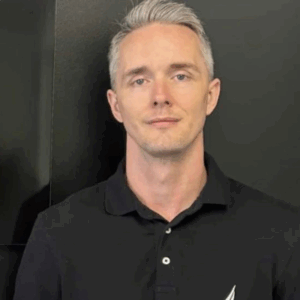
Dr. Vahid Osman is a Board-Certified Psychiatrist and Addictionologist with extensive experience treating mental illness, chemical dependency, and developmental disorders. Dr. Osman trained in Psychiatry in France and in Austin, Texas. Read more.
Clinically Reviewed By
Josh Sprung, L.C.S.W.
Board-Certified Clinical Social Worker
Joshua Sprung serves as a Clinical Reviewer at Lexington Addiction Center, bringing a wealth of expertise to ensure exceptional patient care. Read more.
The Joint Commission Awarded The Gold Seal of Approval® for meeting rigorous performance standards in safety, quality, and patient care.
LegitScript Certified Validates compliance with laws and regulations, confirming transparency and accountability in addiction treatment marketing.
BBB Accredited Demonstrates ethical business practices, client satisfaction commitment, and a trusted reputation in the community.
Psychology Today Verified Verified listing on Psychology Today, a trusted directory for addiction treatment providers and behavioral health centers.
HIPAA Compliant Ensures all patient health information is protected and managed under strict federal privacy and security standards.
NAATP Member Lexington Addiction Center is a proud member of the National Association of Addiction Treatment Providers (NAATP).
5-Star Google Reviews Recognized for consistent 5-star ratings, reflecting excellent care and trusted patient experiences at Lexington Addiction Center.
Help.org Recognition Recognized by Help.org for quality addiction treatment services and community impact.
Yes, Your Insurance Covers Detox and Rehab Treatment
Complete a free, confidential Verification of Benefits to learn more about what resources may be available to you.
Contact Us Today
Addiction and co-occurring disorders don’t have to control your life. Lexington Addiction Center is waiting with open arms to give you the tools necessary for lasting change. Reach out to us today to learn more.