


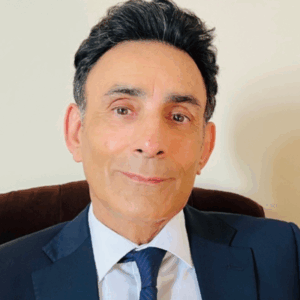
Dr. Vahid Osman is a Board-Certified Psychiatrist and Addictionologist with extensive experience treating mental illness, chemical dependency, and developmental disorders. Dr. Osman trained in Psychiatry in France and in Austin, Texas. Read more.

Lexington Addiction Center provides evidence-based addiction treatment resources for Georgetown and Scott County residents, including medical detox support, PHP, IOP, outpatient care, virtual outpatient services, veteran rehab, medication-assisted treatment, dual diagnosis care, family support, and aftercare planning.
Georgetown sits in the heart of the Bluegrass Region and is known for its historic downtown, Georgetown College, local businesses, restaurants, horse country, and Toyota Motor Manufacturing Kentucky.
That mix of education, manufacturing, family neighborhoods, and surrounding rural communities gives Georgetown a distinct character. At the same time, Scott County families continue to face challenges related to alcohol addiction, opioids, fentanyl, prescription drug misuse, stimulants, and co-occurring mental health conditions.
Professional addiction treatment can help people move beyond short-term crisis stabilization and into a structured plan for recovery.
Evidence-based treatment can address opioids, heroin, fentanyl, cocaine, methamphetamine, benzodiazepines, prescription medications, and other substances.
Alcohol treatment may include detox support, therapy, family involvement, relapse prevention, and continuing care.
Addiction and co-occurring mental health conditions are treated together to strengthen coping skills and reduce relapse risk.
PHP offers more intensive daytime care, while IOP provides structured treatment with greater flexibility for work, school, and family responsibilities.
A strong program should build care around the client’s history, goals, mental health needs, medical concerns, and recovery environment.
Look for therapy, family support, aftercare planning, co-occurring mental health treatment, and multiple levels of care.
Staff qualifications and experience matter, especially when withdrawal risk or co-occurring mental health symptoms are present.
Many clients benefit from evidence-based therapy paired with mindfulness, life skills, relapse prevention, and other whole-person supports.
Treatment intensity can change as clients stabilize and build recovery momentum.
Medical detox can support safer stabilization when alcohol, opioids, benzodiazepines, or other substances create withdrawal risk.
PHP is a highly structured outpatient level of care with full-day therapy, groups, and recovery programming.
IOP provides structured clinical support several days per week with more flexibility for daily responsibilities.
OP provides continued therapy, accountability, relapse prevention, and check-ins at a lower intensity.
Virtual care can help Georgetown residents reduce transportation and scheduling barriers while staying connected to treatment.
Veterans may benefit from treatment that addresses substance use, trauma, PTSD, reintegration stress, and military culture.
Many Georgetown residents seeking rehab are also dealing with anxiety, depression, PTSD, trauma, bipolar disorder, grief, chronic stress, or OCD symptoms.
Untreated anxiety and depression can increase cravings, isolation, and relapse risk.
Trauma-informed care can help clients address unresolved pain and trauma responses that may contribute to substance use.
Bipolar symptoms, mood instability, and obsessive-compulsive symptoms may require coordinated psychiatric and addiction treatment.
Integrated treatment can help clients identify emotional triggers and build healthier coping strategies.
Family therapy and education can help rebuild trust, improve communication, and establish healthier boundaries.
Aftercare may include outpatient therapy, alumni support, medication support, sober living referrals, and relapse-prevention planning.
AA, NA, recovery communities, and other peer supports can strengthen long-term accountability.
Local behavioral health, employment, education, housing, and family resources can help support recovery after formal treatment.
Many insurance plans include coverage for substance use disorder treatment and mental health services. Depending on the plan and medical necessity, benefits may apply to detoxification, residential care, outpatient services, counseling, medication-assisted treatment, and dual diagnosis care.
The admissions team can verify benefits confidentially and explain available options before treatment begins.
Admissions is designed to be clear, compassionate, and confidential. The process may include a discussion of substance use history, mental health symptoms, immediate safety concerns, insurance benefits, recommended level of care, transportation, and treatment scheduling.
You do not need to have everything figured out before calling. The admissions team can help you understand your options and determine the next step.
Georgetown residents may access medical detox support, PHP, IOP, outpatient treatment, virtual outpatient services, veteran rehab, medication-assisted treatment when clinically appropriate, dual diagnosis care, family support, and aftercare planning through Lexington Addiction Center.
Treatment begins with an assessment of substance use history, mental health symptoms, medical needs, family concerns, relapse history, and recovery goals. From there, the clinical team builds a personalized treatment plan.
Many insurance plans cover medically necessary addiction treatment and mental health services. Coverage varies by plan, level of care, diagnosis, network status, and authorization requirements.
Yes. Treatment may include detox support, clinical care, relapse prevention, therapy, and medication support when clinically appropriate.
Yes. Dual diagnosis treatment addresses substance use and co-occurring mental health conditions such as anxiety, depression, PTSD, bipolar disorder, trauma, and OCD symptoms together.
Clients can expect a confidential admissions process, insurance verification, clinical assessment, individualized treatment planning, therapy, group support, relapse prevention, and aftercare planning.
Yes. PHP, IOP, outpatient programming, and virtual outpatient services are available for clients who need structured support with varying levels of flexibility.
Loved ones can support recovery by learning about addiction, participating in family therapy when appropriate, setting healthy boundaries, encouraging treatment attendance, and using family support resources.
Virtual outpatient services may be available when clinically appropriate and can help reduce transportation, work, family, and scheduling barriers.
Veterans may benefit from treatment that recognizes military culture, trauma exposure, PTSD, reintegration stress, and other service-related experiences.
Continuing care may include outpatient therapy, peer support, alumni resources, sober living referrals, medication support, psychiatric follow-up, and relapse-prevention planning.
Contact Lexington Addiction Center. Admissions can answer questions, verify insurance, review treatment options, and help determine the right level of care.
Care plans are built around each client’s needs, history, symptoms, and goals.
Addiction and mental health concerns can be treated together in one coordinated plan.
Family support can help loved ones understand recovery, rebuild trust, and strengthen communication.
Detox, PHP, IOP, outpatient care, virtual services, and continuing support allow treatment to adapt over time.
Clients receive structured clinical care and guidance throughout treatment.
Relapse prevention, aftercare, local recovery resources, and ongoing behavioral health support are incorporated into treatment planning.
Location-based pages provide general information about addiction treatment services and regional availability. Services may vary by location, availability, clinical appropriateness, and admissions eligibility.
In emergencies, including overdose or severe withdrawal crises, call 911 immediately. Insurance coverage must be verified directly.
Lexington Addiction Center can verify insurance, answer questions, and help determine the right level of care for you or your loved one.




Kentucky Office of Drug Control Policy. (n.d.). 2021 Overdose Fatality Report. https://odcp.ky.gov/Reports/2021%20Overdose%20Fatality%20Report%20%28final%29.pdf Office of Drug Control Policy
HealthCare.gov. (n.d.). Affordable Care Act (ACA). https://www.healthcare.gov/glossary/affordable-care-act/
Kentucky Office of Drug Control Policy. (2024). 2023 Drug Overdose Fatality Report [PDF]. https://odcp.ky.gov/Documents/2023_ODCP_Annual%20Drug%20Overdose%20Report.pdf Office of Drug Control Policy
Kentucky Injury Prevention & Research Center. (2024, May). Kentucky resident drug overdose deaths, 2019–2023 [PDF]. https://kiprc.uky.edu/sites/default/files/2024-07/2023_2019_od2a_overdosemortalityannualreport.pdf kiprc.uky.edu
Centers for Disease Control and Prevention. (2024, June 27). Opioid use disorder cascade of care — United States, 2022 (MMWR 73[25]). https://www.cdc.gov/mmwr/volumes/73/wr/pdfs/mm7325a1-H.pdf CDC+1
National Institute on Drug Abuse. (2025). Medications for opioid use disorder (MOUD). https://nida.nih.gov/research-topics/medications-opioid-use-disorder National Institute on Drug Abuse
KIPRC, University of Kentucky. (n.d.). FindHelpNowKY.org (real-time Kentucky treatment availability). https://kiprc.uky.edu/programs/findhelpnowkyorg kiprc.uky.edu
SAMHSA. (n.d.). FindTreatment.gov — Treatment locator. https://findtreatment.gov/locator FindTreatment.gov
SAMHSA. (n.d.). National Helpline (1-800-662-HELP). https://www.samhsa.gov/find-help/national-helpline SAMHSA
Alcoholics Anonymous. (n.d.). Find A.A. near you (Meeting Guide app & local intergroups). https://www.aa.org/find-aa Alcoholics Anonymous
SMART Recovery. (n.d.). SMART Recovery meetings (U.S. & Canada). https://meetings.smartrecovery.org/ SMART Recovery Meetings

Addiction and co-occurring disorders don’t have to control your life. Lexington Addiction Center is waiting with open arms to give you the tools necessary for lasting change. Reach out to us today to learn more.