Medication-assisted treatment (MAT) combines FDA-approved medication with counseling and behavioral support to help people recover from opioid or alcohol use disorders. Lexington Addiction Center provides MAT as part of a structured treatment plan designed to reduce cravings, support stability, and help clients stay engaged in recovery.
Care begins with an individualized medical and clinical assessment. When MAT is appropriate, medication is prescribed and monitored alongside therapy, relapse-prevention work, and ongoing recovery support.
What Is Medication-Assisted Treatment (MAT) and How Does It Work?
Medication-assisted treatment blends medication with counseling and behavioral therapy. The medication component may include buprenorphine, naltrexone, or other clinically appropriate options used to reduce cravings, stabilize withdrawal symptoms, or block the rewarding effects of opioids or alcohol.
Medication is only one part of the plan. Clients also participate in therapy and recovery-focused services that address triggers, coping skills, relationships, mental health needs, and relapse prevention. Treatment begins with an assessment and continues with medication monitoring, counseling, progress reviews, and adjustments based on clinical response.
How Does a MAT Program in Lexington, KY, Differ From Other Options?
A local MAT program combines medical oversight with counseling and recovery support in one coordinated plan. Clients can receive medication management while staying connected to therapy, peer support, toxicology screening when clinically appropriate, and treatment for co-occurring mental health concerns.
For people balancing work, school, parenting, or transportation needs, outpatient MAT can provide structured support without requiring an overnight stay. The treatment team can also coordinate changes in care intensity if symptoms or recovery needs change.
Which Medications Are Used in MAT Programs?
The medication used depends on the substance involved, medical history, current symptoms, previous treatment, and individual recovery goals.
Buprenorphine / Suboxone
Buprenorphine is used for opioid use disorder to reduce withdrawal symptoms and cravings. Suboxone combines buprenorphine with naloxone and may be prescribed when clinically appropriate.
Sublocade is an extended-release injectable form of buprenorphine used for opioid use disorder. It is administered on a recurring schedule so medication levels remain more consistent over time.
Naltrexone blocks opioid receptors and may be used for opioid or alcohol use disorder after appropriate clinical evaluation. Vivitrol is an extended-release injectable form of naltrexone.
Medication selection and dosing are individualized. Providers monitor response, side effects, cravings, recovery progress, and any co-occurring medical or mental health concerns.
Does MAT Treat Both Opioid and Alcohol Use Disorders?
Yes. Medication-assisted treatment can be used for opioid use disorder and alcohol use disorder when clinically appropriate. The medication choices differ by diagnosis and individual needs, but the broader approach remains the same: medical support is combined with counseling and recovery-focused services.
For opioid use disorder, treatment may include buprenorphine or naltrexone. For alcohol use disorder, naltrexone or other FDA-approved medications may be considered. A medical assessment determines whether MAT is appropriate and which option best fits the treatment plan.
What Does a Medication-Assisted Treatment Program Involve Day to Day?
Medical Assessment
Providers review substance use history, withdrawal risk, medications, medical conditions, mental health symptoms, and previous treatment before recommending MAT.
Medication Management
Medication response, cravings, side effects, and progress are monitored so the treatment plan can be adjusted safely over time.
Counseling & Therapy
Individual and group therapy help clients identify triggers, build coping skills, improve emotional regulation, and address the behavioral side of addiction.
MAT can help reduce the physical pressure of cravings and withdrawal so clients can focus more fully on therapy, relationships, work, education, and the routines that support recovery.
Reduces Cravings
Appropriate medication can reduce cravings and withdrawal symptoms that might otherwise interfere with treatment participation.
Supports Treatment Retention
Greater physical stability can make it easier to remain engaged in counseling, medication management, and recovery planning.
Addresses the Whole Person
Medication is paired with behavioral care so treatment can address emotional, psychological, social, and recovery needs alongside physical dependence.
Provides Ongoing Monitoring
Regular clinical follow-up helps providers evaluate progress, adjust medication when needed, and coordinate the next level of care.
How Do I Enroll in a MAT Program in Lexington, KY?
Call or Message Us
Connect with the admissions team to discuss what is happening and what type of support you are looking for.
If MAT is clinically appropriate, the team coordinates the recommended level of care, medication evaluation, and treatment start.
Frequently Asked Questions About Medication-Assisted Treatment in Lexington, KY
What is medication-assisted treatment?
Medication-assisted treatment combines FDA-approved medication with counseling and behavioral therapy to treat substance use disorders. It is commonly used for opioid use disorder and alcohol use disorder.
Is MAT the same as replacing one drug with another?
No. MAT uses carefully prescribed and monitored medications as part of a structured treatment plan. The goal is to reduce cravings and withdrawal symptoms while supporting participation in counseling and recovery services.
What medications are used for opioid use disorder?
Depending on clinical needs, medications may include buprenorphine-based treatment or naltrexone. Medication selection depends on medical history, current substance use, withdrawal status, previous treatment, and recovery goals.
Can MAT be used for alcohol addiction?
Yes. FDA-approved medications may be used for alcohol use disorder when clinically appropriate. Medication is combined with counseling, relapse-prevention planning, and other recovery support.
How long do people stay on MAT?
There is no universal timeline. Treatment length depends on diagnosis, response to medication, cravings, relapse risk, recovery stability, medical needs, and progress toward treatment goals.
Do I need detox before starting MAT?
That depends on the substance being used, withdrawal risk, recent use, and the medication being considered. A medical assessment determines whether detox or another level of stabilization is needed first.
Can MAT be combined with mental health treatment?
Yes. When substance use occurs alongside anxiety, depression, PTSD, bipolar disorder, or other mental health concerns, MAT can be incorporated into a coordinated dual diagnosis treatment plan.
Can I work or attend school while receiving MAT?
Many clients receive MAT through outpatient care while continuing work, school, or family responsibilities. The appropriate schedule depends on the recommended level of care and individual clinical needs.
Does insurance cover medication-assisted treatment?
Many insurance plans include benefits for substance use treatment and medication management, but coverage varies. Admissions can verify benefits and explain deductibles, copays, authorization requirements, and network status.
What happens if MAT is not enough support?
If symptoms, relapse risk, withdrawal concerns, or mental health needs require more structure, the treatment team can evaluate whether PHP, IOP, detox, residential treatment, or another level of care is appropriate.
Is counseling required with MAT?
MAT is designed as an integrated approach. Counseling, behavioral therapy, recovery planning, and ongoing clinical support address the psychological and behavioral aspects of addiction alongside medication.
How do I start MAT at Lexington Addiction Center?
Contact admissions for a confidential assessment and insurance verification. The team will review your needs, determine whether MAT is appropriate, and help coordinate the next step in treatment.
What Sets Lexington Addiction Center Apart: Premium Amenities & Personalized Care
Comfortable & Welcoming Environment
A calm, discreet setting helps clients focus on treatment while maintaining privacy and dignity.
Medication is integrated with therapy, relapse prevention, mental health support, and continuing-care planning rather than used as a stand-alone service.
Begin Medication-Assisted Treatment in Lexington, KY
If opioid or alcohol use is making it difficult to regain stability, medication-assisted treatment may be one part of a safer, more structured recovery plan. Contact Lexington Addiction Center for a confidential assessment and insurance verification.
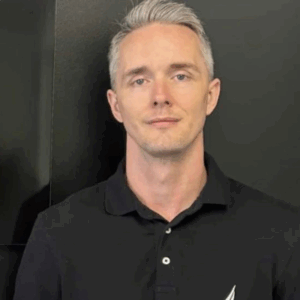
Dr. Vahid Osman is a Board-Certified Psychiatrist and Addictionologist with extensive experience treating mental illness, chemical dependency, and developmental disorders. Dr. Osman trained in Psychiatry in France and in Austin, Texas. Read more.
Clinically Reviewed By
Josh Sprung, L.C.S.W.
Board-Certified Clinical Social Worker
Joshua Sprung serves as a Clinical Reviewer at Lexington Addiction Center, bringing a wealth of expertise to ensure exceptional patient care. Read more.
The Joint Commission Awarded The Gold Seal of Approval® for meeting rigorous performance standards in safety, quality, and patient care.
LegitScript Certified Validates compliance with laws and regulations, confirming transparency and accountability in addiction treatment marketing.
BBB Accredited Demonstrates ethical business practices, client satisfaction commitment, and a trusted reputation in the community.
Psychology Today Verified Verified listing on Psychology Today, a trusted directory for addiction treatment providers and behavioral health centers.
HIPAA Compliant Ensures all patient health information is protected and managed under strict federal privacy and security standards.
NAATP Member Lexington Addiction Center is a proud member of the National Association of Addiction Treatment Providers (NAATP).
5-Star Google Reviews Recognized for consistent 5-star ratings, reflecting excellent care and trusted patient experiences at Lexington Addiction Center.
Help.org Recognition Recognized by Help.org for quality addiction treatment services and community impact.
Sordo, L., Barrio, G., Bravo, M. J., Indave, B. I., Degenhardt, L., Wiessing, L., Ferri, M., & Pastor-Barriuso, R. (2017). Mortality risk during and after opioid substitution treatment: Systematic review and meta-analysis of cohort studies. BMJ, 357, j1550. https://www.bmj.com/content/357/BMJ.j1550
Santo, T., Jr., Clark, B., Hickman, M., Grebely, J., Sordo, L., & others. (2021). Association of opioid agonist treatment with mortality in people with opioid dependence: A systematic review and meta-analysis. JAMA Psychiatry, 78(9), 979–993. https://jamanetwork.com/journals/jamapsychiatry/fullarticle/2780655JAMA Network
Yes, Your Insurance Covers Detox and Rehab Treatment
Complete a free, confidential Verification of Benefits to learn more about what resources may be available to you.
Contact Us Today
Addiction and co-occurring disorders don’t have to control your life. Lexington Addiction Center is waiting with open arms to give you the tools necessary for lasting change. Reach out to us today to learn more.