Living with uncontrolled mood swings can feel like steering a car with no brakes. Our Bipolar Treatment in Lexington, KY, combines medical care with real-life skill-building, so you can finally take control and put both hands back on the wheel.
We offer a step-down continuum, including Partial Hospitalization (PHP), Intensive Outpatient (IOP), and Standard Outpatient (OP) programs, as well as additional services and referrals to trusted bipolar inpatient treatment facilities for further stabilization when needed.
While you stay rooted in your home community, our team fine-tunes medication, teaches coping strategies, and walks with you through every high and low of bipolar disorder treatment. Ready for steady progress? Call our 24/7 line at 859-636-0779 today.
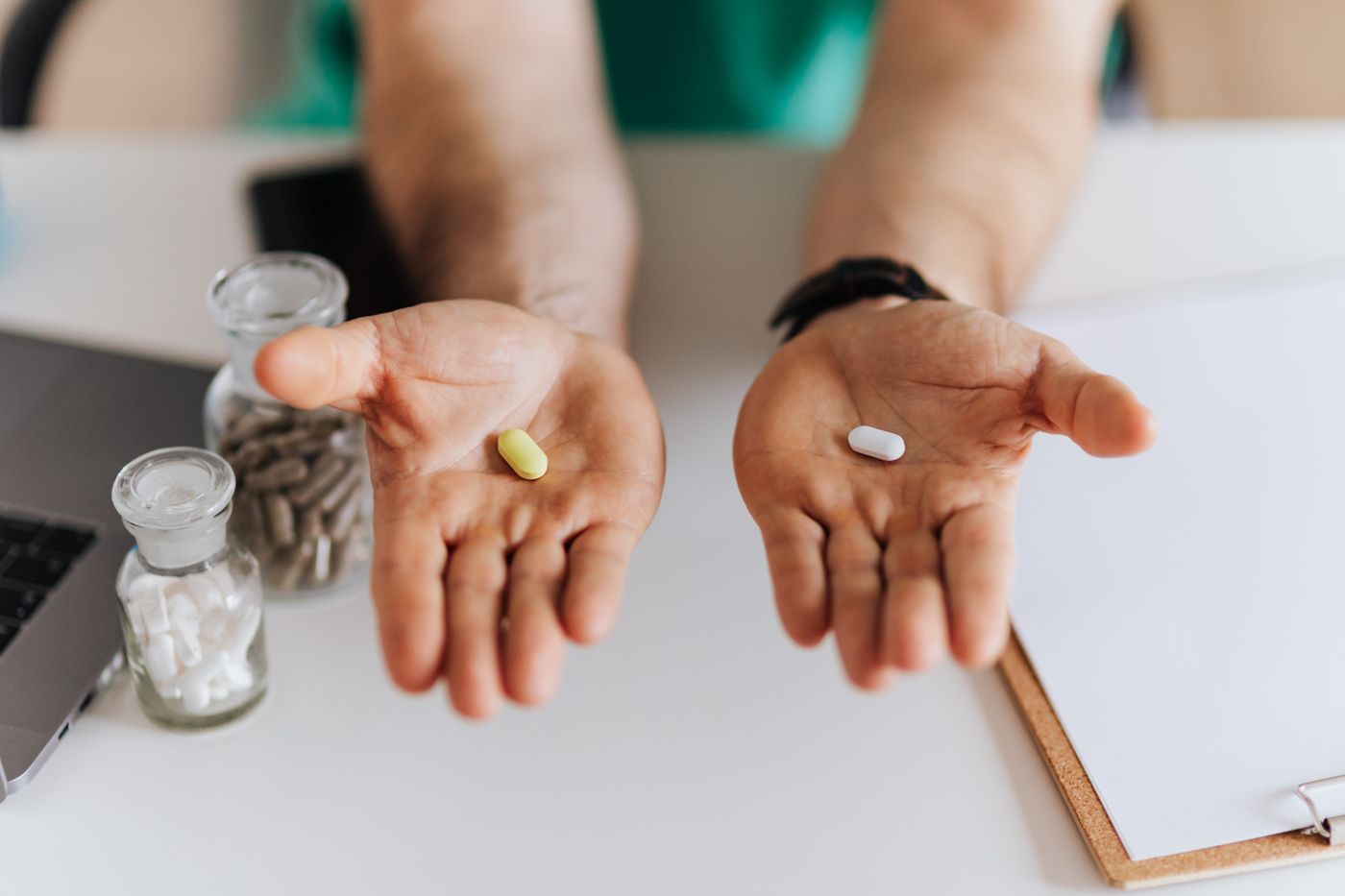
Bipolar treatment blends medicine and therapy to smooth the extreme peaks and valleys of mood. At Lexington Addiction Center, psychiatrists prescribe or adjust mood-stabilizing medications—such as lithium, valproate, or certain atypical antipsychotics—while therapists address thought patterns and daily habits that trigger swings.
Because our programs run on an outpatient schedule, you can attend therapy, pick up your prescriptions, and return home to sleep in your own bed the same night. Group sessions foster peer support; one-on-one counseling delves into personal stressors; medical check-ins monitor side effects and lab results.
This balanced model of bipolar disorder treatment keeps you grounded in normal life while providing clinical oversight strong enough to catch problems early. In short, Bipolar Treatment in Lexington, KY, means personalized care that targets both brain chemistry and everyday behavior.
How Does a Bipolar Disorder Treatment Center Support Recovery?
Knowing how to recognize the signs and symptoms of bipolar disorder can be essential in helping a person to identify signs of suffering in both themselves and their loved ones. Unlike many mental health conditions, bipolar disorder can be difficult to discern, especially if one does not know the person suffering very well.
A person may attribute their actions to personality traits or quirks if they are not familiar with the person exhibiting these traits. This factor makes knowing the signs and symptoms of bipolar disorder even more crucial in the fight against mental health disorder.
Signs and symptoms of bipolar disorder may include but are not limited to:
Severe or dramatic shifts in mood despite external factors remaining unchanged
Loss of interest in once-enjoyed activities
Pulling away from friends, family, and other relationships
Decreased performance at work or in school
Lethargy
Fatigue
Extreme bouts of energy
Irritability
Erratic or risky behaviors
Taking chances on a whim
Excessive time spent sleeping or in bed
Depressive episodes
Loss of hope
Contact Us
Set yourself free from the struggles of addiction and co-occurring mental health disorders. Reach out to our treatment team in Lexington, Kentucky today.
Bipolar disorder is a mental health disorder involving dramatic shifts in mood. Then it’s followed by periods of mania and/or depression. Additionally, bipolar disorder can be broken down into three different types.
These are:
Bipolar I Disorder
The most severe form of bipolar disorder, bipolar I, involves a period of mania lasting a week or more. This period may include periods of manic psychosis, delusions, impulsiveness, overconfidence, and euphoria. These attributes can lead to drastic or impulsive actions that can lead to serious injury or harm.
Bipolar II Disorder
Bipolar II is categorized by hypomanic episodes that are often less severe than manic episodes. When experiencing bipolar II disorder, a person’s bipolar disorder will often go undiagnosed as they may be mistakenly diagnosed with depression. Bipolar II involves both hypomanic episodes and depressive episodes.
Cyclothymic Disorder
Cyclothymic disorder means a person has experienced hypomanic episodes. They can also experience milder forms of bipolar symptoms for two years or more, without meeting the standard of full-blown mania or depression.
How We Treat Bipolar Disorder at Lexington Addiction Center
At Lexington Addiction Center, we offer a host of treatment modalities to ensure every client who steps through our doors receives the attention and care they deserve during bipolar treatment in Lexington.
Through our treatment programs, behavioral therapies, and holistic treatment options, we provide the resources and stability necessary for lasting change, such as:
Holistic Therapy
Holistic addiction treatment in Lexington, KY looks past just “fixing the symptoms.” It pairs proven counseling with activities that move your body, quiet your mind, and lift your spirit so you heal on every level, not just one.
Stress Reduction: Mindfulness, yoga, and breathwork help lower cortisol levels, which are crucial for anyone whose cravings spike under pressure.
Relapse Prevention: Exercise, creative outlets, and a balanced diet provide healthy dopamine boosts, making it easier to avoid old habits.
Improved Mood & Cognition: Balanced diets and regular movement enhance sleep quality and sharpen focus, two predictors of recovery success in holistic drug rehabilitation studies.
Physical Healing: Strength training, outdoor recreation, and medical nutrition therapy help repair organ systems that have been taxed by long-term substance use, thereby boosting overall resilience.
Many individuals use benzos for trauma or anxiety. Trauma Therapy in Lexington, KY, is the foundation of every program we offer at Lexington Addiction Center, incorporating trauma-informed approaches into addiction treatment at every stage of care. We offer specialized care to address root causes, including:
CBT (Cognitive Behavioral Therapy): Helps clients identify and change thought patterns that fuel addiction.
DBT (Dialectical Behavior Therapy): Focuses on emotional regulation and managing distress.
EMDR (Eye Movement Desensitization and Reprocessing): Especially effective for those with PTSD or trauma histories.
Brainspotting: A powerful tool for accessing and processing deep emotional pain.
Medication-Assisted Treatment (MAT)
Medication-assisted treatment (MAT) has become the go-to standard for people who need more than willpower to beat addiction, and our MAT Program in Lexington, KY, puts that gold-standard care right at your doorstep.
By pairing FDA-approved medications with therapy and recovery coaching, MAT eases withdrawal, curbs cravings, and lowers the risk of overdose, giving clients the breathing room they need to rebuild their lives.
Family therapy in Lexington, KY, gives every loved one a seat at the table when addiction threatens to pull households apart. Instead of shouldering recovery alone, individuals gain a built-in support system that understands the science of substance use, the power of communication, and the importance of accountability.
Our therapists walk alongside your family, helping you air out old resentments, set healthier boundaries, and celebrate every small win—habits that keep recovery steady long after treatment wraps up.
Long-term success requires more than just sobriety.
We provide education and training in key areas like budgeting, job readiness, and healthy living. Clients are also encouraged to engage in peer support programs that reinforce accountability and connection.
Together, these services make Lexington Addiction Center one of the most comprehensive benzodiazepine rehab centers in Kentucky. Our goal is not only to treat benzo addiction—but to equip clients with the tools to thrive well beyond treatment.
At Lexington Addiction Center, our Dual Diagnosis Therapy Approach treats both mental health disorders and substance use issues together for lasting recovery. Using evidence-based therapies like CBT, DBT, and trauma-informed care, our team helps clients understand the connection between addiction and mental health. With personalized treatment plans, counseling, and holistic support, we focus on healing the whole person—mind, body, and spirit—to promote long-term wellness and recovery.
At Lexington Addiction Center, we can help you or your loved one to heal, develop effective coping mechanisms, and live happily with bipolar disorder. Our dedicated team of professionals is here to help you every step of the way during your recovery journey.
Allow our compassionate and knowledgeable staff to give you the tools necessary for lasting relief and effective change. We offer treatment plans tailored to our client’s individual needs to provide the support, resources, and care they deserve during bipolar treatment in Lexington. There has never been a better time to reclaim your independence from bipolar disorder.
Contact us today, and take the first steps in your journey to lasting recovery.
What Sets Lexington Addiction Center Apart
Comfortable & Welcoming Environment
The facility offers a calm and supportive atmosphere that promotes healing and comfort, with easy parking and discreet entrances providing added convenience and privacy. The setting is intentionally designed to feel warm, safe, and stigma-free, allowing clients to focus fully on their recovery journey.
Holistic & Complementary Therapies
The center integrates holistic approaches such as yoga, meditation, and deep breathing into treatment. Trauma-informed therapies like brain spotting and EMDR-style techniques address underlying causes of addiction. Life skills education and 12-Step principles are incorporated to promote long-term stability.
Clinician & Medical Owned & Operated
At Lexington Addiction Center, our team includes master-level clinicians and a registered dietician, offering 24/7 medical care and nursing support, weekly individual therapy sessions, and daily consultations with a medical provider to ensure comprehensive recovery.
Family Therapy Sessions
Our compassion‑driven family therapy sessions foster healing, empowering loved ones with supportive, holistic evidence‑based counseling to rebuild trust, strengthen lasting bonds, and navigate recovery together in a truly nurturing, understanding environment.
Twice‑Weekly Individual Therapy
Clients engage in two individual therapy sessions per week, fostering consistent emotional support and guidance. Structured approach promotes sustained progress, accountability, and resilience, empowering individuals to navigate recovery with therapeutic care.
Small Groups, Big Recovery
We prioritize individualized attention by limiting each session to just twelve clients. This intimate setting fosters tailored support, meaningful connections, and superior clinical care, empowering participants on their journey to recovery.
Full Continuum of Care
Lexington Addiction Center offers a full continuum of care, beginning with medically supervised detox to ensure a safe and comfortable withdrawal process. This flexible structure allows individuals to move between levels of care as their recovery needs change, providing continuous support from detox through long-term outpatient treatment.
Dual Diagnosis & Mental Health Integration
Lexington Addiction Center provides comprehensive dual diagnosis treatment, addressing co-occurring mental health disorders such as anxiety, depression, PTSD, and OCD alongside substance use issues. This integrated approach focuses on healing both mental health and addiction challenges simultaneously, ensuring that clients receive well-rounded, effective care.
Frequently Asked Questions About Bipolar Disorder Treatment
What is bipolar disorder treatment and why is it important?
Bipolar disorder treatment is designed to stabilize mood, reduce the frequency and severity of manic or depressive episodes, improve daily functioning, and help people build routines that support long-term stability. Treatment often combines medication management with psychotherapy and practical coping strategies.
Who can benefit from bipolar disorder treatment?
Treatment may benefit people experiencing significant mood swings, periods of mania or hypomania, depressive episodes, impulsive or risky behavior, sleep disruption, irritability, loss of interest, or difficulty functioning at work, school, or in relationships.
What are common components of bipolar disorder treatment?
Common components can include psychiatric evaluation, mood-stabilizing medication, individual therapy, group therapy, family support, psychoeducation, sleep and routine planning, relapse-prevention strategies, and treatment for co-occurring substance use or other mental health conditions.
How does therapy help in bipolar disorder treatment?
Therapy can help clients recognize early warning signs of mood changes, identify triggers, strengthen coping and communication skills, improve routines, challenge unhelpful thought patterns, and reduce behaviors that can worsen manic or depressive episodes.
What role does medication play in treating bipolar disorder?
Medication is often an important part of bipolar disorder treatment. Depending on clinical needs, a prescriber may use mood stabilizers, certain antipsychotic medications, or other medications while monitoring effectiveness, side effects, sleep, and overall mood stability.
Can bipolar disorder treatment help with daily functioning and quality of life?
Yes. Effective treatment can support more consistent sleep, clearer decision-making, improved relationships, better performance at work or school, fewer disruptive mood episodes, and greater confidence in managing symptoms over time.
What are common challenges people face during bipolar disorder treatment?
Common challenges can include medication side effects, inconsistent sleep, stress, difficulty recognizing early mood changes, stopping medication when symptoms improve, co-occurring substance use, and maintaining routines during periods of high or low mood.
How can someone begin bipolar disorder treatment at Lexington Addiction Center?
Contact Lexington Addiction Center for a confidential assessment. The team can review current symptoms, treatment history, medication needs, substance use concerns, insurance benefits, and the appropriate outpatient level of care.
Start Bipolar Treatment in Lexington, KY
Bipolar disorder can affect mood, sleep, relationships, daily functioning, and recovery. Lexington Addiction Center can help you explore treatment options and take the next step toward greater stability.
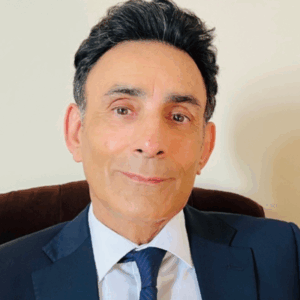
Dr. Vahid Osman is a Board-Certified Psychiatrist and Addictionologist with extensive experience treating mental illness, chemical dependency, and developmental disorders. Dr. Osman trained in Psychiatry in France and in Austin, Texas. Read more.
Clinically Reviewed By
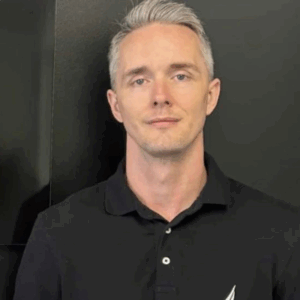
Josh Sprung, L.C.S.W.
Board-Certified Clinical Social Worker
Joshua Sprung serves as a Clinical Reviewer at Lexington Addiction Center, bringing a wealth of expertise to ensure exceptional patient care. Read more.
The Joint Commission Awarded The Gold Seal of Approval® for meeting rigorous performance standards in safety, quality, and patient care.
LegitScript Certified Validates compliance with laws and regulations, confirming transparency and accountability in addiction treatment marketing.
BBB Accredited Demonstrates ethical business practices, client satisfaction commitment, and a trusted reputation in the community.
Psychology Today Verified Verified listing on Psychology Today, a trusted directory for addiction treatment providers and behavioral health centers.
HIPAA Compliant Ensures all patient health information is protected and managed under strict federal privacy and security standards.
NAATP Member Lexington Addiction Center is a proud member of the National Association of Addiction Treatment Providers (NAATP).
5-Star Google Reviews Recognized for consistent 5-star ratings, reflecting excellent care and trusted patient experiences at Lexington Addiction Center.
Help.org Recognition Recognized by Help.org for quality addiction treatment services and community impact.
Yes, Your Insurance Covers Detox and Rehab Treatment
Complete a free, confidential Verification of Benefits to learn more about what resources may be available to you.
Contact Us Today
Addiction and co-occurring disorders don’t have to control your life. Lexington Addiction Center is waiting with open arms to give you the tools necessary for lasting change. Reach out to us today to learn more.