Addiction Rehab Near Covington, KY

If you or someone you love is searching for addiction rehab near Covington, KY, you’ve likely seen firsthand how substance use continues to affect families, workplaces, and communities across Northern Kentucky.

Covington, like many areas in the state, has been hit hard by the opioid epidemic.
Fentanyl, heroin, methamphetamine, and alcohol remain top substances of concern, each leaving a devastating mark.

In 2022 alone, Kentucky reported 2,135 overdose deaths, with fentanyl involved in over 70 percent of those fatalities. Kenton County consistently ranks among the highest in the state for overdose incidents, with emergency responders and local hospitals stretched thin by substance-related crises.

Behind those statistics are real people—parents, teenagers, veterans, teachers—often struggling in silence. Many individuals battling substance use disorders are also living with untreated mental health conditions like anxiety, depression, PTSD, or bipolar disorder. These overlapping challenges make recovery more complex—and more urgent.

The impact of addiction in Covington goes far beyond individual health. Families are strained, kids are placed in foster care, jobs are lost, and housing becomes unstable. Law enforcement and emergency departments are overwhelmed. Too often, the only available response is crisis stabilization—not meaningful, long-term support.

That’s why there’s a growing need for evidence-based addiction treatment that’s local, accessible, and tailored to the real lives of people in Northern Kentucky. Not just detox. Not just a hotline—but full-spectrum care that meets people where they are and walks with them toward lasting recovery.

Drug And Alcohol Rehab Near Covington, KY

Why Access to Local Rehab Matters

Looking for rehab in Covington or nearby doesn’t just save time—it can save lives. When treatment is local and accessible, it removes some of the biggest barriers to recovery.

Being close to home means family and loved ones can stay involved, which is a huge factor in long-term success. Local rehab also makes it easier to attend therapy, group sessions, and follow-up care without missing work, school, or parenting responsibilities. For many people, traveling hours away—or waiting weeks for a state-run bed—is just not feasible.

Enrolling in an addiction rehab near Covington, KY, allows clients to build recovery support within their own community. That might include AA or NA meetings, sober social connections, job programs, and transitional housing. The more rooted recovery is in everyday life, the more sustainable it becomes.

Perhaps most importantly, local care means faster access to care. No long waitlists. No out-of-state red tape. Just timely, compassionate help—right when it’s needed most.

Our Approach to Recovery at Lexington Addiction Center

→ Addiction Rehab Near Covington, KY

At Lexington Addiction Center, recovery is never one-size-fits-all. Whether you’re seeking alcohol treatment in Kentucky or support for drug addiction, we believe in treating the whole person, not just the symptoms of substance use.

Our care model is rooted in trauma-informed treatment, recognizing that many people turn to substances as a way to cope with pain, mental health challenges, or unaddressed trauma. That’s why we also offer dual diagnosis care, addressing co-occurring disorders like anxiety, depression, PTSD, or bipolar disorder alongside addiction.

We don’t rely on rigid protocols or cookie-cutter programs. Every treatment plan is tailored to your goals, your background, and your needs—because your story matters.

Many of our staff members have lived experience with addiction and recovery. That means you’ll never be met with judgment—only real empathy and the kind of support that comes from someone who truly understands.

Our environment is intentionally warm, non-institutional, and structured to help clients feel safe, respected, and seen. You’ll receive medical supervision throughout your stay, but you’ll also engage in meaningful therapeutic work that goes deeper than surface-level symptoms.

We combine evidence-based therapies, such as CBT and DBT, with holistic practices like mindfulness, movement, and nutrition education. The goal isn’t just sobriety—it’s long-term wellness, self-awareness, and the confidence to rebuild a fulfilling life.

If you’re looking for addiction rehab near Covington, KY, we’re here with real tools, real people, and real hope.

Levels of Care We Offer

Drug and Alcohol Detox

Our drug alcohol detox program gives you something the internet’s home-remedy tips never can: round-the-clock medical supervision from clinicians who’ve guided thousands through the roughest first days of sobriety. 

We tailor evidence-based medications like buprenorphine for opioids or carefully titrated benzodiazepines for severe alcohol withdrawal to your exact physiology, so you stay safe while your body resets. 

Medication assisted treatment.

Partial Hospitalization Program (PHP):

The partial hospitalization program (PHP) is our most structured outpatient option, offering full-day treatment four to five days a week. It’s a great fit for individuals transitioning out of detox or residential care who still require daily support to stay grounded and on track. You’ll have a packed schedule of therapy, groups, and wellness activities—all designed to help you stabilize and build momentum in early recovery.

Red icon for addiction counseling in Lexington.

Intensive Outpatient Program (IOP):

Our intensive outpatient program (IOP) offers strong clinical support without the full-time commitment. You’ll attend therapy several times a week—often in the mornings or evenings—so you can continue working, going to school, or taking care of family. It’s ideal for those who want structure and accountability but are ready for more independence.

Outpatient Program (OP):

The outpatient program is our most flexible level of care, with sessions typically happening once or twice a week. It’s designed for those who’ve already made progress in their recovery but want continued guidance, check-ins, and a safe place to stay connected as life evolves. It’s ongoing support—on your terms.

Virtual Outpatient Services

Virtual outpatient care means you get the same licensed clinicians, evidence-based therapies, and medication support you would in the clinic, but from the comfort of your own home. With a secure video link and a decent internet connection, you can attend group therapy, meet with your counselor, and refill prescriptions without a commute. 

For people living in Kentucky’s far-flung counties, telehealth closes the distance that so often stands between someone and treatment. 

Drug and Alcohol Rehab for Veterans

Our program, built by veterans for veterans, delivers evidence-based care alongside the camaraderie and mission-focused mindset that define effective veterans’ rehab. In short, rehab for veterans in Lexington, KY, must be custom-engineered to heal both battlefield wounds and the habits soldiers use to numb them.

Recovery doesn’t follow a straight line, and neither should treatment. Whether you need intensive daily programming or flexible outpatient care, we’ll help you find your best next step.

Treating Addiction and Mental Health Together

At Lexington Addiction Center, we understand that substance use doesn’t exist in a vacuum. Many clients come to us struggling with both addiction and mental health issues, like anxiety, depression, PTSD, or bipolar disorder. This is known as dual diagnosis, and it’s far more common than most people realize.

When mental health conditions go untreated, they often drive substance use as a form of self-medication. In turn, drug or alcohol use can worsen symptoms of anxiety, mood disorders, and trauma, creating a vicious cycle that’s hard to break without help.

That’s why we take an integrated approach to care. From your very first assessment, we screen for underlying mental health and addiction issues at the same time. 

Our clinical team then builds a personalized treatment plan that addresses both, using evidence-based therapies and psychiatric support where needed.

Common dual diagnoses we treat include:

  • Anxiety disorders
  • Major depressive disorder
  • PTSD and complex trauma
  • Bipolar disorder
  • OCD alongside substance use

Treating these conditions simultaneously, rather than separately, leads to better outcomes, fewer relapses, and a stronger foundation for long-term recovery. 

If you’re looking for rehab in Covington that can address the full scope of your experience, we’re here to provide the kind of care that doesn’t just treat the symptoms—it helps heal the whole person.

Support for Families in the Recovery Process

Addiction doesn’t happen in isolation—it affects everyone close to it. Families often carry the invisible weight of it all: the worry, the frustration, the helplessness of wanting to help but not knowing how, or fearing they might make things worse.

At Lexington Addiction Center, we believe that supporting the family is a vital part of lasting recovery.

That’s why we offer weekly family therapy sessions as a core component of treatment. 

These sessions help families understand addiction as a medical condition, not a moral failing, and provide a safe space to begin healing relationships that may have been strained by years of chaos or disconnection.

Participants in a recovery group giving a high-five, showing support and celebration as part of Lawrenceburg Kentucky Drug and Alcohol Rehab Resources.

Life After Rehab: Aftercare and Sober Living Near Covington

Completing a program at a rehab in Covington or nearby is a significant step, but recovery doesn’t end with discharge. Sustained sobriety requires continued care, structure, and connection, especially in the first year after treatment.

That’s why Lexington Addiction Center offers comprehensive aftercare planning for every client. Aftercare may include ongoing therapy sessions, weekly alumni groups, peer support check-ins, and referrals to local resources such as job training or education programs. 

We help you maintain progress and navigate real-life stressors with confidence.

For many clients, transitioning into a sober living home near Covington, KY, is a key part of maintaining momentum. These structured environments offer accountability, peer support, and a safe, substance-free environment to help individuals rebuild their lives. 

We work hand-in-hand with trusted sober living homes near Covington, helping you find a space that feels like the right fit—and we stay by your side to support you through the transition every step of the way.

Recovery is more than just staying clean—it’s about building a life you want to stay sober for. We’re here to help you do just that.

What to Expect When You Reach Out

We know that making the first call is often the hardest part. That’s why we make sure your first interaction with us is met with empathy, not pressure.

When you reach out to Lexington Addiction Center, you’ll speak with a kind and experienced admissions team, many of whom have been through recovery themselves. We’ll start with a free insurance verification, so you know exactly what’s covered and what your options are.

Next, we’ll guide you through a straightforward, step-by-step intake process designed to make getting help feel manageable. You’ll receive a comprehensive assessment, and we’ll develop a personalized treatment plan tailored to your specific needs, not a generic checklist.

This is a judgment-free zone. Whether you’ve relapsed, are new to recovery, or are exploring your options, we’re here to meet you where you are. We can also assist with transportation and logistics if getting to treatment is a barrier.

You don’t have to have all the answers—just the courage to reach out. We’ll help with the rest.

What Sets Lexington Addiction Center Apart:
Premium Amenities & Personalized Care

Lexington Addiction Center facilities.

Comfortable & Welcoming Environment

The facility offers a calm and supportive atmosphere that promotes healing and comfort, with easy parking and discreet entrances providing added convenience and privacy. The setting is intentionally designed to feel warm, safe, and stigma-free, allowing clients to focus fully on their recovery journey.
An open room with a group of individuals in a circle, attentively listening to each other at a Pikeville, Kentucky Drug and Alcohol Rehab Resources session. This setting fosters understanding and growth for participants seeking recovery.

Holistic & Complementary Therapies

The center integrates holistic approaches such as yoga, meditation, and deep breathing into treatment. Trauma-informed therapies like brain spotting and EMDR-style techniques address underlying causes of addiction. Life skills education and 12-Step principles are incorporated to promote long-term stability.
A man seeks Lexington PHP treatment.

Clinician & Medical Owned & Operated

At Lexington Addiction Center, our team includes master-level clinicians and a registered dietician, offering 24/7 medical care and nursing support, weekly individual therapy sessions, and daily consultations with a medical provider to ensure comprehensive recovery.
addiction and divorce

Family Therapy Sessions

Our compassion‑driven family therapy sessions foster healing, empowering loved ones with supportive, holistic evidence‑based counseling to rebuild trust, strengthen lasting bonds, and navigate recovery together in a truly nurturing, understanding environment.
A counselor attentively listening to a client during a one-on-one session, highlighting the personalized care offered by Berea, Kentucky Drug and Alcohol Rehab Resources.

Twice‑Weekly Individual Therapy

Clients engage in two individual therapy sessions per week, fostering consistent emotional support and guidance. Structured approach promotes sustained progress, accountability, and resilience, empowering individuals to navigate recovery with therapeutic care.
An open room with a group of individuals in a circle, attentively listening to each other at a Pikeville, Kentucky Drug and Alcohol Rehab Resources session. This setting fosters understanding and growth for participants seeking recovery.

Small Groups, Big Recovery

We prioritize individualized attention by limiting each session to just twelve clients. This intimate setting fosters tailored support, meaningful connections, and superior clinical care, empowering participants on their journey to recovery.
An open room with a group of individuals in a circle, attentively listening to each other at a Pikeville, Kentucky Drug and Alcohol Rehab Resources session. This setting fosters understanding and growth for participants seeking recovery.

Full Continuum of Care

Lexington Addiction Center offers a full continuum of care, beginning with medically supervised detox to ensure a safe and comfortable withdrawal process. This flexible structure allows individuals to move between levels of care as their recovery needs change, providing continuous support from detox through long-term outpatient treatment.
An open room with a group of individuals in a circle, attentively listening to each other at a Pikeville, Kentucky Drug and Alcohol Rehab Resources session. This setting fosters understanding and growth for participants seeking recovery.

Dual Diagnosis & Mental Health Integration

Lexington Addiction Center provides comprehensive dual diagnosis treatment, addressing co-occurring mental health disorders such as anxiety, depression, PTSD, and OCD alongside substance use issues. This integrated approach focuses on healing both mental health and addiction challenges simultaneously, ensuring that clients receive well-rounded, effective care.

FAQ: Addiction Treatment Support for Covington, Kentucky

We know starting treatment comes with a lot of questions. Here are some of the most common ones we hear from people considering addiction rehab near Covington, KY, and how we can help.
What addiction treatment services are available to residents of Covington, Kentucky?

People living in Covington, Kentucky have access to a variety of addiction treatment services designed to support individuals at every stage of their recovery journey. These services typically begin with a comprehensive assessment, where clinicians work with the individual to understand substance use patterns, emotional health, physical wellbeing, and personal recovery goals. Based on this evaluation, a personalized treatment plan is developed. Treatment options often include outpatient therapy, which allows individuals to receive structured psychological support while continuing to live at home and manage work, family, and personal responsibilities.

Outpatient programming usually includes a combination of individual counseling, where a trained clinician helps someone explore emotional triggers and build coping skills, and group therapy, where people connect with peers facing similar challenges. Other elements of care can include relapse prevention planning, life skills development, and family support or education. Many people also participate in flexible options like intensive outpatient programs (IOP) that provide more frequent contact without requiring a residential stay. These services help individuals build stability, develop healthier habits, and reintegrate into daily life with support that reflects both clinical best practices and real-world demands.

How do treatment providers tailor care for people from Covington?

Clinicians who work with individuals from Covington understand that effective addiction treatment must reflect each person’s unique life context — including community influences, work schedules, family dynamics, and personal stressors. Rather than applying a one-size-fits-all approach, providers take time to listen to each individual’s experiences, challenges, and goals during the initial assessment. This information allows them to design a treatment plan that balances effective clinical approaches with the person’s daily responsibilities and lifestyle.

For instance, someone with demanding work or family commitments might benefit from flexible scheduling or telehealth options that reduce travel requirements and make it easier to stay engaged with care. Providers also consider local cultural and social influences that shape how someone experiences stress or support within a community like Covington. By integrating emotional context with practical logistics, treatment becomes more relevant, manageable, and sustainable. This personalized approach supports long-term engagement, builds confidence in coping skills, and helps individuals maintain momentum in their recovery while navigating everyday life.

What should someone from Covington expect when beginning addiction treatment?

When someone from Covington begins addiction treatment, the process typically starts with a comprehensive clinical assessment that explores substance use history, emotional health, support systems, and daily functioning. This evaluation helps clinicians understand the severity of addiction, any co-occurring mental health concerns, and the best level of care for long-term success. After the assessment, the individual and their care team collaborate to develop a personalized treatment plan that outlines recommended therapies, session schedules, and goals.

Treatment often includes regular individual therapy sessions, where individuals explore underlying factors that contribute to substance use and practice coping strategies. Group therapy sessions connect clients with peers who share similar challenges, creating community, reducing isolation, and reinforcing accountability. Clinicians also introduce relapse prevention planning, emotional regulation skills, and stress-management techniques that support real-world application beyond therapy sessions.

Participants should expect a supportive environment where progress is measured in meaningful change rather than perfection, and where clinicians adjust the plan as needed to meet evolving needs. The goal is not just to stop substance use, but to help individuals build strategies and confidence that support lasting recovery and improved quality of life.

How does where someone lives — such as Covington — influence recovery?

Where someone lives, including Covington, can influence aspects of their recovery by shaping accessibility, social support, and daily routines. Larger or mid-sized communities often have a mix of supports and resources, such as local support groups, transportation options, and employment opportunities, which can benefit people in recovery. At the same time, social influences, cultural norms, and community expectations may create unique stressors that require intentional coping strategies.

Access to treatment services — whether in-person or through telehealth — is a key consideration. Proximity to care can make it easier to attend therapy consistently and stay engaged with recovery planning. For those balancing multiple responsibilities, adaptable care options allow treatment to fit into daily life with less disruption. Social environments can also impact recovery; positive support networks help reinforce healthy habits, while environments that normalize substance use demand greater reliance on skills learned in treatment to manage triggers.

Understanding the social and practical environment of Covington allows clinicians to tailor care in ways that align with real-world pressures, enhance accessibility, and strengthen support systems that sustain recovery beyond the clinical setting.

What common challenges might people from Covington face in addiction recovery?

Individuals from Covington may encounter several common challenges in addiction recovery that stem from daily demands, social expectations, and environmental stressors. Many people balance responsibilities such as work, school, family caregiving, or community involvement, which can make attending regular sessions and prioritizing recovery feel difficult. Conflicting schedules sometimes disrupt consistency, which is a key part of long-term success.

Social influences also play a role. In communities where substance use is socially normal or easily accessible, individuals may encounter familiar triggers that require strong coping skills. External stressors — such as financial pressures, interpersonal conflict, or unresolved emotional distress — might intensify cravings or increase vulnerability to relapse. Emotional barriers like shame, anxiety, or hesitation to seek help can also delay engagement with treatment.

Clinicians help individuals identify these barriers early and develop realistic strategies to navigate them, such as flexible scheduling, telehealth sessions, support groups, and relapse prevention planning tailored to each person’s context. By proactively addressing common obstacles, treatment becomes more adaptable and achievable for people living in Covington.

How does therapy support someone in recovery from Covington?

Therapy provides essential support for individuals in recovery by offering a structured space to explore emotional reactions, stress responses, and thought patterns that influence substance use. In individual counseling, clinicians guide people through understanding the roots of their addiction, identifying triggers, and learning healthier ways to respond to stress, anxiety, or emotional pain. This reflective work supports emotional regulation, reduces impulsive reactions, and strengthens confidence in coping without substances.

Group therapy connects participants with peers who share similar experiences, fostering community, mutual encouragement, and shared learning. These group settings help individuals feel understood and supported, reducing isolation and building interpersonal skills like empathy, communication, and boundary-setting.

Family therapy or education also reinforces recovery support at home by helping loved ones understand addiction, improve communication, and participate constructively in the healing process.

Together, these therapeutic components build a comprehensive recovery toolbox — skills for managing stress, navigating relationships, responding to triggers, and creating routines that reinforce long-term wellbeing. Therapy helps translate insight into action, supporting everyday life outside clinical settings.

What ongoing support is available after initial treatment for someone from Covington?

Ongoing support after initial treatment is critical for sustaining recovery and preventing relapse. Many individuals from Covington continue to engage with outpatient counseling, where they review progress, refine coping strategies, and address new challenges as life evolves. Regular sessions help reinforce lessons learned and adjust approaches as needed.

Peer support groups offer continued connection and shared accountability. These groups allow participants to share experiences, offer encouragement, and build community — all of which strengthen motivation and reduce isolation.

Telehealth and virtual support options increase accessibility for ongoing care when travel or schedules are challenging. Regular check-ins with clinicians and participation in structured support networks help individuals feel less alone and more equipped to navigate stressors.

Alumni programs and community recovery networks provide additional opportunities to stay engaged with healthy routines, share progress, and celebrate milestones with others who understand the recovery journey. These ongoing connections help individuals maintain stability and build confidence in daily life.

How can loved ones in Covington support someone in recovery?

Loved ones play an important role in supporting someone in recovery by offering consistent understanding, encouragement, and practical assistance. Emotional support begins with active listening — creating a space where the person feels safe sharing their struggles without fear of judgment. Encouraging someone to keep up with therapy sessions, honoring progress, and celebrating milestones reinforces motivation and confidence.

Family education helps loved ones understand addiction as a health condition rather than a personal flaw, which fosters empathy and reduces stigma. This understanding improves communication, helps set healthy boundaries, and reduces conflict that can trigger relapse.

Practical support includes helping coordinate transportation to appointments, managing daily responsibilities when stress is high, or participating in family therapy sessions to strengthen connection and trust. Encouraging participation in peer support groups or community recovery events expands the individual’s support system.

Maintaining consistency, showing care through actions and words, and honoring progress without focusing solely on setbacks creates a supportive environment that reinforces long-term recovery and wellbeing.

Addiction Treatment Near Covington, KY | Lexington Addiction Center

If you or a loved one in Covington, Kentucky is struggling with addiction, Lexington Addiction Center provides comprehensive treatment options designed to support long-term recovery. We offer addiction treatment near Covington, including medical detox, residential rehab, PHP, IOP, outpatient services, and dual diagnosis care.

Substance use disorders involving alcohol, opioids, fentanyl, heroin, stimulants, benzodiazepines, and prescription medications require structured, medically supervised treatment. Our clinical team provides 24/7 detox support, psychiatric evaluation, trauma-informed therapy, and relapse prevention planning.

Residents of Kenton County benefit from individualized treatment plans that address both physical dependence and underlying mental health conditions such as depression, anxiety, and PTSD. Integrated care significantly reduces relapse risk and improves overall stability.

Addiction often worsens without intervention. Professional treatment provides the accountability, structure, and medical oversight necessary for sustainable recovery.

If you are searching for addiction treatment near Covington, KY, support is available now.

Call Lexington Addiction Center today for confidential admissions assistance and immediate insurance verification. Recovery begins with reaching out.


Disclaimer – Geographic & Service Area

Location-based pages on Lexington Addiction Center website provide general information about addiction treatment services and regional availability. Services may vary by location, availability, and clinical appropriateness.

Information provided does not guarantee service availability in all areas. Admissions eligibility is subject to assessment.

In emergencies, including overdose or withdrawal crises, call 911 immediately.

Insurance coverage must be verified directly. No guarantees are made regarding placement or outcomes.

Website use does not establish a provider-patient relationship.

Get Directions to Lexington Addiction Center

Take the First Step Toward Healing

If you’re searching for addiction rehab near Covington, KY, know that you don’t have to do it alone, and you don’t have to have all the answers before reaching out. Recovery starts with a conversation.

Our team is here to support you from the very first phone call. 

Whether you’re ready to begin treatment or just exploring your options, we’ll listen, answer your questions, and help you take that first step.

You deserve a life free from addiction. Let’s take that step together.

Get Family Support Now


Supporting Families Through Recovery

We understand addiction affects the whole family. Our comprehensive family program helps rebuild trust and restore relationships.

 Weekly Family Therapy Sessions

 Educational Workshops

 Support Groups

 Communication Skills Training

Get Family Support Now


→ Contributors
Portrait of Dr. Vahid Osman, Board-Certified Psychiatrist and Addictionologist
Medically Reviewed By
Dr. Vahid Osman, M.D.
Board-Certified Psychiatrist & Addictionologist
Dr. Vahid Osman is a Board-Certified Psychiatrist and Addictionologist with extensive experience treating mental illness, chemical dependency, and developmental disorders. Dr. Osman trained in Psychiatry in France and in Austin, Texas. Read more.
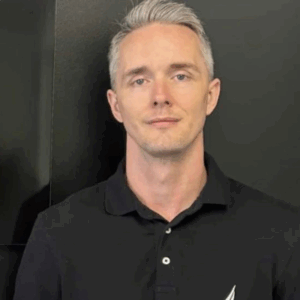
Portrait of Josh Sprung, L.C.S.W.
Clinically Reviewed By
Josh Sprung, L.C.S.W.
Board-Certified Clinical Social Worker
Joshua Sprung serves as a Clinical Reviewer at Lexington Addiction Center, bringing a wealth of expertise to ensure exceptional patient care. Read more.
→ Accreditations & Licenses

The Joint Commission
Awarded The Gold Seal of Approval® for meeting rigorous performance standards in safety, quality, and patient care.
LegitScript Certified
Validates compliance with laws and regulations, confirming transparency and accountability in addiction treatment marketing.
BBB Accredited
Demonstrates ethical business practices, client satisfaction commitment, and a trusted reputation in the community.
Psychology Today Verified
Verified listing on Psychology Today, a trusted directory for addiction treatment providers and behavioral health centers.
HIPAA Compliant
Ensures all patient health information is protected and managed under strict federal privacy and security standards.
NAATP Member
Lexington Addiction Center is a proud member of the National Association of Addiction Treatment Providers (NAATP).
5-Star Google Reviews
Recognized for consistent 5-star ratings, reflecting excellent care and trusted patient experiences at Lexington Addiction Center.
Help.org Recognition
Recognized by Help.org for quality addiction treatment services and community impact.
→ Sources

Kentucky Injury Prevention & Research Center. (2023, July). Kentucky resident drug overdose mortality tables and maps, 2022 (ODCP Annual Fatality Report). https://kiprc.uky.edu/sites/default/files/2023-07/ODCP%20Annual%20Fatality%20Report%202022.pdf KIPRC
(Confirms: 2,135 overdose deaths in 2022; fentanyl involvement >70%.)

Kentucky Office of Drug Control Policy. (2025, Aug.). 2024 Drug Overdose Fatality Report. https://odcp.ky.gov/Reports/2024%20Drug%20Overdose%20Fatality%20Report.pdf Kentucky Office of Drug Control Policy

Kentucky Injury Prevention & Research Center. (2024, Oct 15). Drug Overdose & Related Comorbidity County Profiles Dashboard (Kenton County data). https://kiprc.uky.edu/news/kiprc-launches-updated-drug-overdose-dashboard KIPRC

Substance Abuse and Mental Health Services Administration. (2024). State data tables and reports from the 2022–2023 NSDUH (Kentucky estimates). https://www.samhsa.gov/data/data-we-collect/nsduh-national-survey-drug-use-and-health/state-releases/2022-2023 SAMHSA
(Direct KY tables PDF: https://www.samhsa.gov/data/sites/default/files/reports/rpt56188/2023-nsduh-sae-state-tables_0/2023-nsduh-sae-state-tabs-kentucky.pdf)

American Society of Addiction Medicine. (n.d.). About the ASAM Criteria (levels of care overview). https://www.asam.org/asam-criteria/about-the-asam-criteria

988 Suicide & Crisis Lifeline. (n.d.). Get help. https://988lifeline.org/get-help/

Alcoholics Anonymous World Services. (n.d.). Find A.A. near you. https://www.aa.org/find-aa Alcoholics Anonymous

Narcotics Anonymous World Services. (n.d.). Find NA near you (U.S.). https://na.org/MeetingSearch/ Narcotics Anonymous World Services

SMART Recovery. (n.d.). Meeting locator (U.S./Canada). https://meetings.smartrecovery.org/

Yes, Your Insurance Covers Detox and Rehab Treatment

Complete a free, confidential Verification of Benefits to learn more about what resources may be available to you.

Contact Us Today

Lexington Addiction Center - logo

Addiction and co-occurring disorders don’t have to control your life. Lexington Addiction Center is waiting with open arms to give you the tools necessary for lasting change. Reach out to us today to learn more.