Corbin, Kentucky Drug and Alcohol Rehab Resources

Finding the right help for addiction can feel overwhelming, but it’s never too late to take that first step. If you’re searching for a Corbin, Kentucky, addiction treatment center that offers real solutions, you’re not alone—and you’re in the right place. 

From substance-specific care to mental health support and long-term recovery planning, resources are available to help you or your loved one rebuild.

What Is Addiction?

Addiction is a chronic brain disorder that goes far beyond occasional drug or alcohol use. It affects how a person thinks, feels, and behaves, often leading to compulsive substance use even when it causes harm. 

People struggling with addiction may want to stop but find they can’t do so without help. That’s because addiction alters brain chemistry, particularly in areas that control judgment, reward, motivation, and memory.

Substance use can begin for many reasons—stress relief, curiosity, trauma, or even prescribed medication. 

However, over time, the brain becomes wired to depend on the substance to function properly. This cycle can lead to increased tolerance (needing more to feel the same effect), withdrawal symptoms when trying to stop, and intense cravings that are difficult to resist.

Common Signs of Addiction

  • Using more of a substance than intended
  • Failed attempts to quit or cut back
  • Neglecting responsibilities at work, home, or school
  • Withdrawing from friends or hobbies
  • Continued use despite consequences (health, legal, or financial)

Addiction Is Not a Moral Failing

It’s important to remember that addiction is not a lack of willpower or character. It’s a legitimate medical condition that can—and should—be treated. 

At a Corbin, Kentucky, addiction treatment center, the goal is to address not only the symptoms of addiction but the underlying causes as well. Many people also experience co-occurring mental health challenges like anxiety, depression, or PTSD, which need to be treated alongside the substance use disorder for real healing to happen.

If you or someone you care about is showing signs of addiction, reaching out to a Corbin rehab center is a powerful first step. With the right care and support, recovery is possible—and a healthier future is within reach.

What Addiction Looks Like in Corbin, KY

Addiction doesn’t just affect individuals—it touches families, workplaces, and the entire community. Corbin addiction treatment has become a growing priority due to the rise in both drug and alcohol misuse throughout Whitley County and surrounding areas.

Some of the most commonly misused substances in the region include:

  • Opioids, especially prescription painkillers and synthetic fentanyl
  • Methamphetamine is a major contributor to arrests and hospitalizations
  • Alcohol, which continues to be one of the most frequently cited causes of long-term health and behavioral issues

The impact? It’s far-reaching. 

From a health perspective, addiction often leads to chronic disease, mental health conditions like anxiety and depression, and a higher risk of overdose. 

On a broader scale, Corbin drug rehab centers are seeing increased demand due to rising ER visits, strained healthcare systems, and growing concerns around public safety and family stability.

The earlier someone begins treatment, the better their chances of lasting recovery. Early intervention can mean the difference between a cycle of relapse and a clear, supported path toward healing.

If you or someone you love is struggling, don’t wait. The help you need is available—and it starts with reaching out.

The Ripple Effect on Families and Community Life

Addiction doesn’t happen in a vacuum—it touches everyone around it. 

In Corbin, families often carry the emotional weight of watching a loved one battle substance use. The stress, fear, and sense of helplessness can take a serious toll, especially when support feels out of reach.

The impact extends into the community as well. Hospitals see repeat visits for overdoses, schools stretch to support kids from chaotic home lives, and police are frequently called to handle situations that are rooted in mental health or addiction.

That’s why early access to treatment is so important—not just for the person struggling, but for everyone around them. 

When families are part of the recovery process, healing becomes a shared journey. One person’s recovery can be the start of something better for an entire community.

Community-Led Solutions and Recovery Initiatives

The good news? Corbin isn’t sitting back. 

Across Whitley County, local leaders, organizations, and everyday community members are stepping up with real solutions to support recovery and rebuild lives with dignity.

Corbin rehab options have grown, thanks in part to strong partnerships between law enforcement and healthcare providers. Crisis response teams are now working to get people into treatment instead of jail, recognizing addiction for what it really is: a health issue, not just a legal one.

Some residents are also finding hope through court diversion programs, which offer treatment plans and accountability instead of incarceration. For many, this kind of structure can be the turning point that sets them on a new path.

Faith-based groups and nonprofits are filling in the gaps, too. From hot meals to job prep workshops, these groups focus on the bigger picture—tackling issues like isolation, unemployment, and trauma that often fuel addiction. 

For those starting over, access to safe housing and steady work can make all the difference.

Support Groups and Peer Recovery Networks

For many individuals in recovery, community connection is just as essential as clinical care. 

That’s why drug and alcohol rehab centers near Corbin, KY often encourage participation in peer-led recovery networks like AA, NA, and SMART Recovery. 

These groups offer a safe, judgment-free space where individuals can share their experiences, hold themselves accountable, and find encouragement from others who have firsthand understanding of the journey.

In and around Corbin, recovery meetings are available almost daily, whether you’re just starting out or years into sobriety. Alcoholics Anonymous (AA) and Narcotics Anonymous (NA) both follow the 12-step model, which emphasizes surrender, accountability, and service. 

SMART Recovery, on the other hand, is a non-12-step alternative that uses cognitive-behavioral tools to support self-empowerment and emotional regulation.

Al-Anon provides guidance for those navigating the emotional challenges of having a family member in active addiction. At the same time, Celebrate Recovery offers a Christ-centered approach for individuals and families healing from a variety of life struggles, including substance use.

To find a meeting that fits your schedule or comfort level, consider visiting local rehab centers, checking bulletin boards at churches and community centers, or browsing online directories. Many groups now offer virtual meetings as well—making support more accessible than ever.

Understanding Your Options: Levels of Addiction Treatment Near Corbin, KY

If you’re looking into addiction treatment in Corbin, knowing what types of care are available can make all the difference. Recovery isn’t one-size-fits-all, and the right program depends on your needs, schedule, and stage in the healing process.

Whether you need round-the-clock support or something that fits around your work or school schedule, there’s a treatment option that can meet you where you are. 

Here’s a quick look at the most common care levels offered by addiction treatment centers in Corbin, Kentucky.

Drug and Alcohol Detox

Our drug alcohol detox program gives you something the internet’s home-remedy tips never can: round-the-clock medical supervision from clinicians who’ve guided thousands through the roughest first days of sobriety. 

We tailor evidence-based medications like buprenorphine for opioids or carefully titrated benzodiazepines for severe alcohol withdrawal to your exact physiology, so you stay safe while your body resets. 

Medication assisted treatment.

Partial Hospitalization Program (PHP):

The partial hospitalization program (PHP) is our most structured outpatient option, offering full-day treatment four to five days a week. It’s a great fit for individuals transitioning out of detox or residential care who still require daily support to stay grounded and on track. You’ll have a packed schedule of therapy, groups, and wellness activities—all designed to help you stabilize and build momentum in early recovery.

Red icon for addiction counseling in Lexington.

Intensive Outpatient Program (IOP):

Our intensive outpatient program (IOP) offers strong clinical support without the full-time commitment. You’ll attend therapy several times a week—often in the mornings or evenings—so you can continue working, going to school, or taking care of family. It’s ideal for those who want structure and accountability but are ready for more independence.

Outpatient Program (OP):

The outpatient program is our most flexible level of care, with sessions typically happening once or twice a week. It’s designed for those who’ve already made progress in their recovery but want continued guidance, check-ins, and a safe place to stay connected as life evolves. It’s ongoing support—on your terms.

Virtual Outpatient Services

Virtual outpatient care means you get the same licensed clinicians, evidence-based therapies, and medication support you would in the clinic, but from the comfort of your own home. With a secure video link and a decent internet connection, you can attend group therapy, meet with your counselor, and refill prescriptions without a commute. 

For people living in Kentucky’s far-flung counties, telehealth closes the distance that so often stands between someone and treatment. 

Drug and Alcohol Rehab for Veterans

Our program, built by veterans for veterans, delivers evidence-based care alongside the camaraderie and mission-focused mindset that define effective veterans’ rehab. In short, rehab for veterans in Lexington, KY, must be custom-engineered to heal both battlefield wounds and the habits soldiers use to numb them.

Holistic Therapy

Holistic addiction treatment in Lexington, KY looks past just “fixing the symptoms.” It pairs proven counseling with activities that move your body, quiet your mind, and lift your spirit so you heal on every level, not just one.

Stress Reduction: Mindfulness, yoga, and breathwork help lower cortisol levels, which are crucial for anyone whose cravings spike under pressure.

Relapse Prevention: Exercise, creative outlets, and a balanced diet provide healthy dopamine boosts, making it easier to avoid old habits.

Improved Mood & Cognition: Balanced diets and regular movement enhance sleep quality and sharpen focus, two predictors of recovery success in holistic drug rehabilitation studies.

Physical Healing: Strength training, outdoor recreation, and medical nutrition therapy help repair organ systems that have been taxed by long-term substance use, thereby boosting overall resilience.

Trauma-Informed Therapies

Many individuals use benzos for trauma or anxiety. Trauma Therapy in Lexington, KY, is the foundation of every program we offer at Lexington Addiction Center, incorporating trauma-informed approaches into addiction treatment at every stage of care.  We offer specialized care to address root causes, including:

  • CBT (Cognitive Behavioral Therapy): Helps clients identify and change thought patterns that fuel addiction.
  • DBT (Dialectical Behavior Therapy): Focuses on emotional regulation and managing distress.
  • EMDR (Eye Movement Desensitization and Reprocessing): Especially effective for those with PTSD or trauma histories.
  • Brainspotting: A powerful tool for accessing and processing deep emotional pain.

Medication-Assisted Treatment (MAT)

Medication-assisted treatment (MAT) has become the go-to standard for people who need more than willpower to beat addiction, and our MAT Program in Lexington, KY, puts that gold-standard care right at your doorstep. 

By pairing FDA-approved medications with therapy and recovery coaching, MAT eases withdrawal, curbs cravings, and lowers the risk of overdose, giving clients the breathing room they need to rebuild their lives. 

Family Therapy

Family therapy in Lexington, KY, gives every loved one a seat at the table when addiction threatens to pull households apart. Instead of shouldering recovery alone, individuals gain a built-in support system that understands the science of substance use, the power of communication, and the importance of accountability. 

Our therapists walk alongside your family, helping you air out old resentments, set healthier boundaries, and celebrate every small win—habits that keep recovery steady long after treatment wraps up. 

Life Skills Training and 12-Step Support

Long-term success requires more than just sobriety. 

We provide education and training in key areas like budgeting, job readiness, and healthy living. Clients are also encouraged to engage in peer support programs that reinforce accountability and connection.

Together, these services make Lexington Addiction Center one of the most comprehensive benzodiazepine rehab centers in Kentucky. Our goal is not only to treat benzo addiction—but to equip clients with the tools to thrive well beyond treatment.

Dual Diagnosis Therapy Approach

At Lexington Addiction Center, our Dual Diagnosis Therapy Approach treats both mental health disorders and substance use issues together for lasting recovery. Using evidence-based therapies like CBT, DBT, and trauma-informed care, our team helps clients understand the connection between addiction and mental health. With personalized treatment plans, counseling, and holistic support, we focus on healing the whole person—mind, body, and spirit—to promote long-term wellness and recovery.

Finding the Right Rehab in and Around Corbin

If you’re searching for the right Corbin drug rehab or Corbin addiction rehab program, it’s important to know what to look for. Not every treatment center is the same, and finding one that closely matches your needs can make a major difference in your recovery experience.

Here are a few things to consider:

  • Does the center offer licensed, credentialed staff and therapists?
  • Are the therapies evidence-based (e.g., CBT, DBT, trauma-informed care)?
  • Are family members included in the healing process?
  • Is aftercare support provided to help prevent relapse?

Coverage is another key factor. Many reputable rehab programs accept a range of insurance plans, including Medicaid and most commercial providers. If you’re unsure about your benefits, a treatment admissions team can walk you through the verification process quickly and confidentially.

Getting started is simpler than you might think. Most centers offer:

  • A free phone consultation
  • Insurance verification and help with paperwork
  • A personalized intake and assessment process
  • A clear roadmap for treatment and recovery

Recovery doesn’t happen overnight—but with the right help, it does happen. Your first step is reaching out.

Take the First Step Toward Healing

If you or someone you love is struggling with substance use, know this: you’re not alone, and recovery is possible. 

At a trusted Corbin, Kentucky, addiction treatment center, healing begins with a single step. Whether you’re navigating alcohol use, opioid addiction, or co-occurring mental health challenges, help is available.

The first step doesn’t have to be overwhelming. Reach out for a free consultation to explore your treatment options. 

You deserve dignity, hope, and personalized care, not judgment. With the right support system in place, long-term recovery is within reach.

Frequently Asked Questions

What types of addiction treatment are available near Corbin, KY?
In and around Corbin, Kentucky, addiction treatment centers offer a range of services, including detox referrals, Partial Hospitalization Programs (PHP), Intensive Outpatient Programs (IOP), standard Outpatient (OP) care, and aftercare planning. Some facilities also offer dual diagnosis support for co-occurring mental health conditions.
Can I access Corbin rehab programs if I work full-time or care for a family?
Yes. Many Corbin addiction treatment programs are designed to accommodate your schedule. IOP and OP services offer evening or part-time options so you can keep working or caring for your family while still receiving treatment. These flexible programs provide crucial support without requiring you to put your life on hold.
What’s the difference between PHP, IOP, and OP levels of care?

The main difference is in the intensity and time commitment:

  • PHP (Partial Hospitalization Program): Full-day treatment 5–6 days per week, ideal for those needing structured, daily care while living at home.
  • IOP (Intensive Outpatient Program): 3–5 sessions per week, typically lasting 3 hours each, for individuals transitioning out of PHP or those requiring strong support while maintaining a daily routine.
  • OP (Outpatient Program): 1–2 sessions per week for individuals in the maintenance phase of recovery.

Choosing the right level depends on how severe the addiction is, your home environment, and your mental health needs.

Are there Corbin Addiction Treatment Centers that accept Medicaid?

Yes, some addiction treatment centers near Corbin accept Medicaid and other insurance plans. This makes treatment more affordable for individuals and families who may otherwise face financial barriers. Always check with the admissions team of a Corbin, Kentucky, addiction treatment center to verify your benefits and explore payment plans.

Is mental health support included in addiction treatment?

At many Corbin rehab programs, yes. Because addiction often overlaps with mental health issues like PTSD, anxiety, or depression, integrated treatment—also known as dual diagnosis care—is essential. This treats both the addiction and the underlying emotional struggles, increasing the chances of long-term recovery.

How long does addiction treatment usually last?

It depends on the program and your individual needs. PHP usually lasts 2–4 weeks, IOP can last 6–10 weeks, and OP may extend for several months. Most treatment plans are customized based on progress, goals, and any co-occurring mental health concerns. A Corbin addiction treatment provider can help design a plan that works for your situation.

Can I stay close to home during treatment?

Yes. Many Corbin drug rehab and outpatient centers allow you to stay at home while attending daily or weekly sessions. This is especially helpful for those with strong family support systems. However, if home is a triggering environment, relocating temporarily to a structured sober living setting can be part of the care plan.

What happens after rehab?

After completing PHP, IOP, or OP, many Corbin addiction rehab centers offer aftercare services to keep you connected and supported. This might include ongoing therapy, peer support groups, alumni meetings, and relapse prevention planning. Staying engaged with your recovery community is one of the most effective ways to maintain your progress.

What Sets Lexington Addiction Center Apart:
Premium Amenities & Personalized Care

Lexington Addiction Center facilities.

Comfortable & Welcoming Environment

The facility offers a calm and supportive atmosphere that promotes healing and comfort, with easy parking and discreet entrances providing added convenience and privacy. The setting is intentionally designed to feel warm, safe, and stigma-free, allowing clients to focus fully on their recovery journey.
An open room with a group of individuals in a circle, attentively listening to each other at a Pikeville, Kentucky Drug and Alcohol Rehab Resources session. This setting fosters understanding and growth for participants seeking recovery.

Holistic & Complementary Therapies

The center integrates holistic approaches such as yoga, meditation, and deep breathing into treatment. Trauma-informed therapies like brain spotting and EMDR-style techniques address underlying causes of addiction. Life skills education and 12-Step principles are incorporated to promote long-term stability.
A man seeks Lexington PHP treatment.

Clinician & Medical Owned & Operated

At Lexington Addiction Center, our team includes master-level clinicians and a registered dietician, offering 24/7 medical care and nursing support, weekly individual therapy sessions, and daily consultations with a medical provider to ensure comprehensive recovery.
addiction and divorce

Family Therapy Sessions

Our compassion‑driven family therapy sessions foster healing, empowering loved ones with supportive, holistic evidence‑based counseling to rebuild trust, strengthen lasting bonds, and navigate recovery together in a truly nurturing, understanding environment.
A counselor attentively listening to a client during a one-on-one session, highlighting the personalized care offered by Berea, Kentucky Drug and Alcohol Rehab Resources.

Twice‑Weekly Individual Therapy

Clients engage in two individual therapy sessions per week, fostering consistent emotional support and guidance. Structured approach promotes sustained progress, accountability, and resilience, empowering individuals to navigate recovery with therapeutic care.
An open room with a group of individuals in a circle, attentively listening to each other at a Pikeville, Kentucky Drug and Alcohol Rehab Resources session. This setting fosters understanding and growth for participants seeking recovery.

Small Groups, Big Recovery

We prioritize individualized attention by limiting each session to just twelve clients. This intimate setting fosters tailored support, meaningful connections, and superior clinical care, empowering participants on their journey to recovery.
An open room with a group of individuals in a circle, attentively listening to each other at a Pikeville, Kentucky Drug and Alcohol Rehab Resources session. This setting fosters understanding and growth for participants seeking recovery.

Full Continuum of Care

Lexington Addiction Center offers a full continuum of care, beginning with medically supervised detox to ensure a safe and comfortable withdrawal process. This flexible structure allows individuals to move between levels of care as their recovery needs change, providing continuous support from detox through long-term outpatient treatment.
An open room with a group of individuals in a circle, attentively listening to each other at a Pikeville, Kentucky Drug and Alcohol Rehab Resources session. This setting fosters understanding and growth for participants seeking recovery.

Dual Diagnosis & Mental Health Integration

Lexington Addiction Center provides comprehensive dual diagnosis treatment, addressing co-occurring mental health disorders such as anxiety, depression, PTSD, and OCD alongside substance use issues. This integrated approach focuses on healing both mental health and addiction challenges simultaneously, ensuring that clients receive well-rounded, effective care.

Get Family Support Now


Supporting Families Through Recovery

We understand addiction affects the whole family. Our comprehensive family program helps rebuild trust and restore relationships.

 Weekly Family Therapy Sessions

 Educational Workshops

 Support Groups

 Communication Skills Training

Get Family Support Now

→ Contributors
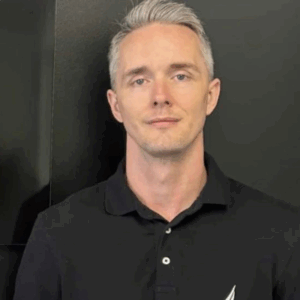
Portrait of Dr. Vahid Osman, Board-Certified Psychiatrist and Addictionologist
Medically Reviewed By
Dr. Vahid Osman, M.D.
Board-Certified Psychiatrist & Addictionologist
Dr. Vahid Osman is a Board-Certified Psychiatrist and Addictionologist with extensive experience treating mental illness, chemical dependency, and developmental disorders. Dr. Osman trained in Psychiatry in France and in Austin, Texas. Read more.
Portrait of Josh Sprung, L.C.S.W.
Clinically Reviewed By
Josh Sprung, L.C.S.W.
Board-Certified Clinical Social Worker
Joshua Sprung serves as a Clinical Reviewer at Louisville Addiction Center, bringing a wealth of expertise to ensure exceptional patient care. Read more.
→ Accreditations & Licenses

The Joint Commission
Awarded The Gold Seal of Approval® for meeting rigorous performance standards in safety, quality, and patient care.
LegitScript Certified
Validates compliance with laws and regulations, confirming transparency and accountability in addiction treatment marketing.
BBB Accredited
Demonstrates ethical business practices, client satisfaction commitment, and a trusted reputation in the community.
Psychology Today Verified
Verified listing on Psychology Today, a trusted directory for addiction treatment providers and behavioral health centers.
HIPAA Compliant
Ensures all patient health information is protected and managed under strict federal privacy and security standards.
NAATP Member
Lexington Addiction Center is a proud member of the National Association of Addiction Treatment Providers (NAATP).
5-Star Google Reviews
Recognized for consistent 5-star ratings, reflecting excellent care and trusted patient experiences at Lexington Addiction Center.
Help.org Recognition
Recognized by Help.org for quality addiction treatment services and community impact.
→ Sources

National Institute on Drug Abuse. (n.d.). Drugs, brains, and behavior: The science of addiction – Drug misuse and addiction. https://nida.nih.gov/publications/drugs-brains-behavior-science-addiction/drug-misuse-addiction

Whitley County Health Department. (n.d.). Community resources. https://whitleyhealth.org/community-resources/

Southeast Area Narcotics Anonymous of Kentucky. (n.d.). https://seanaky.com/

Volkow, N. D., Koob, G. F., & McLellan, A. T. (2016). Neurobiologic advances from the brain disease model of addiction. New England Journal of Medicine, 374(4), 363-371. https://doi.org/10.1056/NEJMra1511480

American Society of Addiction Medicine. (2019). Definition of addiction. https://www.asam.org/quality-care/definition-of-addiction

Centers for Disease Control and Prevention. (2024). Understanding the opioid overdose epidemic. https://www.cdc.gov/opioids/basics/epidemic.html

Rigg, K. K., & Monnat, S. M. (2015). Urban vs. rural differences in prescription opioid misuse among adults in the United States: Informing region specific drug policies and interventions. International Journal of Drug Policy, 26(5), 484-491. https://doi.org/10.1016/j.drugpo.2014.10.001

Keyes, K. M., Cerdá, M., Brady, J. E., Havens, J. R., & Galea, S. (2014). Understanding the rural-urban differences in nonmedical prescription opioid use and abuse in the United States. American Journal of Public Health, 104(2), e52-e59. https://doi.org/10.2105/AJPH.2013.301709

National Institute on Drug Abuse. (2023). Methamphetamine research report. https://nida.nih.gov/publications/research-reports/methamphetamine

Substance Abuse and Mental Health Services Administration. (2021). Key substance use and mental health indicators in the United States: Results from the 2020 National Survey on Drug Use and Health (HHS Publication No. PEP21-07-01-003). https://www.samhsa.gov/data/

National Institute on Alcohol Abuse and Alcoholism. (2023). Alcohol facts and statistics. https://www.niaaa.nih.gov/publications/brochures-and-fact-sheets/alcohol-facts-and-statistics

Grant, B. F., Chou, S. P., Saha, T. D., et al. (2017). Prevalence of 12-month alcohol use, high-risk drinking, and DSM-IV alcohol use disorder in the United States, 2001-2002 to 2012-2013. JAMA Psychiatry, 74(9), 911-923. https://doi.org/10.1001/jamapsychiatry.2017.2161

Substance Abuse and Mental Health Services Administration. (2020). Treatment for co-occurring disorders. SAMHSA Publication No. PEP20-06-04-001. https://store.samhsa.gov/product/treatment-co-occurring-disorders/pep20-06-04-001

Drake, R. E., O’Neal, E. L., & Wallach, M. A. (2008). A systematic review of psychosocial research on psychosocial interventions for people with co-occurring severe mental and substance use disorders. Journal of Substance Abuse Treatment, 34(1), 123-138. https://doi.org/10.1016/j.jsat.2007.01.011

McHugh, R. K., Hearon, B. A., & Otto, M. W. (2010). Cognitive behavioral therapy for substance use disorders. Psychiatric Clinics of North America, 33(3), 511-525. https://doi.org/10.1016/j.psc.2010.04.012

Linehan, M. M., Dimeff, L. A., Reynolds, S. K., et al. (2002). Dialectical behavior therapy versus comprehensive validation therapy plus 12-step for the treatment of opioid dependent women meeting criteria for borderline personality disorder. Drug and Alcohol Dependence, 67(1), 13-26. https://doi.org/10.1016/S0376-8716(02)00011-X

Substance Abuse and Mental Health Services Administration. (2014). SAMHSA’s concept of trauma and guidance for a trauma-informed approach. HHS Publication No. (SMA) 14-4884. https://ncsacw.acf.hhs.gov/userfiles/files/SAMHSA_Trauma.pdf

Najavits, L. M., Weiss, R. D., & Shaw, S. R. (1997). The link between substance abuse and posttraumatic stress disorder in women: A research review. American Journal on Addictions, 6(4), 273-283. https://doi.org/10.3109/10550499709005058

American Society of Addiction Medicine. (2013). ASAM criteria: Treatment criteria for addictive, substance-related, and co-occurring conditions (3rd ed.). https://www.asam.org/quality-care/clinical-guidelines/the-asam-criteria

Substance Abuse and Mental Health Services Administration. (2006). Detoxification and substance abuse treatment. Treatment Improvement Protocol (TIP) Series, No. 45. https://www.ncbi.nlm.nih.gov/books/NBK64115/

National Institute on Drug Abuse. (2020). Principles of drug addiction treatment: A research-based guide (3rd ed.). https://nida.nih.gov/publications/principles-drug-addiction-treatment-research-based-guide-third-edition

Dennis, M. L., Scott, C. K., Funk, R., & Foss, M. A. (2005). The duration and correlates of addiction and treatment careers. Journal of Substance Abuse Treatment, 28(Suppl 1), S51-S62. https://doi.org/10.1016/j.jsat.2004.10.013

Kelly, J. F., Humphreys, K., & Ferri, M. (2020). Alcoholics Anonymous and other 12-step programs for alcohol use disorder. Cochrane Database of Systematic Reviews, 3(3), CD012880. https://doi.org/10.1002/14651858.CD012880.pub2

White, W. L. (2009). Peer-based addiction recovery support: History, theory, practice, and scientific evaluation. Great Lakes Addiction Technology Transfer Center. https://www.naadac.org/assets/2416/peer-based_addiction_recovery_support_-_history_theory_practice_and_scientific_evaluation.pdf

Yes, Your Insurance Covers Detox and Rehab Treatment

Complete a free, confidential Verification of Benefits to learn more about what resources may be available to you.

Contact Us Today

Lexington Addiction Center - logo

Addiction and co-occurring disorders don’t have to control your life. Lexington Addiction Center is waiting with open arms to give you the tools necessary for lasting change. Reach out to us today to learn more.