



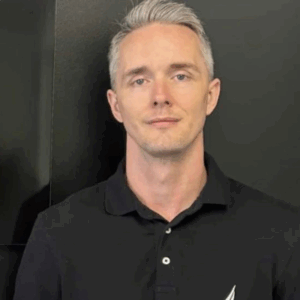
Dr. Vahid Osman is a Board-Certified Psychiatrist and Addictionologist with extensive experience treating mental illness, chemical dependency, and developmental disorders. Dr. Osman trained in Psychiatry in France and in Austin, Texas. Read more.

Lawrenceburg and Anderson County residents can explore addiction treatment at Lexington Addiction Center in Lexington, including PHP, IOP, outpatient care, medication-assisted treatment when appropriate, dual diagnosis services, and coordinated detox referrals when needed. Admissions can help identify an appropriate level of care.

People searching for drug and alcohol rehab near Lawrenceburg, Kentucky often need a practical way to access care while managing family responsibilities, transportation, and work. Lexington Addiction Center serves eligible Anderson County residents from its Lexington location.
Treatment planning considers the substance involved, withdrawal risk, mental health symptoms, prior treatment, and the amount of support needed. Services may include partial hospitalization, intensive outpatient treatment, outpatient counseling, and coordinated referrals for medical detox when necessary.
Alcohol and benzodiazepine withdrawal can be medically dangerous, and some people need monitored detoxification or residential stabilization before starting outpatient treatment. The admissions team can discuss appropriate assessment and referral options; do not attempt to manage severe withdrawal alone.
Treatment options range from structured day programming to flexible outpatient care. Placement depends on clinical assessment, availability, and individual needs.
When withdrawal requires medical supervision, admissions can discuss detox evaluation and coordinated referral options before outpatient treatment. Detox services are not presented as occurring at a Lawrenceburg facility.
Medications for opioid or alcohol use disorder may be included when clinically appropriate, alongside counseling and monitoring.
PHP offers structured daytime programming for people who need substantial clinical support without overnight residential supervision.
IOP provides scheduled group and individual therapeutic support at a lower intensity than PHP, helping some clients balance treatment with daily obligations.
Outpatient care offers continued counseling, relapse-prevention planning, and support as treatment needs change.
Integrated treatment considers substance use and co-occurring conditions such as anxiety, depression, PTSD, and bipolar disorder together.
Learn more about the partial hospitalization program, intensive outpatient program, and outpatient treatment to compare the levels of support.
Integrated care helps clients understand how emotional distress, cravings, sleep disruption, trauma, family conflict, and substance use interact.
Anxiety and chronic stress can intensify cravings and interfere with recovery.
Depression and emotional numbness can interfere with treatment participation and daily routines.
Trauma responses and unresolved emotional pain may contribute to substance use and relapse patterns.
Bipolar symptoms and emotional dysregulation may require coordinated mental health and addiction treatment.
Recovery continues beyond formal treatment. Depending on individual needs, aftercare planning may include outpatient counseling, family support, peer meetings, medication follow-up, and relapse-prevention strategies. Local and online options can help Lawrenceburg residents stay connected.
Community support options include Alcoholics Anonymous, Narcotics Anonymous, SMART Recovery, Al-Anon, and other peer-led groups. Meeting availability and locations should be checked directly with each organization.
Admissions can discuss your needs, explain PHP, IOP, and outpatient options, and help determine whether an assessment or medical detox referral is appropriate. The center is located in Lexington, not Lawrenceburg.
Insurance benefits, network participation, prior authorization, and out-of-pocket costs vary by plan. The admissions team can review benefits, but coverage and final payment responsibility depend on the insurer and policy.
Travel arrangements depend on your starting location, schedule, and level of care. Ask admissions about appointment expectations before planning a commute. For an overdose or medical emergency, call 911.
Eligible Lawrenceburg residents may receive PHP, IOP, outpatient treatment, medication support when appropriate, dual diagnosis care, and aftercare planning at Lexington Addiction Center. Medical detox may require a coordinated referral.
Many insurance plans cover medically necessary addiction treatment and mental health services. Coverage varies by plan, level of care, network status, and authorization requirements.
Yes. Treatment support may include clinical assessment, detox coordination when needed, therapy, relapse prevention, and medication support when clinically appropriate.
Yes. Dual diagnosis treatment addresses substance use and co-occurring mental health conditions together.
Yes. Lexington Addiction Center offers PHP, IOP, outpatient programming, and continued care planning.
Lexington Addiction Center is in Lexington, not Lawrenceburg. Distance and driving time depend on your address, traffic, and route. Admissions can discuss scheduling needs.
MAT may be available when clinically appropriate for opioid or alcohol use disorder.
Clients may step down into standard outpatient treatment, medication management, peer support, family services, or another continuing-care plan.
Contact Lexington Addiction Center so admissions can answer questions, verify insurance, discuss treatment options, and help determine the appropriate level of care.
Speak with Lexington Addiction Center about treatment eligibility, insurance benefits, and the appropriate next step for you or someone you care about.






Steel, M., Mirzaian, M., & Daniels, L. (2024). Kentucky resident drug overdose deaths, 2019–2023: Annual report (Updated May 2024). Kentucky Injury Prevention & Research Center (KIPRC). https://kiprc.uky.edu/sites/default/files/2024-07/2023_2019_od2a_overdosemortalityannualreport.pdf
Kentucky Office of Drug Control Policy. (2025). 2024 Drug Overdose Fatality Report [PDF]. https://odcp.ky.gov/Reports/2024%20Drug%20Overdose%20Fatality%20Report.pdf (Latest statewide data; e.g., 1,410 overdose deaths in 2024; fentanyl present in 62.3%, methamphetamine in 50.8%.) odcp.ky.gov
Centers for Disease Control and Prevention. (2024, June 27). Treatment for opioid use disorder: Population estimates—United States, 2022. MMWR, 73(25). https://www.cdc.gov/mmwr/volumes/73/wr/mm7325a1.htm (MOUD substantially reduces mortality; treatment gap persists.) CDC
National Institute on Drug Abuse. (2025). Medications for opioid use disorder (MOUD). https://nida.nih.gov/research-topics/medications-opioid-use-disorder (Evidence summary on buprenorphine/methadone/ER-naltrexone.) National Institute on Drug Abuse
SAMHSA. (n.d.). FindTreatment.gov — Treatment locator. https://findtreatment.gov/locator (Official U.S. treatment finder for “how to get help” sections.) FindTreatment.gov
Kentucky Injury Prevention & Research Center. (n.d.). FindHelpNowKY.org — Real-time Kentucky treatment availability. https://findhelpnow.org/ky (State’s near–real-time treatment openings.) findhelpnow.org
Bluegrass Intergroup of Alcoholics Anonymous. (n.d.). Lawrenceburg AA Group (First Christian Church, 300 S Main St). https://www.bluegrassintergroup.org/meetings/lawrenceburg-group/ (Local AA meeting info for Lawrenceburg.) bluegrassintergroup.org
Kentucky Court of Justice. (n.d.). Anderson County — Courts & clerk information. https://www.kycourts.gov/Courts/County-Information/Pages/Anderson.aspx (Official justice/court resource.) kycourts.gov
Anderson County Health Department. (n.d.). Home. https://achdonline.org/ (Local public health resource listing services and contacts.) achdonline.org
Kentucky Area Al-Anon. (n.d.). Meeting locations. https://kyal-anon.org/meeting-locations/ (Family & friends support referenced across “get help” sections.) Kentucky Area Al-Anon
Narcotics Anonymous World Services. (n.d.). Find NA. https://na.org/MeetingSearch/ (NA meeting/helpline directories, including virtual options.) Narcotics Anonym

Addiction and co-occurring disorders don’t have to control your life. Lexington Addiction Center is waiting with open arms to give you the tools necessary for lasting change. Reach out to us today to learn more.