Home > Hazard, Kentucky Drug and Alcohol Rehab Resources
Hazard, Kentucky Drug and Alcohol Rehab Resources
Lexington Addiction Center provides structured addiction treatment resources for Hazard and Perry County residents, including medical detox support, PHP, IOP, outpatient care, medication-assisted treatment, dual diagnosis services, family support, and long-term recovery planning.
Drug and Alcohol Rehab Resources for Hazard, Kentucky
When families search for Hazard, Kentucky drug and alcohol rehab resources, they are often looking for care that is clinically reliable, accessible, and realistic for everyday life.
Hazard is a Eastern Kentucky community and the county seat of Perry County, with Hazard University, local employers, surrounding rural communities, and access to regional healthcare and treatment resources. Like communities across Kentucky, Hazard and Perry County have been affected by opioid addiction, alcohol use disorder, fentanyl exposure, methamphetamine use, prescription drug misuse, and co-occurring mental health challenges.
Lexington Addiction Center helps Kentucky residents find structured treatment options that address substance use, mental health symptoms, relapse risk, family stress, and long-term recovery needs.
The Need for Addiction Treatment Near Hazard, KY
Substance use disorders can affect physical health, emotional wellbeing, employment, housing, finances, relationships, and family stability. For many people, addiction also overlaps with anxiety, depression, trauma, PTSD, bipolar disorder, grief, or chronic stress.
Alcohol, opioid, fentanyl, heroin, methamphetamine, cocaine, and prescription drug addiction
Withdrawal symptoms, cravings, and medical stabilization needs
Co-occurring anxiety, depression, trauma, PTSD, and mood disorders
Relapse patterns, isolation, emotional triggers, and family strain
Aftercare planning, local support, and long-term recovery accountability
Programs and Services Available to Hazard Residents
Lexington Addiction Center offers a step-down model of care that can adapt as each client stabilizes and builds recovery momentum.
Medically Coordinated Detox Support
Detox may be needed when alcohol, opioids, benzodiazepines, or other substances create withdrawal risk.
Peer support and community resources can help people stay connected long after formal treatment ends. Hazard residents may benefit from local or nearby recovery meetings, family support groups, sober living referrals, outpatient therapy, psychiatric follow-up, and behavioral health resources.
Helpful recovery supports may include Alcoholics Anonymous, Narcotics Anonymous, SMART Recovery, Celebrate Recovery, Al-Anon, NAMI resources, and sober social connections.
Admissions, Cost, Insurance and Logistics
Admissions begins with a confidential conversation about substance use, mental health symptoms, medical needs, safety concerns, prior treatment history, and recovery goals.
The admissions team can verify insurance benefits, explain treatment options, review possible costs, and help determine the appropriate level of care.
Frequently Asked Questions About Hazard, Kentucky Drug and Alcohol Rehab Resources
What addiction treatment services are available to residents of Hazard, Kentucky?
Hazard residents may access medically coordinated detox support, PHP, IOP, outpatient treatment, medication-assisted treatment when clinically appropriate, dual diagnosis care, family support, and aftercare planning through Lexington Addiction Center.
How do treatment providers tailor care for people from Hazard?
Treatment begins with an assessment of substance use history, mental health symptoms, medical needs, safety concerns, family responsibilities, transportation needs, and recovery goals.
Does insurance cover rehab near Hazard, KY?
Many insurance plans cover medically necessary addiction treatment and mental health services. Coverage varies by plan, level of care, network status, and authorization requirements.
Can Lexington Addiction Center treat opioid or fentanyl addiction for Hazard residents?
Yes. Treatment support may include clinical assessment, detox coordination when needed, therapy, relapse prevention, and medication support when clinically appropriate.
Yes. Dual diagnosis treatment addresses substance use and co-occurring mental health conditions together.
Is outpatient rehab available for Hazard residents?
Yes. Lexington Addiction Center offers PHP, IOP, outpatient programming, and continued care planning.
How far is Lexington Addiction Center from Hazard?
Travel time between Hazard and Lexington varies by starting point, traffic, and route.
Can I continue working or going to school while receiving treatment?
Many clients can continue work, school, or family responsibilities during IOP or outpatient care.
Does Lexington Addiction Center offer medication-assisted treatment for Hazard residents?
MAT may be available when clinically appropriate for opioid or alcohol use disorder.
What happens after PHP or IOP?
Clients may step down into standard outpatient treatment, medication management, peer support, family services, or another continuing-care plan.
Can family members be involved in treatment?
Family therapy or education may be included when clinically appropriate.
How do I get started?
Contact Lexington Addiction Center so admissions can answer questions, verify insurance, discuss treatment options, and help determine the appropriate level of care.
What Sets Lexington Addiction Center Apart: Premium Amenities & Personalized Care
Comfortable & Welcoming Environment
A supportive outpatient setting helps clients focus on treatment while maintaining privacy and dignity.
Location-based pages provide general information about addiction treatment services and regional availability. Services may vary by availability, clinical appropriateness, and admissions eligibility.
In emergencies, including overdose or severe withdrawal crises, call 911 immediately. Insurance coverage must be verified directly.
Start Addiction Treatment Near Hazard, KY
Lexington Addiction Center can verify insurance, answer questions, and help determine the right level of care for you or your loved one.
Dr. Vahid Osman is a Board-Certified Psychiatrist and Addictionologist with extensive experience treating mental illness, chemical dependency, and developmental disorders. Dr. Osman trained in Psychiatry in France and in Austin, Texas. Read more.
Clinically Reviewed By
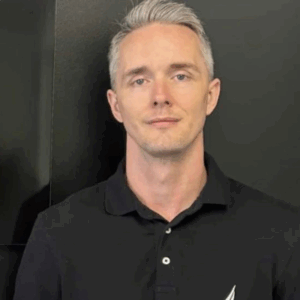
Josh Sprung, L.C.S.W.
Board-Certified Clinical Social Worker
Joshua Sprung serves as a Clinical Reviewer at Lexington Addiction Center, bringing a wealth of expertise to ensure exceptional patient care. Read more.
The Joint Commission Awarded The Gold Seal of Approval® for meeting rigorous performance standards in safety, quality, and patient care.
LegitScript Certified Validates compliance with laws and regulations, confirming transparency and accountability in addiction treatment marketing.
BBB Accredited Demonstrates ethical business practices, client satisfaction commitment, and a trusted reputation in the community.
Psychology Today Verified Verified listing on Psychology Today, a trusted directory for addiction treatment providers and behavioral health centers.
HIPAA Compliant Ensures all patient health information is protected and managed under strict federal privacy and security standards.
NAATP Member Lexington Addiction Center is a proud member of the National Association of Addiction Treatment Providers (NAATP).
5-Star Google Reviews Recognized for consistent 5-star ratings, reflecting excellent care and trusted patient experiences at Lexington Addiction Center.
Help.org Recognition Recognized by Help.org for quality addiction treatment services and community impact.
PubMed Central article referenced as “PMC9772240.” Thompson, K., Barocas, J. A., Delcher, C., Bae, J., Hammerslag, L., Wang, J., Chandler, R., Villani, J., Walsh, S., & Talbert, J. (2022). The prevalence of opioid use disorder in Kentucky’s counties: A two-year multi-sample capture-recapture analysis. Drug and Alcohol Dependence. (PMC9772240). https://europepmc.org/article/MED/36469995Europe PMC
Centers for Disease Control and Prevention. (2024, June 27). Treatment for opioid use disorder: Population estimates—United States, 2022 (MMWR, 73[25]). https://www.cdc.gov/mmwr/volumes/73/wr/mm7325a1.htm (Evidence that MOUD—buprenorphine/methadone/ER-naltrexone—reduces mortality; large treatment gap.) CDC
Yes, Your Insurance Covers Detox and Rehab Treatment
Complete a free, confidential Verification of Benefits to learn more about what resources may be available to you.
Contact Us Today
Addiction and co-occurring disorders don’t have to control your life. Lexington Addiction Center is waiting with open arms to give you the tools necessary for lasting change. Reach out to us today to learn more.