How Substance Use Disorders Affect Marriage

Healing Relationships Through Recovery in Louisville, KY

Addiction rarely affects just one person. When substance use becomes part of a marriage, it often changes how partners communicate, how safe they feel with one another, and how connected they are emotionally. Over time, trust may erode, conflict can increase, and the relationship may begin to feel defined by stress rather than support.

When one partner enters treatment, many couples are left asking an important and deeply personal question: Can our marriage survive after rehab?

At Louisville Addiction Center, we work with individuals and families navigating this uncertainty every day. While recovery doesn’t erase the pain addiction may have caused, it can provide the clarity, stability, and support needed to rebuild relationships — or to make healthier decisions moving forward.

How Substance Use Disorders Affect Marriage

During active addiction, marriages often shift into a cycle of instability. Substance use can interfere with emotional regulation, decision-making, and reliability. The partner who is not using may feel forced into constant worry or responsibility, while the partner struggling with addiction may feel shame, defensiveness, or emotional withdrawal.

Over time, everyday life can become centered around managing crises rather than nurturing connection. Financial stress, broken trust, and unspoken resentment may take root. These patterns are common and reflect the impact of a chronic medical condition — not a lack of love or commitment.

Recognizing addiction as a treatable disease rather than a personal failure is often the first step toward repairing the damage it causes within a relationship.

Rehab as a Foundation for Change

Entering detox or treatment is often the first real moment of stability after a long period of uncertainty. At Louisville Addiction Center, medically supervised detox provides around-the-clock clinical care to help individuals safely withdraw from drugs or alcohol while addressing both physical and emotional needs.

👉 Learn more about our care options:
Addiction Treatment at Louisville Addiction Center

Detox alone doesn’t resolve relationship challenges, but it creates the foundation for recovery to begin. Once substances are no longer driving behavior, individuals are better able to reflect, take responsibility, and engage meaningfully in treatment. For many couples, this marks the first opportunity for honest communication without the influence of addiction.

Can a Marriage Recover After Rehab?

Many marriages do survive rehab, and some become healthier than they were before treatment. Recovery often brings structure, accountability, and emotional growth — all of which can positively affect a relationship.

That said, recovery also changes dynamics. The individual in treatment may need ongoing support, routine, and continued care. Their partner may need time to process past hurt and adjust to a new version of the relationship. These changes can feel unfamiliar or even uncomfortable at first, but they are often necessary for long-term healing.

Couples who seek additional support, such as marriage counseling or family therapy, often find it easier to navigate this transition. Support groups like Al-Anon can also help partners understand addiction, set boundaries, and focus on their own well-being.

Rebuilding Trust Takes Time and Consistency

Trust is one of the most difficult things to restore after addiction. It’s rebuilt through actions, not words. Staying sober, being honest, and showing emotional availability over time helps reestablish a sense of safety.

For spouses, healing doesn’t mean rushing forgiveness or minimizing past pain. It means having space to express emotions openly and learning how to communicate needs clearly. Progress is rarely immediate, and setbacks don’t automatically mean failure — they are often part of the recovery process.

When Separation May Be the Healthiest Path

While many couples grow stronger through recovery, staying together isn’t always the healthiest choice. Relationships involving ongoing abuse, repeated relapse without accountability, or unresolved trauma may require distance in order for both individuals to heal.

Choosing separation in these situations is not a sign of failure. Recovery is about improving quality of life, and sometimes that means redefining relationships in a way that prioritizes safety and long-term well-being.

Support for Individuals and Families at Louisville Addiction Center

At Louisville Addiction Center, treatment focuses on the whole person — physical health, mental well-being, and emotional stability. Our medically supervised detox and personalized treatment planning help individuals begin recovery safely while preparing for continued care.

We recognize that addiction affects families and relationships, not just individuals. When appropriate, we encourage family involvement and emphasize aftercare planning to support long-term sobriety and healthier connections.

If addiction has placed strain on your marriage, you’re not alone. With the right treatment, education, and support, healing is possible — whether that means rebuilding together or moving forward in a healthier direction.

Frequently Asked Questions

Can marriages survive after rehab?
Yes, many marriages do survive after rehab. Success often depends on continued treatment, honest communication, and a willingness from both partners to heal.
Does treatment fix relationship problems?
Treatment addresses addiction, which is often the root cause of relationship strain. Additional therapy or counseling is usually needed to repair trust and communication.
Should couples attend therapy after rehab?
Many couples benefit from counseling or family therapy after rehab. These services help address emotional wounds and establish healthier relationship patterns.
What if my partner relapses after rehab?
Relapse is a risk in recovery, but it doesn’t mean treatment failed. Early intervention, continued care, and support can help prevent long-term setbacks.
Call or message us
You’ll connect with a compassionate admissions coordinator who understands what you’re going through.
Free assessment
We’ll ask about your drug use, medical history, and mental health to help build the right plan.
Insurance check
We’ll verify your benefits and explain exactly what’s covered—no surprises.
Choose a start date
If you’re ready, we can often schedule your intake the same week.
Blog Content Disclaimer – Educational & Informational Use

The content published on Lexington Addiction Center blog pages is intended for general educational and informational purposes related to addiction, substance use disorders, detoxification, rehabilitation, mental health, and recovery support. Blog articles are designed to help readers better understand addiction-related topics and explore treatment concepts, but they are not a substitute for professional medical advice, diagnosis, or individualized treatment planning.

Addiction and co-occurring mental health conditions are complex medical issues that affect individuals differently based on many factors, including substance type, length of use, physical health, mental health history, medications, age, and social environment. Because of this variability, information discussed in blog articles—such as withdrawal symptoms, detox timelines, treatment approaches, medications, relapse risks, or recovery strategies—may not apply to every individual. Reading blog content should not replace consultation with licensed medical or behavioral health professionals.

If you or someone you know is experiencing a medical or mental health emergency, call 911 immediately or go to the nearest emergency room. Emergencies may include suspected overdose, seizures, difficulty breathing, chest pain, severe confusion, hallucinations with unsafe behavior, loss of consciousness, suicidal thoughts, or threats of harm to oneself or others. Lexington Addiction Center blog content is not intended for crisis intervention and should never be used in place of emergency care.

Detoxification from drugs or alcohol can involve serious medical risks, particularly with substances such as alcohol, benzodiazepines, opioids, and certain prescription medications. Withdrawal symptoms can escalate quickly and may become life-threatening without proper medical supervision. Any blog content describing detox, withdrawal, or substance cessation is provided to raise awareness and encourage safer decision-making—not to instruct readers to detox on their own. Attempting self-detox without medical oversight can be dangerous and is strongly discouraged.

Blog articles may discuss various addiction treatment options, including medical detox, residential or inpatient rehab, outpatient programs, therapy modalities, medication-assisted treatment, aftercare planning, and recovery support services. These discussions reflect commonly used, evidence-informed approaches but do not represent guarantees of effectiveness or suitability for every person. Treatment recommendations should always be based on a comprehensive assessment conducted by licensed professionals.

Information related to insurance coverage, treatment costs, or payment options that appears within blog content is provided for general informational purposes only. Insurance benefits vary widely depending on the individual’s plan, carrier, state regulations, and medical necessity criteria. Coverage details may change without notice, and no insurance-related statements on blog pages should be interpreted as a promise of coverage or payment. Lexington Addiction Center encourages readers to contact our admissions team directly to verify insurance benefits and eligibility before making treatment decisions.

Some blog posts may reference third-party studies, external organizations, medications, community resources, or harm-reduction concepts. These references are provided for educational context only and do not constitute endorsements. Lexington Addiction Center does not control third-party content and is not responsible for the accuracy, availability, or practices of external websites or organizations.

Blog content may also include general advice for families or loved ones supporting someone with addiction. While these discussions aim to be supportive and informative, every situation is unique. If there is an immediate safety concern—such as violence, overdose risk, child endangerment, or medical instability—emergency services or qualified professionals should be contacted right away rather than relying on online information.

Use of Lexington Addiction Center blog pages does not establish a provider–patient relationship. Submitting comments, contacting the center through a blog page, or reading articles does not guarantee admission to treatment or access to services. Recovery outcomes vary, and no specific results are promised or implied.

If you are struggling with substance use, withdrawal symptoms, or questions about treatment, we encourage you to seek guidance from licensed healthcare providers. For personalized information about treatment options or insurance verification, you may contact Lexington Addiction Center directly. For emergencies, call 911 immediately.

→ Contributors
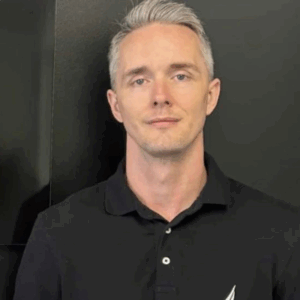
Portrait of Dr. Vahid Osman, Board-Certified Psychiatrist and Addictionologist
Medically Reviewed By
Dr. Vahid Osman, M.D.
Board-Certified Psychiatrist & Addictionologist
Dr. Vahid Osman is a Board-Certified Psychiatrist and Addictionologist with extensive experience treating mental illness, chemical dependency, and developmental disorders. Dr. Osman trained in Psychiatry in France and in Austin, Texas. Read more.
Portrait of Josh Sprung, L.C.S.W.
Clinically Reviewed By
Josh Sprung, L.C.S.W.
Board-Certified Clinical Social Worker
Joshua Sprung serves as a Clinical Reviewer at Louisville Addiction Center, bringing a wealth of expertise to ensure exceptional patient care. Read more.
→ Accreditations & Licenses

The Joint Commission
Awarded The Gold Seal of Approval® for meeting rigorous performance standards in safety, quality, and patient care.
LegitScript Certified
Validates compliance with laws and regulations, confirming transparency and accountability in addiction treatment marketing.
BBB Accredited
Demonstrates ethical business practices, client satisfaction commitment, and a trusted reputation in the community.
Psychology Today Verified
Verified listing on Psychology Today, a trusted directory for addiction treatment providers and behavioral health centers.
HIPAA Compliant
Ensures all patient health information is protected and managed under strict federal privacy and security standards.
NAATP Member
Lexington Addiction Center is a proud member of the National Association of Addiction Treatment Providers (NAATP).
5-Star Google Reviews
Recognized for consistent 5-star ratings, reflecting excellent care and trusted patient experiences at Lexington Addiction Center.
Help.org Recognition
Recognized by Help.org for quality addiction treatment services and community impact.
→ Meet Our Team

At Lexington Addiction Center, we believe that recovery is a journey, not a destination. That’s why we offer a comprehensive continuum of care, delivered by a team of experienced and compassionate professionals. Our team is made up of licensed therapists, counselors, nurses, and other professionals who are passionate about helping people achieve lasting sobriety. Whether you are just starting your recovery journey or you are a seasoned veteran, we are here to support you every step of the way. We believe in you, and we are committed to helping you achieve your recovery goals.

→ Tour Our Rehab Center

Explore Lexington Addiction Center’s drug & alcohol detox rehab treatment center in Lexington, KY and step into private therapy offices, spacious group rooms, and tranquil lounges where thoughtful design supports every stage of substance-use recovery.

Yes, Your Insurance Covers Detox and Rehab Treatment

Complete a free, confidential Verification of Benefits to learn more about what resources may be available to you.

Contact Us Today

Lexington Addiction Center - logo

Addiction and co-occurring disorders don’t have to control your life. Lexington Addiction Center is waiting with open arms to give you the tools necessary for lasting change. Reach out to us today to learn more.