Dual Diagnosis Treatment In Lexington, KY

Table of contents

If you or someone you love is struggling with both addiction and mental health challenges, you’re not alone—and more importantly, you’re not beyond help. At Lexington Addiction Center, we provide dual diagnosis treatment in Lexington, Kentucky, designed to treat substance use disorders and co-occurring mental health conditions together, not separately.

For many individuals, addiction is only part of the story. Beneath substance use, there is often depression, anxiety, trauma, or another mental health condition that continues to drive behavior long after detox ends. When those underlying issues go untreated, relapse becomes far more likely. That’s why our program is built on a simple but essential principle: lasting recovery requires treating the whole person.

Our integrated approach combines medical support, psychiatric care, and evidence-based therapy into one coordinated treatment experience—helping clients stabilize, heal, and rebuild their lives with a stronger foundation.

What Is Dual Diagnosis?

Dual diagnosis—also referred to as co-occurring disorders—describes a condition in which someone is experiencing both a mental health disorder and a substance use disorder at the same time. These conditions are deeply interconnected, often reinforcing one another in ways that make recovery more complex without specialized care.

In many cases, individuals begin using drugs or alcohol as a way to cope with emotional pain. Over time, substance use can intensify symptoms of depression, anxiety, or trauma, creating a cycle that becomes increasingly difficult to break without professional intervention.

It is common to see patterns such as alcohol use paired with depression, opioid addiction alongside anxiety, or stimulant use linked to bipolar disorder. Trauma-related conditions, including PTSD, are also frequently connected to substance use, especially when individuals are attempting to manage overwhelming stress or intrusive memories.

Because these conditions influence each other, they must be treated together. Addressing only one side of the issue often leads to incomplete recovery.

Why Integrated Dual Diagnosis Treatment Matters

Traditional treatment models often separate addiction care from mental health care. While this approach may address surface-level symptoms, it often fails to resolve the underlying drivers of substance use.

When mental health symptoms remain untreated, they can quickly trigger cravings, emotional instability, and relapse. This is why integrated treatment is considered the gold standard for co-occurring disorders.

At Lexington Addiction Center, dual diagnosis treatment is fully integrated from the beginning. Clients receive care from a coordinated clinical team that understands the relationship between addiction and mental health. Treatment plans are carefully developed to address both conditions at the same time, leading to greater stability during treatment and more sustainable recovery after discharge.

Common Examples:

  • Alcohol addiction and depression
  • Opioid addiction and anxiety
  • Methamphetamine use and bipolar disorder
  • PTSD and substance abuse

More than 50% of individuals with addiction also have a mental health disorder, making specialized treatment essential.

Understanding the Causes of Dual Diagnosis

Dual diagnosis develops through a combination of biological, psychological, and environmental factors. Genetics can increase vulnerability, especially for individuals with a family history of addiction or mental illness. Brain chemistry also plays a role, as imbalances in neurotransmitters can affect mood, behavior, and impulse control.

Environmental influences such as trauma, chronic stress, or early exposure to substance use can further increase risk. Over time, many individuals turn to drugs or alcohol as a way to cope with unresolved emotional pain, which ultimately reinforces both the addiction and the mental health condition.

Understanding these underlying causes allows for more effective treatment—one that goes beyond symptoms and addresses the root of the problem.

Recognizing the Signs of Co-Occurring Disorders

Dual diagnosis can be difficult to identify because symptoms often overlap. However, certain patterns may indicate the need for specialized care. Many individuals find themselves relying on substances to manage anxiety, depression, or trauma-related symptoms. Others experience intense mood swings, difficulty maintaining relationships, or repeated relapses after previous treatment attempts.

In some cases, attempts to stop using substances may actually intensify mental health symptoms, making it even harder to maintain sobriety without professional support. When both conditions are present, a higher level of care is often necessary to stabilize and treat them effectively.

Conditions We Treat at Lexington Addiction Center

At Lexington Addiction Center, we work with individuals facing a wide range of co-occurring mental health conditions. Depression and anxiety are among the most common, but many clients also struggle with trauma-related disorders such as PTSD, as well as bipolar disorder, ADHD, and personality disorders.

Each condition presents unique challenges when combined with substance use. Our clinical team is experienced in identifying and treating these complexities, ensuring that care is both comprehensive and personalized.

  • Major Depressive Disorder – persistent low mood, loss of interest, sleep or appetite changes lasting two weeks or more.
  • Anxiety Disorders – generalized anxiety, panic attacks, social anxiety, or phobias that trigger avoidance and self-medication.
  • Post-Traumatic Stress Disorder (PTSD) – intrusive memories, nightmares, hypervigilance, and emotional numbing following trauma.
  • Bipolar Disorder – cycling periods of depression and elevated or irritable mood (mania or hypomania) that spur impulsive substance use.
  • Attention-Deficit/Hyperactivity Disorder (ADHD) – chronic inattention, restlessness, or impulsivity that some clients try to “calm” with alcohol, cannabis, or sedatives.
  • Personality Disorders – patterns such as borderline or antisocial traits that complicate relationships and heighten relapse risk.

By diagnosing these conditions alongside addiction, our team can match the right medications, trauma therapies, and coping-skill modules so both illnesses improve in tandem.

Our Approach to Dual Diagnosis Treatment in Lexington

Treatment begins with stabilization, which may include medically supervised detox depending on the individual’s needs. Once stabilized, each client undergoes a comprehensive psychiatric evaluation that helps guide the development of a personalized treatment plan.

Therapy plays a central role in recovery. Clients participate in a structured combination of individual therapy, group therapy, and family therapy, allowing them to address personal challenges while also building connection and support. Evidence-based approaches such as cognitive behavioral therapy (CBT) and dialectical behavior therapy (DBT) are used to help individuals better understand their thought patterns, regulate emotions, and develop healthier coping strategies.

At the same time, psychiatric care and medication management are available when appropriate, ensuring that mental health symptoms are treated alongside addiction. This level of coordination allows for more consistent progress and reduces the likelihood of relapse.

In addition to clinical care, we incorporate holistic elements that support overall well-being. Nutrition, mindfulness, and stress management are integrated into treatment to help restore balance physically, emotionally, and mentally.

Which Levels of Care Do Your Dual Diagnosis Treatment Programs Include?

Lexington Addiction Center delivers tiered dual diagnosis treatment that rivals what many inpatient dual diagnosis treatment facilities provide, yet lets you sleep in your own bed or sober-living home:

By offering this step-down continuum within a single dual diagnosis facility, we match support to your changing needs, providing intensive care when symptoms flare and lighter support when independence returns, so recovery feels achievable, sustainable, and fully integrated.

Anxiety Treatment in Lexington, KY

Bipolar Treatment In Lexington, KY

Trauma Therapy In Lexington, KY

Obsessive-compulsive disorder (OCD) Treatment in Lexington, KY

Depression Treatment In Lexington, KY

PTSD Treatment in Lexington, KY

    Which Therapies Make Dual Diagnosis Rehab Effective?

    Integrated dual diagnosis treatment works because it layers proven mental health therapies on top of evidence-based addiction care. 

    We start with Cognitive Behavioral Therapy (CBT) to reframe thoughts that spark both cravings and catastrophic thinking. Dialectical Behavior Therapy (DBT) follows, teaching emotion-regulation and distress-tolerance skills that stop relapse before it starts. 

    Trauma often hides beneath substance use, so we offer EMDR and brain spotting—rapid eye-movement and focal-gaze methods that process stuck memories without lengthy retelling. For clients whose PTSD or severe anxiety blocks progress, trauma-focused CBT blends exposure work with coping tools in a carefully paced format. 

    Motivation matters, too; Motivational Interviewing strengthens personal reasons for change, while Contingency Management provides immediate, tangible rewards for maintaining clean drug screens and attending therapy sessions. 

    Finally, whole-person healing rounds out care: yoga for nervous-system reset, nutrition coaching to balance blood sugar and mood, and mindfulness sessions that train attention away from rumination. This multimodal mix, delivered within a single, coordinated dual diagnosis facility, gives the brain, body, and behavior equal footing to recover together.

    12-Step Addiction Recovery In Lexington, KY

    Medication-Assisted Treatment in Lexington, KY

    Family Therapy In Lexington, KY

    Holistic Therapy In Lexington, KY

    Trauma Therapy In Lexington, KY

      How Does Medication Management Work for Co-Occurring Disorders?

      Pharmacology is a cornerstone of outpatient and inpatient dual diagnosis treatment facilities alike, but only when medications coordinate seamlessly with therapy. 

      Our psychiatric team begins by confirming or updating diagnoses, then selecting evidence-based agents: SSRIs or SNRIs to lift depression and quiet anxiety, mood stabilizers (lithium, lamotrigine) for bipolar swings, or non-addictive sleep aids like trazodone to reset circadian rhythms without new dependency risks. 

      For substance use itself, we integrate Medication-Assisted Treatment (MAT), buprenorphine or naltrexone for opioid dependence, acamprosate or extended-release naltrexone for alcohol cravings, always alongside counseling, never in isolation. 

      Doses are reviewed in daily PHP rounds and weekly IOP check-ins, with lab work monitoring liver function, thyroid panels, or medication levels as needed. 

      Crucially, therapists and prescribers meet every Friday to align pharmacological goals with session themes, ensuring side effects, breakthrough symptoms, or emerging trauma work informs rapid adjustments. 

      This tight feedback loop lets medication support therapy, yet not replace it, so both mental-health stability and sobriety strengthen in sync.

      What’s the Role of Family & Peer Support in Dual Diagnosis Recovery?

      No one heals in a vacuum, especially when mental health and substance issues overlap. That’s why our dual diagnosis treatment model involves loved ones and peers from the start. 

      Weekly family-therapy sessions untangle miscommunication, set healthy boundaries, and teach relapse-warning signs so home becomes a relapse-prevention zone, not a trigger minefield. 

      Psycho-education workshops dive into topics like trauma’s impact on the brain or how medications work, giving relatives practical ways to encourage adherence and self-care. 

      On the peer side, clients join small, clinician-led groups that meet throughout PHP and IOP, then roll into an alumni network that hosts game nights, volunteer outings, and a private chat forum. Research shows that people who engage in both family and peer support are twice as likely to maintain sobriety and psychiatric stability a year post-treatment. 

      By weaving these human safety nets around each client, our program ensures that progress made inside the center is reinforced every evening at home and every weekend in the Lexington recovery community.

      How Long Does Outpatient Dual Diagnosis Treatment Usually Last, and Why Can It Vary?

      Integrated recovery isn’t a sprint; most people progress through 60-, 90-, or 120-day journeys that adapt to the intensity of symptoms and real-world responsibilities.

      Phase one—PHP—typically runs four to six weeks of six-to-eight-hour days, giving daily psychiatric oversight time to fine-tune meds and stabilize mood. 

      Step two—IOP—lasts another four to eight weeks, tapering to three- or four-hour blocks so clients can resume work or classes while still attending trauma groups and weekly one-on-ones. 

      Finally, OP provides a glide path of one or two clinical hours per week for as long as clients—and their therapists—feel extra accountability adds value. 

      Factors that extend timelines include complex medication adjustments, unresolved trauma surfacing mid-treatment, or limited support at home. 

      Conversely, strong family involvement and a quick symptom response may shorten the need for higher-level care. Because our ladder is outpatient, each phase adapts around school pickups, job shifts, or caregiving duties, delivering hospital-grade therapy without the life-pausing confines of inpatient dual diagnosis treatment facilities.

      Will Insurance Cover My Stay at a Dual Diagnosis Rehab Center in Kentucky?

      Most major insurers, including Anthem Blue Cross Blue Shield, Aetna, Cigna, Humana, UnitedHealthcare, and Kentucky Medicaid, recognize that integrated care at reputable dual diagnosis centers is medically necessary. 

      Because our program is outpatient, costs are often lower than those at dual diagnosis inpatient treatment facilities; yet, benefits typically apply in the same way. 

      One quick phone call allows our admissions team to run a rapid, no-obligation verification, so you’ll know deductibles, co-pays, and any out-of-pocket maximums within an hour. If your policy leaves a gap, we offer sliding-scale fees and interest-free financing so cost never blocks treatment. 

      Curious how your coverage stacks up?

      We’ll handle the paperwork while you focus on getting well.

      How Does Outpatient Dual Diagnosis Care Compare With Inpatient Programs?

      Many people assume that only a residential setting can handle the complexity of co-occurring disorders. Yet, modern outpatient models now deliver hospital-grade services without the price tag or life disruption of long-term stays. 

      At Lexington Addiction Center, our PHP–IOP–OP continuum offers daily psychiatry, lab monitoring, and trauma-informed groups that mirror what you’d find at top-tier dual diagnosis inpatient treatment facilities. 

      However, you still go home each night to practice new coping skills in the very environment that once triggered relapse. 

      Research indicates that outpatient programs, which provide at least nine clinical hours per week and integrate medication management, yield outcomes that closely match those of residential care, especially for clients who have stable housing, reliable transportation, and at least one supportive friend or family member. 

      The advantages are clear: you maintain employment, stay engaged with loved ones, and begin rebuilding routine in real time, instead of relearning life skills only after discharge. Because insurance carriers often classify high-intensity PHP as “inpatient equivalent,” they usually reimburse at rates similar to inpatient care while you save on room-and-board fees. 

      If unforeseen complications arise, severe withdrawal, emergent suicidality, or uncontrolled mania, we collaborate with local hospitals for a short stabilization stay and then reintegrate you back into outpatient work, ensuring continuity rather than starting over in a new system. 

      In short, our outpatient dual diagnosis facility delivers the structure of inpatient treatment with the flexibility and real-world exposure crucial for lasting recovery.

      How Does Trauma-Informed Relapse Prevention Work for Dual Diagnosis Clients?

      Relapse prevention is more than a list of “don’t do this” rules; it’s a trauma-sensitive blueprint that rewires the body’s threat response. 

      Many clients enter treatment carrying unresolved childhood neglect, combat memories, or intimate-partner violence experiences that prime the brain’s amygdala to fire at the slightest hint of danger or shame. 

      Traditional relapse-prevention plans often fail because they overlook this hyper-arousal; simply telling someone to attend meetings or call a sponsor doesn’t address the flashbacks that precede substance cravings. Our program adds a three-tier trauma lens:

      1. Body awareness. Clinicians teach interoceptive skills, such as sensing muscle tension, heart rate, or shallow breathing, so clients can notice the earliest signs of dysregulation before cravings take hold. Yoga classes and guided breathwork retrain the vagus nerve, lowering baseline anxiety and making “fight-or-flight” less reactive.
      2. Memory reconsolidation. Through EMDR and brain-spotting, traumatic memories are re-filed in the brain with ordinary emotional weight, reducing the sudden cortisol spikes that often send clients racing to pills or alcohol.
      3. Trigger mapping. Using CBT worksheets and Motivational Interviewing, we identify environmental cues like certain songs, dates, or even smells that link trauma to urges. Clients rehearse alternative responses (such as calling a peer coach, using a cold-water dive, or deploying a grounding exercise) until new neural pathways feel automatic.

      When trauma activation is recognized as the first domino, clients no longer interpret cravings as moral failure but as a biological alarm that can be skillfully deactivated. 

      Integrated care is only a conversation away. Dual diagnosis treatment in Lexington, KY, at Lexington Addiction Center blends top-tier psychiatric care with proven addiction therapy so both mind and body heal together. 

      What Support Systems Help Me Stay Well After Dual Diagnosis Rehabilitation?

      Recovery deepens when you’re surrounded by community. Graduates join our alumni program, which includes monthly game nights, volunteer days, and private chat forums that maintain high accountability. 

      Certified peer-recovery coaches stay in touch by phone or text during your first year out, offering real-time help when cravings or mood dips strike. 

      We’ll also connect you to the wider Lexington recovery community, including daily dual-focus 12-Step meetings (AA/NA with mental-health tracks) and twice-weekly SMART Recovery groups that blend cognitive tools with peer support. 

      These overlapping circles ensure you’re never more than a meeting, mentor, or friendly check-in away from the encouragement you need to stay balanced and substance-free.

      Ready to Begin Dual, Whole-Person Healing?

      Integrated care is closer than you think. Dual diagnosis treatment in Lexington, KY, at Lexington Addiction Center blends top-tier psychiatric support with evidence-based addiction therapy without forcing you to put life on hold. 

      Call 859-636-0779 now or submit the short form below for a same-day assessment and a step-by-step plan that rebuilds both mind and body. Your future starts with one brave call. Make it today.

      How Do I Get Started?

      Lexington Addiction Center

      If you’re addicted to heroin, the first step toward recovery can often feel like the hardest one, but it doesn’t have to be. At Lexington Addiction Center, we’ve made the process simple, supportive, and judgment-free. Whether you’re ready to quit or just starting to think about it, we’ll meet you where you are.

      What Sets Lexington Addiction Center Apart

      Lexington Addiction Center facilities.

      Comfortable & Welcoming Environment

      The facility offers a calm and supportive atmosphere that promotes healing and comfort, with easy parking and discreet entrances providing added convenience and privacy. The setting is intentionally designed to feel warm, safe, and stigma-free, allowing clients to focus fully on their recovery journey.
      An open room with a group of individuals in a circle, attentively listening to each other at a Pikeville, Kentucky Drug and Alcohol Rehab Resources session. This setting fosters understanding and growth for participants seeking recovery.

      Holistic & Complementary Therapies

      The center integrates holistic approaches such as yoga, meditation, and deep breathing into treatment. Trauma-informed therapies like brain spotting and EMDR-style techniques address underlying causes of addiction. Life skills education and 12-Step principles are incorporated to promote long-term stability.
      A man seeks Lexington PHP treatment.

      Clinician & Medical Owned & Operated

      At Lexington Addiction Center, our team includes master-level clinicians and a registered dietician, offering 24/7 medical care and nursing support, weekly individual therapy sessions, and daily consultations with a medical provider to ensure comprehensive recovery.
      addiction and divorce

      Family Therapy Sessions

      Our compassion‑driven family therapy sessions foster healing, empowering loved ones with supportive, holistic evidence‑based counseling to rebuild trust, strengthen lasting bonds, and navigate recovery together in a truly nurturing, understanding environment.
      A counselor attentively listening to a client during a one-on-one session, highlighting the personalized care offered by Berea, Kentucky Drug and Alcohol Rehab Resources.

      Twice‑Weekly Individual Therapy

      Clients engage in two individual therapy sessions per week, fostering consistent emotional support and guidance. Structured approach promotes sustained progress, accountability, and resilience, empowering individuals to navigate recovery with therapeutic care.
      An open room with a group of individuals in a circle, attentively listening to each other at a Pikeville, Kentucky Drug and Alcohol Rehab Resources session. This setting fosters understanding and growth for participants seeking recovery.

      Small Groups, Big Recovery

      We prioritize individualized attention by limiting each session to just twelve clients. This intimate setting fosters tailored support, meaningful connections, and superior clinical care, empowering participants on their journey to recovery.
      An open room with a group of individuals in a circle, attentively listening to each other at a Pikeville, Kentucky Drug and Alcohol Rehab Resources session. This setting fosters understanding and growth for participants seeking recovery.

      Full Continuum of Care

      Lexington Addiction Center offers a full continuum of care, beginning with medically supervised detox to ensure a safe and comfortable withdrawal process. This flexible structure allows individuals to move between levels of care as their recovery needs change, providing continuous support from detox through long-term outpatient treatment.
      An open room with a group of individuals in a circle, attentively listening to each other at a Pikeville, Kentucky Drug and Alcohol Rehab Resources session. This setting fosters understanding and growth for participants seeking recovery.

      Dual Diagnosis & Mental Health Integration

      Lexington Addiction Center provides comprehensive dual diagnosis treatment, addressing co-occurring mental health disorders such as anxiety, depression, PTSD, and OCD alongside substance use issues. This integrated approach focuses on healing both mental health and addiction challenges simultaneously, ensuring that clients receive well-rounded, effective care.

        Call or message us

        You’ll connect with a compassionate admissions coordinator who understands what you’re going through.

        Free assessment

        We’ll ask about your drug use, medical history, and mental health to help build the right plan.

        Insurance check

        We’ll verify your benefits and explain exactly what’s covered—no surprises.

        Choose a start date

        If you’re ready, we can often schedule your intake the same week.

        Start Your Recovery with Our Dual Diagnosis Treatment in Lexington, KY

        Choosing the right treatment center is crucial for anyone looking to overcome the intertwined challenges of mental health disorders and substance dependencies. At our dual diagnosis treatment in Lexington, KY we’re committed to providing a path to recovery that’s both comprehensive and personalized. Our expert team is ready to support you every step of the way from initial assessment to tailored therapy and beyond.

        Trust our dual diagnosis treatment centers in Kentucky to help navigate your journey toward healing and wellness. Reach out today and together, let’s take the first step towards helping you.


        Frequently Asked Questions about our Dual Diagnosis Treatment

        What Does “Dual Diagnosis” Mean, and Why Is It So Common?

        Dual diagnosis refers to having both a mental health disorder (like anxiety, depression, PTSD, or bipolar disorder) and a substance use disorder at the same time. These co-occurring conditions frequently interact—emotional pain often drives substance use, and drug use worsens psychiatric symptoms. Nearly 50% of people with addiction also meet the criteria for at least one mental health condition, making integrated dual diagnosis treatment the gold standard for long-term recovery.

        How Do Anxiety, Depression, or PTSD Fuel Substance Misuse—and Vice Versa?

        Mental health conditions often lead people to self-medicate with drugs or alcohol for short-term relief. Over time, this coping strategy rewires the brain and increases dependence. In turn, substance use depletes brain chemicals like serotonin and dopamine, worsening mood, anxiety, and trauma symptoms. Breaking the cycle requires simultaneous treatment of both the mental health and substance use issues.

        Which Mental Health Conditions Do You Treat in Dual Diagnosis Rehab?

        We specialize in treating:

        • Depression and anxiety disorders
        • Post-Traumatic Stress Disorder (PTSD)
        • Bipolar disorder
        • ADHD
        • Personality disorders (e.g., borderline, antisocial)

        Our psychiatric and therapy teams work together to deliver personalized care that targets both diagnoses concurrently.

        What Happens on My First Day of Dual Diagnosis Treatment?

        Your intake includes a two-part assessment—one with a licensed therapist and another with a psychiatric nurse practitioner. We’ll evaluate your mental health and substance use, take vitals, review medications, and draft a personalized safety plan. If medical concerns arise, we’ll coordinate same-day clearance. You’ll leave with a printed schedule, care team contacts, and a clear path forward.

        What Levels of Care Do You Offer for Dual Diagnosis Treatment?

        We provide a step-down outpatient continuum:

        • PHP (6–8 hours/day, 5 days/week): Daily psychiatry, trauma groups, and individual therapy
        • IOP (3–5 days/week, 3–4 hours/day): Focused group and individual therapy with flexible scheduling
        • OP (1–2 hours/week): Ongoing support through relapse prevention, counseling, and alumni programming
        Which Therapies Are Used in Dual Diagnosis Rehab?

        Our evidence-based model includes:

        • CBT, DBT, and trauma-informed therapies (EMDR, brainspotting)
        • Motivational Interviewing and Contingency Management
        • Medication-Assisted Treatment (MAT)
        • Holistic services: yoga, meditation, nutrition counseling
          Together, these support brain, emotional, and behavioral healing.
        How Does Medication Management Work?

        Our psychiatry team prescribes evidence-based medications for depression, anxiety, PTSD, and bipolar disorder, along with MAT options for substance use. We monitor progress during PHP and IOP, with therapists and prescribers collaborating weekly to ensure treatment remains coordinated and effective.

        How Important Are Family and Peer Supports in Dual Diagnosis Recovery?

        Crucial. We offer weekly family therapy and psychoeducation to support boundary-setting and reduce conflict. Peer recovery groups and alumni activities provide connection, accountability, and mentorship. Clients engaged in both tend to sustain sobriety and emotional stability longer.

        How Long Does Outpatient Dual Diagnosis Treatment Usually Last?

        Most clients complete 60–120 days, progressing through PHP, IOP, and OP. Factors like medication changes, trauma history, and home support impact duration. Outpatient care allows you to heal without putting work, family, or school on pause.

        Will Insurance Cover Dual Diagnosis Rehab?

        Yes. We’re in-network with Anthem, Aetna, Cigna, Humana, UnitedHealthcare, and Kentucky Medicaid. Our admissions team can verify coverage in under an hour and offer sliding-scale fees or financing if needed.

        How Does Outpatient Dual Diagnosis Care Compare to Inpatient?

        Our outpatient model mirrors the intensity of inpatient care—with daily psychiatry, lab monitoring, and trauma therapy—while letting you live at home. It’s ideal for those with stable housing and a support system, and is often covered at similar rates as inpatient.

        How Does Trauma-Informed Relapse Prevention Work?

        We go beyond standard relapse prevention by teaching:

        • Body awareness and nervous system regulation

        • Trauma reprocessing with EMDR and brainspotting

        • Trigger mapping and alternative response training
          This approach helps rewire the body’s threat system and reduce cravings linked to trauma.

        What Support Helps Me Stay Well After Dual Diagnosis Treatment?

        Our alumni program offers monthly events, peer recovery coaching, and access to dual-focus 12-Step and SMART Recovery groups. These community layers help reinforce progress and provide real-time support after formal treatment ends.

        How Do I Start Dual Diagnosis Treatment Near Me Today?

        It’s simple:

        1. Call 859-636-0779 or submit a secure online form

        2. Complete a same-day tele-assessment

        3. Begin PHP—often the next morning

        Integrated care starts with one call. We’ll walk with you from day one through full recovery.

        Dual Diagnosis Treatment in Lexington, KY

        When addiction and mental health disorders occur together, recovery requires more than detox alone. Dual diagnosis treatment addresses both substance use and underlying psychiatric conditions at the same time — because treating one without the other significantly increases relapse risk. At Lexington Addiction Center, we provide integrated dual diagnosis treatment in Lexington, Kentucky designed for long-term stability.

        Many individuals struggling with addiction also experience depression, anxiety, PTSD, bipolar disorder, or other mood disorders. Substance use often begins as a way to cope with emotional pain, but it ultimately intensifies symptoms and creates a destructive cycle. Our multidisciplinary team provides psychiatric evaluation, medication management when appropriate, trauma-informed therapy, and structured relapse prevention planning within a safe, supportive environment.

        You do not have to choose between mental health treatment and addiction recovery — both can be treated together.

        If you or a loved one is struggling with co-occurring disorders in Lexington or surrounding communities, professional help is available now.

        Call Lexington Addiction Center today for confidential admissions support and immediate insurance verification. Integrated recovery starts with one step.


        Disclaimer – Mental Health Services

        The information provided by Lexington Addiction Center is intended for general educational and informational purposes only and is not a substitute for professional medical advice, diagnosis, or treatment.

        While Lexington Addiction Center offers mental health and behavioral health support services, our programs are not intended to replace care from a licensed psychiatrist, physician, or emergency medical provider. Individuals participating in our services should always seek the advice of qualified healthcare professionals regarding any mental health condition or medical concerns.

        Lexington Addiction Center does not provide emergency or crisis services. If you or someone you know is experiencing a mental health emergency, suicidal thoughts, or is in immediate danger, please call 911 or contact the 988 Suicide & Crisis Lifeline immediately.

        Participation in treatment services does not guarantee specific outcomes, and individual results may vary based on personal circumstances, clinical needs, and engagement in care.

        By using our website or engaging in our mental health services, you acknowledge and agree that Lexington Addiction Center is not responsible for decisions made based on the information provided and that treatment should always be guided by qualified medical professionals.

        For questions about our mental health programming or to determine whether our services are appropriate for your needs, please contact our admissions team directly.

        Disclaimer – Patient Decision-Making & Liability

        All content published on Lexington Addiction Center website pages is provided for informational purposes only and should not be interpreted as medical, psychological, or legal advice. This information is not intended to diagnose, treat, cure, or prevent any disease or condition and should not replace consultation with licensed healthcare professionals.

        Addiction is a chronic, relapsing medical condition that requires individualized care. Treatment approaches, detox protocols, and rehabilitation services vary depending on numerous factors unique to each individual. No information on this website should be relied upon to make treatment decisions without professional guidance.

        If you are experiencing an emergency situation, including overdose, withdrawal complications, suicidal ideation, or immediate risk to yourself or others, call 911 immediately. Lexington Addiction Center does not provide emergency medical services online or via website communication.

        Never attempt to discontinue substance use or begin detox without proper medical supervision. Withdrawal can cause serious medical complications. Any information regarding detoxification is general in nature and does not substitute for physician-directed care.

        Insurance information presented on this website is intended solely to assist users in understanding potential coverage options. Coverage is subject to verification, medical necessity determinations, and policy limitations. Lexington Addiction Center encourages direct contact with our admissions specialists to confirm benefits and eligibility.

        We do not guarantee treatment outcomes, length of stay, insurance approvals, or placement availability. Outcomes depend on numerous clinical and personal factors.

        External links are provided for convenience and informational purposes only. Lexington Addiction Center assumes no responsibility for third-party content or practices.

        Use of this website does not establish a doctor-patient or therapist-patient relationship. Recovery requires professional support and individualized care.

        Get Family Support Now


        Supporting Families Through Recovery

        We understand addiction affects the whole family. Our comprehensive family program helps rebuild trust and restore relationships.

         Weekly Family Therapy Sessions

         Educational Workshops

         Support Groups

         Communication Skills Training

        Get Family Support Now

        → Contributors
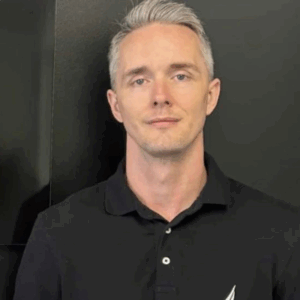
        Portrait of Dr. Vahid Osman, Board-Certified Psychiatrist and Addictionologist
        Medically Reviewed By
        Dr. Vahid Osman, M.D.
        Board-Certified Psychiatrist & Addictionologist
        Dr. Vahid Osman is a Board-Certified Psychiatrist and Addictionologist with extensive experience treating mental illness, chemical dependency, and developmental disorders. Dr. Osman trained in Psychiatry in France and in Austin, Texas. Read more.
        Portrait of Josh Sprung, L.C.S.W.
        Clinically Reviewed By
        Josh Sprung, L.C.S.W.
        Board-Certified Clinical Social Worker
        Joshua Sprung serves as a Clinical Reviewer at Lexington Addiction Center, bringing a wealth of expertise to ensure exceptional patient care. Read more.
        → Accreditations & Licenses

        The Joint Commission
        Awarded The Gold Seal of Approval® for meeting rigorous performance standards in safety, quality, and patient care.
        LegitScript Certified
        Validates compliance with laws and regulations, confirming transparency and accountability in addiction treatment marketing.
        BBB Accredited
        Demonstrates ethical business practices, client satisfaction commitment, and a trusted reputation in the community.
        Psychology Today Verified
        Verified listing on Psychology Today, a trusted directory for addiction treatment providers and behavioral health centers.
        HIPAA Compliant
        Ensures all patient health information is protected and managed under strict federal privacy and security standards.
        NAATP Member
        Lexington Addiction Center is a proud member of the National Association of Addiction Treatment Providers (NAATP).
        5-Star Google Reviews
        Recognized for consistent 5-star ratings, reflecting excellent care and trusted patient experiences at Lexington Addiction Center.
        Help.org Recognition
        Recognized by Help.org for quality addiction treatment services and community impact.
        → Sources

        Robinson, L., Smith, M. A., & Segal, J. (2024, August 21). Dual diagnosis: Substance abuse and mental health. HelpGuide.org. https://www.helpguide.org/mental-health/addiction/substance-abuse-and-mental-health HelpGuide.org

        U.S. National Library of Medicine. (2023, December 20). Dual diagnosis. MedlinePlus. https://medlineplus.gov/dualdiagnosis.html MedlinePlus

        Greenstein, L. (2017, October 4). Understanding dual diagnosis. NAMI (National Alliance on Mental Illness). https://www.nami.org/blog/understanding-dual-diagnosis/

        Yes, Your Insurance Covers Detox and Rehab Treatment

        Complete a free, confidential Verification of Benefits to learn more about what resources may be available to you.

        Contact Us Today

        Lexington Addiction Center - logo

        Addiction and co-occurring disorders don’t have to control your life. Lexington Addiction Center is waiting with open arms to give you the tools necessary for lasting change. Reach out to us today to learn more.

        Have Questions? We Can Help!

        24/7 Support Need someone to talk to? We’re always here—day or night.

        No Commitment Ask questions, get guidance—no pressure, no obligation.

        100% Private Your story stays with us. Confidential support, always