Practicing Mindfulness in Addiction Recovery

Everyone who struggles with drug and alcohol addiction has different reasons for using substances, however a common denominator in a lot of people’s stories is: they drink and drug to avoid thoughts and feelings. Practicing mindfulness in addiction recovery can change the outcome and rate of success in a person’s life. Mindfulness can help shape a person into a new way of thinking and processing negative thoughts and emotions. This helps give them a powerful tool when it comes to staying clean and sober. It helps them to combat the negativity in a positive way that allows them to maintain recovery and get through the thoughts and feelings that once led to using drugs and alcohol as a means of coping.

What is Mindfulness?

12 nofollow noopener noreferrer3>Mindfulness is a keen awareness about thoughts, feelings, and emotions. Being able to, purposefully, look at thoughts and feelings as they are occurring so that you can identify anything triggering to learn to cope with them. Identifying these thoughts and feelings, and not reacting to them emotionally or without intention can help to change your thought processes and patterns surrounding the use of drugs and alcohol. Practicing mindfulness is part of a holistic therapy that helps alleviate symptoms of stress, anxiety, depression, insomnia, and can help to improve focus. The early stages of recovery for anyone can be super stressful as you learn a completely new way of life, there can be racing thoughts and a desire to constantly be on the move. Being aware of this (mindful) you can find a healthy balance.

Mindfulness and Addiction Recovery

Some of the biggest deterrents to successfully recovery from drug and alcohol addiction include stress, anxiety, and depression. Mindfulness in addiction recovery helps to combat these feelings by identifying and processing the feelings and emotions in a positive, non judgmental or emotional way. For example, in early recovery, cravings are high. The drugs and alcohol have just recently been removed from your life and when faced with uncomfortable situations, you may want to use. Rather than suppressing these feelings of using, acknowledge it. Feel its presence, and feel it as it begins to dissipate. Then you can feel yourself making through the very thing that made you continue drinking and drugging. You’ve then successfully overcome an obstacle to your recovery.

Approaching your thoughts and feelings in this way over a period of time will form it into a habitual way of processing them so you can better manage thoughts and feelings, positively, rather than turning to drugs and alcohol to cope. Positively identifying and processing triggering thoughts and emotions, practicing mindfulness in addiction recovery, is one of the best tools you can have under your belt when trying to maintain recovery.

What Mindfulness Practices are Used in Addiction Recovery?

Mindfulness in addiction recovery should always be tailored to a person’s specific needs. However there are some common practices that are taught to and used by people in recovery. Some techniques are used to help frame thought patterns in a way that is more positivity focused rather than the negative, self deprecating thoughts that many addicts and alcoholics think on a daily basis. Other mindfulness practices are used to help manage and alleviate symptoms of pain, or stress. All of the different practices of mindfulness in addiction recovery follow a basic guideline including these specific elements:

  • Observation: Identifying the thoughts and experiences.
  • Description: Describing the experiences
  • Participation: Healthy engagement with the thoughts/experience.
  • No Judgment: Accepting the experience or feeling (ie a craving) without judging it
  • Focus: Focusing on individual things, without distraction
  • Effectiveness: Actively making better choices for recovery

Learning to positively manage thoughts and emotions is what mindfulness in addiction recovery is all about. By implementing these practices into your daily life, you are forming a new routine surrounding thought processes.

Importance of Mindfulness

The positive connection between addiction and mindfulness in addiction recovery is uncanny. By practicing mindfulness, and learning a new way of thinking when it comes to drugs and alcohol, you are essentially retraining your brain to be able to self soothe the thoughts and feelings that once led you to drugs and alcohol. By staying aware, you can stay in control.

Help for Addiction in Lexington, KY

Mindfulness in addiction recovery can benefit those who struggle in insurmountable ways. Learning to be aware and change the way you think can help you to grow and change in recovery. Addiction is a monster and changes the most loving and understanding person into someone completely different. If you or a loved one struggle with addiction, there is help. You don’t have to go through it alone and you don’t have to continue to suffer.

At Lexington Addiction Center, we offer a comprehensive program to help you learn new skills to live addiction-free. Help if just a phone call away. Contact us today and begin living a healthy, mindful life of recovery.


FAQ: Mindfulness in Addiction Recovery

What is mindfulness and how does it help in addiction recovery?

Mindfulness is the practice of paying attention on purpose, in the present moment, without judgment — noticing thoughts, feelings, and bodily sensations as they arise without trying to suppress, avoid, or react impulsively to them. In the context of addiction recovery, this skill is especially powerful because it teaches individuals to observe cravings, emotional triggers, and discomfort without automatically responding with old patterns like substance use. Instead of reacting reflexively, someone practicing mindfulness learns to slow down, notice what’s happening inside them, and choose a healthier response.

Addiction often develops and persists when someone uses substances to avoid uncomfortable thoughts, memories, or emotions. Mindfulness creates space between an internal experience (like anxiety or craving) and one’s choice of action, which breaks the cycle of “feeling → reacting → using.” Over time, this observing rather than reacting approach strengthens self-awareness and improves emotional regulation — two skills that are essential for lasting recovery. Practiced consistently, mindfulness can reduce stress, improve focus, and help people break free from habitual reactions that fuel relapse. Because it doesn’t require any special equipment or setting, mindfulness becomes a tool people can use anytime — when cravings strike, when stress rises, or simply to deepen self-understanding in recovery.

How does mindfulness help people cope with cravings?

Cravings are a major part of the addiction experience, and they can feel intense, urgent, and overwhelming. Mindfulness helps people observe cravings as temporary experiences rather than commands that must be obeyed. When someone craves a substance, there are usually physical sensations (like tension or restlessness) and thoughts that intensify the desire. Mindfulness teaches people to notice those sensations and thoughts without acting on them.

Rather than trying to suppress or push away a craving — which can paradoxically strengthen it — mindfulness encourages curiosity: “What am I feeling right now? Where in my body do I notice this?” By labeling the experience (e.g., “There’s a craving,” or “I am feeling tension in my chest”), someone creates a small psychological distance between themselves and the urge. This distance weakens the sense of urgency and lets the person choose a healthier response — such as a calming breath, a grounding exercise, or reaching out for support.

Over time, this practice trains the brain to see cravings as passing mental events instead of threats. As people become more skilled at observing cravings without reacting, the grip that those urges have on behavior gradually loosens, making sustained sobriety more attainable.

Can mindfulness reduce stress, anxiety, and emotional triggers in recovery?

Yes — mindfulness significantly reduces stress, anxiety, and emotional triggers, which are common relapse risks in addiction recovery. Addiction often becomes a way of coping with uncomfortable internal states — stress, sadness, fear, or shame — and when substances are removed, these feelings can feel intense and unfamiliar. Mindfulness helps by teaching individuals to meet uncomfortable emotions with curiosity rather than resistance.

When someone practices mindfulness regularly, they become better at recognizing early signs of stress — such as tension, rapid heartbeat, or racing thoughts — before those sensations escalate. Instead of reacting impulsively, they can shift into observation mode: “This is tension arising in my body, and it’s temporary.” This simple reframing reduces the emotional charge and makes stress feel less threatening. Over time, mindfulness also changes how the brain processes emotional triggers, strengthening areas involved in emotional regulation and weakening the habitual fight-or-flight response.

Research shows that people who practice mindfulness have lower levels of stress hormones, better focus under pressure, and greater resilience when faced with triggering situations. These benefits increase confidence and make it easier to navigate challenging emotions without turning back to substances.

What are some simple mindfulness exercises someone in recovery can try?

There are many effective mindfulness exercises that are easy to practice and don’t require special equipment or long time commitments. A few examples include:

1. Mindful breathing — Sit comfortably, notice your breath going in and out, and gently bring attention back to your breath whenever your mind wanders.
2. Body scan — Slowly move your attention through different parts of the body, noticing sensations without judgment. This helps connect mind and body and release tension.
3. Mindful observation — Choose a simple object — like a leaf, a cup, or a candle — and focus all your attention on it, noticing colors, shapes, textures, and tiny details.
4. Mindful listening — Sit quietly and listen to all the sounds around you without labeling them as good or bad — just notice sound as it arises and fades.

All of these exercises cultivate present-moment awareness and strengthen the ability to watch internal and external experience without reacting automatically. Anyone can practice them for just a few minutes at a time — first thing in the morning, during a craving, before sleep, or even while waiting in line. The key is consistency; the more regularly mindfulness is practiced, the more naturally it becomes a coping tool.

How does mindfulness support emotional regulation in recovery?

Emotional regulation refers to the ability to notice, understand, and respond to emotions in a way that aligns with recovery goals rather than automatic reactions. In active addiction, emotional regulation is often compromised because substances were used as a tool to blunt, avoid, or escape painful feelings. Once the substance is removed, emotions can feel intense, raw, and difficult to manage.

Mindfulness strengthens emotional regulation by helping people observe emotions without judging or acting on them. Instead of being swept up by anger, sadness, or fear, someone trained in mindfulness can say internally, “I notice this feeling of anger. It’s uncomfortable but it’s not permanent.” This ability to label and observe emotions reduces their intensity and creates space to choose healthier responses.

Over time, regular mindfulness practice not only helps with moment-to-moment emotional awareness but also changes how the brain handles emotional information. Regions involved in emotional reactivity become less dominant, while areas connected to thoughtful response and self-control become stronger. This neurological shift supports more consistent emotional balance — which is essential for staying grounded during stress, conflict, or unexpected life events in recovery.

Can mindfulness be part of a larger treatment plan for addiction recovery?

Absolutely — mindfulness is often most effective when integrated into a larger, holistic treatment plan that addresses multiple facets of recovery. Mindfulness alone is a valuable skill, but when combined with other elements like therapy, peer support, life skills training, medical care, and lifestyle change, it becomes even more powerful.

For example, in therapy — whether cognitive-behavioral therapy, dialectical behavior therapy, or group counseling — mindfulness strengthens insight into thoughts and emotional patterns, which helps people apply therapeutic tools more effectively. In peer support settings, mindfulness enhances listening, empathy, and connection. In relapse prevention planning, it sharpens awareness of early warning signs so individuals can intervene before a situation escalates.

Treatment plans that weave mindfulness throughout different supports help the individual not only stop using substances but also build a meaningful, resilient life. This layered approach prepares someone to handle triggers, setbacks, and stressors in a sustainable way. Many clinicians also encourage daily mindfulness practice because it fosters continuity between structured treatment sessions and everyday life — reinforcing recovery as a lived experience rather than only a clinical goal.

How long does it take to see benefits from mindfulness in recovery?

The timeline for seeing benefits from mindfulness varies, but many people notice initial improvements fairly quickly — sometimes within a few practice sessions. Early effects often include a sense of calm, increased ability to notice thoughts without reacting, and the ability to return focus more easily after distraction. These small improvements can feel encouraging and motivate continued practice.

With regular, consistent practice over weeks to months, deeper changes begin to appear. People often report reduced stress reactivity, fewer emotional outbursts, better sleep, improved focus, and greater resilience when faced with cravings or triggers. Neurological research suggests that the brain’s response to stress and emotional regulation actually changes with sustained mindfulness practice, with long-term benefits becoming more pronounced over time.

It’s important to understand that mindfulness is a skill, not a quick fix — like learning any skill, it grows stronger with repetition and patience. Practicing mindfulness daily — even for just a few minutes — leads to more reliable results than sporadic, lengthy sessions. Over time, mindfulness becomes second nature: people react less automatically to stress and more intentionally to the challenges of recovery. This shift supports stability, emotional balance, and long-term sobriety.

How can someone start practicing mindfulness if they’ve never tried it before?

Starting mindfulness doesn’t require special tools or a spiritual background — it simply requires a willingness to notice the present moment with kindness. A good first step is choosing a specific time and place where you can practice without interruption for just a few minutes each day. Begin with a simple exercise, like mindful breathing: sit comfortably, breathe in and out naturally, and gently return your attention to breath whenever your mind wanders.

It helps to start small — even 3–5 minutes once or twice a day is enough to begin training the mind. Gradually increase duration as the practice feels more comfortable. Guided mindfulness recordings or apps can be valuable at first because they provide structure and help you stay focused. What matters most is consistency, not duration.

You can also incorporate mindfulness into daily activities beyond formal sitting practice — for example, by noticing sensations while washing dishes, walking, or listening to a friend without planning your response. The goal is to practice present-moment awareness and repeatedly bring attention back to what’s happening right now.

Beginning mindfulness in addiction recovery is less about perfect execution and more about curiosity and patience. Over time, this practice becomes a tool you can carry throughout your life — not just during moments of calm, but especially when facing challenges, cravings, or emotional discomfort. With regular practice, mindfulness becomes a stable anchor that supports clarity, resilience, and long-term recovery.

Where can I learn mindfulness in Lexington, KY?

Many treatment centers, including Lexington Addiction Center, incorporate mindfulness techniques into therapy. Additionally, there are local yoga studios, meditation groups, and recovery communities that offer mindfulness workshops or classes tailored to people in recovery.


Blog Content Disclaimer – Educational & Informational Use

The content published on Lexington Addiction Center blog pages is intended for general educational and informational purposes related to addiction, substance use disorders, detoxification, rehabilitation, mental health, and recovery support. Blog articles are designed to help readers better understand addiction-related topics and explore treatment concepts, but they are not a substitute for professional medical advice, diagnosis, or individualized treatment planning.

Addiction and co-occurring mental health conditions are complex medical issues that affect individuals differently based on many factors, including substance type, length of use, physical health, mental health history, medications, age, and social environment. Because of this variability, information discussed in blog articles—such as withdrawal symptoms, detox timelines, treatment approaches, medications, relapse risks, or recovery strategies—may not apply to every individual. Reading blog content should not replace consultation with licensed medical or behavioral health professionals.

If you or someone you know is experiencing a medical or mental health emergency, call 911 immediately or go to the nearest emergency room. Emergencies may include suspected overdose, seizures, difficulty breathing, chest pain, severe confusion, hallucinations with unsafe behavior, loss of consciousness, suicidal thoughts, or threats of harm to oneself or others. Lexington Addiction Center blog content is not intended for crisis intervention and should never be used in place of emergency care.

Detoxification from drugs or alcohol can involve serious medical risks, particularly with substances such as alcohol, benzodiazepines, opioids, and certain prescription medications. Withdrawal symptoms can escalate quickly and may become life-threatening without proper medical supervision. Any blog content describing detox, withdrawal, or substance cessation is provided to raise awareness and encourage safer decision-making—not to instruct readers to detox on their own. Attempting self-detox without medical oversight can be dangerous and is strongly discouraged.

Blog articles may discuss various addiction treatment options, including medical detox, residential or inpatient rehab, outpatient programs, therapy modalities, medication-assisted treatment, aftercare planning, and recovery support services. These discussions reflect commonly used, evidence-informed approaches but do not represent guarantees of effectiveness or suitability for every person. Treatment recommendations should always be based on a comprehensive assessment conducted by licensed professionals.

Information related to insurance coverage, treatment costs, or payment options that appears within blog content is provided for general informational purposes only. Insurance benefits vary widely depending on the individual’s plan, carrier, state regulations, and medical necessity criteria. Coverage details may change without notice, and no insurance-related statements on blog pages should be interpreted as a promise of coverage or payment. Lexington Addiction Center encourages readers to contact our admissions team directly to verify insurance benefits and eligibility before making treatment decisions.

Some blog posts may reference third-party studies, external organizations, medications, community resources, or harm-reduction concepts. These references are provided for educational context only and do not constitute endorsements. Lexington Addiction Center does not control third-party content and is not responsible for the accuracy, availability, or practices of external websites or organizations.

Blog content may also include general advice for families or loved ones supporting someone with addiction. While these discussions aim to be supportive and informative, every situation is unique. If there is an immediate safety concern—such as violence, overdose risk, child endangerment, or medical instability—emergency services or qualified professionals should be contacted right away rather than relying on online information.

Use of Lexington Addiction Center blog pages does not establish a provider–patient relationship. Submitting comments, contacting the center through a blog page, or reading articles does not guarantee admission to treatment or access to services. Recovery outcomes vary, and no specific results are promised or implied.

If you are struggling with substance use, withdrawal symptoms, or questions about treatment, we encourage you to seek guidance from licensed healthcare providers. For personalized information about treatment options or insurance verification, you may contact Lexington Addiction Center directly. For emergencies, call 911 immediately.

Call or message us

You’ll connect with a compassionate admissions coordinator who understands what you’re going through.

Free assessment

We’ll ask about your drug use, medical history, and mental health to help build the right plan.

Insurance check

We’ll verify your benefits and explain exactly what’s covered—no surprises.

Choose a start date

If you’re ready, we can often schedule your intake the same week.
→ Contributors
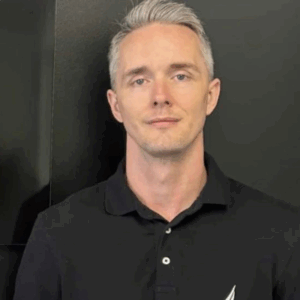
Portrait of Dr. Vahid Osman, Board-Certified Psychiatrist and Addictionologist
Medically Reviewed By
Dr. Vahid Osman, M.D.
Board-Certified Psychiatrist & Addictionologist
Dr. Vahid Osman is a Board-Certified Psychiatrist and Addictionologist with extensive experience treating mental illness, chemical dependency, and developmental disorders. Dr. Osman trained in Psychiatry in France and in Austin, Texas. Read more.
Portrait of Josh Sprung, L.C.S.W.
Clinically Reviewed By
Josh Sprung, L.C.S.W.
Board-Certified Clinical Social Worker
Joshua Sprung serves as a Clinical Reviewer at Louisville Addiction Center, bringing a wealth of expertise to ensure exceptional patient care. Read more.
→ Accreditations & Licenses

The Joint Commission
Awarded The Gold Seal of Approval® for meeting rigorous performance standards in safety, quality, and patient care.
LegitScript Certified
Validates compliance with laws and regulations, confirming transparency and accountability in addiction treatment marketing.
BBB Accredited
Demonstrates ethical business practices, client satisfaction commitment, and a trusted reputation in the community.
Psychology Today Verified
Verified listing on Psychology Today, a trusted directory for addiction treatment providers and behavioral health centers.
HIPAA Compliant
Ensures all patient health information is protected and managed under strict federal privacy and security standards.
NAATP Member
Lexington Addiction Center is a proud member of the National Association of Addiction Treatment Providers (NAATP).
5-Star Google Reviews
Recognized for consistent 5-star ratings, reflecting excellent care and trusted patient experiences at Lexington Addiction Center.
Help.org Recognition
Recognized by Help.org for quality addiction treatment services and community impact.
→ Meet Our Team

At Lexington Addiction Center, we believe that recovery is a journey, not a destination. That’s why we offer a comprehensive continuum of care, delivered by a team of experienced and compassionate professionals. Our team is made up of licensed therapists, counselors, nurses, and other professionals who are passionate about helping people achieve lasting sobriety. Whether you are just starting your recovery journey or you are a seasoned veteran, we are here to support you every step of the way. We believe in you, and we are committed to helping you achieve your recovery goals.

→ Tour Our Rehab Center

Explore Lexington Addiction Center’s drug & alcohol detox rehab treatment center in Lexington, KY and step into private therapy offices, spacious group rooms, and tranquil lounges where thoughtful design supports every stage of substance-use recovery.

Yes, Your Insurance Covers Detox and Rehab Treatment

Complete a free, confidential Verification of Benefits to learn more about what resources may be available to you.

Contact Us Today

Lexington Addiction Center - logo

Addiction and co-occurring disorders don’t have to control your life. Lexington Addiction Center is waiting with open arms to give you the tools necessary for lasting change. Reach out to us today to learn more.