Recovery shouldn’t force you to hit pause on the rest of your life. That’s why Lexington Addiction Center’s Intensive Outpatient Program (IOP) in Lexington, KY, delivers high-level support while letting you stay active at work, school, and home. Located in the heart of the Bluegrass region, our campus offers easy parking, discreet entrances, and a warm welcome from our clinicians.
You’ll engage in small, focused groups plus weekly individual sessions that target substance use, mental health concerns, and real-world stressors, all without uprooting your daily routine.
Whether you’re commuting from downtown Lexington, Nicholasville, or Georgetown, flexible morning, afternoon, and evening tracks keep treatment compatible with Kentucky life.
Starting IOP begins with determining whether this level of care matches your current clinical needs. Lexington Addiction Center’s admissions process is designed to look at more than substance use alone. We also consider mental health symptoms, relapse risk, medication needs, home stability, support systems, and how much structure you need during the week.
For many people, IOP is a useful step after PHP, residential treatment, or other higher-intensity care. Others may enter IOP directly when they are medically stable but still need more accountability and therapeutic support than standard outpatient counseling can provide.
Once IOP is recommended, your treatment plan can include group therapy, individual counseling, relapse-prevention work, family support, trauma-informed services, medication management when appropriate, and coordinated care for co-occurring mental health concerns.
The goal is to help you build recovery skills while continuing to participate in daily life. As your stability improves, the treatment team can adjust the plan and help you transition into a lower level of care when appropriate.
What Sets Lexington Addiction Center Apart: Premium Amenities & Personalized Care
Comfortable & Welcoming Environment
A calm, supportive setting can make it easier to stay engaged in treatment. Lexington Addiction Center is designed to provide a welcoming environment with convenient access, privacy-conscious entrances, and spaces where clients can focus on therapy, recovery planning, and day-to-day progress without the feel of a hospital setting.
Mindfulness, wellness activities, and holistic services can complement evidence-based addiction and mental health treatment by giving clients additional tools for stress management, emotional regulation, and healthy routine-building. These services are integrated as supportive components of a broader clinical treatment plan.
Clients receive coordinated support from addiction and mental health professionals throughout treatment. This team-based approach helps connect therapy, medication management when appropriate, relapse-prevention planning, and co-occurring mental health care so that progress in one area is not separated from the rest of the treatment plan.
Family services can help improve communication, strengthen boundaries, rebuild trust, and give loved ones a clearer understanding of how to support recovery. When clinically appropriate, family involvement can also help prepare the home environment for the responsibilities and challenges that come with ongoing outpatient care.
Individual sessions give clients private time to focus on personal triggers, treatment goals, relationships, trauma, cravings, and other issues that may be harder to address in a group. They also allow the clinical team to adjust interventions as symptoms, stability, and recovery needs change.
Smaller groups support participation, accountability, and more individualized attention during outpatient treatment. They can make it easier for clients to speak openly, receive feedback, practice communication skills, and develop meaningful peer connections without getting lost in a large-group environment.
Clients can move between PHP, IOP, and outpatient services as treatment needs and stability change. This step-up and step-down structure helps match the intensity of care to the client’s current needs while preserving continuity in the recovery process.
Co-occurring mental health and substance use concerns can be addressed together through coordinated dual diagnosis treatment. This allows anxiety, depression, trauma symptoms, mood concerns, cravings, and relapse risk to be considered as interconnected parts of the same recovery plan.
Frequently Asked Questions About IOP in Lexington, KY
Who should consider IOP for addiction at Lexington Addiction Center?
IOP may be appropriate for people who need more structure than standard outpatient care but do not require 24-hour residential treatment. Good candidates are generally medically stable, able to live in a safe environment, and able to participate consistently in several treatment sessions each week.
What therapies are included in the IOP rehab in Lexington?
IOP may include individual counseling, group therapy, relapse-prevention work, family therapy, medication management, trauma-informed treatment, holistic support, and dual diagnosis services when mental health and substance use concerns occur together.
How long does the IOP typically last?
IOP length is individualized. The schedule and duration depend on clinical needs, substance use history, mental health symptoms, progress in treatment, stability at home, and readiness to step down to a lower level of care.
Can I continue working while participating in the IOP?
Often, yes. IOP is designed to provide structured treatment while allowing many clients to continue working, attending school, parenting, or managing other responsibilities. Scheduling options depend on program availability and individual clinical needs.
What makes the IOP for addiction at Lexington Addiction Center unique?
The program combines flexible outpatient scheduling with small-group treatment, individual therapy, medication management when appropriate, family support, dual diagnosis care, and access to step-up or step-down levels of treatment within the same continuum.
How do I enroll in the Intensive Outpatient Program in Lexington?
Start by contacting the admissions team for a confidential assessment. They can review your substance use, medical and mental health needs, home environment, insurance benefits, and determine whether IOP is the appropriate level of care.
Is there support available after completing the IOP rehab in Lexington?
Yes. Continuing care may include standard outpatient therapy, medication management, peer support, family services, alumni resources, and recovery planning to help maintain progress after structured IOP ends.
How are families involved during IOP?
Family therapy and education may be included when clinically appropriate. These services can improve communication, rebuild trust, clarify healthy boundaries, and help loved ones support recovery without reinforcing harmful patterns.
What happens if I relapse during IOP?
A relapse does not automatically mean treatment has failed. The clinical team can reassess triggers, safety, withdrawal risk, medication needs, and treatment intensity. Depending on the situation, the plan may be adjusted or a higher level of care may be recommended.
Are medications managed on-site?
Medication management may be available when clinically appropriate. Prescribing providers can evaluate symptoms, monitor response and side effects, and coordinate medications used for mental health conditions or substance use recovery.
Start Intensive Outpatient Treatment in Lexington, KY
Our Intensive Outpatient Program (IOP) in Lexington, Kentucky provides structured addiction treatment while allowing individuals to maintain work, school, or family responsibilities. IOP is ideal for those stepping down from higher levels of care or beginning treatment with moderate substance use concerns.
Clients participate in multiple therapy sessions per week, including individual counseling, group therapy, relapse prevention planning, and skill-building interventions. Psychiatric services and medication management are available when clinically appropriate.
IOP provides accountability, clinical oversight, and community support without requiring full-time residential placement. This balance helps individuals strengthen coping strategies while rebuilding daily routines.
Recovery requires consistency and structure — and our IOP program provides both.
If you or someone you love is seeking flexible, evidence-based addiction treatment in Lexington, help is available now.
Contact Lexington Addiction Center today for confidential admissions assistance and fast insurance verification. Your recovery journey can begin immediately.
Dr. Vahid Osman is a Board-Certified Psychiatrist and Addictionologist with extensive experience treating mental illness, chemical dependency, and developmental disorders. Dr. Osman trained in Psychiatry in France and in Austin, Texas. Read more.
Clinically Reviewed By
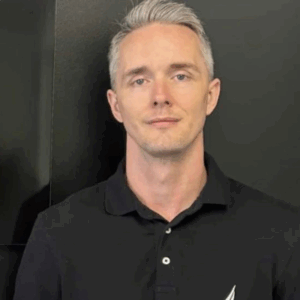
Josh Sprung, L.C.S.W.
Board-Certified Clinical Social Worker
Joshua Sprung serves as a Clinical Reviewer at Lexington Addiction Center, bringing a wealth of expertise to ensure exceptional patient care. Read more.
The Joint Commission Awarded The Gold Seal of Approval® for meeting rigorous performance standards in safety, quality, and patient care.
LegitScript Certified Validates compliance with laws and regulations, confirming transparency and accountability in addiction treatment marketing.
BBB Accredited Demonstrates ethical business practices, client satisfaction commitment, and a trusted reputation in the community.
Psychology Today Verified Verified listing on Psychology Today, a trusted directory for addiction treatment providers and behavioral health centers.
HIPAA Compliant Ensures all patient health information is protected and managed under strict federal privacy and security standards.
NAATP Member Lexington Addiction Center is a proud member of the National Association of Addiction Treatment Providers (NAATP).
5-Star Google Reviews Recognized for consistent 5-star ratings, reflecting excellent care and trusted patient experiences at Lexington Addiction Center.
Help.org Recognition Recognized by Help.org for quality addiction treatment services and community impact.
Yes, Your Insurance Covers Detox and Rehab Treatment
Complete a free, confidential Verification of Benefits to learn more about what resources may be available to you.
Contact Us Today
Addiction and co-occurring disorders don’t have to control your life. Lexington Addiction Center is waiting with open arms to give you the tools necessary for lasting change. Reach out to us today to learn more.