How Does Rehab Work?

Once a person is ready to seek help for an addiction, there are many considerations, and the process may seem overwhelming. Common questions are ‘How does rehab work?’ or ‘What happens when you go to rehab?’. Healing in rehab is essential to moving on to a life without drugs and alcohol.

Seeking help for an addiction is a courageous decision and need not be intimidating. A solid knowledge of the basics of rehab and what to expect in rehab is beneficial to those considering reaching out for the first time and helping them begin the process of life in recovery.

What Exactly is Rehab?

Rehab is a structured program designed to help individuals struggling with addiction overcome their dependency on substances like drugs and alcohol and rebuild their lives.

This therapeutic process typically involves a combination of medically supervised detoxification to manage withdrawal symptoms safely.

Additionally, there’s individual and group counseling to address the underlying psychological factors of addiction and various forms of therapy such as cognitive-behavioral therapy, family therapy, and holistic approaches.

Rehab programs also focus on preventing relapse, improving life skills, and improving overall well-being.

To help you understand how drug rehab works for addiction treatment, it’s worth noting that according to SAMHSA, in 2023, 7 out of 10 adults with a substance abuse disorder (SUD) went into recovery. Seeking rehab is a courageous decision, and no one is ever alone in this life-changing decision.

Group of people discussing how drug rehab works during therapy.

Levels of Care to Expect in Rehab

If you’re wondering ‘How does rehab work?’, know that a significant part of what happens in rehab is determined by the levels of care provided. In rehab, individuals can expect a continuum of care tailored to their needs, ranging from detoxification to aftercare support.

These services typically include detox, inpatient or residential treatment, outpatient programs, and ongoing support groups, ensuring comprehensive treatment and a smooth transition back to everyday life.

These programs cater to drug and alcohol addiction, and dual diagnosis at different recovery stages. Additionally, these programs incorporate holistic therapies, support groups, and educational workshops and include:

Partial Hospitalization Program (PHP)

PHP provides individuals with intensive treatment for addiction or mental health disorders while allowing them to return home in the evenings. This structured program typically involves therapy sessions, medication management, and educational workshops during the day, providing comprehensive care while allowing individuals to maintain daily routines. PHP is a good option for those requiring a higher level of support than outpatient treatment but do not need 24/7 supervision in a residential setting.

Intensive Outpatient Program (IOP)

For those who have commitments that prevent a full-time residential stay or are transitioning from inpatient care, our IOP offers flexibility without compromising the quality of treatment. Clients receive high-level care and support while maintaining connections with their daily lives.

Outpatient Treatment (OP)

Outpatient treatment is ideal for individuals seeking continued support as they reintegrate into their communities. It includes regular therapy sessions and access to our resources, allowing clients to solidify their recovery in real life.

Each program typically integrates holistic therapies, support groups, and educational workshops, all aimed at addressing the underlying issues of addiction and promoting overall wellness.

How Does Rehab Work on a Typical Day?

Knowing that every rehab center is different is vital for those wondering how drug rehab works. However, every treatment center has similar processes and programs, but there are standard outlines that most centers use for what happens in rehab.

A typical day in rehab is carefully structured to provide individuals with a supportive and transformative environment conducive to healing and recovery. Here’s what to expect:

  • Morning Routine: Residents start the day with healthy breakfast options and may participate in mindfulness exercises or group meditation sessions to set a positive tone for the day.
  • Therapeutic Activities: Throughout the day, residents engage in individual and group therapy sessions led by licensed professionals, where they explore the root causes of their addiction, learn coping skills, and receive support from peers.
  • Educational Workshops: Rehab often includes workshops on addiction science, relapse prevention strategies, and life skills training to empower residents with knowledge and tools for long-term sobriety.
  • Recreational Opportunities: Residents have opportunities for recreational activities such as yoga, art therapy, outdoor excursions, or fitness classes, promoting physical health and emotional well-being.
  • Healthy Meals: Nutritious meals and snacks are provided throughout the day to support overall wellness and fuel the body and mind.
  • Supportive Community: Residents benefit from the support of a caring and empathetic community of peers and staff members who share similar experiences and offer encouragement and accountability.
  • Evening Reflection: The day typically concludes with reflection exercises or group discussions, allowing residents to process their experiences, celebrate progress, and set goals for the future.

Overall, a typical day in rehab is structured to provide individuals with a balanced mix of therapy, education, recreation, and community support, laying the groundwork for lasting recovery.

A professional and his client discussing topics like 'how does rehab work?' during individual therapy.

How Long Does Rehab Take?

Factors such as the substances being used, duration of use, and quantity consumed can influence rehabilitation timelines, which vary depending on individual needs and treatment programs.

However, to help answer ‘How does rehab work?’ and what to expect in rehab, here’s a general timeline:

  • Assessment: The initial assessment and intake process typically last 1-2 hours.
  • Detoxification: Detoxification may last from a few days to a week, depending on the substance and severity of withdrawal symptoms.
  • Inpatient or Residential Treatment: Inpatient or residential treatment programs typically last 30 to 90 days, providing intensive, 24/7 care in a structured environment.
  • Outpatient Treatment: Outpatient treatment programs may last several weeks to several months, with varying intensity levels and frequency of therapy sessions.
  • Intensive Outpatient Program (IOP): IOP programs typically last 6 to 12 weeks, with several hours of therapy sessions per week.
  • Aftercare and Ongoing Support: Aftercare and ongoing support groups may continue indefinitely, providing ongoing support for maintaining sobriety and preventing relapse.

Overall, the duration of rehab can range from a few weeks to several months, depending on individual progress and treatment goals.

What To Bring To Rehab

Once the decision to enter rehab is final, a common question remains, “What happens when you go to rehab?”. It’s important to pack thoughtfully to ensure comfort and support during your stay.

Here are some suggestions on what to bring if you’re unsure of how rehab works:

  • Personal Identification: Bring your driver’s license or other form of identification and any insurance cards or relevant documents.
  • Comfortable Clothing: Pack a week’s worth of comfortable, weather-appropriate clothing, including pajamas, workout attire, and casual wear.
  • Toiletries: Bring essential toiletries such as a toothbrush, toothpaste, shampoo, conditioner, soap, and any specific personal care items.
  • Prescription Medications: If you have any prescribed medications, bring them in their original containers with clear labels and inform staff members upon arrival.
  • Notebook and Pen: Consider bringing a notebook or journal to jot down thoughts, reflections, or goals during your stay.
  • Reading Material: Bring books, magazines, or other reading material to occupy your downtime and engage in self-improvement.
  • Snacks: Pack a few healthy snacks on hand between meals, but be mindful of any dietary restrictions or guidelines provided by the rehab facility.
  • Phone and Charger: Some facilities may allow limited phone use during designated times, so bring your phone and charger if permitted.
  • Comfort Items: Consider bringing comfort items such as photos, letters, or a favorite blanket to create a sense of familiarity and support during your stay.

By packing these essentials, you’ll be better prepared to focus on your recovery journey comfortably and confidently.
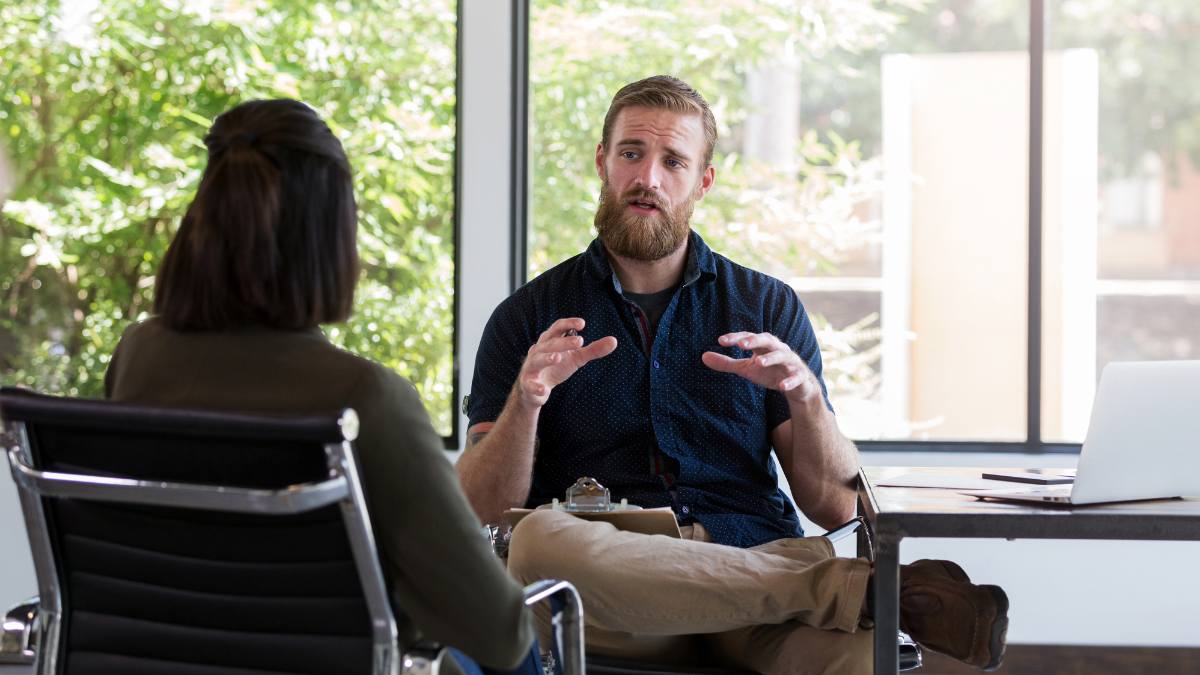
Specialist helping client to understand how rehab works and what to bring to rehab.

How Does Rehab Work at Lexington Addiction Center?

If you or a loved one have questions about how rehab works, our dedicated team can help you. We understand how harmful addiction to substances can be to a person’s overall health and well-being. That’s why we invite you to rediscover the joy of living through rehab at Lexington Addiction Center.

As a leading rehab in Lexington, KY, we provide safe and effective treatment programs tailored to each client’s needs.

As a result, we can help all of those who are struggling with addictions and mental health issues. Don’t wait any longer to embark on your journey to healing and transformation.

If you’re wondering ‘How does rehab work?’, contact us today to learn more about our programs and take the first step towards a healthier future.

Medically Reviewed By:

Dr. Vahid Osmanm, M.D.

Board-Certified Psychiatrist and Addictionologist
Clinically Reviewed By:

Josh Sprung, L.C.S.W.

Board Certified Clinical Social Worker

Yes, Your Insurance Covers Detox and Rehab Treatment

Complete a free, confidential Verification of Benefits to learn more about what resources may be available to you.

Contact Us Today

Lexington Addiction Center - logo

Addiction and co-occurring disorders don’t have to control your life. Lexington Addiction Center is waiting with open arms to give you the tools necessary for lasting change. Reach out to us today to learn more.

What Sets Lexington Addiction Center Apart:
Premium Amenities & Personalized Care

A man seeks Lexington PHP treatment.

Clinician & Medical Owned & Operated

At Lexington Addiction Center, our team includes master-level clinicians and a registered dietician, offering 24/7 medical care and nursing support, weekly individual therapy sessions, and daily consultations with a medical provider to ensure comprehensive recovery.
addiction and divorce

Family Therapy Sessions

Our compassion‑driven family therapy sessions foster healing, empowering loved ones with supportive, holistic evidence‑based counseling to rebuild trust, strengthen lasting bonds, and navigate recovery together in a truly nurturing, understanding environment.

Weekly Outings

At Lexington Addiction Center, we organize weekly outings that encourage social engagement, promote healthy recreation, and help clients reconnect with life outside of treatment in a supportive environment.
A counselor attentively listening to a client during a one-on-one session, highlighting the personalized care offered by Berea, Kentucky Drug and Alcohol Rehab Resources.

Twice‑Weekly Individual Therapy

Clients engage in two individual therapy sessions per week, fostering consistent emotional support and guidance. Structured approach promotes sustained progress, accountability, and resilience, empowering individuals to navigate recovery with therapeutic care.
An open room with a group of individuals in a circle, attentively listening to each other at a Pikeville, Kentucky Drug and Alcohol Rehab Resources session. This setting fosters understanding and growth for participants seeking recovery.

Small Groups, Big Recovery

We prioritize individualized attention by limiting each session to just twelve clients. This intimate setting fosters tailored support, meaningful connections, and superior clinical care, empowering participants on their journey to recovery.

FAQ: How Does Rehab Work?

What is rehab and how does it work for addiction recovery?

Rehab is a structured, supportive process designed to help individuals stop using addictive substances, understand the underlying causes of their addiction, and replace harmful habits with healthier coping skills. Rehab starts with a comprehensive assessment to evaluate the severity of substance use, any medical or psychological concerns, and the best level of care needed — whether that’s outpatient therapy, residential treatment, or medically supported detox. This initial evaluation helps clinicians tailor a plan that aligns with the individual’s goals and needs.

Once treatment begins, rehab works by combining evidence-based therapies with emotional support, education about addiction, and tools for making lasting behavioral changes. Individuals meet regularly with trained professionals who help them unpack patterns of thinking and behavior that contributed to addiction. Rehab often includes therapy — both individual and group — psychoeducation, relapse prevention planning, life-skills development, and support for co-occurring mental health challenges.

At the core of how rehab works is the idea that addiction is not just a habit but a complex condition involving the brain, emotions, and behavior. Effective rehab helps people heal on all these levels, building resilience, insight, and strategies that support long-term recovery beyond just stopping substance use.

What should I expect during the initial phase of rehab?

During the initial phase of rehab, the focus is on stabilization, assessment, and preparation for deeper therapeutic work. Once someone enters treatment, clinicians begin with a detailed evaluation that explores substance use history, current physical and emotional health, any co-occurring concerns like anxiety or depression, and immediate needs for safety or comfort. If the body has developed a dependence on substances, medically supervised detox may be necessary first to manage withdrawal symptoms safely under professional care.

After stabilization, individuals begin engaging in therapy and structured programming. This early phase often feels like learning a new language — people start understanding how addiction works, what triggers their use, and what goals they want to set for recovery. Clinicians introduce coping strategies, grounding techniques, and initial tools for emotional regulation so someone doesn’t feel overwhelmed by intense feelings or cravings.

Expect a supportive atmosphere where progress is measured in small steps. Early accomplishments include reduced physical distress, improved insight into patterns, and increased comfort with the structure of daily therapy and support. The initial phase sets the tone for deeper work by creating stability and helping individuals build confidence in their ability to change.

How do therapists help people change their thinking and behavior in rehab?

Therapists help people change their thinking and behavior in rehab by using evidence-based approaches that encourage self-awareness, emotional regulation, and skill development. One common method is cognitive-behavioral therapy (CBT). CBT helps individuals recognize unhelpful thought patterns — such as self-criticism, catastrophizing, or automatic judgments — and replace them with healthier alternatives that reduce emotional distress and impulsive reactions.

Therapy also explores how thoughts, feelings, and behaviors interact. Many people with addiction have learned to use substances to avoid uncomfortable emotions or memories. In therapy, clinicians help individuals identify triggers and emotional responses so they can respond intentionally rather than react automatically. Over time, this reduces the power of cravings and strengthens confidence in handling stress without substance use.

Group therapy plays a complementary role by providing peer support, shared experiences, and opportunities to practice new communication skills. In group settings, individuals learn that they are not alone, gain insight from others’ progress, and build accountability. Family therapy — when included — offers a space to repair relationships and create supportive home environments.

Ultimately, therapists guide individuals in building a new internal framework — one where challenges are managed with strategies that support sustained recovery, not avoidance or escape.

What role does behavioral therapy play in rehab?

Behavioral therapy is a cornerstone of rehab because it directly targets the patterns of thought and behavior that maintain addiction. Rather than focusing solely on stopping substance use, behavioral therapy teaches people how to understand why they used substances in the first place and how those patterns can be replaced with healthier responses. For example, someone might have learned to drink or use drugs to reduce anxiety or numb emotional pain. In therapy, they learn how thoughts like “I can’t handle this stress” fuel behavior that ultimately worsens emotional distress.

One important aspect of behavioral therapy is identifying automatic reactions and triggers. When someone learns to notice early warning signs — such as negative self-talk, fatigue, or social pressure — they can respond with intentional strategies like grounding, mindfulness, or calling a support person. This shifts someone from reactive habits into proactive self-management.

Behavioral therapy also includes relapse prevention planning, where individuals and clinicians map out high-risk situations and practice specific responses. Rather than simply hoping cravings go away, people learn how to reduce their intensity, reframe thoughts, and choose alternative actions that align with recovery goals. Over time, repeated practice of these new responses creates stronger neural pathways supporting healthy, sustainable behavior instead of relapse.

How does group therapy support recovery in rehab?

Group therapy supports recovery in rehab by creating a community of peers who share similar struggles and goals, which reduces isolation and fosters mutual encouragement. Many people with addiction feel misunderstood or alone because their experiences — cravings, triggers, emotional ups and downs — are hard to explain to others who haven’t lived them. Group therapy changes that by bringing together individuals who can relate and offer empathy, insight, and accountability.

In a group setting, members discuss challenges, coping strategies, and progress in a structured environment led by a trained clinician. Hearing others’ stories often provides perspective: someone may recognize patterns in themselves they hadn’t noticed, or gain confidence from seeing someone else overcome similar obstacles. Group therapy also builds communication and social skills, which are essential for rebuilding relationships strained by addiction.

Accountability is another key benefit. When individuals share goals and updates with peers, they feel more motivated to stay consistent with treatment activities. Group members provide constructive feedback and support each other during difficult moments, reinforcing healthy behavior outside individual therapy sessions.

Overall, group therapy enhances recovery by connecting people through shared experience, building resilience, and creating a network of support that encourages long-term commitment to sobriety.

What is relapse prevention planning and how does it work?

Relapse prevention planning is a structured part of rehab that helps individuals anticipate challenges, identify triggers, and prepare specific strategies to avoid returning to harmful substance use. Rather than assuming that willpower alone will prevent relapse, this planning teaches people how to recognize early warning signs — such as increasing stress, emotional discomfort, social pressure, or old habits resurfacing — so they can act before a small problem becomes a full setback.

During relapse prevention planning, clinicians work with individuals to list personal triggers and emotional patterns that make them vulnerable. These might include feelings of overwhelm, certain places or people associated with substance use, boredom, or unresolved hurt. For each trigger, clinicians and clients develop specific, actionable responses — such as grounding exercises, reaching out to a support person, practicing mindfulness, or engaging in healthy distraction that aligns with long-term goals.

Relapse prevention also includes strengthening routines that build stability, such as regular sleep, exercise, peer support, and structured daily activities. The plan becomes a personalized guide — like a roadmap — that individuals can refer to when they feel tempted or stressed. Over time, using these strategies reinforces confidence in one’s ability to navigate challenges without returning to substance use.

How long does rehab typically last, and does it vary?

The length of rehab varies widely because recovery is highly individual and depends on factors like the severity of substance use, co-occurring mental health concerns, level of support at home, and personal goals. Some people participate in rehab for a few weeks while others stay engaged in structured care for several months or longer.

Short-term stays — often ranging from 28 to 30 days — can provide a strong foundation of stabilization, therapy, and initial skill building. These programs focus on reducing physical symptoms, introducing coping strategies, and beginning the process of understanding patterns of addiction. They are especially helpful for people with moderate substance use and good support systems outside treatment.

Longer-term programs and continuing care — such as intensive outpatient, extended residential treatment, or ongoing therapy — provide deeper engagement, relapse planning, and more time to build daily routines that support long-term stability. People with complex histories, severe dependence, or co-occurring mental health concerns often benefit from extended care because they have more patterns to address and more skills to develop.

Rather than a fixed timeline, effective rehab is responsive: clinicians regularly assess progress and adjust the duration and intensity of treatment to match the individual’s needs, making recovery a personalized process rather than a one-size-fits-all timeframe.

How can someone start rehab treatment?

Starting rehab treatment begins with reaching out for help and undergoing a comprehensive assessment. This initial step often involves speaking with an intake specialist, clinician, or care coordinator who gathers information about substance use history, medical and mental health status, support networks, and individual goals. The purpose of this assessment is not to judge but to determine the most appropriate level of care and develop a tailored plan.

Once the assessment is complete, the treatment team reviews the results and collaborates with the individual to create a plan that includes specific therapies, supports, and logistics like scheduling. This may involve outpatient therapy, residential treatment, medically supervised detox if needed, or integrated care for co-occurring mental health concerns.

Beginning rehab also means preparing for a commitment to change — which includes attending scheduled sessions, engaging with therapy honestly, practicing coping strategies, and leaning on support systems. Support doesn’t stop after the first appointment; clinicians and staff provide ongoing guidance as recovery unfolds.

Taking the first step — reaching out — is often the hardest part. Once someone does, they gain access to structured support, professional guidance, and practical tools that help transform life patterns and build lasting recovery.


Disclaimer – Educational Resources & Third-Party Content

Educational and resource content provided on Lexington Addiction Center pages is intended to support understanding of addiction and recovery. This content is not a substitute for professional medical care.

Third-party references are informational only and do not imply endorsement.

In medical emergencies, call 911 immediately.

Treatment decisions should always involve licensed professionals. Insurance coverage must be verified directly.

Use of this website does not establish a provider-patient relationship.

Get Family Support Now


Supporting Families Through Recovery

We understand addiction affects the whole family. Our comprehensive family program helps rebuild trust and restore relationships.

 Weekly Family Therapy Sessions

 Educational Workshops

 Support Groups

 Communication Skills Training

Get Family Support Now