Berea, Kentucky Drug and Alcohol Rehab Resources

Addiction doesn’t happen in isolation—it affects entire families, friendships, and the fabric of a community. In Berea, Kentucky, many people are quietly battling substance use, unsure of how to ask for help or where to even begin. It’s a heavy burden, and one that far too many carry alone.

That said, recovery is possible, and finding care close to home can make all the difference. That’s why Lexington Addiction Center is here. 

Located just outside of Berea, we provide a compassionate alternative to traditional Berea drug rehab centers. We offer personalized support that meets people where they are.

This guide provides helpful information about drug and alcohol rehab in Berea, Kentucky, including local substance use trends, available services, and what treatment can actually look like. 

Whether you’re ready to take the first step for yourself or help someone else find their way, you’re not alone—and you don’t have to figure it out on your own.

Substance abuse is more than a state-wide crisis—it’s personal, especially in towns like Berea. 

In Madison County, rising rates of opioid use, including deadly fentanyl, have led to a surge in overdoses. 

At the same time, alcohol misuse continues to strain families and health systems, while methamphetamine use is growing and creating even more challenges for law enforcement and local services.

When people search for Berea drug rehab, they’re often looking for more than facts—they’re looking for hope and a path forward. 

The effects of addiction stretch beyond the individual. Families carry the emotional weight, local hospitals see the physical toll, and entire neighborhoods feel the ripple effects through crime and economic stress.

That’s why early intervention is so important. Accessible, compassionate substance abuse treatment in Kentucky can prevent further harm, restore lives, and bring stability back to homes across Berea. 

The right care at the right time truly can change everything.

Levels of Care Available at Lexington Addiction Center

At Lexington Addiction Center, we offer a full spectrum of treatment options tailored to meet people where they are in their recovery.

Drug and Alcohol Detox

Our drug alcohol detox program gives you something the internet’s home-remedy tips never can: round-the-clock medical supervision from clinicians who’ve guided thousands through the roughest first days of sobriety. 

We tailor evidence-based medications like buprenorphine for opioids or carefully titrated benzodiazepines for severe alcohol withdrawal to your exact physiology, so you stay safe while your body resets. 

Medication assisted treatment.

Partial Hospitalization Program (PHP):

The partial hospitalization program (PHP) is our most structured outpatient option, offering full-day treatment four to five days a week. It’s a great fit for individuals transitioning out of detox or residential care who still require daily support to stay grounded and on track. You’ll have a packed schedule of therapy, groups, and wellness activities—all designed to help you stabilize and build momentum in early recovery.

Red icon for addiction counseling in Lexington.

Intensive Outpatient Program (IOP):

Our intensive outpatient program (IOP) offers strong clinical support without the full-time commitment. You’ll attend therapy several times a week—often in the mornings or evenings—so you can continue working, going to school, or taking care of family. It’s ideal for those who want structure and accountability but are ready for more independence.

Outpatient Program (OP):

The outpatient program is our most flexible level of care, with sessions typically happening once or twice a week. It’s designed for those who’ve already made progress in their recovery but want continued guidance, check-ins, and a safe place to stay connected as life evolves. It’s ongoing support—on your terms.

Virtual Outpatient Services

Virtual outpatient care means you get the same licensed clinicians, evidence-based therapies, and medication support you would in the clinic, but from the comfort of your own home. With a secure video link and a decent internet connection, you can attend group therapy, meet with your counselor, and refill prescriptions without a commute. 

For people living in Kentucky’s far-flung counties, telehealth closes the distance that so often stands between someone and treatment. 

Drug and Alcohol Rehab for Veterans

Our program, built by veterans for veterans, delivers evidence-based care alongside the camaraderie and mission-focused mindset that define effective veterans’ rehab. In short, rehab for veterans in Lexington, KY, must be custom-engineered to heal both battlefield wounds and the habits soldiers use to numb them.

Community Support & Peer Recovery in Berea

Recovery isn’t something you do alone—and in Berea, the power of community plays a big role in helping people heal. While professional treatment lays the foundation, peer support adds the ongoing connection and encouragement that make long-term recovery possible.

In town, you’ll find several peer-led groups like Alcoholics Anonymous (AA), Narcotics Anonymous (NA), and SMART Recovery. 

These meetings give people a place to be heard without judgment, share experiences, and stay accountable. It’s not just about staying sober—it’s about finding people who truly understand what you’re going through.

Harm reduction programs in the area, including syringe exchange and naloxone distribution, also play a critical role—they meet people where they are and offer safety and support, even for those who are not ready for treatment yet.

Families aren’t left out, either. Al-Anon meetings provide guidance and community for those who are walking alongside a loved one in recovery.

When paired with care from trusted Berea drug rehab centers, these community resources help people stay grounded, supported, and connected on their journey toward lasting healing.

Local Services and Resources in Berea, KY

Recovery doesn’t end after treatment—it’s about what comes next: stability, structure, and support. In Berea, real, on-the-ground resources help people put their lives back together one step at a time.

If someone is in crisis, the Berea Police Department can step in—not just with enforcement but also with referrals to local recovery programs. They’re often the first connection to help when someone is ready for change.

The City of Berea also plays a role, offering outreach and information to make sure residents know where to turn for addiction help and mental health support.

For people facing legal challenges tied to addiction, Madison County’s drug court gives an option that’s centered on treatment instead of jail time—because healing, not punishment, changes lives.

And once treatment wraps up, finding safe, affordable housing is crucial. That’s where the Berea Housing Authority comes in, helping people stay grounded as they build their new lives.

Together, these local supports give people more than a second chance—they offer a foundation for real progress after rehab.

Why Choose Lexington Addiction Center?

If you’re searching for compassionate, effective drug and alcohol rehab in Berea, Kentucky, Lexington Addiction Center is just a short drive away.

Our team of experienced clinicians creates personalized treatment plans based on your unique needs, whether you’re struggling with addiction alone or facing a dual diagnosis.

We provide a full continuum of care, from PHP to outpatient services, and integrate trauma-informed therapy into every level. We also accept most major insurance plans, making access to care more attainable.

As a trusted alternative to Berea treatment, we’re committed to delivering expert care in a supportive, nonjudgmental setting so you can focus fully on healing.

Lexington Addiction Center facilities.

Comfortable & Welcoming Environment

The facility offers a calm and supportive atmosphere that promotes healing and comfort, with easy parking and discreet entrances providing added convenience and privacy. The setting is intentionally designed to feel warm, safe, and stigma-free, allowing clients to focus fully on their recovery journey.
An open room with a group of individuals in a circle, attentively listening to each other at a Pikeville, Kentucky Drug and Alcohol Rehab Resources session. This setting fosters understanding and growth for participants seeking recovery.

Holistic & Complementary Therapies

The center integrates holistic approaches such as yoga, meditation, and deep breathing into treatment. Trauma-informed therapies like brain spotting and EMDR-style techniques address underlying causes of addiction. Life skills education and 12-Step principles are incorporated to promote long-term stability.
A man seeks Lexington PHP treatment.

Clinician & Medical Owned & Operated

At Lexington Addiction Center, our team includes master-level clinicians and a registered dietician, offering 24/7 medical care and nursing support, weekly individual therapy sessions, and daily consultations with a medical provider to ensure comprehensive recovery.
addiction and divorce

Family Therapy Sessions

Our compassion‑driven family therapy sessions foster healing, empowering loved ones with supportive, holistic evidence‑based counseling to rebuild trust, strengthen lasting bonds, and navigate recovery together in a truly nurturing, understanding environment.
A counselor attentively listening to a client during a one-on-one session, highlighting the personalized care offered by Berea, Kentucky Drug and Alcohol Rehab Resources.

Twice‑Weekly Individual Therapy

Clients engage in two individual therapy sessions per week, fostering consistent emotional support and guidance. Structured approach promotes sustained progress, accountability, and resilience, empowering individuals to navigate recovery with therapeutic care.
An open room with a group of individuals in a circle, attentively listening to each other at a Pikeville, Kentucky Drug and Alcohol Rehab Resources session. This setting fosters understanding and growth for participants seeking recovery.

Small Groups, Big Recovery

We prioritize individualized attention by limiting each session to just twelve clients. This intimate setting fosters tailored support, meaningful connections, and superior clinical care, empowering participants on their journey to recovery.
An open room with a group of individuals in a circle, attentively listening to each other at a Pikeville, Kentucky Drug and Alcohol Rehab Resources session. This setting fosters understanding and growth for participants seeking recovery.

Full Continuum of Care

Lexington Addiction Center offers a full continuum of care, beginning with medically supervised detox to ensure a safe and comfortable withdrawal process. This flexible structure allows individuals to move between levels of care as their recovery needs change, providing continuous support from detox through long-term outpatient treatment.
An open room with a group of individuals in a circle, attentively listening to each other at a Pikeville, Kentucky Drug and Alcohol Rehab Resources session. This setting fosters understanding and growth for participants seeking recovery.

Dual Diagnosis & Mental Health Integration

Lexington Addiction Center provides comprehensive dual diagnosis treatment, addressing co-occurring mental health disorders such as anxiety, depression, PTSD, and OCD alongside substance use issues. This integrated approach focuses on healing both mental health and addiction challenges simultaneously, ensuring that clients receive well-rounded, effective care.
What to Expect During Rehab

Starting rehab can feel overwhelming, but knowing what to expect helps ease the uncertainty. 

At Lexington Addiction Center, every client begins with a personalized assessment and admissions process to ensure we match the right level of care to their needs. 

From there, daily schedules may include individual therapy, group counseling, and life skills training—all designed to build emotional resilience and practical tools for sobriety.

We also help clients prepare for life after treatment through aftercare planning, access to alumni support groups, and connections to local sober resources. 

Most importantly, our approach is rooted in respect—we offer a nonjudgmental, individualized environment where every person is met with compassion.


FAQ: Addiction Treatment Support for Berea, Kentucky

What addiction treatment options are available to residents of Berea, Kentucky?

Residents of Berea, Kentucky have access to a range of addiction treatment options designed to support individuals at every stage of recovery. These services typically include outpatient therapy, where people receive structured clinical support while continuing to live at home, keep up with responsibilities such as work or school, and integrate recovery practices into daily life. Outpatient care often includes individual counseling, group therapy, relapse prevention planning, and education about how addiction develops and how to manage triggers.

For individuals needing more regular or intensive support, intensive outpatient programs (IOP) can provide additional therapy sessions without requiring residential stays. Therapy focuses on emotional regulation, coping skills, and identifying underlying factors that contribute to substance use. Family support or family education may also be offered so loved ones understand how to provide constructive encouragement. Aftercare services help bridge the transition from structured treatment to long-term wellbeing, with ongoing check-ins, support groups, and follow-up planning that reduce the risk of relapse. These options help people from Berea find support that is both clinically effective and adaptable to their individual circumstances.

How do treatment providers understand the needs of someone coming from Berea?

Treatment providers who serve individuals from Berea recognize that local lifestyle, community influences, and support systems all shape how addiction presents and how recovery can succeed. Clinicians take time to understand the context of someone’s life — including work schedules, family responsibilities, cultural influences, and regional stressors — so they can build treatment plans that align with everyday realities. People from Berea often balance a variety of professional and personal demands, and treatment is tailored to fit those schedules while still providing meaningful therapeutic support.

Providers also consider access issues that may affect consistency, such as transportation challenges or proximity to services. Offering telehealth or flexible scheduling helps reduce barriers that can interfere with treatment attendance. By listening closely to individuals’ stories and considering both emotional and logistical needs, clinicians ensure that care feels relevant and sustainable. This personalized approach supports ongoing engagement and makes recovery goals easier to integrate into life outside of the treatment environment.

What should someone from Berea expect during the addiction treatment process?

When someone from Berea begins addiction treatment, they can expect a structured and supportive journey that begins with a comprehensive assessment. This initial evaluation helps clinicians understand patterns of substance use, emotional concerns, medical history, and personal goals. From there, a personalized plan is developed that includes the types of therapy, frequency of sessions, and support services most likely to help the individual achieve stability.

In therapy, clients work with trained professionals to explore emotional triggers, build healthy coping skills, and understand how past experiences influence current behaviors. Group therapy provides peer support, shared learning, and accountability, creating a community of people working toward similar goals. Family involvement can also be part of the process, helping loved ones learn how to offer encouragement without unintentionally enabling old patterns.

Over time, individuals learn practical strategies for managing stress, cravings, and emotional distress. As progress continues, the focus shifts toward relapse prevention, building routines that support sobriety, and strengthening personal connections. Throughout the process, clinicians adjust the plan as needed to reflect growth, challenges, and evolving goals.

How does where someone lives — like Berea — influence their recovery experience?

Where someone lives, such as Berea, can influence aspects of their recovery experience in both positive and challenging ways. Smaller or mid-sized communities often have close-knit social networks, which can provide strong emotional support when friends and family are engaged in the process. At the same time, stigma around addiction may be stronger in communities where everyone knows each other, making it harder for someone to openly seek help. Treatment providers take these dynamics into account and help individuals build resilience and supportive connections while navigating social pressures.

Rural and small town environments can also present logistical challenges, such as transportation needs or limited local treatment providers. To address these, many care plans include flexible options like telehealth services and scheduling that fits around work or family obligations. Understanding where a person lives also allows clinicians to connect individuals with local community resources, support groups, and peer networks that enhance long-term stability.

By considering both the emotional and practical influences of location, treatment becomes more than a one-size-fits-all solution; it becomes a personalized strategy that aligns with someone’s life context.

What common challenges might people from Berea face in recovery?

People from Berea may encounter several challenges during recovery, many of which stem from community expectations, social environments, and everyday responsibilities. In close-knit communities, substance use may be normalized in social settings, making it harder to recognize when casual use has shifted into dependency. Additionally, individuals may hesitate to seek help due to fear of judgment from friends, coworkers, or neighbors.

Logistical factors can also present barriers. Transportation to appointments, balancing work or school schedules with therapy, and coordinating childcare or family care responsibilities can make consistent treatment attendance challenging. These challenges can be compounded when stress or emotional triggers arise, as individuals may feel pressure to manage difficult feelings independently rather than seeking support.

Treatment providers help address these barriers by offering flexible scheduling, transportation planning support, and telehealth options that reduce the need for frequent travel. Emotional support and coaching help individuals build resilience, navigate social influences, and develop coping strategies that fit into daily life. By anticipating real-world challenges, care plans help people from Berea stay engaged and focused on lasting recovery.

How does therapy support someone from Berea in recovery?

Therapy offers critical support for individuals from Berea by helping them understand the emotional patterns, triggers, and thought processes that contribute to substance use. In individual counseling, clients work with clinicians to explore personal history, identify unhealthy coping mechanisms, and build new strategies for managing stress without relying on substances. This one-on-one support creates a safe space to process emotions, build insight, and practice self-reflection.

Group therapy further enhances recovery by fostering a sense of community and shared experience. In group sessions, people connect with peers who understand similar struggles, share encouragement, and learn from one another’s perspectives. Group settings also provide opportunities to practice communication skills, boundary-setting, and interpersonal resilience — tools that strengthen relationships outside of treatment.

Family therapy or education helps loved ones understand addiction as a health condition and learn how to participate in recovery supportively rather than reactively. Family involvement often improves communication, reduces conflict, and creates a home environment that reinforces healthy habits.

Together, these therapeutic components support emotional regulation, reduce isolation, and provide practical skills that help individuals navigate everyday stressors while maintaining sobriety.

What ongoing support options are available after treatment for someone from Berea?

After completing formal treatment, ongoing support plays an essential role in sustaining recovery for people from Berea. Many individuals continue with outpatient therapy or counseling to reinforce coping strategies, monitor progress, and address new challenges as they arise. Continued engagement with support groups provides a sense of community and shared accountability that reinforces healthy choices.

Telehealth and virtual services expand access to care when travel or scheduling is a barrier. These options make it easier to stay connected with clinicians, participate in ongoing relapse prevention planning, and maintain structure in recovery routines. Peer support groups offer ongoing encouragement and shared experience, reducing isolation and strengthening resilience during life transitions.

Some people also take part in alumni programs or community recovery networks that provide recurring check-ins, social events, and educational workshops. These connections help individuals stay rooted in recovery culture and reinforce the habits learned in treatment.

By layering long-term support into everyday life, individuals from Berea can navigate stressors, maintain emotional balance, and continue building meaningful relationships that support ongoing wellbeing.

How can loved ones in Berea support someone in recovery?

Loved ones can be powerful allies in someone’s recovery by offering consistent encouragement, understanding, and practical assistance. Emotional support begins with active listening and compassion, creating a nonjudgmental space where the person in recovery feels safe to share challenges, progress, and setbacks. Celebrating milestones — both big and small — reinforces motivation and confidence.

Education about addiction helps family and friends understand that recovery is a process and not a sign of weakness. This knowledge reduces stigma and improves communication, enabling loved ones to set supportive boundaries and respond constructively when stress or cravings emerge. Practical support, such as helping coordinate transportation to appointments or offering childcare while someone attends therapy, increases the likelihood that treatment plans stay on track.

Healthy communication is vital. Speaking openly, expressing care without criticism, and setting clear expectations around behavior creates a supportive home environment. Encouraging participation in local recovery resources, peer support groups, or community programs helps build a wider network of encouragement.

By combining emotional presence with consistent encouragement and shared responsibility, loved ones in Berea play a meaningful role in helping someone build a stable, fulfilling life in recovery.

Addiction Treatment Near Berea, KY | Lexington Addiction Center

For individuals in Berea, Kentucky seeking professional drug and alcohol rehab, Lexington Addiction Center provides structured, compassionate addiction treatment nearby. We offer medical detox, residential rehab, PHP, IOP, outpatient services, and integrated dual diagnosis programming.

Addiction to alcohol, opioids, methamphetamine, cocaine, benzodiazepines, and prescription medications requires medical oversight and evidence-based therapy. Our clinical team provides 24/7 detox monitoring, psychiatric care, trauma-informed counseling, and relapse prevention support tailored to each individual.

Berea residents struggling with addiction often face co-occurring anxiety, depression, or trauma-related conditions. Our integrated approach ensures both substance use and mental health disorders are treated simultaneously to reduce relapse risk.

Addiction does not resolve without intervention. Early treatment improves health, strengthens relationships, and restores stability.

If you are searching for drug rehab near Berea, KY, professional support is available now.

Call Lexington Addiction Center today for confidential admissions guidance and fast insurance verification. A healthier future begins today.


Disclaimer – Geographic & Service Area

Location-based pages on Lexington Addiction Center website provide general information about addiction treatment services and regional availability. Services may vary by location, availability, and clinical appropriateness.

Information provided does not guarantee service availability in all areas. Admissions eligibility is subject to assessment.

In emergencies, including overdose or withdrawal crises, call 911 immediately.

Insurance coverage must be verified directly. No guarantees are made regarding placement or outcomes.

Website use does not establish a provider-patient relationship.

Begin Your Recovery Today

If you’re ready to take the first step toward recovery, we’re ready to walk beside you. Lexington Addiction Center offers same-day assessments, free insurance verification, and expert guidance every step of the way.

You don’t have to face this alone. Healing is possible—and the right Berea Treatment Center alternative is just a call away.

Directions from Berea, Kentucky to Lexington Addiction Center

Get Family Support Now


Supporting Families Through Recovery

We understand addiction affects the whole family. Our comprehensive family program helps rebuild trust and restore relationships.

 Weekly Family Therapy Sessions

 Educational Workshops

 Support Groups

 Communication Skills Training

Get Family Support Now

→ Contributors
Portrait of Dr. Vahid Osman, Board-Certified Psychiatrist and Addictionologist
Medically Reviewed By
Dr. Vahid Osman, M.D.
Board-Certified Psychiatrist & Addictionologist
Dr. Vahid Osman is a Board-Certified Psychiatrist and Addictionologist with extensive experience treating mental illness, chemical dependency, and developmental disorders. Dr. Osman trained in Psychiatry in France and in Austin, Texas. Read more.
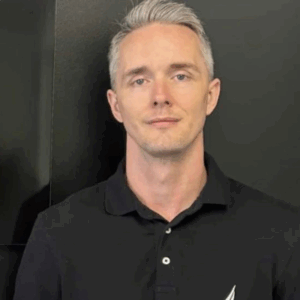
Portrait of Josh Sprung, L.C.S.W.
Clinically Reviewed By
Josh Sprung, L.C.S.W.
Board-Certified Clinical Social Worker
Joshua Sprung serves as a Clinical Reviewer at Louisville Addiction Center, bringing a wealth of expertise to ensure exceptional patient care. Read more.
→ Accreditations & Licenses

The Joint Commission
Awarded The Gold Seal of Approval® for meeting rigorous performance standards in safety, quality, and patient care.
LegitScript Certified
Validates compliance with laws and regulations, confirming transparency and accountability in addiction treatment marketing.
BBB Accredited
Demonstrates ethical business practices, client satisfaction commitment, and a trusted reputation in the community.
Psychology Today Verified
Verified listing on Psychology Today, a trusted directory for addiction treatment providers and behavioral health centers.
HIPAA Compliant
Ensures all patient health information is protected and managed under strict federal privacy and security standards.
NAATP Member
Lexington Addiction Center is a proud member of the National Association of Addiction Treatment Providers (NAATP).
5-Star Google Reviews
Recognized for consistent 5-star ratings, reflecting excellent care and trusted patient experiences at Lexington Addiction Center.
Help.org Recognition
Recognized by Help.org for quality addiction treatment services and community impact.
→ Sources

Kelly, J. F., Humphreys, K., & Ferri, M. (2020). Alcoholics Anonymous and other 12-step programs for alcohol use disorder. Cochrane Database of Systematic Reviews, 3(3), CD012880. https://doi.org/10.1002/14651858.CD012880.pub2

Substance Abuse and Mental Health Services Administration. (2023). Recovery and recovery support. U.S. Department of Health and Human Services. https://www.samhsa.gov/find-help/recovery

Centers for Disease Control and Prevention. (2023). Syringe services programs. U.S. Department of Health and Human Services. https://www.cdc.gov/syringe-services-programs/

McDonald, R., & Strang, J. (2016). Are take-home naloxone programmes effective? Systematic review utilizing application of the Bradford Hill criteria. Addiction, 111(7), 1177-1187. https://doi.org/10.1111/add.13326

Al-Anon Family Groups. (2023). How Al-Anon works for families and friends of alcoholics. Al-Anon Family Group Headquarters, Inc.

Kentucky Department for Public Health. (2024). Kentucky drug overdose deaths and emergency department visits. Kentucky Cabinet for Health and Family Services. https://www.chfs.ky.gov/agencies/dph/dehp/idb/Pages/overdose-deaths.aspx

Yes, Your Insurance Covers Detox and Rehab Treatment

Complete a free, confidential Verification of Benefits to learn more about what resources may be available to you.

Contact Us Today

Lexington Addiction Center - logo

Addiction and co-occurring disorders don’t have to control your life. Lexington Addiction Center is waiting with open arms to give you the tools necessary for lasting change. Reach out to us today to learn more.