Risks of Going Cold Turkey From Heroin

When someone decides to stop abusing heroin, it is the best decision they could make for themselves. But going cold turkey from heroin can be an awful experience to endure. It may look like an easy process, but in reality it is a dangerous process to go through alone. Having medical supervision is best when deciding to find recovery from heroin addiction. An individual’s decision to end heroin abuse is an attainable goal, especially when done safely and effectively.

Going Cold Turkey From Heroin

While it seems like an easy and convenient process to go cold turkey from 12 nofollow noopener noreferrer3>heroin in the comfort of home, it isn’t necessarily the best decision to do so. When quitting heroin, there are some pretty uncomfortable withdrawal symptoms that occur. Some symptoms of going cold turkey from heroin include:

  • Muscle pain and spasms
  • Nausea
  • Vomiting
  • Diarrhea
  • Mood swings
  • Depression
  • Anxiety
  • Blood pressure changes
  • Heart rate changes
  • Insomnia
  • Headache

These symptoms often lead people to relapse which could make the situation much more dangerous. Often, when an individual decides that going cold turkey from heroin at home is what they wish to do, they end up turning to heroin to alleviate these symptoms and it can lead to fatal consequences.

Effects and Risks

When going cold turkey from heroin, there are some risks involved. These risks range from mild to extreme. Some can be long-term, and even fatal. 

Blood pressure

Blood pressure changes can occur as a result of going cold turkey from heroin. When blood pressure gets too high or too low, it can result in some severe health complications and harm an individual long term.

Seizures

Due to the health effects of going cold turkey from heroin, a seizure can be a side effect. Having professional and medical monitoring as someone goes through heroin withdrawal can make all the difference. This is why it is so highly suggested to do so under medical supervision.

Delusions

When using substances like heroin, the brain tends to change. As the body is expelling the toxins, the brain is simultaneously trying to correct itself. This can lead to an altered mental state, resulting in delusions. Being monitored by professionals can prevent these delusions from becoming out of control.

Relapse and Overdose

The most severe risk someone could take when going cold turkey from heroin in the comfort of their home could result in relapse and potentially fatal overdose. Due to the symptoms of heroin withdrawal, individuals tend to return to using heroin after a period of not using it. This can lead to overdose. They tend to use the same amount as they did prior to stopping, and because the body isn’t as dependent on it, processing the drug is harder and it results in overdose. This can be fatal.

Why Relapse Occurs When Using Cold Turkey Method

Outside of the physical symptoms of withdrawal that can occur as a result of going cold turkey from heroin at home, one of the biggest contributors to relapse is mental cravings. As previously stated, the brain changes when it becomes dependent on a substance. Because the brain is so sensitive, when the body becomes dependent and the brain changes when the substance is abruptly removed or stopped, the brain goes into overdrive trying to fix itself. It craves the substance and in turn, the person begins to obsess and feel as though they need the drug. This can occur even after the physical dependence has come and gone.

Why Detox is Best

Medical detox compared to going cold turkey from heroin is the best decision. Having medical professionals available to assist as these symptoms arise, day or night, and being able to alleviate the symptoms can prevent the potentially harmful effects of heroin detox from occurring. Professional medical detox is a lot safer, and a lot more comfortable than going cold turkey from heroin at home. Risking some of these symptoms occurring can lead to severe consequences that can be long-lasting. Some of the symptoms can lead to devastating and fatal results. 

The best solution when deciding to end heroin abuse is to seek professional help and guidance to achieve recovery and begin living life again. Recovery is possible, especially if the detox process is as smooth and comfortable as possible.

Detox From Heroin Safely

When struggling with heroin, it can be a dangerous game. Not only can it create havoc in the lives of those who struggle, but it can also affect their loved ones. Heroin is extremely deadly and leads to some pretty severe consequences. If you or a loved one are struggling with heroin, Lexington Addiction Center can help. We have a team of professionals standing by that can help to guide you through the process of achieving recovery. Contact us today and begin living a new life!


FAQ: Cold Turkey From Heroin

What does it mean to go “cold turkey” from heroin?

Going “cold turkey” means stopping heroin use abruptly and without tapering or medical supervision rather than gradually reducing the dose or transitioning to medications that ease withdrawal. When someone uses heroin regularly — especially at high doses or over a long period — the body adapts to the drug’s presence. Heroin is an opioid that binds to receptors in the brain that regulate pain, reward, and physiological function. Over time, the nervous system comes to rely on the drug for normal functioning. When heroin use stops suddenly, this adaptive system is shocked by the absence of the substance it has become dependent on. As a result, intense withdrawal symptoms can emerge rapidly and simultaneously, including physical discomfort such as muscle aches, nausea, sweating, chills, and tremors, alongside emotional distress like anxiety, depression, irritability, and craving. Because the body and brain have become accustomed to heroin, quitting abruptly — without professional guidance or tapering — increases the risk of severe discomfort, health complications, and relapse. For these reasons, medical and addiction specialists generally recommend supervised detox or medically assisted tapering rather than cold turkey alone.

Why does heroin withdrawal happen when someone stops using the drug suddenly?

Heroin withdrawal happens because the body develops physical dependence on the drug over time. Heroin alters neurochemical pathways in the brain by binding to opioid receptors that control pain and reward. With repeated use, the brain reduces its own production of natural opioids and adjusts receptor activity to compensate for the constant presence of the drug. When heroin is suddenly removed, the nervous system no longer receives the chemical input it has learned to expect, leaving the body in a state of imbalance. This imbalance triggers withdrawal symptoms as the brain and body try to readjust to functioning without heroin. The nervous system becomes highly reactive, which results in physical symptoms like increased heart rate, gastrointestinal distress, sweating, muscle aches, and tremors. Emotional symptoms such as anxiety, agitation, fear, and depressed mood also appear because the reward and stress-regulation systems are suddenly disrupted. Heroin withdrawal reflects the nervous system’s attempt to restore equilibrium in the absence of a substance it had adapted to, and because these adaptations are physiological as well as psychological, withdrawal can be intense and challenging to manage without support.

What are the typical symptoms of heroin withdrawal when quitting cold turkey?

When someone stops using heroin abruptly, a range of withdrawal symptoms typically emerge within hours — and these symptoms can be physically and emotionally intense. Common physical symptoms include muscle aches, tremors, chills, sweating, nausea, vomiting, diarrhea, abdominal cramps, and rapid heartbeat. These symptoms reflect the body’s struggle to regulate physiological systems that were previously influenced by opioid use. Emotional symptoms often develop alongside physical discomfort and can include anxiety, restlessness, irritability, mood swings, depression, and intense cravings for the drug. Other common signs include yawning, goosebumps, trouble sleeping, and inability to concentrate. The intensity of these symptoms can vary based on the length and frequency of heroin use, individual health history, and any co-occurring conditions such as anxiety disorders or chronic pain. While symptoms usually peak within the first few days of quitting, emotional discomfort may persist for weeks or longer. Because these withdrawal symptoms can be overwhelming and sometimes dangerous, many people find cold turkey difficult to sustain without medical support. Structured treatment plans aim to reduce symptom severity and provide tools to manage both physical discomfort and emotional stress during early recovery.

Is it safe to quit heroin cold turkey at home?

Quitting heroin cold turkey at home is generally not recommended due to the potential for severe withdrawal symptoms and health risks. Heroin withdrawal is rarely life-threatening in and of itself, but it can trigger complications that are dangerous if left unmanaged. For example, dehydration from persistent vomiting or diarrhea, cardiovascular stress from rapid heart rate and elevated blood pressure, and severe emotional distress can all pose significant risks. Without professional monitoring, someone may underestimate the seriousness of symptoms or delay seeking help during a medical emergency. Additionally, the intensity of cravings and discomfort often leads people to return to use, which increases the risk of relapse — and relapse itself can become life-threatening due to reduced tolerance and overdose potential. Medical detox settings provide continuous assessment, symptom management, and access to medications that reduce physical discomfort. These environments also offer psychological support and coping strategies that can’t easily be replicated at home. For individuals with co-occurring medical or mental health conditions, professional supervision ensures that complications are caught and treated early. Overall, quitting heroin is safest when guided by trained clinicians in a controlled setting designed to support both physical and emotional needs.

Why is medically supervised detox preferred over quitting cold turkey?

Medically supervised detox is preferred because it provides safety, symptom management, and professional support during a vulnerable and physically uncomfortable process. In a supervised setting, clinicians monitor vital signs, prevent complications, and administer medications that can reduce the severity of withdrawal symptoms. These medications — such as buprenorphine, methadone, or clonidine — help stabilize the nervous system and make withdrawal more tolerable. This support can significantly reduce the fear and distress that often accompany cold turkey attempts, lowering relapse risk and improving the likelihood that the individual will transition into further treatment. Medical detox also ensures that any co-occurring conditions — such as anxiety, depression, or chronic pain — are evaluated and managed simultaneously. Detox alone does not address the behavioral and emotional aspects of addiction, but it creates a safer foundation for therapy, counseling, and longer-term recovery planning. In contrast, quitting cold turkey without supervision can leave someone overwhelmed by symptoms, unprepared for emotional distress, and at risk of returning to use just to relieve discomfort. Ultimately, medically supervised detox combines physical care, psychological support, and continuity of treatment planning, which leads to better outcomes.

How long does heroin withdrawal last when stopping cold turkey?

Heroin withdrawal follows a typical timeline, but the duration and intensity vary depending on factors like frequency of use, dosage levels, overall health, and individual physiology. Symptoms usually begin within 6 to 12 hours after the last dose and quickly escalate. The first few days — typically days 2 and 3 — are often the most uncomfortable, with a peak of intense physical and emotional symptoms. After this peak, many physical symptoms start to diminish gradually over the course of about one week. However, emotional and psychological symptoms — including anxiety, restlessness, dysphoria, and cravings — can persist for several weeks or more. This period is sometimes referred to as post-acute withdrawal syndrome (PAWS), and it involves mood fluctuations, irritability, trouble sleeping, and continued vulnerability to stress. Because withdrawal doesn’t end abruptly once acute symptoms lessen, supportive care and structured treatment plans are essential for long-term recovery. While the most intense phase is usually within the first 7–10 days, the process of emotional stabilization and adjustment can take longer, which highlights why cold turkey attempts are often uncomfortable and why professional support increases the likelihood of sustained abstinence.

What emotional challenges come with quitting heroin cold turkey?

In addition to physical discomfort, quitting heroin cold turkey often triggers intense emotional challenges that can be as distressing as the bodily symptoms. Heroin affects brain regions involved in reward, stress regulation, and emotional processing, which means that when the drug is removed, those systems struggle to function normally. Many individuals experience anxiety, irritability, mood swings, depression, and emotional numbness during withdrawal. These feelings can be overwhelming and may create a sense of hopelessness or despair, especially when emotional regulation skills are already compromised by addiction. There’s also the psychological challenge of coping with the fear of relapse during moments of intense craving or distress. Emotional symptoms can persist even after physical symptoms improve, sometimes lasting weeks or months as the brain gradually recalibrates. Without supportive environments, therapy, or healthy coping tools, individuals can feel isolated, overwhelmed, or frightened by these emotional shifts. For these reasons, addiction treatment plans often integrate behavioral therapy, counseling, and peer support alongside medical detox to help individuals process emotions, build resilience, and develop healthier strategies for managing stress without returning to substance use.

What treatment options are available after stopping heroin?

Stopping heroin is just the first step in a longer recovery journey, and effective treatment plans include multiple levels of care beyond detox. After medically supervised withdrawal, individuals often transition into residential or inpatient treatment programs, which provide intensive therapy, structured routines, and safe environments for early recovery. These programs combine individual counseling, group therapy, life-skills training, relapse prevention, and peer support to help individuals understand triggers, rebuild emotional health, and develop new coping strategies. Outpatient programs offer flexibility for those who need to maintain some daily responsibilities while engaging in recovery work. Medication-assisted treatment (MAT) — using medications like buprenorphine or methadone — can help reduce cravings and stabilize brain chemistry during early recovery. Other components of care include family counseling, dual-diagnosis treatment if co-occurring mental health conditions exist, and long-term support groups such as Narcotics Anonymous. Aftercare planning ensures continuity of support once formal programs end, helping individuals connect with community resources, sober living arrangements, and ongoing therapy. A comprehensive treatment approach addresses not only the physical aspects of withdrawal but also the emotional, psychological, and social dimensions of recovery, greatly increasing the chances of sustained sobriety and long-term well-being.


Blog Content Disclaimer – Educational & Informational Use

The content published on Lexington Addiction Center blog pages is intended for general educational and informational purposes related to addiction, substance use disorders, detoxification, rehabilitation, mental health, and recovery support. Blog articles are designed to help readers better understand addiction-related topics and explore treatment concepts, but they are not a substitute for professional medical advice, diagnosis, or individualized treatment planning.

Addiction and co-occurring mental health conditions are complex medical issues that affect individuals differently based on many factors, including substance type, length of use, physical health, mental health history, medications, age, and social environment. Because of this variability, information discussed in blog articles—such as withdrawal symptoms, detox timelines, treatment approaches, medications, relapse risks, or recovery strategies—may not apply to every individual. Reading blog content should not replace consultation with licensed medical or behavioral health professionals.

If you or someone you know is experiencing a medical or mental health emergency, call 911 immediately or go to the nearest emergency room. Emergencies may include suspected overdose, seizures, difficulty breathing, chest pain, severe confusion, hallucinations with unsafe behavior, loss of consciousness, suicidal thoughts, or threats of harm to oneself or others. Lexington Addiction Center blog content is not intended for crisis intervention and should never be used in place of emergency care.

Detoxification from drugs or alcohol can involve serious medical risks, particularly with substances such as alcohol, benzodiazepines, opioids, and certain prescription medications. Withdrawal symptoms can escalate quickly and may become life-threatening without proper medical supervision. Any blog content describing detox, withdrawal, or substance cessation is provided to raise awareness and encourage safer decision-making—not to instruct readers to detox on their own. Attempting self-detox without medical oversight can be dangerous and is strongly discouraged.

Blog articles may discuss various addiction treatment options, including medical detox, residential or inpatient rehab, outpatient programs, therapy modalities, medication-assisted treatment, aftercare planning, and recovery support services. These discussions reflect commonly used, evidence-informed approaches but do not represent guarantees of effectiveness or suitability for every person. Treatment recommendations should always be based on a comprehensive assessment conducted by licensed professionals.

Information related to insurance coverage, treatment costs, or payment options that appears within blog content is provided for general informational purposes only. Insurance benefits vary widely depending on the individual’s plan, carrier, state regulations, and medical necessity criteria. Coverage details may change without notice, and no insurance-related statements on blog pages should be interpreted as a promise of coverage or payment. Lexington Addiction Center encourages readers to contact our admissions team directly to verify insurance benefits and eligibility before making treatment decisions.

Some blog posts may reference third-party studies, external organizations, medications, community resources, or harm-reduction concepts. These references are provided for educational context only and do not constitute endorsements. Lexington Addiction Center does not control third-party content and is not responsible for the accuracy, availability, or practices of external websites or organizations.

Blog content may also include general advice for families or loved ones supporting someone with addiction. While these discussions aim to be supportive and informative, every situation is unique. If there is an immediate safety concern—such as violence, overdose risk, child endangerment, or medical instability—emergency services or qualified professionals should be contacted right away rather than relying on online information.

Use of Lexington Addiction Center blog pages does not establish a provider–patient relationship. Submitting comments, contacting the center through a blog page, or reading articles does not guarantee admission to treatment or access to services. Recovery outcomes vary, and no specific results are promised or implied.

If you are struggling with substance use, withdrawal symptoms, or questions about treatment, we encourage you to seek guidance from licensed healthcare providers. For personalized information about treatment options or insurance verification, you may contact Lexington Addiction Center directly. For emergencies, call 911 immediately.

Call or message us

You’ll connect with a compassionate admissions coordinator who understands what you’re going through.

Free assessment

We’ll ask about your drug use, medical history, and mental health to help build the right plan.

Insurance check

We’ll verify your benefits and explain exactly what’s covered—no surprises.

Choose a start date

If you’re ready, we can often schedule your intake the same week.
→ Contributors
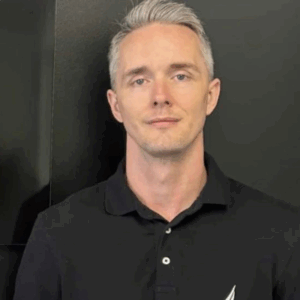
Portrait of Dr. Vahid Osman, Board-Certified Psychiatrist and Addictionologist
Medically Reviewed By
Dr. Vahid Osman, M.D.
Board-Certified Psychiatrist & Addictionologist
Dr. Vahid Osman is a Board-Certified Psychiatrist and Addictionologist with extensive experience treating mental illness, chemical dependency, and developmental disorders. Dr. Osman trained in Psychiatry in France and in Austin, Texas. Read more.
Portrait of Josh Sprung, L.C.S.W.
Clinically Reviewed By
Josh Sprung, L.C.S.W.
Board-Certified Clinical Social Worker
Joshua Sprung serves as a Clinical Reviewer at Louisville Addiction Center, bringing a wealth of expertise to ensure exceptional patient care. Read more.
→ Accreditations & Licenses

The Joint Commission
Awarded The Gold Seal of Approval® for meeting rigorous performance standards in safety, quality, and patient care.
LegitScript Certified
Validates compliance with laws and regulations, confirming transparency and accountability in addiction treatment marketing.
BBB Accredited
Demonstrates ethical business practices, client satisfaction commitment, and a trusted reputation in the community.
Psychology Today Verified
Verified listing on Psychology Today, a trusted directory for addiction treatment providers and behavioral health centers.
HIPAA Compliant
Ensures all patient health information is protected and managed under strict federal privacy and security standards.
NAATP Member
Lexington Addiction Center is a proud member of the National Association of Addiction Treatment Providers (NAATP).
5-Star Google Reviews
Recognized for consistent 5-star ratings, reflecting excellent care and trusted patient experiences at Lexington Addiction Center.
Help.org Recognition
Recognized by Help.org for quality addiction treatment services and community impact.
→ Meet Our Team

At Lexington Addiction Center, we believe that recovery is a journey, not a destination. That’s why we offer a comprehensive continuum of care, delivered by a team of experienced and compassionate professionals. Our team is made up of licensed therapists, counselors, nurses, and other professionals who are passionate about helping people achieve lasting sobriety. Whether you are just starting your recovery journey or you are a seasoned veteran, we are here to support you every step of the way. We believe in you, and we are committed to helping you achieve your recovery goals.

→ Tour Our Rehab Center

Explore Lexington Addiction Center’s drug & alcohol detox rehab treatment center in Lexington, KY and step into private therapy offices, spacious group rooms, and tranquil lounges where thoughtful design supports every stage of substance-use recovery.

Yes, Your Insurance Covers Detox and Rehab Treatment

Complete a free, confidential Verification of Benefits to learn more about what resources may be available to you.

Contact Us Today

Lexington Addiction Center - logo

Addiction and co-occurring disorders don’t have to control your life. Lexington Addiction Center is waiting with open arms to give you the tools necessary for lasting change. Reach out to us today to learn more.