Eight Key Life Skills in Addiction Recovery

Life skills in addiction recovery are essential to learning how to live life productively. Learning and implementing these skills into your day to day routines is vital for moving forward in life and being able to maintain recovery long term, even on the hard days. But what are life skills? Why are they important? There are many different things that you could introduce into your daily routine that can help you achieve long term recovery. Seeking ways to learn different skills is highly recommended for those looking to stay clean and sober.

What are Life Skills?

As addiction progresses, people often forget how to be a “normal” person. Even the simplest of tasks seem far-fetched and foreign.

When someone gets sober, and is trying to change their life, they have to relearn some of the most basic things in order to be a productive member of society again. In such cases, aftercare services can be a lifeline. Here are some examples of what some essential life skills are.

Problem Solving Skills

Life skills in addiction recovery include problem-solving skills. This is a skill that can be used in all aspects of life, from family relationships to problems that can arise in the workplace. Problem-solving is an essential skill to being able to turn a negative into a positive. As addicts, people tend to run away from problems and turn to drugs and alcohol as a solution.

Of course, drugs and alcohol only compound the problem. Learning ways to effectively work through whatever is going on that is causing discomfort is essential to maintaining mental health and wellness.

Communication Skills

Lack of effective communication is a struggle that most people endure. Learning to clearly and effectively communicate feelings and boundaries can help to teach assertiveness and allow for someone to grow in self confidence. Being able to communicate when things are tough, and you are struggling can help you to maintain your recovery when you want to give up on the process. Hard days are hard. But being able to communicate when you’re experiencing a rough patch can help you to learn ways that others have made it through the same things.

Setting and Achieving Goals

Goal-setting is one of the most effective life skills in addiction recovery. Throughout active addiction, the only goal that was ever set was to get drunk or high. On most days that goal was achieved. Applying that same thought process to goals in recovery can help you to get where you want to be and all the while gaining self confidence. When you set a small goal and reach that goal, the good feeling of accomplishment can help propel you forward to greater and greater goals.

Financial Management

In early recovery it can be difficult and overwhelming to be able to hold onto money and not impulsively spend every penny you have. During your using, every cent went to maintaining your habit. Filling that void with spending money impulsively can lead to financial hardship and eventually it can lead to relapse. Money management and saving for your goals and future can help to set the path for a successful future.

Self-Care

12 nofollow noopener noreferrer3>Self-care is another of the most important life skills in addiction recovery. Being able to take time for yourself, so that you can do things that bring you joy and happiness, is crucial for balance. Recovery is a full time job, and having pleasurable and fun times is part of maintaining a balance. Between working a regular job, and doing recovery related things, having fun is a necessary component.

Develop Coping Mechanisms

The go-to choice for addicts and alcoholics is turning to drugs and alcohol. The old adage of “When I stubbed my toe my answer was to drink or use drugs” applies here. Rather than turning to drugs and alcohol to deal with day to day inconveniences, learning how to do positive and healthy things can be helpful.

Build Relationships

Having healthy, positive relationships in recovery, especially with people who are like-minded and on the same path is another of the healthier life skills in addiction recovery. Having people that can support and help you when times are hard is going to be one of the best things you can have to maintain recovery.

Perseverance

No matter what, don’t give up. You have come this far, and when you were drinking and drugging you never gave up until you got what you wanted. Recovery operates on the same concept. In conclusion, put the same amount of effort into staying clean and sober that you put into using and you can maintain recovery over the long term.

Learning Life Skills in Lexington, KY

If you or a loved one are struggling with addiction and looking to learn a new way of life, there is help out there. At Lexington Addiction Center we teach the necessary life skills that can help to maintain recovery. Contact us today and start the next chapter of your life.

Frequently Asked Questions — Life Skills in Addiction Recovery

What are life skills in addiction recovery?
Life skills in addiction recovery are practical abilities and strategies that help individuals manage daily responsibilities and maintain long-term sobriety. These skills include communication, emotional regulation, stress management, problem-solving, decision-making, financial management, healthy lifestyle habits, and interpersonal relationship skills. Developing life skills helps people rebuild their lives outside of addiction and supports sustained health, purpose, and well-being.
Why are life skills important in recovery?
Recovery from addiction involves more than stopping substance use — it requires learning how to live a balanced, productive, and fulfilling life. Life skills equip individuals with tools to navigate challenges without relapsing, cope with triggers, handle stress, communicate effectively, and make positive choices. Without these skills, many people struggle to maintain stability after treatment.
How do life skills help prevent relapse?
Life skills give individuals replacements for old patterns that may have led to substance use. For example, stress management techniques help people cope with pressure without turning to drugs or alcohol. Effective communication skills reduce conflict and support healthier relationships. When someone has healthy alternatives for dealing with emotional or environmental triggers, relapse risk decreases.
What specific life skills are most helpful in recovery?

Some of the most beneficial life skills in recovery include:

  • Stress and emotion management: Techniques like mindfulness, journaling, or deep breathing

  • Healthy routine building: Sleep, nutrition, exercise

  • Time management: Organizing tasks and priorities

  • Communication skills: Listening well and expressing needs constructively

  • Financial management: Budgeting and responsible money handling

  • Problem-solving: Approaching challenges with clear, sober thinking

  • Relationship skills: Setting boundaries and resolving conflict respectfully

Developing these skills helps people handle life’s ups and downs without reverting to substance use.

Can life skills be learned after addiction treatment?

Absolutely. Many treatment programs include life skills training as part of their curriculum. Whether learned in treatment, outpatient therapy, peer support groups, or community programs, life skills can be developed at any stage of recovery. It’s never too late to build healthier habits and capabilities.

How do therapists teach life skills in recovery?

Therapists use various approaches depending on individual needs. Cognitive-behavioral therapy (CBT) helps clients identify unhelpful thoughts and develop healthier coping strategies. Group therapy provides opportunities to practice communication and social skills. Role-playing, homework assignments, goal setting, and relapse prevention planning are also commonly used to develop practical life skills.

Are life skills training and relapse prevention the same thing?

Not exactly, though they overlap. Life skills training focuses broadly on everyday abilities and healthy habits, while relapse prevention specifically teaches strategies to identify, anticipate, and cope with triggers that could lead to relapse. Both are essential components of a strong recovery plan.

How long do life skills training take?

There’s no fixed timeline. Some skills are learned quickly, while others require ongoing practice. Treatment programs may offer short workshops or longer courses integrated into months of therapy. The key is consistent application — the more someone practices these skills in real life, the stronger they become.

Can life skills training help with relationships in recovery?

Yes. Healthy relationships are foundational to long-term recovery, and life skills training often includes modules on communication, conflict resolution, emotional awareness, and boundary setting. These skills help individuals rebuild trust, strengthen friendships and family bonds, and navigate social situations that were once triggers.

Do support groups help develop life skills?

Support groups like 12-step fellowships, SMART Recovery, Young People in Recovery (YPR), and peer support circles provide opportunities to practice life skills in community. Members often share coping strategies, communication techniques, stress management tools, and accountability methods — all of which reinforce life skills learned in clinical settings.

How do life skills support mental health in recovery?

Life skills improve resilience, emotional regulation, and self-awareness — all of which are crucial for mental health. Skills like stress management, healthy routines, and effective communication reduce anxiety, enhance mood stability, and increase confidence. When individuals feel equipped to manage life’s challenges, overall mental well-being improves.

Where can I get life skills training in Lexington, KY?

Lexington Addiction Center offers comprehensive recovery care that includes life skills development alongside detox, therapy, relapse prevention, and support planning. Our team helps individuals build the everyday skills they need for lasting recovery and a meaningful life beyond addiction.

How do I get started with life skills training?

The first step is reaching out for support. Contact Lexington Addiction Center to speak with a professional about your recovery goals and life skills needs. They can help design a personalized plan that includes education, therapy, support services, and actionable tools for lasting change.

Call or message us

You’ll connect with a compassionate admissions coordinator who understands what you’re going through.

Free assessment

We’ll ask about your drug use, medical history, and mental health to help build the right plan.

Insurance check

We’ll verify your benefits and explain exactly what’s covered—no surprises.

Choose a start date

If you’re ready, we can often schedule your intake the same week.
Blog Content Disclaimer – Educational & Informational Use

The content published on Lexington Addiction Center blog pages is intended for general educational and informational purposes related to addiction, substance use disorders, detoxification, rehabilitation, mental health, and recovery support. Blog articles are designed to help readers better understand addiction-related topics and explore treatment concepts, but they are not a substitute for professional medical advice, diagnosis, or individualized treatment planning.

Addiction and co-occurring mental health conditions are complex medical issues that affect individuals differently based on many factors, including substance type, length of use, physical health, mental health history, medications, age, and social environment. Because of this variability, information discussed in blog articles—such as withdrawal symptoms, detox timelines, treatment approaches, medications, relapse risks, or recovery strategies—may not apply to every individual. Reading blog content should not replace consultation with licensed medical or behavioral health professionals.

If you or someone you know is experiencing a medical or mental health emergency, call 911 immediately or go to the nearest emergency room. Emergencies may include suspected overdose, seizures, difficulty breathing, chest pain, severe confusion, hallucinations with unsafe behavior, loss of consciousness, suicidal thoughts, or threats of harm to oneself or others. Lexington Addiction Center blog content is not intended for crisis intervention and should never be used in place of emergency care.

Detoxification from drugs or alcohol can involve serious medical risks, particularly with substances such as alcohol, benzodiazepines, opioids, and certain prescription medications. Withdrawal symptoms can escalate quickly and may become life-threatening without proper medical supervision. Any blog content describing detox, withdrawal, or substance cessation is provided to raise awareness and encourage safer decision-making—not to instruct readers to detox on their own. Attempting self-detox without medical oversight can be dangerous and is strongly discouraged.

Blog articles may discuss various addiction treatment options, including medical detox, residential or inpatient rehab, outpatient programs, therapy modalities, medication-assisted treatment, aftercare planning, and recovery support services. These discussions reflect commonly used, evidence-informed approaches but do not represent guarantees of effectiveness or suitability for every person. Treatment recommendations should always be based on a comprehensive assessment conducted by licensed professionals.

Information related to insurance coverage, treatment costs, or payment options that appears within blog content is provided for general informational purposes only. Insurance benefits vary widely depending on the individual’s plan, carrier, state regulations, and medical necessity criteria. Coverage details may change without notice, and no insurance-related statements on blog pages should be interpreted as a promise of coverage or payment. Lexington Addiction Center encourages readers to contact our admissions team directly to verify insurance benefits and eligibility before making treatment decisions.

Some blog posts may reference third-party studies, external organizations, medications, community resources, or harm-reduction concepts. These references are provided for educational context only and do not constitute endorsements. Lexington Addiction Center does not control third-party content and is not responsible for the accuracy, availability, or practices of external websites or organizations.

Blog content may also include general advice for families or loved ones supporting someone with addiction. While these discussions aim to be supportive and informative, every situation is unique. If there is an immediate safety concern—such as violence, overdose risk, child endangerment, or medical instability—emergency services or qualified professionals should be contacted right away rather than relying on online information.

Use of Lexington Addiction Center blog pages does not establish a provider–patient relationship. Submitting comments, contacting the center through a blog page, or reading articles does not guarantee admission to treatment or access to services. Recovery outcomes vary, and no specific results are promised or implied.

If you are struggling with substance use, withdrawal symptoms, or questions about treatment, we encourage you to seek guidance from licensed healthcare providers. For personalized information about treatment options or insurance verification, you may contact Lexington Addiction Center directly. For emergencies, call 911 immediately.

→ Contributors
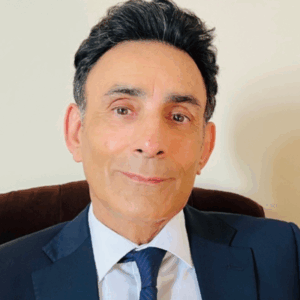
Portrait of Dr. Vahid Osman, Board-Certified Psychiatrist and Addictionologist
Medically Reviewed By
Dr. Vahid Osman, M.D.
Board-Certified Psychiatrist & Addictionologist
Dr. Vahid Osman is a Board-Certified Psychiatrist and Addictionologist with extensive experience treating mental illness, chemical dependency, and developmental disorders. Dr. Osman trained in Psychiatry in France and in Austin, Texas. Read more.
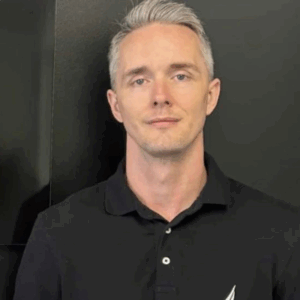
Portrait of Josh Sprung, L.C.S.W.
Clinically Reviewed By
Josh Sprung, L.C.S.W.
Board-Certified Clinical Social Worker
Joshua Sprung serves as a Clinical Reviewer at Louisville Addiction Center, bringing a wealth of expertise to ensure exceptional patient care. Read more.
→ Accreditations & Licenses

The Joint Commission
Awarded The Gold Seal of Approval® for meeting rigorous performance standards in safety, quality, and patient care.
LegitScript Certified
Validates compliance with laws and regulations, confirming transparency and accountability in addiction treatment marketing.
BBB Accredited
Demonstrates ethical business practices, client satisfaction commitment, and a trusted reputation in the community.
Psychology Today Verified
Verified listing on Psychology Today, a trusted directory for addiction treatment providers and behavioral health centers.
HIPAA Compliant
Ensures all patient health information is protected and managed under strict federal privacy and security standards.
NAATP Member
Lexington Addiction Center is a proud member of the National Association of Addiction Treatment Providers (NAATP).
5-Star Google Reviews
Recognized for consistent 5-star ratings, reflecting excellent care and trusted patient experiences at Lexington Addiction Center.
Help.org Recognition
Recognized by Help.org for quality addiction treatment services and community impact.
→ Meet Our Team

At Lexington Addiction Center, we believe that recovery is a journey, not a destination. That’s why we offer a comprehensive continuum of care, delivered by a team of experienced and compassionate professionals. Our team is made up of licensed therapists, counselors, nurses, and other professionals who are passionate about helping people achieve lasting sobriety. Whether you are just starting your recovery journey or you are a seasoned veteran, we are here to support you every step of the way. We believe in you, and we are committed to helping you achieve your recovery goals.

→ Tour Our Rehab Center

Explore Lexington Addiction Center’s drug & alcohol detox rehab treatment center in Lexington, KY and step into private therapy offices, spacious group rooms, and tranquil lounges where thoughtful design supports every stage of substance-use recovery.

Yes, Your Insurance Covers Detox and Rehab Treatment

Complete a free, confidential Verification of Benefits to learn more about what resources may be available to you.

Contact Us Today

Lexington Addiction Center - logo

Addiction and co-occurring disorders don’t have to control your life. Lexington Addiction Center is waiting with open arms to give you the tools necessary for lasting change. Reach out to us today to learn more.