Drug & Alcohol Addiction Rehab Programs Covered by Anthem BCBS Ohio 

If you are searching for Anthem BCBS OHIO rehab coverage, you are probably trying to answer two questions fast: what Anthem Blue Cross Blue Shield of Ohio might cover for addiction treatment, and what your costs could look like if you get care in Kentucky. This page is meant to help you understand common coverage categories for substance use and mental health treatment, then guide you to the only step that gives you real clarity, verifying benefits for your specific plan before you start care.

At Lexington Addiction Center, we work with people who need a structured plan that fits real life. Our programming includes detox and rehab support, Partial Hospitalization (PHP), Intensive Outpatient (IOP), Outpatient (OP), Virtual OP, and a dedicated Veterans Rehab track.

Here is the important part that many insurance pages gloss over. Anthem Blue Cross Blue Shield of Ohio plans are not all the same. Even if two people both say they have Anthem, their benefits can be totally different based on employer plan design, plan type, and network rules. That’s why guessing leads to delays and surprise bills. Verifying benefits up front helps you understand what Anthem may cover, what level of care is clinically appropriate, and whether prior authorization is required before you start.

This page also addresses a common situation: using an Ohio-based plan while looking for treatment in Kentucky. Many Anthem plans do include behavioral health benefits that can apply to substance use treatment, including detoxification services and higher intensity outpatient levels like IOP and partial hospital care. 

That said, coverage in Kentucky depends on the specific product you have, whether the provider is considered in network for your plan, and whether Anthem requires medical necessity documentation and authorization for the level of care you need.

You will see the phrase treatment programs covered by Anthem Blue Cross Blue Shield of Ohio throughout search results, but the practical reality is simpler. Coverage is not a single promise. It is a set of rules tied to your plan, and those rules determine what gets approved, for how long, and what you pay.

If you want the fastest path to a real answer, start with verification. Our admissions team can help you confirm benefits and explain your next steps based on your clinical needs and your plan details, because the goal is not just finding a covered program. The goal is to enter the right level of care with your eyes open about timing, approvals, and costs.

Quick Coverage Snapshot: What Anthem BCBS Ohio Rehab Coverage Usually Includes

Most Anthem Blue Cross Blue Shield of Ohio plans include behavioral health benefits, and Anthem’s own Ohio behavioral health overview lists covered services that can include detoxification services, residential treatment for substance use disorder, and outpatient substance abuse services, including intensive outpatient and partial hospital care.

Anthem BCBS OHIO rehab coverage often maps to the following categories, but the exact coverage and your costs depend on your plan and on medical necessity requirements:

  • Detoxification services, including medically managed detox when withdrawal risk is clinically significant

  • Anthem Blue Cross Blue Shield of Ohio coverage of residential inpatient programs, which may be relevant when someone needs a 24-hour structure and monitoring

  • Anthem Blue Cross Blue Shield of Ohio coverage of acute rehab programs, which typically involves higher intensity, higher oversight care and stricter authorization rules

  • Partial Hospitalization Program (PHP) is a high-structure outpatient level that can resemble hospital day programming in intensity.

  • Intensive Outpatient Program (IOP), structured treatment multiple days per week, with more flexibility than PHP

  • Outpatient Program (OP), ongoing therapy and support at a lower weekly intensity

  • Anthem Blue Cross Blue Shield of Ohio Coverage of Dual Diagnosis Treatment Programs, which can include therapy and psychiatry services when mental health and substance use are treated together

  • Aftercare and relapse prevention support, usually delivered through ongoing outpatient therapy, peer support, and care coordination, depending on benefits.

One more Kentucky-specific note. Even if your plan includes inpatient benefits, Lexington addiction center is primarily built around outpatient levels of care and detox support, including PHP, IOP, OP, and Virtual OP, with step-down planning across levels so you can keep momentum as intensity changes.

What Does Anthem Blue Cross Blue Shield of Ohio Cover for Addiction Treatment?

When people search for Anthem BCBS OHIO rehab coverage, they usually want a simple list of what is covered. Anthem’s Ohio behavioral health overview does list common covered service categories, including detoxification services, substance use disorder residential treatment, and outpatient substance abuse services such as intensive outpatient and partial hospital care, plus counseling and psychiatry services.

That is helpful, but it is not the whole story, because “covered” does not always mean “automatically approved” or “low cost.” Your plan type, your network status, and medical necessity requirements determine what Anthem will approve and what you pay. This is why we push benefit verification early, because it turns vague assumptions into a clear starting point.

Below is a practical breakdown of what Anthem often covers, and how those categories connect to treatment at Lexington Addiction Center.

Detoxification services, including Anthem Blue Cross Blue Shield of Ohio detox coverage

Detox is the first phase of care when the body is dependent on alcohol or drugs, and stopping creates withdrawal risk. Anthem includes detoxification services within its listed behavioral health covered services categories.

Detox coverage is typically based on safety. Anthem generally looks at factors like withdrawal severity risk, medical history, past detox attempts, substance type, co-occurring mental health symptoms, and whether the home environment is stable enough for a less intensive option.

At Lexington Addiction Center, we offer outpatient medical detox. The detox page explains that each client begins with a same-day assessment and then receives a physician-directed medication-assisted treatment plan, with examples like buprenorphine or naltrexone for opioids and symptom-specific medications for alcohol and other substances.

A key point for insurance is that detox is not a finish line. It is stabilization, then the next step is ongoing rehab programming that helps prevent relapse. That is why a lot of Anthem plans focus on what happens after detox, and why structured outpatient care is often recommended right away.

Anthem Blue Cross Blue Shield of Ohio Coverage of Residential Inpatient Programs

Anthem’s Ohio behavioral health overview lists substance use disorder residential treatment as a covered service category.

Residential or inpatient treatment is typically considered when someone needs 24-hour structure and monitoring, such as when withdrawal risk is high, relapse risk is severe, the home environment is unsafe, or symptoms make it hard to function without round-the-clock support.

Lexington Addiction Center’s core program ladder is outpatient-focused, and the facility describes helping clients through three levels of outpatient care so they can continue recovery after inpatient treatment or detox. That matters for Anthem members because many people start with a more intensive setting, then step down into PHP, IOP, and standard outpatient as they stabilize.

If you need residential first, the goal is not to get stuck there. The goal is to step into the right follow-up structure quickly, because that is where recovery becomes sustainable in real life.

Anthem Blue Cross Blue Shield of Ohio Coverage of Acute Rehab Programs

People use the phrase “acute rehab” in different ways. In insurance language, it often signals a higher intensity level of care that requires more oversight, more documentation, and more authorization. The practical takeaway is that higher intensity care usually triggers stricter review.

If you are looking at a higher acuity option, do not assume it will be covered just because “rehab” is a benefit. Call Anthem and confirm what your plan calls that level of care, whether the facility must be in network, and whether preauthorization is required before admission.

Partial Hospitalization Program, PHP

Anthem’s Ohio behavioral health overview lists outpatient substance abuse services, including partial hospital care, as part of its covered services categories.

PHP is often the best fit when someone needs a high level of weekly structure but does not need an overnight inpatient stay. It is common for Anthem to require documentation of medical necessity and sometimes prior authorization for PHP, because it is more intensive than standard outpatient.

At Lexington Addiction Center, PHP is described as a bridge between inpatient treatment and more flexible outpatient rehab programs, with clients attending five days a week for full-day therapy blocks. Clients attend full-day programming and then return home, or return to an optional PHP boarding residence in the evenings.

Intensive Outpatient Program, IOP

Anthem’s Ohio behavioral health overview lists intensive outpatient within its outpatient substance abuse services category.

IOP is a structured treatment with multiple days per week, but it is designed to let you keep working, parenting, or attending school. Anthem may approve IOP as a step down from PHP or residential, and it is also used as a starting point for moderate-severity cases when the person is medically stable.

Lexington Addiction Center positions IOP as high-level support while staying active at work, school, and home, and it frames IOP as a flexible option for people who need structure without a full-time inpatient stay.

Outpatient Program, OP

Standard outpatient is typically the lowest intensity level of formal treatment, and it can include weekly therapy, group therapy, and ongoing recovery planning. Anthem commonly applies outpatient behavioral health benefits to this level, although copays, deductibles, and visit limits depend on plan design.

Lexington Addiction Center describes outpatient as its least restrictive program, often involving about one hour per week with a therapist or group, for clients who have skills but still need professional support while applying those skills in the real world.

Virtual outpatient services and telehealth

Many Anthem plans cover telehealth behavioral health services, but the details vary, especially for group therapy and intensive levels delivered virtually. The most important step is verifying whether your Anthem plan covers the specific telehealth service category you are considering, and whether it must be delivered by an in-network provider.

Lexington Addiction Center offers virtual outpatient services and describes them as providing access to licensed clinicians, evidence-based therapies, and medication support through secure video visits.

Anthem Blue Cross Blue Shield of Ohio Coverage of Dual Diagnosis Treatment Programs

Dual diagnosis means substance use and mental health symptoms are treated together, not in separate lanes. Anthem’s Ohio behavioral health overview includes inpatient and outpatient behavioral health services, counseling services, and psychiatry services among covered service categories, which is the foundation for how dual diagnosis care is typically billed and approved.

Lexington Addiction Center also positions its care as integrated outpatient treatment for people facing both mental health challenges and substance use disorders.

For Anthem members, dual diagnosis coverage usually comes down to documentation and coordination. It is not enough to say “I have anxiety and addiction.” Coverage approvals are tied to assessed severity, functional impairment, relapse risk, and the clinical rationale for the level of care.

Aftercare and relapse prevention

Many Anthem plans cover continued outpatient therapy, recovery support, and follow-up medication visits, but what is included depends on your behavioral health benefits and your provider network. This is where the step-down model matters. Lexington Addiction Center explicitly offers several outpatient rehab programs under one roof, so clients can start with the structure they need and then step down without losing their clinical team.

Addiction Rehab with Plans from Anthem Blue Cross Blue Shield of Ohio, How Coverage Works in Kentucky

A lot of people holding an Ohio Anthem plan end up looking for care in Kentucky, especially if they live near state lines, have family support here, or want treatment that’s easier to attend consistently. This is also where confusion kicks in, because Kentucky rehab insurance rules feel different when the plan is issued through Ohio.

Out-of-state treatment is possible, but it is plan-specific

Blue Cross Blue Shield plans use a national system, often referred to as the BlueCard program, which helps members access services while traveling or living outside their home plan’s service area. 

That does not mean everything is covered everywhere. It means there is infrastructure for out-of-area claims and network participation. Your benefits still control what is covered, what needs authorization, and what you pay.

What you need to confirm with Anthem before you start

If you are using an Ohio plan in Kentucky, the questions below matter. 

Ask Anthem:

  • Is Lexington Addiction Center considered in network for my specific Anthem Blue Cross Blue Shield of Ohio product?
  • If it is out-of-network, do I have out-of-network behavioral health benefits, and what is the coinsurance?
  • Do I need prior authorization for detox, PHP, or IOP?
  • Are there any restrictions on out-of-state treatment for substance use care?
  • What is my deductible and out-of-pocket maximum for behavioral health services?
  • If I want virtual outpatient services, are telehealth group therapy and intensive services covered the same way as in-person?

Then ask us:

  • Based on my clinical assessment, what level of care makes sense as a starting point: PHP, IOP, standard outpatient, or virtual outpatient?
  • If I am stepping down from inpatient treatment or detox, how quickly can I start outpatient programming?
  • What documentation does Anthem usually require to approve the level of care I need?
Why benefit verification matters even more across state lines

When treatment is out of state, small differences in plan design create big financial differences. One Ohio plan may treat Kentucky providers as in-network through BlueCard participation, while another plan may only cover urgent or emergency services out of area unless the provider is contracted. 

If you want to move quickly, start with a benefits check, then pair it with a clinical assessment, because Anthem coverage is tied to both your benefits and medical necessity.

Factors That Affect Your Anthem Blue Cross Blue Shield of Ohio Coverage

Even when Anthem benefits exist on paper, people get tripped up by the fine print. This section is here to prevent that. If you understand the factors below, you will have a much easier time using Anthem Blue Cross Blue Shield of Ohio rehab coverage for the level of care you actually need.

Plan type, HMO, PPO, EPO, and employer plan rules

Plan type changes everything.

  • HMO plans often require tighter network rules and may require referrals.
  • PPO plans usually offer more flexibility, but out-of-network care can still be expensive.
  • EPO plans often do not cover out-of-network care except in emergencies.
  • Employer plans can include unique behavioral health rules, including separate utilization management requirements.

This is why “I have Anthem” is not enough. Anthem Blue Cross Blue Shield of Ohio offers multiple products, and each product can have different requirements for authorization and network status.

In-network versus out-of-network facilities

This is the biggest cost driver for most people.

In-network usually means lower out-of-pocket expenses because Anthem has negotiated rates. Out-of-network usually means higher costs, and it can also mean the plan covers a smaller percentage or applies a separate deductible.

Do not rely on what you read online or what a friend’s plan covers. Confirm whether Lexington Addiction Center is in-network for your specific Ohio plan.

Medical necessity and preauthorization requirements

Many levels of care require Anthem to agree that the service is medically necessary. That is not a moral judgment; it is an insurance rule.

Medical necessity decisions are usually based on:

  • Withdrawal and medical risk
  • Severity of substance use pattern and relapse risk
  • Mental health symptoms and safety concerns
  • Ability to function at work, at home, and in relationships
  • Past treatment attempts and what has or has not worked
  • The clinical rationale for why PHP versus IOP versus standard outpatient is appropriate

Anthem’s Ohio behavioral health overview emphasizes that covered services include detoxification services and structured outpatient levels like intensive outpatient and partial hospital care. In real life, the more intensive the level, the more likely Anthem is to require documentation and sometimes prior authorization before treatment starts.

Lexington Addiction Center’s programming is built around structured outpatient levels that step down over time, which is often a helpful match for how insurers think about progress and discharge planning.

Length of stay and level of care

Insurance coverage is rarely an open-ended approval. Even when Anthem approves care, it is often approved in segments, then reviewed again. This is especially common in higher-intensity settings and higher-structure outpatient levels.

Practically, this means you should expect:

  • An initial assessment that supports the recommended level of care
  • An authorization process for PHP or IOP when required
  • Ongoing documentation of progress, attendance, and goals
  • A step-down plan when symptoms stabilize

This is not a bad thing when it is done well. It can keep care focused and make sure you are always in the least restrictive setting that still provides enough structure.

Alcohol Addiction Treatment Programs That Take Anthem Blue Cross Blue Shield of Ohio: What “take my insurance” really means

A lot of people search for this phrase because they want reassurance. Here is the honest version.

A program “taking Anthem” can mean different things:

  • The provider is in-network with some Anthem plans, but not yours.
  • The provider can bill Anthem as out-of-network.
  • The provider can verify benefits and tell you what Anthem will likely cover before you start.

So, when you are looking for alcohol addiction treatment programs that take Anthem Blue Cross Blue Shield of Ohio, the best filter is not the marketing claim. The best filter is whether the program will run a real benefits check, explain your expected costs, and confirm whether prior authorization is needed before you arrive.

Treatment Programs Covered by Anthem Blue Cross Blue Shield of Ohio, and How They Match the Lexington Addiction Center

When people search for treatment programs covered by Anthem Blue Cross Blue Shield of Ohio, they are usually trying to line up two things at once: what Anthem commonly considers a covered addiction treatment service, and what a real treatment plan looks like when you walk through the door.

Anthem’s Ohio behavioral health guidance lists covered service categories that can include detoxification services, outpatient substance abuse services, including intensive outpatient and partial hospital care, inpatient and outpatient behavioral health services, and counseling and psychiatry services.

From the Lexington Addiction Center side, the key is that our care is built around a continuum that helps you start at the right intensity and then transition into less intensive care as you stabilize. That is why we offer outpatient medical detox, PHP, IOP, outpatient care, and virtual outpatient services, plus a veterans track.

Below is how those categories typically match up in real life, and how to think about them if you are trying to use Anthem BCBS OHIO rehab coverage for care in Kentucky.

Detoxification services, and what Anthem is usually looking for

Anthem commonly treats detox as a medical stability issue, not a motivation issue. Coverage decisions tend to come down to withdrawal risk and safety, plus whether detox is being used as a starting point for ongoing treatment rather than a one-time reset.

Lexington Addiction Center describes offering outpatient medical detox that starts with a same-day assessment and a physician-directed MAT plan, with examples like buprenorphine or naltrexone for opioids and symptom-specific medications for alcohol and other substances.

For Anthem members, the practical question is often not “Is detox covered,” but “What type of detox is covered for my risk level, and what documentation is required?” If you have a history of complicated withdrawal, seizures, severe medical issues, or acute psychiatric instability, Anthem may apply stricter utilization review. 

If your situation is medically stable and an outpatient detox model is clinically appropriate, that is often easier to align with outpatient benefits, but you still need plan verification.

Partial Hospitalization Program coverage and how Lexington structures PHP

Anthem’s Ohio behavioral health covered services list specifically calls out outpatient substance abuse services that include partial hospital care. That matters because PHP is often billed and authorized under the plan’s higher intensity outpatient benefit category.

Lexington Addiction Center’s PHP page describes a high-intensity day program with evidence-based therapy, medication management, and peer support, and it notes that you return home each evening or you return to an optional PHP with boarding residence.

For coverage purposes, PHP is also one of the levels most likely to trigger prior authorization or documentation requirements because of intensity and cost. If Anthem requires authorization, the strongest approvals are usually supported by a clear clinical assessment, relapse risk, functional impairment, and a rationale for why weekly outpatient is not enough right now.

Intensive Outpatient Program coverage, and how Lexington positions IOP

Anthem’s Ohio behavioral health guidance also lists intensive outpatient as part of outpatient substance abuse services.

Lexington Addiction Center describes IOP as structured addiction treatment that allows you to maintain work, school, or family responsibilities, and it is positioned as a step down from higher levels of care or as a starting point for moderate substance use concerns.

Coverage-wise, Anthem often treats IOP as a medically necessary step when someone needs structure and accountability multiple days per week, but does not need the intensity of PHP. If someone is stepping down from detox or a higher level of care, IOP is commonly viewed as a continuity of care step, which can help support authorization when required.

Outpatient Program coverage, and where OP fits

Standard outpatient is typically the lowest intensity level of formal care, and it is often billed under routine outpatient behavioral health benefits. Lexington Addiction Center offers outpatient rehab services and frames outpatient care as a flexible option that fits different needs and lifestyles.

For Anthem, outpatient coverage is often the least complicated from an approval standpoint, but it can still be affected by network status, deductible, copay, and visit limits that vary by plan.

Virtual outpatient services, and how that interacts with Anthem benefits

Virtual outpatient is a big deal for people using an Ohio plan while living in Kentucky, or for anyone juggling transportation and schedule barriers. Lexington Addiction Center offers virtual outpatient services and describes evidence-based methods, including CBT and DBT skills and relapse-prevention workshops delivered via a HIPAA-compliant platform.

Anthem telehealth coverage varies by plan and product, so you do not want to assume virtual group therapy or a virtual IOP structure is covered the same way as in-person. The best move is to verify two things specifically: whether your plan covers telehealth behavioral health services, and whether the provider must be in-network for those telehealth claims to process at the in-network rate.

Veterans track, and how it fits into covered services.

Lexington Addiction Center explicitly lists a dedicated Veterans Rehab track as part of its continuum. Coverage for veterans with Anthem plans still follows the same rules as everyone else, plan type, network status, and medical necessity, but the track itself can matter clinically because it affects engagement and retention, which can improve outcomes over time.

The bottom line for matching Anthem coverage to Lexington programming

If you are using Anthem BCBS OHIO rehab coverage, the most realistic path is usually one of these clinical sequences:

  • Outpatient medical detox, then PHP, then IOP, then standard outpatient
  • PHP as the starting point, then IOP, then standard outpatient
  • IOP as the starting point, then standard outpatient, with virtual outpatient as a scheduling tool when needed

Lexington’s PHP page also highlights the ability to transition into IOP or weekly counseling without changing clinical teams, which is exactly the kind of continuity that insurers often want to see when they are looking at ongoing medical necessity.

Anthem Blue Cross Blue Shield of Ohio Coverage for Mental Health Services and Dual Diagnosis Treatment Programs

A lot of people who reach out about Anthem BCBS OHIO rehab coverage are not only dealing with substance use. They are also dealing with anxiety that will not let up, depression that flattens motivation, trauma symptoms that keep the nervous system on edge, or mood patterns that make life feel unstable. When that is part of the picture, mental health care is not a bonus feature. It is often the difference between short-term sobriety and long-term stability.

What Anthem usually covers on the mental health side

Anthem’s Ohio behavioral health guidance lists inpatient and outpatient behavioral and mental health services, psychiatry services, and behavioral health and substance abuse counseling services as covered service categories.

In practical terms, that is the insurance backbone for mental health treatment alongside addiction treatment. Depending on your plan, this may include:

  • Individual therapy and group therapy
  • Psychiatric evaluation and medication management
  • Structured outpatient mental health services that run alongside substance use treatment

Coverage still depends on plan design and network rules, but the categories exist, and they are often available even when someone has never used mental health benefits before.

What parity laws mean for your plan

The Mental Health Parity and Addiction Equity Act, often shortened to MHPAEA, provides federal protections for certain health plans and generally requires that mental health and substance use disorder benefits be covered in a way that is comparable to medical and surgical benefits.

Parity does not mean every plan covers every level of care, and it does not guarantee approval. What it usually affects is how restrictive the plan can be, financially and administratively, when a plan offers both medical and mental health or substance use benefits. If you feel like your plan is placing heavy hurdles on addiction care but not on other medical care, parity is one of the reasons it’s worth asking for clear explanations and documentation.

Anthem Blue Cross Blue Shield of Ohio Coverage of Dual Diagnosis Treatment Programs

Dual diagnosis means addiction and mental health disorders are treated at the same time, because treating only one side often raises relapse risk. Lexington Addiction Center’s dual diagnosis page explicitly frames integrated care this way, and it positions treatment as addressing substance use and underlying psychiatric conditions together.

From an insurance standpoint, Anthem Blue Cross Blue Shield of Ohio Coverage of Dual Diagnosis Treatment Programs often shows up as a combination of covered services, not one single billing line. It is usually a mix of:

  • Outpatient substance use treatment services, such as PHP or IOP
  • Mental health therapy services
  • Psychiatry and medication services, when clinically appropriate

That combination is one reason verification matters. You want to know whether your Anthem plan has separate deductibles for behavioral health, whether it treats substance use treatment differently than general outpatient therapy, and whether there is a separate behavioral health administrator on your plan.

Conditions commonly tied to dual diagnosis, and why they matter for coverage.

People sometimes minimize mental health symptoms because they think insurance will not cover them, or they do not want to be labeled. In reality, documenting co-occurring symptoms can clarify medical necessity, and it can also help place you in the correct level of care.

Lexington Addiction Center publishes content and treatment pages that reflect common co-occurring concerns, including OCD and addiction as a dual diagnosis topic and bipolar disorder and substance use. It also has mental health treatment content that describes how an IOP level can support conditions like PTSD while maintaining daily responsibilities.

The point is not to collect diagnoses. The point is to treat what is actually driving the cycle, because untreated anxiety, depression, trauma symptoms, and mood instability often show up as relapse triggers.

How does integrated mental health and addiction care support holistic recovery?

Addiction treatment that ignores mental health symptoms often fails quietly. Someone may stop using, but they still feel overwhelmed, numb, panicked, or unable to sleep, and those are the exact states that push people back toward substances.

Integrated care helps in three concrete ways:

  • It reduces relapse risk by treating the emotional drivers that lead to use
  • It builds coping skills that work in daily life, not only in a crisis
  • It creates a treatment plan that makes sense to Anthem reviewers, because it aligns the level of care with documented symptoms and functional impairment.

If you are trying to use Anthem Blue Cross Blue Shield of Ohio alcohol rehab and drug addiction coverage while also dealing with mental health symptoms, the best move is to bring the full picture into the benefits verification conversation. Anthem coverage decisions are not based on willpower. They are based on plan rules and clinical documentation, and the more accurate the clinical picture is, the easier it is to justify the right level of care.

Anthem Blue Cross Blue Shield of Ohio alcohol rehab and drug addiction coverage, what gets covered versus what you pay

Most Anthem plans include behavioral health benefits that may apply to addiction treatment, including detoxification services, outpatient substance abuse services that can include intensive outpatient and partial hospital care, plus counseling and psychiatry services. 

That is the “what,” but the part that usually decides whether treatment feels affordable is the “how,” meaning how your plan applies deductibles, copays, coinsurance, and out-of -pocket maximums to the level of care you actually use.

Here is the simplest way to think about Anthem Blue Cross Blue Shield of Ohio alcohol rehab and drug addiction coverage.

  • Deductible: What you pay before the plan starts paying for covered services, depending on plan rules.
  • Copay: A flat amount you pay per visit, common for standard outpatient visits.
  • Coinsurance: A percentage you pay after the deductible, common for higher cost services like PHP.
  • Out-of-pocket maximum: The most you pay in a plan year for covered, in-network services, after which the plan pays more of the cost.
  • Network status: In-network versus out-of-network changes both what Anthem pays and what you pay.

If you are trying to use an Ohio plan for Kentucky care, this is where Kentucky rehab insurance searches usually come from. The question is not only “Does my plan cover rehab?” but also “Does my plan treat this provider as in network, and if not, do I have out-of-network benefits that make it realistic?”

Why your level of care changes what you pay

Anthem’s list of covered behavioral health service categories includes multiple levels, and those levels are not priced the same. Detox and structured day programs are usually reviewed more closely and billed differently than weekly outpatient therapy.

At Lexington Addiction Center, we offer a continuum that includes detox and outpatient rehab programs under one roof, including PHP, IOP, outpatient care, and virtual outpatient services. When you move through levels like PHP to IOP to outpatient, your weekly schedule and your weekly cost exposure often change, which is one reason step-down planning matters.

These are examples only. Your actual costs depend on your plan.

Example 1: In the network IOP, after the deductible is partly met
You may pay coinsurance per session or a copay per visit, depending on plan design. If your plan applies coinsurance, your portion may feel manageable when spread across the week, but it still adds up. If your plan uses copays, you may see a predictable cost per visit. Anthem’s covered services list includes intensive outpatient as part of outpatient substance abuse services.

Example 2: PHP with authorization required
PHP is higher-intensity, and Anthem often requires clinical documentation and sometimes prior authorization. PHP is listed under partial hospital care in Anthem’s outpatient substance abuse services categories. If you have not met your deductible, you may pay more up front. If you have met it, coinsurance becomes the bigger factor.

Pharmacy benefits and medications can be a separate bucket.

Medication support can be part of an addiction treatment plan, but prescriptions are usually processed under your pharmacy benefit, not your therapy benefit. That means your copays and formularies can apply even when your therapy sessions are covered. Anthem also lists psychiatry services in its behavioral health service categories, which is part of how medication management is commonly covered.

How Lexington helps you avoid cost surprises

We encourage a Verification of Benefits before you start, so you are not guessing. On our IOP page, we describe a free, confidential Verification of Benefits and note that a financial counselor can break down deductibles, copays, and any scholarship options so you can start with cost clarity. Our virtual outpatient services page also states that we accept most major insurance and invites you to check coverage.

If you are trying to coordinate addiction rehabilitation with Anthem Blue Cross Blue Shield of Ohio, cost clarity usually comes from three answers: whether we are in network for your specific plan, whether authorization is required for your level of care, and what your deductible and coinsurance look like right now.

How to Verify Anthem BCBS Ohio Rehab Coverage at Lexington Addiction Center

If you want a real answer on Anthem BCBS OHIO rehab coverage, you need verification for your exact plan, not a generic statement about what Anthem “often” covers. Anthem’s Ohio behavioral health guidance lists service categories that may be covered, but your plan rules decide network status, authorization requirements, and what you pay.

Here is how we recommend doing verification so you get clarity fast.

Step one: Gather the basics before you call

Have these ready:

  • Anthem member ID and group number
  • Plan type, such as HMO, PPO, or EPO
  • Whether this is an employer plan, marketplace plan, or Medicaid plan
  • Your best guess on what level of care you need, such as detox, PHP, IOP, outpatient, or virtual outpatient

If you do not know the level of care, that’s fine. We can start with a clinical assessment and use that to guide the coverage conversation.

Step two: Confirm the two questions that matter most

When you speak with Anthem, ask:

  • Is Lexington Addiction Center considered in-network for my specific Anthem Blue Cross Blue Shield of Ohio plan?
  • Do I need prior authorization for detox, PHP, or IOP?

Anthem’s covered services list includes detoxification services and higher intensity outpatient categories like intensive outpatient and partial hospital care, which is why authorization questions come up so often.

Step three: Ask for your real cost exposure, not a vague estimate

Ask Anthem:

  • What is my remaining deductible for behavioral health services?
  • What is my copay or coinsurance for PHP, IOP, and standard outpatient?
  • What is my out-of-pocket maximum, and how much is left this plan year?
  • Are telehealth behavioral health visits covered the same way as in-person visits?

Step four: Let us run a Verification of Benefits and translate it into the next steps

Coverage details are hard to interpret in real time, especially when you are stressed. We can help by verifying benefits and walking you through what they mean for your starting level of care. Our IOP page describes a free, confidential Verification of Benefits, and it notes that a financial counselor can break down deductibles, copays, and any scholarship options.

We also describe our levels of care as outpatient rehab programs under one roof, which is designed so you can start with the structure you need and then step down as you stabilize, without losing your clinical team.

Step five: Align coverage with a real treatment plan

This is where insurance pages usually fail. They tell you what might be covered, but they do not help you match coverage to what you need this week.

At Lexington Addiction Center, we offer detox and outpatient rehab services, including PHP, IOP, outpatient care, and virtual outpatient services. When we talk through benefits, we are looking for the plan that fits your clinical needs and your life, not the plan that looks best on paper.

If you are specifically seeking addiction rehab with plans from Anthem Blue Cross Blue Shield of Ohio, the fastest path is usually: verify network status, confirm authorization rules, then confirm your expected cost for the level of care you are most likely to start in.

What if Anthem denies coverage or only approves part of the care?

Denials and partial approvals happen, even when a plan generally includes behavioral health benefits. Anthem’s Ohio behavioral health guidance lists many covered service categories, but real-world approval is still tied to plan rules, network status, and medical necessity.

If you hit a wall, here is how to respond in a way that protects your options.

First, find out exactly why

Ask Anthem for the specific reason:

  • Not in-network for your plan
  • Missing prior authorization
  • Medical necessity criteria not met for the requested level of care
  • Documentation was incomplete
  • The plan limits the level of care, such as approving IOP but not PHP

This matters because each reason has a different fix.

If it is a network issue, ask about your realistic alternatives

If Lexington is out-of-network for your plan, ask Anthem:

  • Do I have out-of-network behavioral health benefits for substance use treatment?
  • Is a single-case agreement an option for this situation?
  • If not, can you provide in-network alternatives for the level of care I need?

If you are using an Ohio plan for treatment in Kentucky, network questions are often the deciding factor in what is affordable.

If it is an authorization or medical necessity issue, focus on clinical documentation

A partial approval does not automatically mean the plan is refusing care. It often means the plan is saying, “Start at the least restrictive level that’s still appropriate.”

That is why a clear assessment and documented symptoms matter. Anthem’s service categories include higher-intensity outpatient care like partial hospital and intensive outpatient, and those levels are commonly tied to documentation and utilization review.

Use your appeal rights when it makes sense

In general terms, many health plans allow:

  • An internal appeal
  • An expedited appeal when the situation is urgent
  • An external review pathway, in some cases, depending on plan type and applicable rules

You do not need to argue emotionally. You need the reason for denial, the criteria used, and documentation that supports the level of care being requested.

Do not let a delay become a relapse risk

If you are medically unstable or at risk of withdrawal, waiting on paperwork can be dangerous. Anthem lists detoxification services as a covered category, and detox decisions are often driven by safety. We describe detox support and encourage people not to white-knuckle withdrawal without clinical guidance.

If insurance is limited, ask about a cost clarity conversation anyway

Even if Anthem only approves part of care, you still deserve clear financial information. On our IOP page, we describe a financial counselor who can break down deductibles, copays, and any scholarship options during the Verification of Benefits process. 

Our virtual outpatient services page also invites you to check coverage and notes that we accept most major insurance, which can open additional paths when in-person care is hard to schedule.

If you are trying to figure out what addiction rehabilitation with Anthem Blue Cross Blue Shield of Ohio can realistically look like, a denial is not the end of the road. It is a signal to verify the exact barrier, then adjust the plan so you can start care at the safest, most appropriate level that Anthem will support.

Confirm Your Anthem Benefits and Choose the Right Level of Care

If you are trying to use Anthem BCBS OHIO rehab coverage, don’t waste time guessing or waiting for things to get worse. Anthem lists core behavioral health covered services that can include detoxification services, outpatient substance abuse services such as intensive outpatient and partial hospital care, residential treatment, counseling, and psychiatry services, but your plan’s network rules and authorization requirements decide what happens in real life.

Lexington Addiction Center offers outpatient medical detox, PHP, IOP, outpatient care, and virtual outpatient services, so you can start with the structure you need and step down as you stabilize.

The next step is simple: verify your Anthem benefits for your specific plan, confirm whether Lexington Addiction Center is in network, and confirm whether authorization is required for your starting level of care. Once you have those answers, admissions can help you translate them into a real plan, including timelines, expected costs, and which program makes the most sense right now.

FAQs About Anthem Blue Cross Blue Shield Rehab Coverage in Ohio

What is Anthem BCBS OHIO rehab coverage, and what does it usually include?

Anthem BCBS OHIO rehab coverage often includes detoxification services, outpatient substance abuse services such as intensive outpatient and partial hospital care, substance use disorder residential treatment, and related counseling and psychiatry services, but the details depend on your plan.

Even when a service category is covered, Anthem may still apply network rules, deductibles, and prior authorization requirements, especially for higher intensity levels. Your costs can also change if you are using an Ohio plan in Kentucky. The fastest way to get real answers is to verify benefits for your exact plan and confirm which level of care is clinically appropriate.

What treatment programs are covered by Anthem Blue Cross Blue Shield of Ohio?

Treatment Programs Covered by Anthem Blue Cross Blue Shield of Ohio often include detox, residential treatment, outpatient substance abuse services that include intensive outpatient and partial hospital care, plus counseling and psychiatry services.

Coverage still hinges on plan design, whether the provider is in network for your specific product, and whether Anthem requires authorization for the level of care. If you are looking for treatment in Kentucky with an Ohio plan, network status can make a big cost difference. Verify benefits, then confirm your starting level of care with admissions.

Does Anthem Blue Cross Blue Shield of Ohio cover detox in Kentucky?

Anthem Blue Cross Blue Shield of Ohio’s detox coverage can apply in Kentucky, but you must confirm your plan’s network and out-of-area coverage.

Detox coverage is usually based on medical necessity and withdrawal risk, and it may require documentation. Lexington Addiction Center describes offering outpatient medical detox with a same-day assessment and a physician-directed MAT plan.

Verify benefits first, then confirm whether your plan requires authorization and which detox setting fits your risk level.

Does Anthem Blue Cross Blue Shield of Ohio cover residential inpatient rehab programs?

Anthem Blue Cross Blue Shield of Ohio Coverage of Residential Inpatient Programs is commonly listed as a covered service category, but approval is often plan-specific and often requires authorization and medical necessity documentation.

Residential care is usually considered when someone needs a 24-hour structure and monitoring because of severity, safety risk, or an unstable environment. Lexington Addiction Center’s core model is outpatient, so residential would be a separate level of care to verify and coordinate if needed. Verify benefits and ask Anthem what your plan requires for residential approval.

What are acute rehab programs, and does Anthem Blue Cross Blue Shield of Ohio cover them?

Anthem Blue Cross Blue Shield of Ohio Coverage of Acute Rehab Programs typically refers to a higher acuity, higher oversight level that triggers stricter utilization review.

Because “acute rehab” is used inconsistently, you should ask Anthem what your plan calls that level and how it is authorized. In many cases, Anthem looks for clear safety risks, functional impairment, and documented need for intensive oversight. Verify benefits and confirm the exact level name and authorization steps with Anthem before admission.

Does Anthem Blue Cross Blue Shield of Ohio cover PHP and IOP?

Many Anthem plans include outpatient substance abuse services that include intensive outpatient and partial hospital care, which is the benefit category PHP and IOP often fall under.

PHP and IOP are also levels where prior authorization is common, especially for PHP. Lexington Addiction Center offers PHP and IOP as structured outpatient options, plus step-down planning into lower intensity care.

Verify benefits and confirm whether authorization is required for your plan before you schedule a start date.

How does prior authorization work for Anthem Blue Cross Blue Shield of Ohio addiction treatment?

Prior authorization means Anthem wants clinical documentation showing the level of care is medically necessary before they approve payment.

Authorization is more common for higher intensity care like PHP, IOP, and residential, and approvals may be granted in segments with continued stay reviews. The documentation usually includes symptoms, safety risk, relapse risk, and functional impairment, plus why a lower level of care is not enough right now. Verify benefits, then confirm with admissions what Anthem typically requests for your starting level.

Can I use Anthem Blue Cross Blue Shield of Ohio for outpatient rehab in Kentucky?

Yes, it can be possible to use an Ohio plan for outpatient rehab in Kentucky, but it depends on your plan’s network and out-of-area benefits.

This is where Kentucky rehab insurance questions usually come from, because in-network and out-of-network rules drive your cost more than almost anything else. Lexington Addiction Center offers outpatient levels, including PHP, IOP, outpatient care, and virtual outpatient services, which may fit a range of Anthem benefit designs.

Verify benefits and confirm network status for your exact plan.

Does Anthem Blue Cross Blue Shield of Ohio cover dual diagnosis treatment programs?

Anthem Blue Cross Blue Shield of Ohio Coverage of Dual Diagnosis Treatment Programs is usually supported through a combination of covered service categories, such as counseling and psychiatry services, alongside substance use treatment.

Dual diagnosis coverage still depends on medical necessity, network status, and whether the plan requires authorization for the level of care. Lexington Addiction Center has a dual diagnosis treatment focus, which helps align mental health and substance use needs in one plan.

Verify benefits and ask what mental health and substance use benefits apply under your specific Anthem plan.

What mental health services are covered under Anthem plans during addiction recovery?

c

Anthem’s covered behavioral health service categories include inpatient and outpatient behavioral and mental health services, psychiatry services, and behavioral health counseling services.

In practice, this can translate into therapy, psychiatric evaluation, and medication management, depending on plan design and network rules. Mental health symptoms can also support the clinical rationale for a higher level of care when they increase relapse risk or impair functioning. Verify benefits, then confirm which mental health services are covered under your plan and how they are billed.

What does parity law mean for Anthem’s health and mental health coverage?

The Mental Health Parity and Addiction Equity Act requires certain health plans that offer mental health and substance use disorder benefits to cover them in a way that is comparable to medical and surgical benefits.

Parity does not guarantee that every level of care is covered, and it does not remove authorization requirements, but it can affect how restrictive financial and treatment limits are allowed to be. If coverage feels unusually restrictive, it can be worth requesting the plan’s explanation of the limits being applied. Verify benefits and ask Anthem how parity applies to your specific plan.

What is the difference between in-network and out-of-network rehab coverage with Anthem?

In-network means Anthem has a contracted rate with the provider for your specific plan, which usually lowers your costs and reduces billing surprises.

Out-of-network means your plan may pay less, you may pay more, and some plans may not cover out-of-network care except emergencies. This matters even more when you are using an Ohio plan in Kentucky, because network participation can vary by product. Verify benefits and confirm whether Lexington Addiction Center is in-network for your exact plan.

What out-of-pocket costs should I expect with Anthem Blue Cross Blue Shield of Ohio alcohol rehab and drug addiction coverage?

Your costs usually come down to deductible, copay or coinsurance, and your out-of-pocket maximum, plus whether care is in-network or out-of-network.

Higher intensity outpatient levels like PHP and IOP often have different cost-sharing and weekly outpatient visits, and authorization requirements can also affect timing. If you are using an Ohio plan in Kentucky, the same service can cost very different amounts depending on network status. Verify benefits and ask for your cost share for PHP, IOP, outpatient, and telehealth before you start.

Alcohol addiction treatment programs that take Anthem Blue Cross Blue Shield of Ohio. How do I confirm a program takes my plan?

“Taking Anthem” can mean in-network or some Anthem products, out-of-network, or simply a willingness to verify benefits and work through authorizations.

Do not rely on marketing claims, because Anthem network status is plan-specific. The safest process is to run a benefits check and confirm whether prior authorization is required for your level of care. Verify benefits first, then confirm the exact coverage and expected costs with admissions.

With addiction rehab with plans from Anthem Blue Cross Blue Shield of Ohio, can I start in IOP instead of residential?

Yes, many people start in IOP when they are medically stable and need structure multiple days per week, but do not require 24-hour monitoring.

Anthem lists intensive outpatient under outpatient substance abuse services, which is why IOP is commonly used as a covered starting level when clinically appropriate.

Lexington Addiction Center offers IOP in Lexington, Kentucky, designed to fit work, school, and home responsibilities while providing structured support. Verify benefits and confirm whether your plan requires authorization for IOP.

Is Anthem Blue Cross Blue Shield of Ohio’s Blue Shield addiction treatment covered, and what does that phrase mean?

That phrase is usually a shorthand way people refer to Anthem Blue Cross Blue Shield of Ohio benefits for substance use treatment.

The meaningful question is what your plan covers, at what level of care, and under what authorization rules. Anthem’s Ohio behavioral health covered services list includes detoxification services, residential treatment, outpatient substance abuse services, including intensive outpatient and partial hospital care, plus counseling and psychiatry services.

Verify benefits and ask Anthem to explain your exact benefits for detox, PHP, IOP, outpatient, and telehealth.

Does Anthem cover virtual outpatient addiction treatment?

Many Anthem plans cover behavioral health services, and some include telehealth benefits, but coverage rules vary by plan and product.

Virtual outpatient can be especially useful when you are using an Ohio plan while living in Kentucky, or when schedule and transportation make in-person attendance difficult. Lexington Addiction Center offers virtual outpatient services as part of its outpatient continuum.

Verify benefits and confirm whether your plan covers telehealth at the same rate as in-person care and whether network rules apply.

If I need detox first, can Lexington Addiction Center help coordinate that step with Anthem coverage?

Yes, Lexington Addiction Center describes providing outpatient medical detox, including a same-day assessment and a physician-directed plan.

Detox coverage decisions are usually based on safety and medical necessity, and Anthem lists detoxification services as a covered behavioral health service category.

If a higher monitoring setting is clinically appropriate, the insurance step is confirming what your plan requires for that level. Verify benefits first, then coordinate the safest starting point with admissions.

Call or message us

You’ll connect with a compassionate admissions coordinator who understands what you’re going through.

Free assessment

We’ll ask about your drug use, medical history, and mental health to help build the right plan.

Insurance check

We’ll verify your benefits and explain exactly what’s covered—no surprises.

Choose a start date

If you’re ready, we can often schedule your intake the same week.
→ Contributors
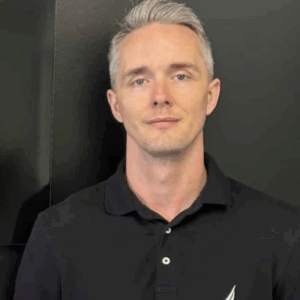
Portrait of Dr. Vahid Osman, Board-Certified Psychiatrist and Addictionologist
Medically Reviewed By
Dr. Vahid Osman, M.D.
Board-Certified Psychiatrist & Addictionologist
Dr. Vahid Osman is a Board-Certified Psychiatrist and Addictionologist with extensive experience treating mental illness, chemical dependency, and developmental disorders. Dr. Osman trained in Psychiatry in France and in Austin, Texas. Read more.
Portrait of Josh Sprung, L.C.S.W.
Clinically Reviewed By
Josh Sprung, L.C.S.W.
Board-Certified Clinical Social Worker
Joshua Sprung serves as a Clinical Reviewer at Louisville Addiction Center, bringing a wealth of expertise to ensure exceptional patient care. Read more.
→ Accreditations & Licenses

The Joint Commission
Awarded The Gold Seal of Approval® for meeting rigorous performance standards in safety, quality, and patient care.
LegitScript Certified
Validates compliance with laws and regulations, confirming transparency and accountability in addiction treatment marketing.
BBB Accredited
Demonstrates ethical business practices, client satisfaction commitment, and a trusted reputation in the community.
Psychology Today Verified
Verified listing on Psychology Today, a trusted directory for addiction treatment providers and behavioral health centers.
HIPAA Compliant
Ensures all patient health information is protected and managed under strict federal privacy and security standards.
NAATP Member
Lexington Addiction Center is a proud member of the National Association of Addiction Treatment Providers (NAATP).
5-Star Google Reviews
Recognized for consistent 5-star ratings, reflecting excellent care and trusted patient experiences at Lexington Addiction Center.
Help.org Recognition
Recognized by Help.org for quality addiction treatment services and community impact.
→ Meet Our Team

At Lexington Addiction Center, we believe that recovery is a journey, not a destination. That’s why we offer a comprehensive continuum of care, delivered by a team of experienced and compassionate professionals. Our team is made up of licensed therapists, counselors, nurses, and other professionals who are passionate about helping people achieve lasting sobriety. Whether you are just starting your recovery journey or you are a seasoned veteran, we are here to support you every step of the way. We believe in you, and we are committed to helping you achieve your recovery goals.

→ Tour Our Rehab Center

Explore Lexington Addiction Center’s drug & alcohol detox rehab treatment center in Lexington, KY and step into private therapy offices, spacious group rooms, and tranquil lounges where thoughtful design supports every stage of substance-use recovery.

Yes, Your Insurance Covers Detox and Rehab Treatment

Complete a free, confidential Verification of Benefits to learn more about what resources may be available to you.

Contact Us Today

Lexington Addiction Center - logo

Addiction and co-occurring disorders don’t have to control your life. Lexington Addiction Center is waiting with open arms to give you the tools necessary for lasting change. Reach out to us today to learn more.