In Lexington and across the Bluegrass region, recovery conversations are increasingly focused on more than stopping substance use. For many people, the deeper question becomes: How do I rebuild my health, routines, relationships, and emotional well-being?
That shift is what holistic therapy in Lexington, KY, is all about.
Holistic addiction treatment in Lexington, KY looks past just “fixing the symptoms.” It pairs proven counseling with activities that move your body, quiet your mind, and lift your spirit so you heal on every level, not just one.
Whether you’re comparing local programs or simply exploring fresh ways to support a loved one, this guide explains why whole-person care is becoming an essential pillar of addiction recovery in Central Kentucky.
Whole-Person RecoveryMind · Body · Emotional WellnessLexington, Kentucky
Holistic therapy and addiction treatment start with a simple premise: no part of a person heals in isolation. Cravings, depression, sleep problems, and social stress are interconnected, so sustainable recovery must treat them together.
In practice, holistic therapy for addiction treatment combines traditional talk therapy, CBT, group work, and peer support with activities that address nutrition, movement, mindfulness, and creative expression. This holistic addiction therapy model aims to balance the nervous system, restore physical health, and develop coping skills that extend far beyond the counseling room.
Across Lexington, an increasing number of programs are embracing whole-person healing, combining solid clinical care with activities such as yoga sessions, creative workshops, and weekend hikes to help the mind, body, and spirit align.
Core Benefits of Holistic Addiction Treatment
When people talk about addiction recovery holistic therapy, they’re usually highlighting four science-supported advantages:
Stress Reduction: Mindfulness, yoga, and breathwork can support relaxation, improve awareness of stress responses, and give clients practical tools for managing pressure without returning to substance use.
Relapse Prevention: Exercise, creative outlets, and structured wellness routines can provide healthy alternatives to substance use and reinforce coping strategies learned in therapy.
Improved Mood & Cognition: Balanced nutrition, movement, and consistent sleep routines can support energy, concentration, and emotional stability during recovery.
Physical Wellness: Appropriate exercise, recreation, nutrition support, and healthy routines can help clients rebuild strength, stamina, and overall wellness after periods of substance use.
By targeting both psychological and physiological needs, whole-person care supports deeper, more durable change.
Common Holistic Therapies Used During Addiction Treatment
A robust holistic therapy program for addiction typically pulls from several complementary modalities. Below are the most common holistic therapies used during addiction treatment in and around Lexington.
Yoga & Meditation
Gentle poses and guided breathwork build body awareness, ease muscle tension, and teach clients to ride out cravings with curiosity rather than panic—an essential skill in holistic therapies for addiction recovery.
Nutrition & Fitness Coaching
Nutrition education and appropriate fitness support can help clients rebuild healthy routines, improve energy, and strengthen physical wellness during recovery.
Recreational & Ecotherapy
Outdoor recreation, nature-based activities, and community experiences can introduce healthy sober activities, reduce isolation, and reinforce social connection.
Expressive Arts
Creative activities such as art, music, or movement can provide additional ways to explore emotions, reduce stress, and support self-expression alongside traditional therapy.
Mindfulness Technology
When appropriate, digital tools, guided apps, or biofeedback may help some clients practice mindfulness and stress-management skills between sessions.
Together, these practices create a flexible toolkit that clients can customize, ensuring whole-person wellness becomes a lifestyle rather than a short-term intervention.
Can Holistic Therapy Help Co-Occurring Mental Health Disorders?
Holistic approaches may support some people with co-occurring mental health concerns when they are used alongside evidence-based clinical care. Research on holistic therapy for mental health and substance abuse can ease depression, anxiety, and trauma symptoms while reducing relapse risk. Mindfulness-based interventions have been studied as supportive approaches for stress, trauma symptoms, and substance use, but they are not substitutes for appropriate mental health or addiction treatment.
Regular physical activity can support mood, stress management, sleep, and overall well-being, which may make it easier for some clients to stay engaged in counseling.
Nutrition counseling can also support steadier energy, healthier routines, and physical recovery during treatment.
Holistic care tackles brain chemistry, stress levels, and overall health together, giving people who juggle mental health issues and addiction a single, well-rounded way forward.
Spotlight: Holistic Therapies for Cocaine & Stimulant Recovery
Stimulant misuse depletes dopamine, taxes the cardiovascular system, and spikes stress hormones, which are issues that respond well to holistic therapies for cocaine addiction. Structured cardio or strength training can support mood, routine-building, and stress management during stimulant recovery.
Guided mindfulness or yoga sessions calm the sympathetic “fight-or-flight” response that often triggers binges, making holistic therapy for cocaine addiction a practical stress-management tool.
Nutritional support can help address appetite changes, low energy, and disrupted routines that may occur during early stimulant recovery, adding another layer of support alongside clinical treatment.
Scientific Evidence Behind Holistic Approaches
Research continues to evaluate how mindfulness, exercise, nutrition, and other complementary approaches may support addiction recovery. These practices are best viewed as additions to evidence-based treatment rather than replacements for therapy, medication, or other clinical services.
Studies of exercise in substance use treatment suggest potential benefits for mood, stress, physical health, and treatment engagement, although results vary by population and program.
Nutrition support may also be useful when substance use has disrupted appetite, meal patterns, energy, or overall physical health.
Taken together, the evidence supports using appropriate whole-person practices as complementary tools that can strengthen comfort, routine, and engagement during recovery when they are integrated with clinical care.
How to Choose a Holistic Rehab in Lexington, Kentucky
Choosing a holistic rehab in Lexington isn’t about flashy brochures—it’s about solid, verifiable quality. Here’s a quick checklist to keep you on track:
Accreditation & Licensing: Look for the Joint Commission or CARF seals, as they ensure safety and evidence-based care.
Staff Credentials: Confirm that physicians are addiction-trained and therapists hold master’s degrees or higher.
Therapy Menu: A solid center blends CBT and group work with yoga, mindfulness, nutrition, and fitness—hallmarks of effective holistic addiction treatment.
Insurance Transparency: Reputable programs offer free benefit checks and clearly outline any out-of-pocket costs upfront.
Aftercare & Alumni Support: Continuous check-ins, virtual groups, or community meet-ups guard against relapse.
Location Practicality: Balance the peace of a rural campus with commute needs for family visits or work flexibility.
What to Expect During Holistic Addiction Treatment in Lexington, KY
Every holistic therapy in Lexington, KY, program structures its calendar differently, yet most share a familiar flow:
Intake & Assessment: Your first day centers on medical, psychological, and lifestyle evaluations that shape a personalized care plan.
Daily Clinical Core: Expect a mix of individual counseling, small-group therapy, and skills workshops (e.g., relapse prevention, cognitive-behavioral techniques).
Holistic Blocks: Throughout the week, you’ll rotate through yoga or gentle movement classes, mindfulness or breathwork sessions, fitness coaching, and nutrition education, each designed to regulate stress, lift mood, and rebuild physical health.
Creative & Recreational Elements: Art, music, nature walks, or other experiential therapies introduce healthy dopamine boosts and sober fun.
Family & Support Programming: Many centers weave in virtual or on-site family meetings to strengthen your home support system.
Weekend & Evening Options: Flexible slots may feature peer-led groups, community service outings, journaling circles, or quiet reflection, giving you space to practice new coping tools in real-world settings.
By alternating clinical work with whole-person activities, integrated programs keep recovery engaging and balanced while allowing you to tailor the intensity and focus to your evolving needs.
Holistic Therapy as a Part of Comprehensive Treatment
At Lexington Addiction Center, we provide comprehensive treatment to each of our clients. No one treatment method will “cure” or “fix” a person’s symptoms, however. That is why we consider holistic therapy a part of comprehensive treatment. Often, holistic approaches complement traditional forms of treatment and therapy.
For instance, a person who is struggling to sleep well during the early stages of recovery is less likely to fully engage in therapy. When a person’s physical body is not cared for, their mind tends to follow. Conversely, the opposite is true: when we feel good physically, we also feel good mentally and emotionally. Thus, holistic therapy enhances the results and expedites the recovery process when clients add these therapies to their regular treatment program.
Holistic Therapy in Lexington, KY | Lexington Addiction Center
True recovery addresses the mind, body, and emotional well-being together. Lexington Addiction Center incorporates holistic therapy into our addiction treatment programs in Lexington, Kentucky to promote whole-person healing.
Holistic addiction therapy may include mindfulness training, stress reduction techniques, wellness education, physical activity integration, and experiential therapeutic practices designed to reduce anxiety and improve emotional balance. These approaches complement evidence-based clinical treatment and strengthen long-term relapse prevention.
Addiction often disrupts sleep, physical health, and stress regulation. Holistic therapy helps restore balance while reinforcing coping skills learned in traditional therapy sessions. By integrating physical and emotional wellness, clients develop resilience and self-awareness essential for sustained recovery.
Holistic care is not a replacement for clinical treatment — it enhances it. Our multidisciplinary team ensures that all services are delivered within a structured, professionally supervised environment.
If you are seeking addiction treatment in Lexington that supports total wellness, our team is ready to help.
Contact Lexington Addiction Center today for confidential admissions assistance and fast insurance verification. Recovery involves healing every part of you.
Frequently Asked Questions About Holistic Therapy
What is holistic therapy and how does it support addiction recovery?
Holistic therapy uses supportive mind-body and wellness practices alongside evidence-based addiction treatment. Depending on the treatment plan, this may include mindfulness, movement, nutrition education, creative activities, stress-reduction techniques, and other approaches that support emotional and physical well-being.
Who can benefit from holistic therapy?
Holistic therapy may be helpful for people who want additional tools for managing stress, improving routines, reconnecting with physical wellness, or supporting emotional regulation during recovery. The specific approaches used should be matched to the person’s clinical needs, preferences, health, and level of care.
What kinds of activities are included in holistic therapy?
Activities may include mindfulness, meditation, breathing exercises, yoga or gentle movement, fitness, nutrition education, expressive arts, outdoor recreation, and other wellness-focused practices. Availability varies by treatment plan and program.
How does holistic therapy complement traditional treatment methods?
Holistic therapy is designed to support, not replace, clinical treatment. It can reinforce skills learned in counseling by helping clients practice stress management, healthy routines, body awareness, recreation, and self-care between therapy sessions.
Can holistic therapy help with emotional regulation and stress?
Yes, some holistic practices can support emotional regulation and stress management. Mindfulness, breathing exercises, movement, creative activities, and structured wellness routines can give clients additional ways to respond to distress without relying on substances.
Does holistic therapy involve mindfulness practices?
It can. Mindfulness may be incorporated through guided meditation, breathing exercises, body awareness, or other practices that help clients notice thoughts, emotions, and physical sensations without immediately reacting to them.
How do people know if holistic therapy is right for them?
A clinical assessment can help determine whether holistic services fit a person’s treatment goals and medical or mental health needs. Holistic approaches are most useful when they are part of an individualized plan that also addresses substance use, relapse risk, mental health, and daily functioning.
How can someone begin holistic therapy at Lexington Addiction Center?
Contact Lexington Addiction Center for a confidential admissions assessment and insurance verification. The team can review your current needs and explain how holistic services may fit into the appropriate level of addiction or mental health treatment.
Begin Holistic Therapy in Lexington, KY
Addiction and mental health treatment involve more than counseling and peer support. Holistic therapy offers an additional boost to recovery when added to a traditional treatment program. At Lexington Addiction Center, we know that treating mental health and substance use disorders requires treating the whole person in recovery. We’ve created a comprehensive treatment program with holistic therapy for this reason.
Contact us today to learn more about our holistic therapy in Lexington, KY. Our approach not only treats your symptoms but also helps you build a healthy and more fulfilling lifestyle.
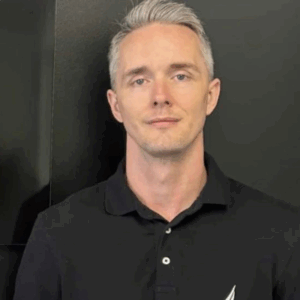
Dr. Vahid Osman is a Board-Certified Psychiatrist and Addictionologist with extensive experience treating mental illness, chemical dependency, and developmental disorders. Dr. Osman trained in Psychiatry in France and in Austin, Texas. Read more.
Clinically Reviewed By
Josh Sprung, L.C.S.W.
Board-Certified Clinical Social Worker
Joshua Sprung serves as a Clinical Reviewer at Lexington Addiction Center, bringing a wealth of expertise to ensure exceptional patient care. Read more.
The Joint Commission Awarded The Gold Seal of Approval® for meeting rigorous performance standards in safety, quality, and patient care.
LegitScript Certified Validates compliance with laws and regulations, confirming transparency and accountability in addiction treatment marketing.
BBB Accredited Demonstrates ethical business practices, client satisfaction commitment, and a trusted reputation in the community.
Psychology Today Verified Verified listing on Psychology Today, a trusted directory for addiction treatment providers and behavioral health centers.
HIPAA Compliant Ensures all patient health information is protected and managed under strict federal privacy and security standards.
NAATP Member Lexington Addiction Center is a proud member of the National Association of Addiction Treatment Providers (NAATP).
5-Star Google Reviews Recognized for consistent 5-star ratings, reflecting excellent care and trusted patient experiences at Lexington Addiction Center.
Help.org Recognition Recognized by Help.org for quality addiction treatment services and community impact.
Yes, Your Insurance Covers Detox and Rehab Treatment
Complete a free, confidential Verification of Benefits to learn more about what resources may be available to you.
Contact Us Today
Addiction and co-occurring disorders don’t have to control your life. Lexington Addiction Center is waiting with open arms to give you the tools necessary for lasting change. Reach out to us today to learn more.