Bipolar Treatment In Lexington, KY

Living with uncontrolled mood swings can feel like steering a car with no brakes. Our Bipolar Treatment in Lexington, KY, combines medical care with real-life skill-building, so you can finally take control and put both hands back on the wheel. 

We offer a step-down continuum, including Partial Hospitalization (PHP), Intensive Outpatient (IOP), and Standard Outpatient (OP) programs, as well as additional services and referrals to trusted bipolar inpatient treatment facilities for further stabilization when needed. 

While you stay rooted in your home community, our team fine-tunes medication, teaches coping strategies, and walks with you through every high and low of bipolar disorder treatment. Ready for steady progress? Call our 24/7 line at 859-636-0779 today.

What Is Bipolar Treatment in Lexington, KY?

Bipolar treatment blends medicine and therapy to smooth the extreme peaks and valleys of mood. At Lexington Addiction Center, psychiatrists prescribe or adjust mood-stabilizing medications—such as lithium, valproate, or certain atypical antipsychotics—while therapists address thought patterns and daily habits that trigger swings. 

Because our programs run on an outpatient schedule, you can attend therapy, pick up your prescriptions, and return home to sleep in your own bed the same night. Group sessions foster peer support; one-on-one counseling delves into personal stressors; medical check-ins monitor side effects and lab results. 

This balanced model of bipolar disorder treatment keeps you grounded in normal life while providing clinical oversight strong enough to catch problems early. In short, Bipolar Treatment in Lexington, KY, means personalized care that targets both brain chemistry and everyday behavior.

How Does a Bipolar Disorder Treatment Center Support Recovery?

Knowing how to recognize the signs and symptoms of bipolar disorder can be essential in helping a person to identify signs of suffering in both themselves and their loved ones. Unlike many mental health conditions, bipolar disorder can be difficult to discern, especially if one does not know the person suffering very well.

A person may attribute their actions to personality traits or quirks if they are not familiar with the person exhibiting these traits. This factor makes knowing the signs and symptoms of bipolar disorder even more crucial in the fight against mental health disorder.

Signs and symptoms of bipolar disorder may include but are not limited to:

    • Severe or dramatic shifts in mood despite external factors remaining unchanged
    • Loss of interest in once-enjoyed activities
    • Pulling away from friends, family, and other relationships
    • Decreased performance at work or in school
    • Lethargy
    • Fatigue
    • Extreme bouts of energy
    • Irritability
    • Erratic or risky behaviors
    • Taking chances on a whim
    • Excessive time spent sleeping or in bed
    • Depressive episodes
    • Loss of hope
mindfulness in addiction recovery

Contact Us

Set yourself free from the struggles of addiction and co-occurring mental health disorders. Reach out to our treatment team in Lexington, Kentucky today.

Three Types of Bipolar Disorder

Bipolar disorder is a mental health disorder involving dramatic shifts in mood. Then it’s followed by periods of mania and/or depression. Additionally, bipolar disorder can be broken down into three different types.

These are:

Bipolar I Disorder

The most severe form of bipolar disorder, bipolar I, involves a period of mania lasting a week or more. This period may include periods of manic psychosis, delusions, impulsiveness, overconfidence, and euphoria. These attributes can lead to drastic or impulsive actions that can lead to serious injury or harm.

Bipolar II Disorder

Bipolar II is categorized by hypomanic episodes that are often less severe than manic episodes. When experiencing bipolar II disorder, a person’s bipolar disorder will often go undiagnosed as they may be mistakenly diagnosed with depression. Bipolar II involves both hypomanic episodes and depressive episodes.

Cyclothymic Disorder

Cyclothymic disorder means a person has experienced hypomanic episodes. They can also experience milder forms of bipolar symptoms for two years or more, without meeting the standard of full-blown mania or depression.

How We Treat Bipolar Disorder at Lexington Addiction Center

At Lexington Addiction Center, we offer a host of treatment modalities to ensure every client who steps through our doors receives the attention and care they deserve during bipolar treatment in Lexington.

Through our treatment programs, behavioral therapies, and holistic treatment options, we provide the resources and stability necessary for lasting change, such as:

Holistic Therapy

Holistic addiction treatment in Lexington, KY looks past just “fixing the symptoms.” It pairs proven counseling with activities that move your body, quiet your mind, and lift your spirit so you heal on every level, not just one.

Stress Reduction: Mindfulness, yoga, and breathwork help lower cortisol levels, which are crucial for anyone whose cravings spike under pressure.

Relapse Prevention: Exercise, creative outlets, and a balanced diet provide healthy dopamine boosts, making it easier to avoid old habits.

Improved Mood & Cognition: Balanced diets and regular movement enhance sleep quality and sharpen focus, two predictors of recovery success in holistic drug rehabilitation studies.

Physical Healing: Strength training, outdoor recreation, and medical nutrition therapy help repair organ systems that have been taxed by long-term substance use, thereby boosting overall resilience.

Trauma-Informed Therapies

Many individuals use benzos for trauma or anxiety. Trauma Therapy in Lexington, KY, is the foundation of every program we offer at Lexington Addiction Center, incorporating trauma-informed approaches into addiction treatment at every stage of care.  We offer specialized care to address root causes, including:

  • CBT (Cognitive Behavioral Therapy): Helps clients identify and change thought patterns that fuel addiction.
  • DBT (Dialectical Behavior Therapy): Focuses on emotional regulation and managing distress.
  • EMDR (Eye Movement Desensitization and Reprocessing): Especially effective for those with PTSD or trauma histories.
  • Brainspotting: A powerful tool for accessing and processing deep emotional pain.

Medication-Assisted Treatment (MAT)

Medication-assisted treatment (MAT) has become the go-to standard for people who need more than willpower to beat addiction, and our MAT Program in Lexington, KY, puts that gold-standard care right at your doorstep. 

By pairing FDA-approved medications with therapy and recovery coaching, MAT eases withdrawal, curbs cravings, and lowers the risk of overdose, giving clients the breathing room they need to rebuild their lives. 

Family Therapy

Family therapy in Lexington, KY, gives every loved one a seat at the table when addiction threatens to pull households apart. Instead of shouldering recovery alone, individuals gain a built-in support system that understands the science of substance use, the power of communication, and the importance of accountability. 

Our therapists walk alongside your family, helping you air out old resentments, set healthier boundaries, and celebrate every small win—habits that keep recovery steady long after treatment wraps up. 

Life Skills Training and 12-Step Support

Long-term success requires more than just sobriety. 

We provide education and training in key areas like budgeting, job readiness, and healthy living. Clients are also encouraged to engage in peer support programs that reinforce accountability and connection.

Together, these services make Lexington Addiction Center one of the most comprehensive benzodiazepine rehab centers in Kentucky. Our goal is not only to treat benzo addiction—but to equip clients with the tools to thrive well beyond treatment.

Dual Diagnosis Therapy Approach

At Lexington Addiction Center, our Dual Diagnosis Therapy Approach treats both mental health disorders and substance use issues together for lasting recovery. Using evidence-based therapies like CBT, DBT, and trauma-informed care, our team helps clients understand the connection between addiction and mental health. With personalized treatment plans, counseling, and holistic support, we focus on healing the whole person—mind, body, and spirit—to promote long-term wellness and recovery.

Begin Bipolar Treatment In Lexington, KY

At Lexington Addiction Center, we can help you or your loved one to heal, develop effective coping mechanisms, and live happily with bipolar disorder. Our dedicated team of professionals is here to help you every step of the way during your recovery journey.

Allow our compassionate and knowledgeable staff to give you the tools necessary for lasting relief and effective change. We offer treatment plans tailored to our client’s individual needs to provide the support, resources, and care they deserve during bipolar treatment in Lexington. There has never been a better time to reclaim your independence from bipolar disorder.

Contact us today, and take the first steps in your journey to lasting recovery.

What Sets Lexington Addiction Center Apart:
Premium Amenities & Personalized Care

Lexington Addiction Center facilities.

Comfortable & Welcoming Environment

The facility offers a calm and supportive atmosphere that promotes healing and comfort, with easy parking and discreet entrances providing added convenience and privacy. The setting is intentionally designed to feel warm, safe, and stigma-free, allowing clients to focus fully on their recovery journey.
An open room with a group of individuals in a circle, attentively listening to each other at a Pikeville, Kentucky Drug and Alcohol Rehab Resources session. This setting fosters understanding and growth for participants seeking recovery.

Holistic & Complementary Therapies

The center integrates holistic approaches such as yoga, meditation, and deep breathing into treatment. Trauma-informed therapies like brain spotting and EMDR-style techniques address underlying causes of addiction. Life skills education and 12-Step principles are incorporated to promote long-term stability.
A man seeks Lexington PHP treatment.

Clinician & Medical Owned & Operated

At Lexington Addiction Center, our team includes master-level clinicians and a registered dietician, offering 24/7 medical care and nursing support, weekly individual therapy sessions, and daily consultations with a medical provider to ensure comprehensive recovery.
addiction and divorce

Family Therapy Sessions

Our compassion‑driven family therapy sessions foster healing, empowering loved ones with supportive, holistic evidence‑based counseling to rebuild trust, strengthen lasting bonds, and navigate recovery together in a truly nurturing, understanding environment.
A counselor attentively listening to a client during a one-on-one session, highlighting the personalized care offered by Berea, Kentucky Drug and Alcohol Rehab Resources.

Twice‑Weekly Individual Therapy

Clients engage in two individual therapy sessions per week, fostering consistent emotional support and guidance. Structured approach promotes sustained progress, accountability, and resilience, empowering individuals to navigate recovery with therapeutic care.
An open room with a group of individuals in a circle, attentively listening to each other at a Pikeville, Kentucky Drug and Alcohol Rehab Resources session. This setting fosters understanding and growth for participants seeking recovery.

Small Groups, Big Recovery

We prioritize individualized attention by limiting each session to just twelve clients. This intimate setting fosters tailored support, meaningful connections, and superior clinical care, empowering participants on their journey to recovery.
An open room with a group of individuals in a circle, attentively listening to each other at a Pikeville, Kentucky Drug and Alcohol Rehab Resources session. This setting fosters understanding and growth for participants seeking recovery.

Full Continuum of Care

Lexington Addiction Center offers a full continuum of care, beginning with medically supervised detox to ensure a safe and comfortable withdrawal process. This flexible structure allows individuals to move between levels of care as their recovery needs change, providing continuous support from detox through long-term outpatient treatment.
An open room with a group of individuals in a circle, attentively listening to each other at a Pikeville, Kentucky Drug and Alcohol Rehab Resources session. This setting fosters understanding and growth for participants seeking recovery.

Dual Diagnosis & Mental Health Integration

Lexington Addiction Center provides comprehensive dual diagnosis treatment, addressing co-occurring mental health disorders such as anxiety, depression, PTSD, and OCD alongside substance use issues. This integrated approach focuses on healing both mental health and addiction challenges simultaneously, ensuring that clients receive well-rounded, effective care.

FAQ: Bipolar Disorder Treatment

What is bipolar disorder treatment and why is it important?

Bipolar disorder treatment is a structured approach that helps individuals manage the emotional highs and lows associated with bipolar disorder. Bipolar disorder involves mood swings ranging from periods of elevated or irritable mood (mania or hypomania) to periods of low mood (depression). These mood shifts can disrupt daily functioning, relationships, work, and overall quality of life. Treatment is important because, without support, the intense emotional swings can lead to risky behavior, strained relationships, impaired concentration, and difficulty maintaining daily routines.

Effective treatment helps stabilize mood, reduce the frequency and intensity of mood episodes, and improve overall functioning. It typically involves a combination of therapy, medication management, lifestyle adjustments, and skills for emotional regulation. The goal is not only to reduce symptoms but also to give individuals tools to understand their patterns, respond effectively to stressors, and build sustainable routines that support long-term stability. By addressing both the biological and psychological components of bipolar disorder, treatment enhances emotional insight, strengthens coping strategies, and supports a more balanced, fulfilling life.

Who can benefit from bipolar disorder treatment?

Anyone who experiences mood swings that significantly impact daily life can benefit from bipolar disorder treatment. This includes individuals who have been formally diagnosed with bipolar I or bipolar II disorder, as well as people whose emotional ups and downs, energy fluctuations, or depressive episodes interfere with responsibilities, relationships, or personal wellbeing. Some individuals may not initially recognize the patterns as bipolar symptoms — mistaking them for normal mood changes — but when mood swings become disruptive, persistent, or unpredictable, professional support can make a meaningful difference.

Treatment is also beneficial for people who may experience co-occurring challenges such as anxiety, substance use, trauma, or stress-related triggers. Because bipolar disorder affects both mood and behavior, comprehensive care helps people understand how emotional responses interconnect with daily choices and stress reactions. Even someone in the early stages of recognizing mood dysregulation can benefit: treatment provides education, assessment, and early strategies that prevent worsening symptoms.

In short, anyone whose emotional patterns interfere with functioning, wellbeing, or relationships — whether severe or moderate — can benefit from a thoughtful, supportive bipolar disorder treatment plan tailored to their unique circumstances.

What are common components of bipolar disorder treatment?

Bipolar disorder treatment includes several key components that work together to stabilize mood and improve emotional regulation. One central element is medication management. Because bipolar disorder involves biological shifts in brain chemistry that influence mood regulation, medications such as mood stabilizers or certain antipsychotics help balance neurotransmitters and reduce the intensity of mood swings. Medication decisions are tailored to each individual’s symptoms and medical history, and providers adjust plans based on response and side effects.

Another key component is therapy, including individual counseling or group therapy. Therapeutic approaches such as cognitive-behavioral therapy (CBT) help individuals identify unhelpful thought patterns, understand how mood influences behavior, and practice healthier responses to stress. Therapy also supports emotional awareness so people can recognize early signs of mood shift and implement coping strategies before symptoms escalate.

Psychoeducation is also important, helping individuals and loved ones learn about the nature of bipolar disorder, triggers, lifestyle influences, and how to support stability. Skills training improves sleep hygiene, stress management, and daily routines — all of which reduce vulnerability to mood episodes.

Together, these components create a comprehensive support system that addresses both biological and psychological dimensions of bipolar disorder, giving individuals a balanced framework for long-term stability.

How does therapy help in bipolar disorder treatment?

Therapy is a foundational part of bipolar disorder treatment because it helps individuals understand and manage the emotional and behavioral patterns that accompany mood swings. One common form of therapy used in bipolar disorder care is cognitive-behavioral therapy (CBT). CBT helps people recognize unhelpful thinking patterns — such as catastrophizing, black-and-white thinking, or excessive self-criticism — and replace them with more balanced perspectives. This shift reduces emotional reactivity and supports healthier choice-making during both high and low mood phases.

Therapy also focuses on emotional regulation skills, teaching individuals how to respond to intense feelings and stress without becoming overwhelmed. For many people with bipolar disorder, mood shifts can be unpredictable and feel out of control. By learning grounding techniques, stress-reduction strategies, and ways to recognize early signs of mood change, individuals gain practical tools to reduce the likelihood of full-blown episodes.

Another therapeutic benefit is support in building insight and self-awareness. Understanding personal triggers — such as sleep disruption, interpersonal stress, or substance use — helps individuals anticipate challenges and respond proactively. Therapy also provides a safe space to process feelings, resolve internal conflicts, and practice communication skills, which improves relationships and daily functioning.

Overall, therapy complements medication by strengthening emotional stability, increasing self-understanding, and empowering individuals to navigate life’s ups and downs more effectively.

What role does medication play in treating bipolar disorder?

Medication plays a significant role in treating bipolar disorder because it helps stabilize mood and regulate the biological systems that underlie emotional fluctuations. Bipolar disorder involves changes in brain chemistry that influence how someone experiences mood, energy, and stress. Without pharmacological support, mood swings can be intense, unpredictable, and difficult to manage through therapy or lifestyle changes alone.

Commonly prescribed medications include mood stabilizers, which help balance neurotransmitters involved in emotional regulation, and certain antipsychotics, which can support mood control during manic or mixed episodes. Some individuals may also benefit from antidepressants in combination with mood stabilizers under careful clinical guidance. The specific medication plan is individualized, taking into account symptom patterns, medical history, side effect profiles, and response to past treatments.

Medication works by creating a physiological baseline that reduces the intensity and frequency of mood episodes. This biological balance makes it easier for individuals to engage in therapy, build coping skills, and maintain day-to-day functioning. Without medication, mood swings can be so severe that emotional insight and behavioral strategies become harder to apply consistently.

Clinicians monitor medication response regularly, adjust dosages as needed, and ensure that medication supports rather than complicates overall treatment goals. When paired with therapy and lifestyle changes, medication helps provide a stable foundation for long-term emotional health.

Can bipolar disorder treatment help with daily functioning and quality of life?

Yes — effective bipolar disorder treatment can significantly improve daily functioning and overall quality of life. Managing bipolar disorder isn’t just about reducing symptoms; it’s about creating stability and resilience that enhance everyday living, relationships, work performance, and emotional wellbeing. When mood swings are less intense and more predictable, individuals are better able to maintain routines, focus on responsibilities, and engage meaningfully in relationships.

Therapy provides tools that help individuals handle stress, communicate effectively, and make intentional decisions rather than reacting impulsively to emotional shifts. This emotional regulation supports healthier interactions with others, reduces conflict, and strengthens social support systems, which are all important contributors to quality of life.

Medication stabilizes mood biologically, reducing the extreme highs and lows that can interfere with decision-making, sleep, concentration, and motivation. When the brain’s emotional regulation systems are supported, individuals often experience fewer disruptions in daily routines and can engage more consistently in work, school, family, and leisure activities.

Education about mood patterns, triggers, and self-care strategies also helps people anticipate and manage challenges before they escalate. By reducing the chaos of unpredictable mood swings and increasing emotional control, bipolar disorder treatment empowers individuals to live more balanced, purposeful, and satisfying lives.

What are common challenges people face during bipolar disorder treatment?

People in bipolar disorder treatment may face a range of challenges on the path to stability, and recognizing these challenges helps set realistic expectations and develop effective strategies for growth. One common challenge is adjusting to medication. Finding the right medication and dosage often requires patience, as individuals respond differently to various pharmacological options. Some medications can also cause side effects — such as drowsiness, weight changes, or cognitive slowing — that need to be monitored and managed collaboratively with clinicians.

Emotional challenges are another common hurdle. Even with medication, individuals may still experience mood fluctuations that feel overwhelming or discouraging, especially during early stages of treatment. Therapy helps by building coping skills, but emotional regulation takes practice and persistence. There may be moments when old patterns resurface, and having tools in place to navigate those moments is vital.

Another challenge is adherence to treatment. Consistency with medication, therapy sessions, and lifestyle routines like sleep and stress management is essential for stability, but it can be difficult when life stressors increase or motivation dips. Support from clinicians, peers, and loved ones reinforces accountability and provides encouragement during tougher periods.

Finally, stigma and misunderstanding — both internal and external — can interfere with treatment engagement. Learning to view bipolar disorder as a manageable condition rather than a personal flaw helps individuals stay committed to care and self-compassion.

How can someone begin bipolar disorder treatment at Lexington Addiction Center?

Beginning bipolar disorder treatment at Lexington Addiction Center typically starts with a comprehensive clinical assessment conducted by qualified mental health professionals. During this assessment, clinicians explore mood history, symptom patterns, emotional responses, medical history, and daily functioning to understand how bipolar symptoms affect the individual’s life. This evaluation helps determine the most effective combination of therapy, medication support, and coping strategies.

After the assessment, the clinician collaborates with the individual to create a personalized treatment plan tailored to their unique needs and goals. This may include individual therapy, medication management, group support, psychoeducation, and skills training that support emotional regulation. The plan also considers lifestyle factors such as sleep habits, stressors, interpersonal dynamics, and daily routines.

Once the plan is established, appointments are scheduled, and the individual begins engaging in therapy and medication support if appropriate. Ongoing monitoring and communication with the care team ensure that treatment evolves as progress unfolds. Clinicians adjust approaches, track symptom changes, and provide encouragement along the way.

Seeking help is an important first step toward long-term stability. Beginning treatment at Lexington Addiction Center connects individuals with expert support, evidence-based care, and a collaborative environment that supports healing, growth, and more balanced emotional wellbeing.

Bipolar Disorder Treatment in Lexington, KY | Lexington Addiction Center

Bipolar disorder can cause extreme mood swings, ranging from depressive episodes to periods of mania or impulsivity. Without proper treatment, these fluctuations can disrupt careers, relationships, and physical health. At Lexington Addiction Center, we provide comprehensive bipolar disorder treatment in Lexington, Kentucky, including integrated care when substance use is present.

Our clinical team offers psychiatric evaluation, medication management, structured therapy, and mood stabilization planning. We focus on identifying triggers, improving emotional regulation, and creating consistent treatment routines that reduce the intensity and frequency of episodes. When addiction co-occurs, dual diagnosis programming ensures both conditions are treated simultaneously.

Stability is possible. With the right treatment, individuals living with bipolar disorder can regain balance and rebuild their lives.

If bipolar symptoms are escalating or contributing to substance use, do not wait for another crisis.

Call Lexington Addiction Center today for confidential support and immediate admissions assistance. Long-term stability starts with the right care.


Disclaimer – Mental Health Services

The information provided by Lexington Addiction Center is intended for general educational and informational purposes only and is not a substitute for professional medical advice, diagnosis, or treatment.

While Lexington Addiction Center offers mental health and behavioral health support services, our programs are not intended to replace care from a licensed psychiatrist, physician, or emergency medical provider. Individuals participating in our services should always seek the advice of qualified healthcare professionals regarding any mental health condition or medical concerns.

Lexington Addiction Center does not provide emergency or crisis services. If you or someone you know is experiencing a mental health emergency, suicidal thoughts, or is in immediate danger, please call 911 or contact the 988 Suicide & Crisis Lifeline immediately.

Participation in treatment services does not guarantee specific outcomes, and individual results may vary based on personal circumstances, clinical needs, and engagement in care.

By using our website or engaging in our mental health services, you acknowledge and agree that Lexington Addiction Center is not responsible for decisions made based on the information provided and that treatment should always be guided by qualified medical professionals.

For questions about our mental health programming or to determine whether our services are appropriate for your needs, please contact our admissions team directly.

Disclaimer – Patient Decision-Making & Liability

All content published on Lexington Addiction Center website pages is provided for informational purposes only and should not be interpreted as medical, psychological, or legal advice. This information is not intended to diagnose, treat, cure, or prevent any disease or condition and should not replace consultation with licensed healthcare professionals.

Addiction is a chronic, relapsing medical condition that requires individualized care. Treatment approaches, detox protocols, and rehabilitation services vary depending on numerous factors unique to each individual. No information on this website should be relied upon to make treatment decisions without professional guidance.

If you are experiencing an emergency situation, including overdose, withdrawal complications, suicidal ideation, or immediate risk to yourself or others, call 911 immediately. Lexington Addiction Center does not provide emergency medical services online or via website communication.

Never attempt to discontinue substance use or begin detox without proper medical supervision. Withdrawal can cause serious medical complications. Any information regarding detoxification is general in nature and does not substitute for physician-directed care.

Insurance information presented on this website is intended solely to assist users in understanding potential coverage options. Coverage is subject to verification, medical necessity determinations, and policy limitations. Lexington Addiction Center encourages direct contact with our admissions specialists to confirm benefits and eligibility.

We do not guarantee treatment outcomes, length of stay, insurance approvals, or placement availability. Outcomes depend on numerous clinical and personal factors.

External links are provided for convenience and informational purposes only. Lexington Addiction Center assumes no responsibility for third-party content or practices.

Use of this website does not establish a doctor-patient or therapist-patient relationship. Recovery requires professional support and individualized care.

Get Family Support Now


Supporting Families Through Recovery

We understand addiction affects the whole family. Our comprehensive family program helps rebuild trust and restore relationships.

 Weekly Family Therapy Sessions

 Educational Workshops

 Support Groups

 Communication Skills Training

Get Family Support Now

→ Contributors
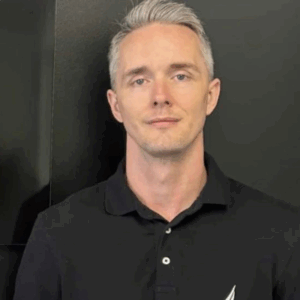
Portrait of Dr. Vahid Osman, Board-Certified Psychiatrist and Addictionologist
Medically Reviewed By
Dr. Vahid Osman, M.D.
Board-Certified Psychiatrist & Addictionologist
Dr. Vahid Osman is a Board-Certified Psychiatrist and Addictionologist with extensive experience treating mental illness, chemical dependency, and developmental disorders. Dr. Osman trained in Psychiatry in France and in Austin, Texas. Read more.
Portrait of Josh Sprung, L.C.S.W.
Clinically Reviewed By
Josh Sprung, L.C.S.W.
Board-Certified Clinical Social Worker
Joshua Sprung serves as a Clinical Reviewer at Louisville Addiction Center, bringing a wealth of expertise to ensure exceptional patient care. Read more.
→ Accreditations & Licenses

The Joint Commission
Awarded The Gold Seal of Approval® for meeting rigorous performance standards in safety, quality, and patient care.
LegitScript Certified
Validates compliance with laws and regulations, confirming transparency and accountability in addiction treatment marketing.
BBB Accredited
Demonstrates ethical business practices, client satisfaction commitment, and a trusted reputation in the community.
Psychology Today Verified
Verified listing on Psychology Today, a trusted directory for addiction treatment providers and behavioral health centers.
HIPAA Compliant
Ensures all patient health information is protected and managed under strict federal privacy and security standards.
NAATP Member
Lexington Addiction Center is a proud member of the National Association of Addiction Treatment Providers (NAATP).
5-Star Google Reviews
Recognized for consistent 5-star ratings, reflecting excellent care and trusted patient experiences at Lexington Addiction Center.
Help.org Recognition
Recognized by Help.org for quality addiction treatment services and community impact.
→ Sources

Geddes, J. R., & Miklowitz, D. J. (2013). Treatment of bipolar disorder. The Lancet, 381(9878), 1672–1682. https://doi.org/10.1016/S0140-6736(13)60857-0 The Lancet+1

National Institute of Mental Health. (n.d.). Bipolar disorder. Retrieved October 9, 2025, from https://www.nimh.nih.gov/health/topics/bipolar-disorder

Yes, Your Insurance Covers Detox and Rehab Treatment

Complete a free, confidential Verification of Benefits to learn more about what resources may be available to you.

Contact Us Today

Lexington Addiction Center - logo

Addiction and co-occurring disorders don’t have to control your life. Lexington Addiction Center is waiting with open arms to give you the tools necessary for lasting change. Reach out to us today to learn more.