



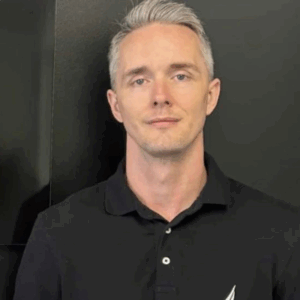
Dr. Vahid Osman is a Board-Certified Psychiatrist and Addictionologist with extensive experience treating mental illness, chemical dependency, and developmental disorders. Dr. Osman trained in Psychiatry in France and in Austin, Texas. Read more.

Trauma Therapy in Lexington, KY, is the foundation of every program we offer at Lexington Addiction Center, incorporating trauma-informed approaches into addiction treatment at every stage of care.
From our Partial Hospitalization Program (PHP) to Intensive Outpatient (IOP) and standard Outpatient (OP), we help you heal without stepping away from daily life.
Clients from Lexington, Richmond, Nicholasville, and nearby towns join small, supportive groups, meet twice a week for individual sessions, and consult with medical staff as needed, all under one roof.
If lingering fear, flashbacks, or substance use keep you stuck, call 859-636-0779 today to start a personalized recovery path.

Trauma therapy is a focused style of counseling that helps you face painful memories safely, lessen overwhelming emotions, and rebuild a sense of control.
At Lexington Addiction Center, we combine evidence-based practices, such as Cognitive Behavioral Therapy (CBT) and Eye Movement Desensitization and Reprocessing (EMDR), with holistic supports like mindfulness, gentle yoga, and nutritional guidance.
You’ll meet in a warm, welcoming outpatient setting where you can try fresh coping tools on the spot, then head home to your bed each night. Throughout every session, a licensed therapist stays right beside you, adjusting the pace, techniques, and goals to ensure they always match your comfort level and needs.
Whether trauma stemmed from childhood abuse, military service, an accident, or long-term stress, our team works with you to process what happened, release stored emotional charge, and strengthen resilience.
Most clients blend individual and group sessions, allowing private breakthroughs and peer encouragement along the way.
A trauma-informed addiction treatment program recognizes that substance use often starts as self-protection against unbearable memories or emotions.
By following SAMHSA’s six principles of safety, trustworthiness, peer support, collaboration, empowerment, and cultural sensitivity, our trauma-informed addiction treatment track addresses both the root cause and the coping behaviors simultaneously.
Counselors avoid using triggering language and offer choices in every session, explaining how each activity supports your healing process. This approach lowers relapse risk because detoxing without addressing trauma can leave the nervous system on high alert.
When care teams respect past wounds, teach grounding skills, and reframe shame, clients are more likely to stay engaged, explore deeper issues, and build a solid foundation for long-term recovery.
Our outpatient continuum (PHP → IOP → OP) layers trauma-informed care addiction services into every plan, ensuring each client receives trauma-informed addiction treatment suited to their needs:
Clients can mix these options within their weekly schedule, pairing individual sessions with small-group practice to reinforce skills in real-time.
Reframes unhelpful thoughts that fuel anxiety or cravings
Teaches distress-tolerance and emotion-regulation skills
Uses bilateral stimulation to reduce flashback intensity
Gradual, supported confrontation of avoided cues
Calm the nervous system; improve body awareness
Manages withdrawal and stabilizes mood for clearer therapy work
Repairs trust, sets boundaries, and builds a support network
Adds peer accountability and a structured recovery framework
Every story is different, but most fall into three broad buckets:
A single stressful or dangerous event
Repeated and prolonged exposure to highly stressful events
Exposure to multiple traumatic events
Here in central Kentucky, we often help people recovering from childhood neglect, workplace or farm accidents, military combat, natural disasters, and unexpected losses. Pinpointing the exact pattern of trauma lets our team choose coping skills and exposure exercises that feel doable rather than overwhelming, making your healing journey personal, paced, and achievable.

Our PTSD track blends proven methods with flexible pacing so you never feel rushed. Most clients meet individually twice a week for EMDR, using rapid eye movements to dial down flashbacks and panic.
Between EMDR sessions, therapists teach grounding skills, such as the 5-4-3-2-1 scan and paced breathing, to steady the nervous system in real-time.
For nighttime relief, we offer imagery rehearsal (also known as nightmare rescripting), which rewrites distressing dream scripts before sleep.
Group CBT adds peer support while challenging catastrophic thoughts, and optional yoga or meditation classes give the body a way to release stored tension. Because triggers don’t keep office hours, you’ll leave every session with a practical toolkit you can use the moment anxiety spikes.

Absolutely. Studies show up to 60 percent of people living with PTSD also battle substance use, and relapse risk doubles when trauma goes untreated. Our program weaves trauma-informed approaches in addiction treatment into every level of care, tackling root causes and coping behaviors side-by-side.
While you process memories with EMDR or CBT, addiction specialists manage cravings through Medication-Assisted Treatment (MAT) when appropriate. Small groups never excel in providing client support with enough space to share without feeling lost in the crowd.
Peer discussions focus on linking triggers to urges, practicing refusal skills, and celebrating progress. Because these trauma-informed approaches in addiction treatment address both mind and body, they strengthen resilience and cut the cycle of self-medication. Over time, clients discover healthier ways to soothe without the need for substances.

Stability thrives on routine, so we maintain consistency in schedules.
In a PHP, you’ll spend about 25–30 hours on-site, Monday through Friday. Mornings open with mindfulness or gentle yoga, followed by trauma-focused groups and skill labs.
After lunch, you’ll attend individual therapy twice a week, plus EMDR or exposure sessions as clinically indicated. Evening IOP trims the load to 9–15 hours spread over three to five days, making space for work or school.
Every track includes a weekly family session, three peer-support groups, and a quick brief check-in to review sleep, nutrition, and medication management.
Because this is outpatient trauma therapy, you return home each night to practice grounding tools in real-world settings, then process wins and hurdles at your next visit.
Healing timelines vary, but most clients spend four to six weeks in PHP, step down to IOP for eight to twelve weeks, and finish with light outpatient check-ins or alumni meetings.
Complex trauma may extend the plan, while single-incident trauma can resolve sooner. Your therapist updates your goals every two weeks, adjusting the frequency of EMDR, group work, or MAT as symptoms change.
Before graduation, an aftercare coordinator drafts a relapse-prevention and wellness roadmap, linking you to ongoing therapy, sober-living referrals, or community support groups, so that progress continues even after long-term sessions end.
Yes. We make paying for trauma therapy simple. Our admissions team offers a free, individual insurance verification over the phone or online.
We work with most major plans, including Anthem, Blue Cross Blue Shield, Aetna, Cigna, UnitedHealthcare, and Humana. We can also create flexible self-pay or financing options for those with limited coverage.
Because all billing is handled in-house, you never chase paperwork.
Call 859-636-0779 to find out how much trauma therapy in Lexington, KY, is covered, including on weekends, and to learn how our staff can assist.
Clients who complete our trauma therapy in Lexington, KY, often describe three milestones that signal real progress. First, sleep returns: recurring nightmares fade, and most people report getting six to eight hours of uninterrupted rest within the first month of treatment.
Second, daily functioning improves; those who once avoided grocery stores, busy roads, or family gatherings begin tackling these situations with the grounding skills learned in session.
Ultimately, relationships enhance clients’ use of communication tools, from group work to establishing healthy boundaries and reconnecting with loved ones.
Alumni surveys indicate that six months post-discharge, more than 80 percent continue to practice mindfulness or journaling exercises and attend at least one peer-support meeting per month.
Ready to rewrite your story?
Our trauma therapy team in Lexington, Kentucky, is standing by. Call 859-636-0779, start a live chat, or click the Verify My Insurance button below to see your benefits in minutes.
Healing can begin today. Take the first step and let us guide you through compassionate care, evidence-based methods, and unwavering local support.
The facility offers a calm and supportive atmosphere that promotes healing and comfort, with easy parking and discreet entrances providing added convenience and privacy. The setting is intentionally designed to feel warm, safe, and stigma-free, allowing clients to focus fully on their recovery journey.
The center integrates holistic approaches such as yoga, meditation, and deep breathing into treatment. Trauma-informed therapies like brain spotting and EMDR-style techniques address underlying causes of addiction. Life skills education and 12-Step principles are incorporated to promote long-term stability.
At Lexington Addiction Center, our team includes master-level clinicians and a registered dietician, offering 24/7 medical care and nursing support, weekly individual therapy sessions, and daily consultations with a medical provider to ensure comprehensive recovery.
Our compassion‑driven family therapy sessions foster healing, empowering loved ones with supportive, holistic evidence‑based counseling to rebuild trust, strengthen lasting bonds, and navigate recovery together in a truly nurturing, understanding environment.
Clients engage in two individual therapy sessions per week, fostering consistent emotional support and guidance. Structured approach promotes sustained progress, accountability, and resilience, empowering individuals to navigate recovery with therapeutic care.
We prioritize individualized attention by limiting each session to just twelve clients. This intimate setting fosters tailored support, meaningful connections, and superior clinical care, empowering participants on their journey to recovery.
Lexington Addiction Center offers a full continuum of care, beginning with medically supervised detox to ensure a safe and comfortable withdrawal process. This flexible structure allows individuals to move between levels of care as their recovery needs change, providing continuous support from detox through long-term outpatient treatment.
Lexington Addiction Center provides comprehensive dual diagnosis treatment, addressing co-occurring mental health disorders such as anxiety, depression, PTSD, and OCD alongside substance use issues. This integrated approach focuses on healing both mental health and addiction challenges simultaneously, ensuring that clients receive well-rounded, effective car
Trauma treatment helps people process distressing experiences safely, reduce symptoms such as flashbacks or panic, improve emotional regulation, and rebuild a sense of safety and control. It can be especially important when trauma is contributing to substance use, anxiety, depression, or difficulty functioning.
Trauma treatment may help people affected by childhood abuse or neglect, military experiences, accidents, violence, grief, natural disasters, chronic stress, or other events that continue to affect emotions, relationships, sleep, or daily functioning.
Common signs can include flashbacks, nightmares, panic, hypervigilance, avoidance, emotional numbness, irritability, guilt, shame, sleep problems, difficulty concentrating, physical tension, and using alcohol or drugs to cope with distress.
Treatment may include CBT, DBT skills, EMDR, Brainspotting, exposure-based approaches, mindfulness, yoga, family therapy, medication management when appropriate, and trauma-informed addiction treatment tailored to the individual.
Trauma treatment can help identify and address the emotional triggers and survival patterns that may contribute to substance use. By building grounding skills, emotional regulation, healthier coping strategies, and relapse-prevention tools, treatment can reduce reliance on alcohol or drugs for relief.
Sessions are paced around safety and readiness. A therapist may help you identify triggers, practice grounding skills, work through difficult thoughts or memories, strengthen coping strategies, and use trauma-focused methods such as EMDR or CBT when clinically appropriate.
Treatment length varies based on the type and duration of trauma, current symptoms, co-occurring mental health or substance use concerns, and progress in care. Some people improve in a shorter course of treatment, while complex trauma may require a longer, gradual approach.
Contact Lexington Addiction Center for a confidential assessment. The admissions team can review your symptoms, treatment needs, insurance benefits, and appropriate level of care before helping you plan the next step.
Call Lexington Addiction Center or use the admissions form to request a confidential assessment. The team can discuss trauma symptoms, substance use concerns, available outpatient options, insurance coverage, and how soon treatment can begin.
Trauma can affect sleep, relationships, emotional regulation, and recovery. Lexington Addiction Center can help you explore trauma-informed treatment and take the next step toward healing.







Substance Abuse and Mental Health Services Administration. (n.d.). Trauma-informed approaches and programs (SAMHSA’s six principles). https://www.samhsa.gov/mental-health/trauma-violence/trauma-informed-approaches-programs SAMHSA
U.S. Department of Veterans Affairs, National Center for PTSD. (n.d.). Treatment of co-occurring PTSD and substance use disorder in VA. https://www.ptsd.va.gov/professional/treat/cooccurring/tx_sud_va.asp
Substance Abuse and Mental Health Services Administration. (2014). SAMHSA’s concept of trauma and guidance for a trauma-informed approach (HHS Publication No. SMA14-4884). https://www.nctsn.org/sites/default/files/resources/resource-guide/samhsa_trauma.pdf NCTSN
Substance Abuse and Mental Health Services Administration. (2014). TIP 57: Trauma-Informed Care in Behavioral Health Services (SMA14-4816) [PDF]. https://library.samhsa.gov/sites/default/files/sma14-4816.pdf SAMHSA Library
U.S. Department of Veterans Affairs & U.S. Department of Defense. (2023). VA/DoD Clinical Practice Guideline for the Management of PTSD and Acute Stress Disorder [Full guideline PDF]. https://www.healthquality.va.gov/guidelines/MH/ptsd/VA-DoD-CPG-PTSD-Full-CPG-Edited-111624-V5-81825.pdf Health Quality VA
U.S. Department of Veterans Affairs, National Center for PTSD. (2025). Substance use and PTSD (consumer summary). https://www.ptsd.va.gov/understand/related/substance_misuse.asp PTSD.va.gov
Cochrane Collaboration. (2018, updated). Psychological therapies for chronic post-traumatic stress disorder (PTSD) in adults (review). https://www.cochrane.org/evidence/CD003388_psychological-therapies-chronic-post-traumatic-stress-disorder-ptsd-adults Cochrane
Karatzias, T., et al. (2020). Psychological therapies for PTSD in adults: A network meta-analysis. Psychological Medicine. https://www.cambridge.org/core/journals/psychological-medicine/article/abs/psychological-treatments-for-posttraumatic-stress-disorder-in-adults-a-network-metaanalysis/CEF6134E1EB1EBEF1C529AEAE98330AE Cambridge University Press & Assessment
American Academy of Sleep Medicine. (2010). Best practice guide for the treatment of nightmare disorder in adults [PDF]. https://aasm.org/resources/bestpracticeguides/nightmaredisorder.pdf aasm.org
American Academy of Sleep Medicine. (2018). Position paper for the treatment of nightmare disorder in adults [PDF]. https://jcsm.aasm.org/doi/pdf/10.5664/jcsm.7178 JCSM
Krakow, B., Hollifield, M., Johnston, L., et al. (2001). Imagery rehearsal therapy for chronic nightmares in sexual assault survivors with PTSD: A randomized controlled trial. JAMA, 286(5), 537–545. https://jamanetwork.com/journals/jama/fullarticle/194063 JAMA Network
U.S. Department of Veterans Affairs, National Center for PTSD. (2023). VA/DoD 2023 Clinical Practice Guideline for PTSD—overview & recommendations. https://www.ptsd.va.gov/professional/treat/txessentials/cpg_ptsd_management.asp

Addiction and co-occurring disorders don’t have to control your life. Lexington Addiction Center is waiting with open arms to give you the tools necessary for lasting change. Reach out to us today to learn more.