Veterans and Addiction

There are a unique set of challenges faced by veterans and addiction is one of them. Oftentimes, service members, especially active duty, tend to turn to drugs and alcohol as a means of coping. Many of these individuals have fought battles that result in conditions like PTSD.

Addiction doesn’t discriminate and it can affect anyone, at any time. Veterans, unfortunately, are not immune to this condition. Finding the right help can make a world of difference in these veterans’ lives, allowing them to live a healthier and productive lifestyle without using substances to cope.

An Overview of Veteran Addiction

The different branches of the armed forces all help to keep this country safe and free. They go into situations, without a second thought, to defend and protect the United States. Many individuals who are serving or have served in the military struggle with substances.

Veterans and addiction often go hand in hand. Due to their experiences, active duty and retired military personnel run a risk of using drugs and alcohol, resulting in dependence and addiction. 

Risk Factors of Veteran Addiction

Different factors can play a role in veterans and addiction. Often, veterans have seen man-to-man combat, which can have devastating results. Injury and loss of friends due to combat can play a role in a veteran turning to these substances to mask or relieve some of the feelings they experience.

Injury, in particular, can play a huge role in a veteran struggling with substances. Injuries that are incurred during a military tour can be severe. These injuries can result in being given prescription medications to manage pain.

Even when taken as prescribed, pain medications like opiates can result in physical dependence, impacting the individual’s overall well-being. PTSD can also be a result of the work that veterans do for the country daily. Many men and women in the armed forces come home struggling mentally, and without the proper care, this condition can severely impact their lives.

Veterans and Addiction and PTSD: Symptoms

12 nofollow noopener noreferrer3>PTSD is a condition that many servicemen and women struggle with. It occurs after witnessing or experiencing war or other tragic or traumatic events. PTSD can severely impact veterans and addiction can be an outcome. Some symptoms that could be indicative of PTSD include flashbacks, memory problems, hopelessness, relationship issues, aggression, and self-destructive behaviors.

The symptoms can arise when a situation, sound, or even a scent triggers memories of the traumatic event. Having proper care and support to manage these symptoms can help the individual to prevent severe impacts to their daily life.

Veteran Addiction Treatment

Healing is a critical component of veterans and addiction treatment. With healing, the individual can begin learning positive coping skills to get through the stressors and not turn to drugs and alcohol to cope.

Addiction treatment for veterans can be beneficial for these individuals to regain control and achieve long-term abstinence from substances. Therapies can be a positive plan of action when it comes to treating conditions like addiction and PTSD. 

Co-Occurring Disorders and Addiction

Co-occurring disorders that often go hand in hand with addiction can complicate the outcomes. Often, veterans are struggling with co-occurring disorders like PTSD, depression, and anxiety. Veterans and addiction to substances can occur when the individual is trying to cope with the symptoms of an underlying condition that may or may not be diagnosed. A dual diagnosis is when an individual has coexisting mental health and substance use disorders, and treating both conditions simultaneously can aid in creating a path to a healthy lifestyle.

Signs of Veteran Addiction

Many signs can be indicative of a veteran potentially struggling with addiction to substances like drugs and alcohol. Being aware of the situation, and what to look out for can help to ensure that the individual can receive much-needed care to prevent further impact to their life.

Signs to look out for can include:

  • Excessive drinking or inability to control drinking
  • Using drugs and alcohol despite negative consequences
  • Drinking or using drugs to cope
  • Isolation to use/drink
  • Mood swings
  • Secrecy or lying surrounding drinking or drug use
  • Neglecting responsibilities at work or home
  • Changes in sleep patterns
  • Excessive weight loss or gain
  • Lack of personal hygiene
  • Trouble with quitting or slowing down

If any of these symptoms are exhibited, consulting a professional is strongly recommended in order to address the problem and prevent complications.

Treatment

Treatment is available for veterans and addiction can be overcome. Veterans who find themselves struggling with substances can overcome the physical dependency, and learn positive coping skills for achieving long-term abstinence.

Treatment begins with removing the substances from the body, and from there, the therapies used in addiction treatment can help the individual to obtain the necessary life skills for recovery from drug and alcohol addiction.

Trauma therapy is a common approach for individuals who have served in the military and struggle with PTSD. Working through the trauma and the feelings of guilt and shame is a crucial part of recovery and learning to live day to day without turning to substances to cope. 

Healing is Possible

Struggling with addiction is a challenge that many veterans face daily. The struggles that veterans endure as a result of active duty play a role in their susceptibility to addiction. Many never receive the help they need. If you or a loved one are a struggling veteran, there is help available. At Lexington Addiction Center, we offer care for individuals who have found themselves struggling, including veterans.

Reach out today and begin the healing process. 


FAQ: Veterans and Addiction

Why are veterans at higher risk for addiction?

Veterans are at higher risk for addiction for several interconnected reasons, primarily because military service — especially combat deployment — involves experiences that can produce deep emotional, psychological, and physical stress. Many veterans witness or endure events that are intensely distressing, which can lead to conditions like post-traumatic stress, anxiety, depression, and chronic pain. Alcohol and drugs may begin as a way to manage or numb the emotional and physical symptoms associated with these experiences. Over time, what may have started as a coping mechanism can become a pattern of dependency.

Another factor is the culture of service itself. Military environments can normalize heavy drinking or using substances to cope with stress, and habits formed during service may carry over into civilian life. When individuals transition out of structured military routines, they can lose the support, community, and sense of purpose that previously anchored them. This transition — combined with untreated or unresolved mental health concerns — increases vulnerability to addictive behaviors. For many veterans, addiction is not simply a matter of “choice” but a response to accumulated stress, trauma, or pain. Recognizing this complex interplay of factors is key to providing compassionate and effective care.

What mental health challenges commonly co-occur with addiction in veterans?

Addiction in veterans often co-occurs with a range of mental health challenges that stem from service-related stress and trauma. One of the most frequently observed conditions is post-traumatic stress, where intense memories, hypervigilance, emotional distress, and avoidance patterns persist long after the traumatic event. These symptoms can make daily life more difficult and may lead some veterans to use substances as a way to dull emotional pain or manage intrusive thoughts.

Depression and anxiety are also common, with veterans experiencing persistent sadness, lack of motivation, panic, or worry that interfere with functioning. Living with chronic pain from service-related injuries can contribute to both emotional strain and the use of pain-relieving medications that have addiction potential.

Additionally, the transition from military to civilian life can unmask or worsen mental health symptoms because it often involves adjusting to a new identity, loss of military structure, and changes in social support networks. When addiction coexists with mental health concerns like these, each condition can worsen the other — for instance, alcohol might temporarily relieve anxiety but ultimately deepens depressive symptoms, which then reinforces further use. Effective treatment for veterans acknowledges these overlapping challenges and addresses both addiction and mental health together rather than in isolation.

How does military culture influence substance use and addiction?

Military culture — with its traditions, stressors, and social norms — can shape how veterans relate to alcohol and other substances. In many units, drinking after long or intense duty is socially reinforced. It can become part of the way peers unwind together, bond, and cope with the stress of high-pressure environments. This normalization of heavy drinking can establish patterns that persist even after service ends.

Another influence is the expectation of toughness and self-reliance embedded in military training. Soldiers may feel reluctant to show vulnerability or seek help for emotional pain or stress, preferring to “handle it on their own.” This internal pressure can make turning to substances seem like a private way to cope, even when it creates harm.

Combat, deployment stress, and repeated exposure to life-threatening situations can also disrupt emotional regulation and increase the appeal of substances that temporarily blunt distress. When service ends and the structured support of the military environment disappears, veterans may feel unanchored or overwhelmed by civilian stressors. These cultural and transitional factors can combine to make substance use a seemingly accessible way to manage emotional discomfort, even though it deepens long-term risk.

Understanding the influence of military culture helps care providers approach addiction treatment with sensitivity to how identity, expectations, and lived experience shape coping behaviors in veterans.

What are some signs of addiction that veterans and families should watch for?

Recognizing addiction in veterans involves noticing changes that go beyond occasional use to patterns of behavior that disrupt life, health, and relationships. One key indicator is increased reliance on substances to cope with stress, mood shifts, or daily challenges — for example, needing alcohol or drugs to unwind after stressful memories or to fall asleep. When someone starts using substances regularly in response to emotions rather than for occasional social reasons, it can signal growing dependence.

Other signs include neglecting responsibilities at work, home, or in relationships because of use, or experiencing conflict with loved ones tied to substance use. Physical symptoms like frequent intoxication, withdrawal from activities once enjoyed, neglect of personal care, and unexplained health issues can all accompany problematic use.

Behavioral signs also matter: increased secrecy about how much or how often substances are being used, making excuses for use, or trying unsuccessfully to cut back are common patterns. Emotional changes — such as increased irritability, mood swings, or persistent anxiety that lessens only when using — can also point to addiction.

Families and caregivers may be particularly attuned to changes in routine, personality, or priorities. When substance use becomes a central response to stress rather than an occasional choice, it usually signifies that supportive intervention and structured care may be needed.

How can addiction treatment be tailored to meet veterans’ unique needs?

Addiction treatment for veterans is most effective when it acknowledges the unique experiences and stressors that come with military service and incorporates care strategies designed to address them. This means providing a safe environment where veterans feel understood and respected — rather than judged — for how service has shaped their emotional and behavioral reactions.

Programs tailored for veterans often integrate trauma-informed care, recognizing how combat, deployment, or military culture have influenced coping mechanisms, including substance use. Understanding that substance use may be a response to emotional regulation challenges rooted in service experiences allows clinicians to work with veterans in ways that validate their reactions while building healthier skills.

Additionally, veteran-specific care often includes support for co-occurring mental health conditions like PTSD, anxiety, and depression, which are common among this population. Focusing on physical pain management, sleep difficulties, and reintegration stress ensures a comprehensive approach rather than only treating addiction symptoms in isolation.

Peer support — such as working with other veterans in recovery — can also be especially powerful. Being surrounded by individuals with shared experiences fosters connection, reduces isolation, and reinforces motivation. Tailored care also includes attention to practical needs like employment support, housing stability, and family involvement, all of which contribute to sustainable recovery outcomes.

What role do emotional triggers play in veterans’ addiction and relapse risk?

Emotional triggers play a central role in veterans’ addiction and relapse risk because many triggers are tied to service-related memories, stress responses, and learned associations. Triggers can be internal, like distressing memories, mood shifts, or emotional discomfort, or external, such as loud noises, crowded environments, anniversaries, or reminders of past experiences. For some veterans, even seemingly ordinary situations can inadvertently evoke intense emotional or physical reactions because of how the nervous system was conditioned during service.

When these triggers arise, veterans may feel sudden anxiety, panic, or discomfort that seems overwhelming. In the absence of healthy coping strategies, alcohol or drugs may feel like the most immediate way to reduce emotional distress, even though they ultimately worsen the situation. This is often part of why relapse occurs: the substance temporarily blunts distress, which reinforces use in future trigger situations.

Trauma-informed and veteran-specific treatment helps individuals identify their unique triggers, understand how these emotional hot spots connect to past experiences, and develop adaptive responses that do not involve substances. Learning grounding techniques, emotional regulation skills, and mindful awareness allows veterans to face triggers with awareness and resilience without automatically resorting to addiction behaviors. This skill building significantly reduces the likelihood of relapse over time.

How can family and friends support a veteran struggling with addiction?

Family members and friends play a crucial role in supporting a veteran struggling with addiction by creating a safe, nonjudgmental environment that encourages openness and healing. One of the most important things loved ones can do is educate themselves about how addiction and co-occurring issues like trauma or stress responses affect behavior. Understanding that addiction often serves as a coping mechanism allows families to respond with empathy rather than blame.

Supportive communication is vital: listening actively, offering reassurance, and encouraging professional help without minimizing concerns helps veterans feel respected and supported. Loved ones can also help by recognizing changes in behavior early and gently encouraging structured care rather than waiting until problems become more severe.

Setting boundaries with compassion is another important piece — this means clarifying what supports healthy behavior and what enables continued misuse without rejecting the person. Encouraging the veteran to engage in treatment, attend appointments, and participate in recovery support — while being present without judgment — strengthens both motivation and accountability.

Families can also help by assisting in practical matters, such as coordinating transportation to care, assisting with daily routines, or helping locate veteran-specific resources. Emotional support combined with practical assistance reinforces a sense of stability and reduces isolation, which are both important elements in recovery.

What should a veteran do if they realize they need help for addiction?

If a veteran recognizes they need help for addiction, the first step is to reach out for a professional assessment rather than trying to manage everything alone. Admitting that help is needed can feel vulnerable, especially for someone used to self-reliance, but reaching out to a clinician, counselor, or veteran support service opens the door to tailored care.

Starting with a comprehensive evaluation helps identify not only the severity of substance use but also any co-occurring conditions like trauma, depression, or anxiety. This holistic view informs a treatment plan that addresses both addiction and underlying emotional factors. A qualified provider can help decide whether medically supervised detox, residential care, outpatient services, or a combination is most appropriate.

Veterans may find support through programs designed with military experience in mind, which can enhance comfort and relevance in treatment. Connecting with peer support groups for veterans in recovery can also reduce feelings of isolation and build motivation.

Importantly, reaching out for help also means involving trusted loved ones when appropriate. Support from friends and family strengthens recovery efforts and creates a network of encouragement rather than leaving the veteran to navigate challenges alone. Seeking help is not a sign of weakness — it is a step toward stability, health, and a renewed sense of purpose.

How do I get help for veteran addiction today?
If you or someone you love is a veteran struggling with drugs, alcohol, or PTSD, help is available now. Contact Lexington Addiction Center to speak with a caring admissions team and begin the healing process.

Blog Content Disclaimer – Educational & Informational Use

The content published on Lexington Addiction Center blog pages is intended for general educational and informational purposes related to addiction, substance use disorders, detoxification, rehabilitation, mental health, and recovery support. Blog articles are designed to help readers better understand addiction-related topics and explore treatment concepts, but they are not a substitute for professional medical advice, diagnosis, or individualized treatment planning.

Addiction and co-occurring mental health conditions are complex medical issues that affect individuals differently based on many factors, including substance type, length of use, physical health, mental health history, medications, age, and social environment. Because of this variability, information discussed in blog articles—such as withdrawal symptoms, detox timelines, treatment approaches, medications, relapse risks, or recovery strategies—may not apply to every individual. Reading blog content should not replace consultation with licensed medical or behavioral health professionals.

If you or someone you know is experiencing a medical or mental health emergency, call 911 immediately or go to the nearest emergency room. Emergencies may include suspected overdose, seizures, difficulty breathing, chest pain, severe confusion, hallucinations with unsafe behavior, loss of consciousness, suicidal thoughts, or threats of harm to oneself or others. Lexington Addiction Center blog content is not intended for crisis intervention and should never be used in place of emergency care.

Detoxification from drugs or alcohol can involve serious medical risks, particularly with substances such as alcohol, benzodiazepines, opioids, and certain prescription medications. Withdrawal symptoms can escalate quickly and may become life-threatening without proper medical supervision. Any blog content describing detox, withdrawal, or substance cessation is provided to raise awareness and encourage safer decision-making—not to instruct readers to detox on their own. Attempting self-detox without medical oversight can be dangerous and is strongly discouraged.

Blog articles may discuss various addiction treatment options, including medical detox, residential or inpatient rehab, outpatient programs, therapy modalities, medication-assisted treatment, aftercare planning, and recovery support services. These discussions reflect commonly used, evidence-informed approaches but do not represent guarantees of effectiveness or suitability for every person. Treatment recommendations should always be based on a comprehensive assessment conducted by licensed professionals.

Information related to insurance coverage, treatment costs, or payment options that appears within blog content is provided for general informational purposes only. Insurance benefits vary widely depending on the individual’s plan, carrier, state regulations, and medical necessity criteria. Coverage details may change without notice, and no insurance-related statements on blog pages should be interpreted as a promise of coverage or payment. Lexington Addiction Center encourages readers to contact our admissions team directly to verify insurance benefits and eligibility before making treatment decisions.

Some blog posts may reference third-party studies, external organizations, medications, community resources, or harm-reduction concepts. These references are provided for educational context only and do not constitute endorsements. Lexington Addiction Center does not control third-party content and is not responsible for the accuracy, availability, or practices of external websites or organizations.

Blog content may also include general advice for families or loved ones supporting someone with addiction. While these discussions aim to be supportive and informative, every situation is unique. If there is an immediate safety concern—such as violence, overdose risk, child endangerment, or medical instability—emergency services or qualified professionals should be contacted right away rather than relying on online information.

Use of Lexington Addiction Center blog pages does not establish a provider–patient relationship. Submitting comments, contacting the center through a blog page, or reading articles does not guarantee admission to treatment or access to services. Recovery outcomes vary, and no specific results are promised or implied.

If you are struggling with substance use, withdrawal symptoms, or questions about treatment, we encourage you to seek guidance from licensed healthcare providers. For personalized information about treatment options or insurance verification, you may contact Lexington Addiction Center directly. For emergencies, call 911 immediately.

Call or message us

You’ll connect with a compassionate admissions coordinator who understands what you’re going through.

Free assessment

We’ll ask about your drug use, medical history, and mental health to help build the right plan.

Insurance check

We’ll verify your benefits and explain exactly what’s covered—no surprises.

Choose a start date

If you’re ready, we can often schedule your intake the same week.
→ Contributors
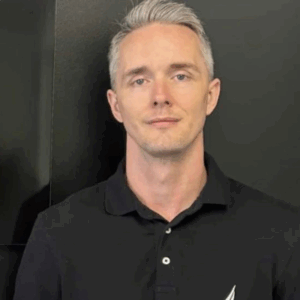
Portrait of Dr. Vahid Osman, Board-Certified Psychiatrist and Addictionologist
Medically Reviewed By
Dr. Vahid Osman, M.D.
Board-Certified Psychiatrist & Addictionologist
Dr. Vahid Osman is a Board-Certified Psychiatrist and Addictionologist with extensive experience treating mental illness, chemical dependency, and developmental disorders. Dr. Osman trained in Psychiatry in France and in Austin, Texas. Read more.
Portrait of Josh Sprung, L.C.S.W.
Clinically Reviewed By
Josh Sprung, L.C.S.W.
Board-Certified Clinical Social Worker
Joshua Sprung serves as a Clinical Reviewer at Louisville Addiction Center, bringing a wealth of expertise to ensure exceptional patient care. Read more.
→ Accreditations & Licenses

The Joint Commission
Awarded The Gold Seal of Approval® for meeting rigorous performance standards in safety, quality, and patient care.
LegitScript Certified
Validates compliance with laws and regulations, confirming transparency and accountability in addiction treatment marketing.
BBB Accredited
Demonstrates ethical business practices, client satisfaction commitment, and a trusted reputation in the community.
Psychology Today Verified
Verified listing on Psychology Today, a trusted directory for addiction treatment providers and behavioral health centers.
HIPAA Compliant
Ensures all patient health information is protected and managed under strict federal privacy and security standards.
NAATP Member
Lexington Addiction Center is a proud member of the National Association of Addiction Treatment Providers (NAATP).
5-Star Google Reviews
Recognized for consistent 5-star ratings, reflecting excellent care and trusted patient experiences at Lexington Addiction Center.
Help.org Recognition
Recognized by Help.org for quality addiction treatment services and community impact.
→ Meet Our Team

At Lexington Addiction Center, we believe that recovery is a journey, not a destination. That’s why we offer a comprehensive continuum of care, delivered by a team of experienced and compassionate professionals. Our team is made up of licensed therapists, counselors, nurses, and other professionals who are passionate about helping people achieve lasting sobriety. Whether you are just starting your recovery journey or you are a seasoned veteran, we are here to support you every step of the way. We believe in you, and we are committed to helping you achieve your recovery goals.

→ Tour Our Rehab Center

Explore Lexington Addiction Center’s drug & alcohol detox rehab treatment center in Lexington, KY and step into private therapy offices, spacious group rooms, and tranquil lounges where thoughtful design supports every stage of substance-use recovery.

Yes, Your Insurance Covers Detox and Rehab Treatment

Complete a free, confidential Verification of Benefits to learn more about what resources may be available to you.

Contact Us

Set yourself free from the struggles of addiction and co-occurring mental health disorders. Reach out to our treatment team in Lexington, Kentucky today.