Feeling trapped by the cycle of cravings, hangovers, and mounting health worries? You’re not alone, and you don’t have to battle withdrawal symptoms in the dark.
Our drug alcohol detox program gives you something the internet’s home-remedy tips never can: round-the-clock medical supervision from clinicians who’ve guided thousands through the roughest first days of sobriety.
Imagine arriving for a same-day assessment, having your vitals checked, and then settling into a calm, judgment-free space where every shake, sweat, or spike in blood pressure is treated in real time.
Most importantly, you’ll never wake up wondering what happens next; our team maps out a clear path from detox from drugs and alcohol through outpatient therapy, so momentum doesn’t stall once the worst cravings fade. When the fear of withdrawal is replaced by a plan you trust, sobriety stops feeling impossible and starts looking like your new normal.
Picture a detox plan that’s as adaptable as your life, with no mandatory hospital stay, no disappearing from work or family for weeks. That’s exactly what medical detox in Lexington, KY looks like at Lexington Addiction Center.
Our program follows an outpatient / ambulatory model: you arrive for comprehensive vitals, lab work, and physician review each day, then return to the comfort of your bed each night. It’s the best of both worlds—clinical rigor without the institutional walls.
Safety, however, is never compromised. A licensed nurse monitors your progress in real time, and a prescribing provider is on-call 24/7 to adjust medications for withdrawal or pain. Whether you’re tapering off opioids with buprenorphine or managing alcohol tremors with carefully dosed benzodiazepines, every protocol is evidence-based and personalized.
Continuous telemetry, rapid lab turnaround, and daily symptom scoring catch complications before they escalate, giving you and your loved ones peace of mind.
Choosing Lexington Addiction Center also means seamless coordination across levels of care. The same clinicians who stabilize your acute symptoms will smooth your transition into a partial hospitalization program, intensive outpatient therapy, peer support groups, and medication management, so hard-won momentum never stalls. In other words, our alcohol and drug detox isn’t an isolated service; it’s the first, medically sound stride in a longer journey toward lasting recovery—one that keeps you safe today while mapping a clear path for tomorrow.
Inside Our Medical Detox Clinic
Lexington Addiction Center delivers outpatient medical detox that balances clinical precision with genuine compassion.
Each client begins with a same-day assessment, then receives a physician-directed Medication-Assisted Treatment (MAT) plan—buprenorphine or naltrexone for opioids, symptom-specific medications for alcohol and other substances.
Licensed nurses provide round-the-clock medical oversight, tracking vitals at scheduled intervals while an on-call clinician adjusts doses or orders STAT labs whenever needed.
By pairing evidence-based medication protocols with 24/7 nursing support, we make the first step into recovery safe, swift, and dignified without an overnight hospital stay.
Step 1: Comprehensive Intake & Safety Screening
Your first appointment isn’t just a quick questionnaire—it’s a deep dive designed to ensure your detox from drugs and alcohol is as safe as modern medicine allows. We start by logging baseline vitals, conducting an EKG, and drawing labs that check liver function, electrolyte balance, and infectious-disease markers.
Next comes a detailed substance-use and mental health history, scored against ASAM criteria to pinpoint your exact level of clinical need. A board-certified provider then walks you through a head-to-toe exam, noting withdrawal severity, co-occurring conditions, and any medications you’re already taking.
All of these data points feed into an individualized detox protocol: target medications, dosing schedule, monitoring frequency, nutrition support, and contingency plans if complications arise. You’ll leave the intake session with a printed roadmap, direct nurse line, and a follow-up time slot, often the very next morning, so you’re never wondering what comes next.
From the moment that plan is in your hands, withdrawal stops feeling like a looming threat and starts looking like a series of manageable, medically guided steps.
Once your personalized plan is set, our medical team moves quickly into action with protocols grounded in the latest addiction-medicine research.
For prescription-opioid or heroin withdrawal, Medication-Assisted Treatment (MAT) is the gold standard. Most clients begin a buprenorphine induction within hours of arrival—a partial opioid agonist that eases cravings and prevents the dramatic peaks and valleys that drive relapse.
As stability builds, some transition to naltrexone, an opioid antagonist that blocks euphoric effects and supports long-term maintenance without physical dependence.
Dosing isn’t one-size-fits-all; clinicians titrate daily based on your withdrawal-severity scores, vital signs, and self-reported comfort.
Alcohol withdrawal presents its medical risks, from severe tremors to the potentially fatal delirium tremens (DTs). When your assessment flags moderate-to-severe symptoms, we deploy carefully tapered benzodiazepines—often diazepam or lorazepam—to calm overactive neural pathways and prevent seizures.
Because benzodiazepines carry their own dependence risk, our providers use symptom-triggered dosing and switch to non-sedating medications as soon as it’s clinically safe.
Throughout every protocol, you remain under continuous clinical supervision. Licensed nurses perform symptom checks and vital monitoring at scheduled intervals—more frequently if your scores climb.
A prescribing provider is on call around the clock to adjust medications, order STAT labs, or arrange rapid transport to a higher level of care if complications arise. This constant oversight, validated in our MAT program model, means no spike in blood pressure, heart rate, or anxiety goes unnoticed or untreated.
By combining pharmacotherapy with vigilant monitoring, Lexington Addiction Center transforms alcohol and drug detox from a roll of the dice into a controlled, science-driven process—one that minimizes discomfort, lowers complication risk, and keeps you engaged for the crucial next steps of recovery.
What is alcohol detox? In plain terms, alcohol detox is the medically supervised process of clearing ethanol and its toxic by-products from your body while keeping potentially dangerous withdrawal symptoms in check.
At Lexington Addiction Center, this service sits under our broader alcohol and drug detox program. It is delivered on an outpatient/ambulatory basis—meaning you come in for daily monitoring and medication, then sleep in your bed once you’re medically stable.
Withdrawal risks. Even casual drinkers can experience tremors, nausea, and crushing headaches within 6–12 hours of their last drink.
For long-term or high-volume users, the danger escalates: severe hypertension, hallucinations, and the life-threatening delirium tremens (DTs) can strike between 48 and 72 hours. That’s why at-home “white-knuckling” isn’t just uncomfortable—it can be fatal.
Medication support. Our clinicians rely on symptom-triggered benzodiazepine tapers to quiet over-firing nerve pathways and prevent seizures.
Vitamins like thiamine and folic acid guard against Wernicke-Korsakoff syndrome, while anti-nausea meds, sleep aids, and electrolyte replacement keep you comfortable enough to stay the course.
Every dose is adjusted in real time based on your vital signs and withdrawal-severity score.
Typical timeline. Most clients spend three distinct phases with us:
1. Evaluation (Day 0–1): Labs, EKG, and a full medical history set the baseline.
2. Stabilization (Day 1–4): Highest medication needs; vitals checked every few hours.
3. Transition (Day 4–7+): Meds taper down; you shift focus to hydration, nutrition, and planning next-step therapy.
Severe cases may require referral to an inpatient unit, which is something our team coordinates seamlessly if red-flag symptoms emerge. For the majority, though, daily clinic visits provide ample safety while preserving your normal routine.
By the time acute withdrawal passes, you already have an appointment on the books for Intensive Outpatient or MAT follow-up, turning the end of detox into the start of sustainable recovery.
Oxycodone & Prescription Opioid Detox
Wondering how to detox from OxyContin (oxycodone) without swapping one problem for another? The first rule is simple: skip the cold-turkey approach.
Abrupt cessation can unleash severe muscle pain, vomiting, diarrhea, and blood pressure spikes that send many people sprinting back to their next pill.
Instead, Lexington Addiction Center’s medical detox protocol in Lexington, KY, uses Medication-Assisted Treatment (MAT) to reduce suffering and lower relapse risk.
Why MAT works. We typically begin with a low-dose buprenorphine induction once moderate withdrawal signs appear (e.g., yawning, sweating, gooseflesh). Buprenorphine partially activates opioid receptors, curbing cravings without triggering the euphoric high of full agonists.
As your symptoms stabilize, the dose is gradually lowered or transitioned to extended-release naltrexone, which blocks opioid effects entirely—making future slips far less rewarding.
Craving management. Physical relief is only half the battle; psychological cravings often linger. Daily check-ins include CBT-based coping skills, mindfulness exercises, and peer-support referrals so you learn to ride out urges without relying on medication alone.
For clients with chronic pain, our medical director collaborates with primary-care physicians to explore non-opioid treatments—think NSAIDs, nerve-block injections, or physical therapy so pain relief remains achievable post-detox.
Safety net. Licensed nurses monitor vitals and withdrawal scores every visit, while a prescribing provider stays on call 24/7. If blood pressure climbs or precipitated withdrawal appears, medications are adjusted immediately.
Because the program is ambulatory, you’re free to return home each evening, but you also have a direct nurse line should late-night symptoms flare.
The payoff. Within seven to ten days, most clients report normalized sleep, steadier mood, and a sharp drop in cravings.
By linking straight into Intensive Outpatient Therapy and ongoing MAT management, we turn detox from a standalone event into the launching pad for lasting opioid-free living without the agony of going it alone.
No two bodies shed substances in the same way. Age, overall health, substance type, and dose all play a part. Still, most clients moving through Lexington Addiction Center’s outpatient detox encounter three broad phases that stack up to roughly 7–10 days.
Remember, these day ranges are guidelines, not guarantees.
Factors like polysubstance use, chronic health conditions, or previous detox complications can stretch or compress the timeline. Lexington Addiction Center adjusts monitoring frequency, medication dosing, and follow-up appointments in real time so your detox from drugs and alcohol stays personalized from first vitals to final clearance.
Remember, these day ranges are guidelines, not guarantees. Factors like polysubstance use, chronic health conditions, or previous detox complications can stretch or compress the timeline. Lexington Addiction Center adjusts monitoring frequency, medication dosing, and follow-up appointments in real time so your detox from drugs and alcohol stays personalized from first vitals to final clearance.
What Happens After Detox? PHP · IOP · OP
Clearing the drugs or alcohol from your system is a victory—but it’s only the first checkpoint on a much longer road. As soon as your vitals stabilize, Lexington Addiction Center schedules a “next-step” consult to keep that momentum alive. Most clients move directly into one of three day-program tracks:
Intensive Outpatient Program
Nine clinical hours spread across three or four days. Small CBT groups, relapse-prevention workshops, and weekly one-on-one sessions help you test new coping skills in real time—then return to work or family life each evening.
One to three hours a week. Ideal for people who have completed PHP or IOP and want to maintain accountability through check-ins, medication adjustments, or booster therapy sessions.
Because the same clinical team oversees your detox and outpatient care, there’s no re-explaining your history or re-filling paperwork.
A hand-off meeting reviews your progress, refines your treatment goals, and locks in a schedule that fits around work, school, or parenting.
From there, you’ll layer in peer-support meetings, family therapy, and alumni events, turning the hard-won gains of medical detox into the foundation of long-term recovery.
Partial Hospitalization Program
About six treatment hours, five days a week. You dive into daily group therapy, individual counseling, and medication management while still sleeping at home or in a sober-living house of your choosing. PHP offers hospital-level structure without an overnight stay.
There are several types of addiction therapy approaches used to treat substance use disorders. These include behavioral therapies, motivational counseling, trauma-focused interventions, family therapy, and holistic options. While some people respond well to one method, many benefit from a combination.
Family Therapy
Family therapy in Lexington, KY, gives every loved one a seat at the table when addiction threatens to pull households apart. Instead of shouldering recovery alone, individuals gain a built-in support system that understands the science of substance use, the power of communication, and the importance of accountability.
Our therapists walk alongside your family, helping you air out old resentments, set healthier boundaries, and celebrate every small win—habits that keep recovery steady long after treatment wraps up.
Holistic addiction treatment in Lexington, KY looks past just “fixing the symptoms.” It pairs proven counseling with activities that move your body, quiet your mind, and lift your spirit so you heal on every level, not just one.
Stress Reduction: Mindfulness, yoga, and breathwork help lower cortisol levels, which are crucial for anyone whose cravings spike under pressure.
Relapse Prevention: Exercise, creative outlets, and a balanced diet provide healthy dopamine boosts, making it easier to avoid old habits.
Improved Mood & Cognition: Balanced diets and regular movement enhance sleep quality and sharpen focus, two predictors of recovery success in holistic drug rehabilitation studies.
Physical Healing: Strength training, outdoor recreation, and medical nutrition therapy help repair organ systems that have been taxed by long-term substance use, thereby boosting overall resilience.
Medication-assisted treatment (MAT) has become the go-to standard for people who need more than willpower to beat addiction, and our MAT Program in Lexington, KY, puts that gold-standard care right at your doorstep.
By pairing FDA-approved medications with therapy and recovery coaching, MAT eases withdrawal, curbs cravings, and lowers the risk of overdose, giving clients the breathing room they need to rebuild their lives.
At Lexington Addiction Center, our Dual Diagnosis Therapy Approach treats both mental health disorders and substance use issues together for lasting recovery. Using evidence-based therapies like CBT, DBT, and trauma-informed care, our team helps clients understand the connection between addiction and mental health. With personalized treatment plans, counseling, and holistic support, we focus on healing the whole person—mind, body, and spirit—to promote long-term wellness and recovery.
Long-term success requires more than just sobriety.
We provide education and training in key areas like budgeting, job readiness, and healthy living. Clients are also encouraged to engage in peer support programs that reinforce accountability and connection.
Together, these services make Lexington Addiction Center one of the most comprehensive benzodiazepine rehab centers in Kentucky. Our goal is not only to treat benzo addiction—but to equip clients with the tools to thrive well beyond treatment.
Many individuals use benzos for trauma or anxiety. Trauma Therapy in Lexington, KY, is the foundation of every program we offer at Lexington Addiction Center, incorporating trauma-informed approaches into addiction treatment at every stage of care. We offer specialized care to address root causes, including:
CBT (Cognitive Behavioral Therapy): Helps clients identify and change thought patterns that fuel addiction.
DBT (Dialectical Behavior Therapy): Focuses on emotional regulation and managing distress.
EMDR (Eye Movement Desensitization and Reprocessing): Especially effective for those with PTSD or trauma histories.
Brainspotting: A powerful tool for accessing and processing deep emotional pain.
Insurance & Payment Made Simple
Yes, Your Insurance Covers Detox and Rehab Treatment, and Lexington Addiction Center makes verifying that promise effortless.
One quick phone call or a 60-second online form lets our admissions team run a real-time benefits check with carriers like Blue Cross Blue Shield, Aetna, Cigna, UnitedHealthcare, or Kentucky Medicaid. Within hours, you’ll know:
Your deductible and out-of-pocket maximum
Any prior-authorization requirements
Covered levels of care (detox, PHP, IOP, OP)
Estimated co-pay or co-insurance
If you’re uninsured or under-insured, we’ll walk through payment plans, sliding-scale fees, and local scholarship funds that can shrink upfront costs. All quotes are free, confidential, and never lock you into treatment. You’re simply arming yourself with facts before you decide. Ready to see what your plan covers?
Call the admissions line or click “Verify My Insurance” on our website, and let Lexington Addiction Center handle the paperwork while you focus on healing.
What Sets Lexington Addiction Center Apart: Premium Amenities & Personalized Care
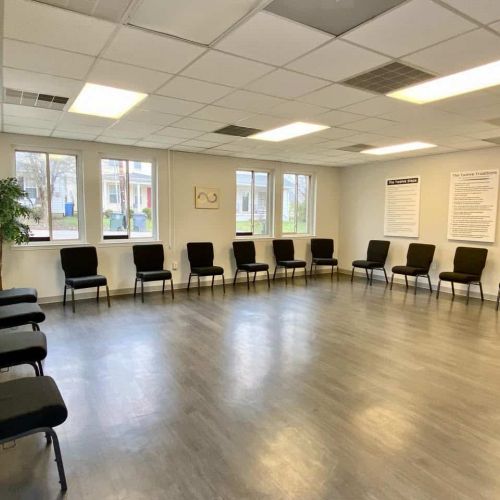
Comfortable & Welcoming Environment
The facility offers a calm and supportive atmosphere that promotes healing and comfort, with easy parking and discreet entrances providing added convenience and privacy. The setting is intentionally designed to feel warm, safe, and stigma-free, allowing clients to focus fully on their recovery journey.
The center integrates holistic approaches such as yoga, meditation, and deep breathing into treatment. Trauma-informed therapies like brain spotting and EMDR-style techniques address underlying causes of addiction. Life skills education and 12-Step principles are incorporated to promote long-term stability.
At Lexington Addiction Center, our team includes master-level clinicians and a registered dietician, offering 24/7 medical care and nursing support, weekly individual therapy sessions, and daily consultations with a medical provider to ensure comprehensive recovery.
Our compassion‑driven family therapy sessions foster healing, empowering loved ones with supportive, holistic evidence‑based counseling to rebuild trust, strengthen lasting bonds, and navigate recovery together in a truly nurturing, understanding environment.
Clients engage in two individual therapy sessions per week, fostering consistent emotional support and guidance. Structured approach promotes sustained progress, accountability, and resilience, empowering individuals to navigate recovery with therapeutic care.
We prioritize individualized attention by limiting each session to just twelve clients. This intimate setting fosters tailored support, meaningful connections, and superior clinical care, empowering participants on their journey to recovery.
Lexington Addiction Center offers a full continuum of care, beginning with medically supervised detox to ensure a safe and comfortable withdrawal process. This flexible structure allows individuals to move between levels of care as their recovery needs change, providing continuous support from detox through long-term outpatient treatment.
Lexington Addiction Center provides comprehensive dual diagnosis treatment, addressing co-occurring mental health disorders such as anxiety, depression, PTSD, and OCD alongside substance use issues. This integrated approach focuses on healing both mental health and addiction challenges simultaneously, ensuring that clients receive well-rounded, effective care.
Frequently Asked Questions About Drug and Alcohol Detox in Lexington
What is drug and alcohol detox?
Drug and alcohol detox is the process of helping the body safely adjust after substance use stops while monitoring withdrawal symptoms, managing complications, and preparing for continued addiction treatment.
How long does detox usually take?
Detox timelines vary by substance, dose, duration of use, overall health, and withdrawal history. Many clients move through evaluation, stabilization, and transition over several days, while more complex cases may require additional monitoring or a higher level of care.
Can I detox at home?
Some withdrawal syndromes can become medically serious. Alcohol, benzodiazepines, and certain other substances can carry significant withdrawal risks, so professional assessment is important before attempting to stop on your own.
What medications may be used during detox?
Medication choices depend on the substance involved and the individual clinical picture. Treatment may include medications to reduce cravings, manage withdrawal symptoms, support sleep, control nausea, stabilize vital signs, or reduce seizure risk when medically appropriate.
Is detox the same as addiction treatment?
No. Detox focuses on withdrawal and medical stabilization. Ongoing treatment can address the behavioral, emotional, psychiatric, and environmental factors that contribute to substance use and relapse risk.
What happens after detox at Lexington Addiction Center?
After stabilization, clients may transition into a partial hospitalization program, intensive outpatient program, outpatient care, medication-assisted treatment, therapy, and other recovery supports based on their clinical needs.
Does insurance cover detox?
Coverage depends on the insurance plan, level of care, medical necessity, and network status. Lexington Addiction Center can help verify benefits and explain estimated coverage before treatment begins.
How do I start detox in Lexington?
Contact Lexington Addiction Center for a confidential admissions conversation. The team can review your substance use history, withdrawal concerns, insurance benefits, and the most appropriate next step.
Ready to Start Drug Alcohol Detox Today?
Freedom from cravings can begin before the day is over. Call Lexington Addiction Center and ask for your same-day assessment—no referrals, no endless waitlists. Our 24/7 hotline connects you directly to a licensed clinician who will answer questions, verify insurance in minutes, and schedule your first visit.
The sooner you step into our medically supervised drug and alcohol detox program, the sooner you’ll trade fear of withdrawal for a clear, personalized plan forward. Reach out now and turn today into Day One of lasting recovery.
Dr. Vahid Osman is a Board-Certified Psychiatrist and Addictionologist with extensive experience treating mental illness, chemical dependency, and developmental disorders. Dr. Osman trained in Psychiatry in France and in Austin, Texas. Read more.
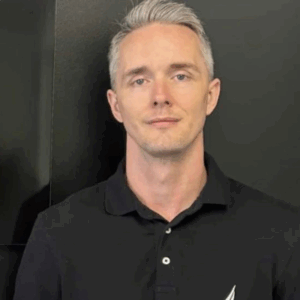
Joshua Sprung serves as a Clinical Reviewer at Lexington Addiction Center, bringing a wealth of expertise to ensure exceptional patient care. Read more.
The Joint Commission Awarded The Gold Seal of Approval® for meeting rigorous performance standards in safety, quality, and patient care.
LegitScript Certified Validates compliance with laws and regulations, confirming transparency and accountability in addiction treatment marketing.
BBB Accredited Demonstrates ethical business practices, client satisfaction commitment, and a trusted reputation in the community.
Psychology Today Verified Verified listing on Psychology Today, a trusted directory for addiction treatment providers and behavioral health centers.
HIPAA Compliant Ensures all patient health information is protected and managed under strict federal privacy and security standards.
NAATP Member Lexington Addiction Center is a proud member of the National Association of Addiction Treatment Providers (NAATP).
5-Star Google Reviews Recognized for consistent 5-star ratings, reflecting excellent care and trusted patient experiences at Lexington Addiction Center.
Help.org Recognition Recognized by Help.org for quality addiction treatment services and community impact.
At Lexington Addiction Center, we believe that recovery is a journey, not a destination. That’s why we offer a comprehensive continuum of care, delivered by a team of experienced and compassionate professionals. Our team is made up of licensed therapists, counselors, nurses, and other professionals who are passionate about helping people achieve lasting sobriety. Whether you are just starting your recovery journey or you are a seasoned veteran, we are here to support you every step of the way. We believe in you, and we are committed to helping you achieve your recovery goals.
Explore Lexington Addiction Center’s drug & alcohol detox rehab treatment center in Lexington, KY and step into private therapy offices, spacious group rooms, and tranquil lounges where thoughtful design supports every stage of substance-use recovery.