Lexington Addiction Center provides prescription drug detox support for individuals experiencing dependence, withdrawal symptoms, cravings, or relapse cycles related to prescription opioids, benzodiazepines, stimulants, sedatives, or other medications.
Safe Prescription Drug Detox Support in Lexington, Kentucky
Prescription drug detox may be needed when the body has become dependent on medication and withdrawal symptoms occur after reducing or stopping use. Dependence can develop with prescription opioids, benzodiazepines, stimulants, sedatives, sleep medications, and other controlled medications.
Lexington Addiction Center helps individuals and families in Lexington and Central Kentucky understand prescription drug withdrawal, detox options, medication safety, relapse risks, and the next steps needed for long-term recovery.
If you or someone you love is struggling with prescription medication misuse, withdrawal symptoms, cravings, or repeated attempts to stop without success, professional detox support may help create a safer and more stable path forward.
Why Prescription Drug Withdrawal Can Be Serious
Prescription medications can affect the brain, nervous system, pain response, mood, sleep, focus, anxiety levels, and physical comfort. When dependence develops, suddenly stopping or changing the dose may cause withdrawal symptoms.
Withdrawal symptoms vary depending on the medication involved. Some prescription drug withdrawal syndromes are uncomfortable, while others can become medically dangerous without professional guidance.
Prescription drug withdrawal may involve:
Cravings or urges to keep taking medication
Nausea, vomiting, diarrhea, sweating, or chills
Muscle aches, body pain, headaches, or tremors
Anxiety, panic, agitation, irritability, or mood swings
Insomnia, fatigue, nightmares, or restlessness
Depression, hopelessness, or emotional numbness
Changes in blood pressure, heart rate, hydration, or appetite
Seizure risk with some sedatives or benzodiazepines
Because different medications create different risks, detox planning should be individualized and based on clinical assessment.
Understanding Prescription Drug Dependence
Prescription drug dependence can develop even when medication was originally prescribed by a doctor. Dependence means the body has adapted to the presence of the medication and may react when the dose is reduced or stopped.
Prescription drug addiction may also involve loss of control, cravings, taking more than prescribed, using medication for reasons other than intended, or continuing use despite negative consequences.
Whether dependence developed from prescribed use, misuse, or recreational use, detox support can help reduce withdrawal risks and connect clients with continued treatment.
Prescription Drugs That May Require Detox Support
Detox planning should consider the specific medication, dose, duration of use, physical health, mental health symptoms, and whether other substances are involved.
Prescription Opioid Detox
Prescription opioids such as oxycodone, hydrocodone, morphine, codeine, and similar pain medications may cause withdrawal symptoms such as nausea, diarrhea, sweating, chills, body aches, anxiety, insomnia, and cravings.
Benzodiazepine Detox
Benzodiazepines such as Xanax, Klonopin, Ativan, Valium, and Librium can cause serious withdrawal symptoms, including severe anxiety, panic, tremors, confusion, hallucinations, and seizures in severe cases.
Prescription Stimulant Detox
Prescription stimulants such as Adderall, Ritalin, Vyvanse, and similar medications may cause fatigue, depression, irritability, sleep changes, increased appetite, cravings, and difficulty concentrating when stopped after misuse or dependence.
Sedative and Sleep Medication Detox
Sleep medications and sedatives may cause rebound insomnia, anxiety, agitation, restlessness, mood changes, and other symptoms when dependence has developed.
Polysubstance Detox
Using prescription medications with alcohol, opioids, fentanyl, benzodiazepines, stimulants, or other drugs can increase overdose risk and complicate withdrawal. Medical assessment is especially important when multiple substances are involved.
Medication Misuse Assessment
Some people are unsure whether they need detox or another level of care. A confidential assessment can help determine the safest next step based on symptoms, medication history, and clinical risk.
Signs You May Need Prescription Drug Detox
Many people do not realize they have developed dependence until they try to stop or reduce a medication. A confidential assessment can help determine whether detox support is appropriate.
You Feel Sick When You Stop Taking Medication
Withdrawal symptoms after reducing or stopping a prescription drug may indicate physical dependence.
You Need More Medication Over Time
Tolerance can develop when the same dose no longer provides the same effect.
You Take Medication to Avoid Withdrawal
Some people continue taking medication not to feel better, but to avoid feeling sick, anxious, restless, or unable to sleep.
You Take Medication Differently Than Prescribed
Taking higher doses, taking medication more often, mixing it with other substances, or using someone else’s prescription may indicate a need for professional help.
You Have Tried to Quit But Returned to Use
Repeated attempts to stop without success may mean structured detox support and continued treatment are needed.
Prescription Drug Withdrawal Timeline
Prescription drug withdrawal timelines vary widely depending on the medication, dose, duration of use, physical health, metabolism, mental health, and whether multiple substances are involved.
Withdrawal may include several phases:
Early withdrawal: Symptoms may begin as medication levels drop in the body.
Acute withdrawal: Symptoms may intensify and may require the most support.
Stabilization: Physical symptoms may improve as the body adjusts.
Post-acute symptoms: Mood, sleep, cravings, concentration, and anxiety may remain difficult for some people.
Because prescription medications have different withdrawal profiles, detox should be guided by medical assessment rather than a fixed timeline.
What Happens During Prescription Drug Detox?
Prescription drug detox begins with a comprehensive assessment of medication history, dose, duration of use, withdrawal symptoms, cravings, medical concerns, mental health symptoms, prior detox experiences, and use of other substances.
During detox, clients may receive withdrawal monitoring, medication management when appropriate, hydration support, nutrition support, sleep support, mental health screening, and transition planning for continued care.
The primary goal is stabilization. Once withdrawal symptoms begin to improve, clients can transition into ongoing addiction treatment to address dependence, medication misuse patterns, mental health symptoms, relapse risk, and long-term recovery planning.
Medical Support During Prescription Drug Detox
Medical support during detox depends on the medication involved and the person’s symptoms. Detox should never be one-size-fits-all.
Withdrawal Monitoring
Monitoring helps track symptoms such as nausea, sweating, chills, insomnia, anxiety, cravings, blood pressure changes, mood swings, tremors, and dehydration risk.
Medication Management When Appropriate
Medication support may be used to reduce symptoms, support comfort, stabilize sleep, manage cravings, or reduce medical risk when clinically appropriate.
Seizure Risk Awareness
Benzodiazepines and some sedative medications may create seizure risk when stopped suddenly. Medical guidance is strongly recommended before stopping these medications.
Hydration, Nutrition, and Sleep Support
Withdrawal may affect appetite, hydration, digestion, energy, and sleep. Supportive care can help the body begin to stabilize.
Mental Health Screening
Anxiety, depression, trauma symptoms, panic, irritability, or suicidal thoughts may emerge or worsen during withdrawal. Screening helps identify additional support needs.
Transition Planning
Detox should connect directly to continued treatment so clients can address addiction, dependence, medication behaviors, and relapse prevention.
Prescription Drug Detox and Mental Health
Many people who become dependent on prescription medication originally began taking it for pain, anxiety, panic attacks, insomnia, ADHD, trauma symptoms, or another medical or mental health concern.
When medication is reduced or stopped, those symptoms may return or temporarily worsen. This is why detox should not only focus on the medication leaving the body. Treatment planning should also address the symptoms the medication was being used to manage.
Lexington Addiction Center supports dual diagnosis treatment planning for clients who need help with anxiety, depression, PTSD, trauma, chronic pain concerns, mood instability, sleep problems, or stress alongside prescription drug dependence.
Risks of Mixing Prescription Drugs With Other Substances
Prescription medications can become especially dangerous when mixed with alcohol, opioids, fentanyl, benzodiazepines, stimulants, or other drugs. Combining substances may increase overdose risk, worsen withdrawal, and complicate detox planning.
Polysubstance use may increase the risk of:
Over-sedation or blackouts
Respiratory depression
Heart rate or blood pressure instability
Accidental overdose
Falls, injuries, or unsafe behavior
Seizures or severe withdrawal complications
Relapse after detox
If prescription medications are being used with alcohol or other drugs, detox planning should be handled carefully by medical professionals.
Prescription Drug Detox Is the First Step, Not the Finish Line
Detox helps the body stabilize during withdrawal, but it does not automatically resolve cravings, anxiety, pain, insomnia, trauma, depression, stress, or behavioral patterns related to medication misuse.
Stabilization Detox support helps clients safely move through withdrawal symptoms.
Clinical Planning Assessment helps determine the next appropriate level of care.
Mental Health Support Ongoing care helps address anxiety, depression, trauma, pain, sleep issues, and stress.
Relapse Prevention Continued treatment helps clients build healthier coping strategies after detox.
After prescription drug detox, clients may benefit from PHP, IOP, outpatient treatment, dual diagnosis care, therapy, medication management when appropriate, and aftercare planning.
Frequently Asked Questions About Prescription Drug Detox in Lexington, KY
What is prescription drug detox?
Prescription drug detox is the process of helping the body stabilize while managing withdrawal symptoms from medications such as prescription opioids, benzodiazepines, stimulants, sedatives, or sleep medications.
Can prescription drug withdrawal be dangerous?
Yes. Withdrawal from some prescription medications can be medically serious, especially benzodiazepines, sedatives, and certain combinations of substances. Medical guidance is recommended.
What prescription drugs may require detox?
Prescription opioids, benzodiazepines, sedatives, sleep medications, stimulants, and other controlled medications may require detox support depending on dependence, symptoms, and clinical risk.
Can I detox from prescription drugs at home?
Home detox can be risky, especially with benzodiazepines, sedatives, opioids, polysubstance use, or significant withdrawal symptoms. A clinical assessment can help determine the safest next step.
How long does prescription drug detox take?
The timeline varies depending on the medication, dose, duration of use, metabolism, health history, mental health, and whether other substances are involved.
Does insurance cover prescription drug detox?
Many insurance plans cover medically necessary detox and addiction treatment services. Coverage depends on the plan, diagnosis, level of care, network status, and authorization requirements.
What happens after prescription drug detox?
After detox, clients may continue care through PHP, IOP, outpatient treatment, dual diagnosis care, therapy, medication management when appropriate, and relapse prevention planning.
How do I start prescription drug detox in Lexington?
The first step is contacting Lexington Addiction Center for a confidential admissions conversation. The team can review symptoms, discuss options, verify insurance, and help determine the safest next step.
Medical and Emergency Notice
This page provides general information about prescription drug detox and addiction treatment. It is not a substitute for medical advice, diagnosis, or emergency care.
If you or someone else may be experiencing seizures, overdose symptoms, severe confusion, hallucinations, chest pain, suicidal thoughts, slowed breathing, loss of consciousness, or another medical emergency, call 911 immediately.
Start Prescription Drug Detox in Lexington, KY
If you or someone you love is struggling with prescription drug dependence, withdrawal symptoms, cravings, or medication misuse, Lexington Addiction Center can help you understand detox options, verify insurance, and take the next step toward recovery.
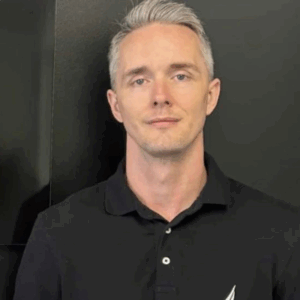
Dr. Vahid Osman is a Board-Certified Psychiatrist and Addictionologist with extensive experience treating mental illness, chemical dependency, and developmental disorders. Dr. Osman trained in Psychiatry in France and in Austin, Texas.
Read more.
Clinically Reviewed By
Josh Sprung, L.C.S.W.
Board-Certified Clinical Social Worker
Joshua Sprung serves as a Clinical Reviewer at Lexington Addiction Center, bringing a wealth of expertise to ensure exceptional patient care.
Read more.
The Joint Commission Awarded The Gold Seal of Approval® for meeting rigorous performance standards in safety, quality, and patient care.
LegitScript Certified Validates compliance with laws and regulations, confirming transparency and accountability in addiction treatment marketing.
BBB Accredited Demonstrates ethical business practices, client satisfaction commitment, and a trusted reputation in the community.
Psychology Today Verified Verified listing on Psychology Today, a trusted directory for addiction treatment providers and behavioral health centers.
HIPAA Compliant Ensures all patient health information is protected and managed under strict federal privacy and security standards.
NAATP Member Lexington Addiction Center is a proud member of the National Association of Addiction Treatment Providers (NAATP).
5-Star Google Reviews Recognized for consistent 5-star ratings, reflecting excellent care and trusted patient experiences at Lexington Addiction Center.
Help.org Recognition Recognized by Help.org for quality addiction treatment services and community impact.
At Lexington Addiction Center, we believe that recovery is a journey, not a destination. That’s why we offer a comprehensive continuum of care, delivered by a team of experienced and compassionate professionals. Our team is made up of licensed therapists, counselors, nurses, and other professionals who are passionate about helping people achieve lasting sobriety. Whether you are just starting your recovery journey or you are a seasoned veteran, we are here to support you every step of the way. We believe in you, and we are committed to helping you achieve your recovery goals.
Explore Lexington Addiction Center’s drug & alcohol detox rehab treatment center in Lexington, KY and step into private therapy offices, spacious group rooms, and tranquil lounges where thoughtful design supports every stage of substance-use recovery.
Yes, Your Insurance Covers Detox and Rehab Treatment
Complete a free, confidential Verification of Benefits to learn more about what resources may be available to you.
Contact Us Today
Addiction and co-occurring disorders don’t have to control your life. Lexington Addiction Center is waiting with open arms to give you the tools necessary for lasting change. Reach out to us today to learn more.