

Monkey Dust in Lexington

Monkey Dust in Lexington: Synthetic Stimulant Risks, Psychosis and Treatment

“Monkey Dust” is a street term associated with synthetic cathinones such as MDPV and MDPHP. These stimulants can contribute to repeated dosing, prolonged wakefulness, severe anxiety, paranoia, hallucinations, stimulant-induced psychosis and potentially dangerous physical complications.

Monkey Dust is not a new substance, but it returned to the attention of U.S. drug-monitoring researchers in 2026 after early-warning signals suggested that MDPV and related synthetic cathinones may be resurfacing.

Current evidence does not establish a widespread Monkey Dust outbreak in Lexington or Kentucky. What families should understand is how severe stimulant use can affect the brain and body, when emergency or detox care may be necessary and how continued addiction and mental-health treatment can support recovery.

What Is Monkey Dust?

Monkey Dust is a street name, not one standardized drug. The term has been associated most closely with MDPV and MDPHP, which belong to a broader family of synthetic stimulants commonly called synthetic cathinones or bath salts.

Synthetic cathinones are laboratory-made drugs chemically related to cathinone, a naturally occurring stimulant found in the khat plant.

Other synthetic cathinones include alpha-PVP, alpha-PHP, alpha-PiHP, mephedrone and methylone.

A product sold as Monkey Dust may contain a different cathinone or additional substances. Street terminology alone cannot confirm what chemical was actually used.

Why Is Monkey Dust Being Discussed Again?

MDPV gained widespread attention during the earlier U.S. wave of synthetic cathinones often described as bath salts.

In 2026, the National Drug Early Warning System renewed focused monitoring after an early-warning signal suggested MDPV or Monkey Dust may be resurfacing.

Compulsive Redosing

A person may repeatedly take additional doses as stimulant effects begin to fade.

Prolonged Wakefulness

Repeated use can keep someone awake for unusually long periods and worsen physical and psychiatric stress.

Psychosis

Heavy stimulant use may be associated with paranoia, hallucinations, confusion and delusional thinking.

Dependence

Cravings, repeated binges and difficulty stopping can indicate a developing stimulant-use disorder.

Is Monkey Dust in Lexington or Kentucky?

Current evidence does not establish a widespread Monkey Dust outbreak in Lexington or elsewhere in Kentucky.

Emerging drug terminology can spread online much faster than toxicology or public-health data can establish actual local prevalence.

Focus on Symptoms, Not Just the Name

Families do not need to determine whether a stimulant was specifically MDPV or MDPHP before seeking help. Severe stimulant symptoms, compulsive use and psychiatric instability deserve attention regardless of the reported street name.

How Monkey Dust Can Affect the Brain and Body

Synthetic cathinones act as stimulants. Early effects may include increased energy, alertness, talkativeness, confidence, decreased appetite and prolonged wakefulness.

Anxiety and Agitation

Someone may experience severe anxiety, panic, physical tension, restlessness or increasingly agitated behavior.

Cardiovascular Stress

Heart rate and blood pressure may increase, particularly during heavy or prolonged stimulant exposure.

Sleep Loss

Repeated dosing may lead to prolonged wakefulness that worsens judgment, mood regulation and perception.

Psychosis

Heavy use may contribute to paranoia, hallucinations, delusional beliefs and severe confusion.

Can Monkey Dust Cause Psychosis?

Yes. Potent synthetic stimulants can contribute to stimulant-induced psychosis.

A person may believe they are being followed or watched. They may think loved ones intend to harm them. They may hear voices or see things that are not present.

These experiences can feel completely real.

Why Sleep Deprivation Matters

Prolonged stimulant use can keep someone awake far longer than intended. As sleep deprivation worsens, anxiety, suspiciousness, confusion and altered perception may become more severe.

Persistent hallucinations, severe paranoia, suicidal thinking or dangerous behavior require medical or psychiatric evaluation.

When Stimulant Use Becomes a Medical Emergency

Severe synthetic-cathinone toxicity can become medically dangerous.

Call 911 for Severe Symptoms

Seek emergency care for seizures, severe chest pain, extreme overheating, abnormal breathing, loss of consciousness, severe confusion, dangerous agitation, suicidal behavior or another immediate threat to life or safety.

Does Narcan Work on Monkey Dust?

Naloxone reverses opioid effects. It does not reverse stimulant toxicity.

If opioid exposure may be involved and someone is unconscious or breathing abnormally, administer naloxone and call 911.

Monkey Dust and Polysubstance Use

Synthetic stimulants may be used alongside alcohol, benzodiazepines, cocaine, methamphetamine, opioids, prescription medications or other unknown substances.

Alcohol and Benzodiazepines

Dependence on alcohol or benzodiazepines can introduce separate and potentially serious withdrawal risks.

Opioids

Opioid exposure may cause respiratory depression and overdose even when stimulant symptoms are also present.

Other Stimulants

Cocaine, methamphetamine and synthetic cathinones used together may increase cardiovascular and psychiatric strain.

Unknown Drug Contents

Illicit drugs may contain substances the person did not expect, making complete assessment especially important.

Signs Synthetic Stimulant Use May Be Becoming Addictive

Repeated Redosing

The person continues taking more even after deciding they planned to stop.

Prolonged Binges

Use continues while sleep, meals, responsibilities or relationships are neglected.

Strong Cravings

Thoughts about using or obtaining stimulants become increasingly difficult to manage.

Continued Use Despite Harm

Use continues despite psychiatric symptoms, physical problems or repeated negative consequences.

What Happens After a Monkey Dust Binge?

When prolonged stimulant use ends, someone may experience a substantial crash.

Symptoms can include extreme fatigue, prolonged sleep, depressed mood, anxiety, irritability, poor concentration, increased appetite and strong cravings.

The discomfort of the crash can encourage another cycle of use if someone returns to the stimulant to escape exhaustion or low mood.

Does Monkey Dust Require Medical Detox?

Not everyone stopping a synthetic stimulant requires the same level of detox support.

The appropriate starting point depends on psychiatric stability, physical health, other substances, withdrawal risks and previous complications.

Medical Stability

Seizures, cardiovascular instability or another acute medical condition may require emergency or hospital-level care.

Psychiatric Stability

Severe psychosis, suicidal thinking or dangerous behavior may require a higher level of psychiatric stabilization.

Other Substances

Alcohol, benzodiazepine or opioid dependence may substantially change the withdrawal-management plan.

Individualized Assessment

Treatment recommendations should reflect the person’s actual clinical condition rather than the reported drug name alone.

Lexington Addiction Center currently provides medically supervised drug and alcohol detox as part of its treatment continuum.

Explore Drug and Alcohol Detox in Lexington

Stimulant Addiction Treatment at Lexington Addiction Center

Once immediate medical and psychiatric concerns are stabilized, treatment can address the patterns that keep stimulant use going.

Lexington Addiction Center provides individualized addiction and mental-health treatment in Lexington, Kentucky.

Medical Detox

Medically supervised withdrawal support can help clients reach greater physical and emotional stability before continuing treatment.

Explore Detox

Partial Hospitalization

PHP provides highly structured treatment for clients who need substantial clinical support while progressing through recovery.

Intensive Outpatient Program

IOP provides structured addiction and mental-health treatment while allowing greater flexibility outside treatment hours.

Explore IOP

Dual Diagnosis Treatment

Integrated care addresses substance use and co-occurring anxiety, depression, trauma, PTSD, bipolar disorder and other mental-health concerns.

Explore Dual Diagnosis Treatment

Monkey Dust, Psychosis and Dual Diagnosis Treatment

Stimulant addiction and mental-health concerns can become closely connected.

Some people already live with anxiety, depression, PTSD, trauma, bipolar disorder or another psychiatric condition before stimulant use begins.

For others, prolonged stimulant use and severe sleep disruption contribute to worsening emotional instability, paranoia, depression or psychotic symptoms.

Lexington Addiction Center’s dual-diagnosis program addresses addiction and mental health together through individualized treatment that may include therapy, psychiatric support, medication management when clinically appropriate, trauma-informed care and relapse-prevention work.

What Happens During Assessment?

Substance Use

The team reviews the substances involved, frequency, amount, last use and recent binge patterns.

Mental Health

Anxiety, depression, trauma, paranoia, hallucinations, sleep problems and other psychiatric symptoms are considered.

Medical History

Current medications, medical conditions, previous withdrawal and past treatment experiences can affect recommendations.

Recovery Needs

Home environment, support systems, relapse history and the amount of structure needed are also reviewed.

Warning Signs Families May Notice

A loved one may never use the term Monkey Dust or know what the substance actually contained.

Families may instead notice prolonged periods without sleep, escalating suspiciousness, hallucinations, severe mood changes, repeated crashes, unexplained weight loss, financial problems, secretive behavior or repeated failed attempts to stop.

Using alcohol, benzodiazepines or opioids to come down after a stimulant binge can be another warning sign that substance use is becoming more complicated.

Addiction Treatment in Lexington, Kentucky

Lexington Addiction Center is located at 351 Burley Ave, Lexington, KY 40503.

Current services include addiction treatment, medically supervised detox, outpatient care, intensive outpatient programming and integrated mental-health and dual-diagnosis treatment.

Frequently Asked Questions About Monkey Dust

What is Monkey Dust?

Monkey Dust is a street term most commonly associated with synthetic cathinones such as MDPV and MDPHP.

Is Monkey Dust in Lexington or Kentucky?

Current evidence does not establish a widespread Monkey Dust outbreak in Lexington or Kentucky. It is better viewed as an emerging synthetic-stimulant trend worth monitoring.

Is Monkey Dust the same as bath salts?

Monkey Dust generally refers to particular synthetic cathinones within the broader family commonly called bath salts.

Is Monkey Dust the same as Flakka?

No. Flakka has most commonly referred to alpha-PVP, while Monkey Dust has been associated more closely with MDPV and MDPHP.

Is Monkey Dust the same as methamphetamine?

No. Both are stimulants, but they are chemically and pharmacologically different.

Can Monkey Dust cause psychosis?

Yes. Synthetic cathinones can be associated with paranoia, hallucinations, severe suspiciousness, confusion and stimulant-induced psychosis.

Can sleep deprivation make stimulant psychosis worse?

Yes. Prolonged sleep deprivation can worsen anxiety, suspiciousness, confusion and altered perception.

Can Monkey Dust cause seizures?

Seizures can occur during severe synthetic-cathinone toxicity and require emergency medical treatment.

Does Narcan work on Monkey Dust?

Naloxone does not reverse stimulant toxicity. It should still be administered if opioid exposure may be involved.

What happens after a Monkey Dust binge?

A stimulant crash can involve exhaustion, prolonged sleep, depression, anxiety, irritability, poor concentration and strong cravings.

Is Monkey Dust addictive?

Synthetic cathinones can contribute to strong cravings, repeated redosing, prolonged binges and difficulty controlling use.

Does Monkey Dust require medical detox?

Not everyone stopping a stimulant needs the same level of care. Medical stability, psychiatric symptoms, other substances and withdrawal risks influence whether detox or another treatment setting is appropriate.

Can Lexington Addiction Center treat stimulant addiction?

Lexington Addiction Center provides addiction treatment, medically supervised detox and structured continued care for clients whose treatment needs are appropriate for the facility.

Can stimulant addiction and mental-health conditions be treated together?

Yes. Lexington Addiction Center provides integrated dual-diagnosis treatment for substance use and co-occurring mental-health conditions.

Medical and Clinical Review

Medically Reviewed By Dr. Vahid Osman, M.D.

Board-Certified Psychiatrist and Addictionologist

Clinically Reviewed By Josh Sprung, L.C.S.W.

Licensed Clinical Social Worker

Clinical Sources

This article is educational and does not replace individualized medical or psychiatric care.

Emergency Information

Call 911 for seizures, severe chest pain, loss of consciousness, severe overheating, abnormal breathing, suicidal behavior, dangerous agitation or another immediate medical emergency.

Start Stimulant Addiction Treatment in Lexington

You do not need to know exactly which synthetic stimulant was used before asking for help.

If stimulant use has become difficult to control, repeated binges are occurring, other substances are involved or mental-health symptoms are worsening, Lexington Addiction Center can help assess what level of care may be appropriate.

→ Contributors
Portrait of Dr. Vahid Osman, Board-Certified Psychiatrist and Addictionologist
Medically Reviewed By
Dr. Vahid Osman, M.D.
Board-Certified Psychiatrist & Addictionologist
Dr. Vahid Osman is a Board-Certified Psychiatrist and Addictionologist with extensive experience treating mental illness, chemical dependency, and developmental disorders. Dr. Osman trained in Psychiatry in France and in Austin, Texas. Read more.
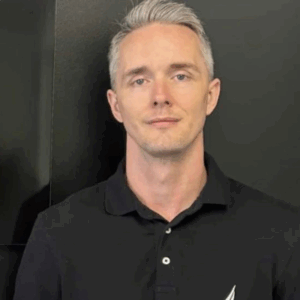
Portrait of Josh Sprung, L.C.S.W.
Clinically Reviewed By
Josh Sprung, L.C.S.W.
Board-Certified Clinical Social Worker
Joshua Sprung serves as a Clinical Reviewer at Lexington Addiction Center, bringing a wealth of expertise to ensure exceptional patient care. Read more.
→ Accreditations & Licenses

The Joint Commission
Awarded The Gold Seal of Approval® for meeting rigorous performance standards in safety, quality, and patient care.
LegitScript Certified
Validates compliance with laws and regulations, confirming transparency and accountability in addiction treatment marketing.
BBB Accredited
Demonstrates ethical business practices, client satisfaction commitment, and a trusted reputation in the community.
Psychology Today Verified
Verified listing on Psychology Today, a trusted directory for addiction treatment providers and behavioral health centers.
HIPAA Compliant
Ensures all patient health information is protected and managed under strict federal privacy and security standards.
NAATP Member
Lexington Addiction Center is a proud member of the National Association of Addiction Treatment Providers (NAATP).
5-Star Google Reviews
Recognized for consistent 5-star ratings, reflecting excellent care and trusted patient experiences at Lexington Addiction Center.
Help.org Recognition
Recognized by Help.org for quality addiction treatment services and community impact.
→ Meet Our Team

At Lexington Addiction Center, we believe that recovery is a journey, not a destination. That’s why we offer a comprehensive continuum of care, delivered by a team of experienced and compassionate professionals. Our team is made up of licensed therapists, counselors, nurses, and other professionals who are passionate about helping people achieve lasting sobriety. Whether you are just starting your recovery journey or you are a seasoned veteran, we are here to support you every step of the way. We believe in you, and we are committed to helping you achieve your recovery goals.

→ Tour Our Rehab Center

Explore Lexington Addiction Center’s drug & alcohol detox rehab treatment center in Lexington, KY and step into private therapy offices, spacious group rooms, and tranquil lounges where thoughtful design supports every stage of substance-use recovery.

Yes, Your Insurance Covers Detox and Rehab Treatment

Complete a free, confidential Verification of Benefits to learn more about what resources may be available to you.

Contact Us Today

Lexington Addiction Center - logo

Addiction and co-occurring disorders don’t have to control your life. Lexington Addiction Center is waiting with open arms to give you the tools necessary for lasting change. Reach out to us today to learn more.