Pikeville, Kentucky Drug and Alcohol Rehab Resources
Table of contents
Home > Pikeville, Kentucky Drug and Alcohol Rehab Resources
Pikeville, Kentucky Drug and Alcohol Rehab Resources
Lexington Addiction Center provides structured addiction treatment resources for Pikeville residents, including medical detox support, PHP, IOP, outpatient care, virtual outpatient services, medication-assisted treatment, dual diagnosis support, family services, and long-term recovery planning.
For people in Pikeville and surrounding Eastern Kentucky communities, treatment planning may also need to account for travel distance, transportation, work, privacy, caregiving responsibilities, and access to local recovery support.
Addiction Treatment Support for Pikeville, Kentucky
Addiction can affect individuals, families, work, housing, finances, health, and emotional wellbeing. People in Pikeville may be dealing with alcohol addiction, opioid or fentanyl use, methamphetamine use, prescription drug misuse, or a substance use disorder complicated by anxiety, depression, trauma, PTSD, grief, or another mental health condition.
This page brings Pikeville-area treatment resources, levels of care, access considerations, family support, therapy options, insurance guidance, and long-term recovery planning into one clearer treatment guide.
Substance Use Concerns in Pikeville and Eastern Kentucky
Substance use disorders can affect physical health, relationships, work, housing, finances, and community stability. Professional treatment may help address withdrawal risk, cravings, relapse patterns, mental health symptoms, family strain, and the need for a structured recovery plan.
Alcohol, opioid, fentanyl, heroin, methamphetamine, cocaine, and prescription drug addiction
Withdrawal symptoms and medical stabilization needs
Relapse patterns, cravings, isolation, and emotional triggers
Family strain, work disruption, transportation barriers, and long-term recovery planning
Recovery Resources and Support Near Pikeville
Recovery often requires more than a single episode of care. Local and regional supports can add accountability and practical help before, during, and after treatment.
Peer Support Meetings
AA, NA, SMART Recovery, and other peer-support meetings can help reduce isolation and reinforce recovery routines.
Family Support
Family education, counseling, Al-Anon, and other support resources can help loved ones understand addiction and develop healthier boundaries.
Housing, transportation, employment, education, and other practical supports can make it easier to stay engaged in recovery.
Levels of Care for Pikeville Residents
Treatment recommendations depend on withdrawal risk, mental health symptoms, safety concerns, prior treatment, recovery environment, and daily responsibilities.
Medical Detox
Medical detox may be needed when alcohol, opioids, benzodiazepines, or other substances create withdrawal risk. Clinical support can help stabilize the body before the next phase of treatment.
PHP provides intensive daytime treatment with therapy, groups, relapse prevention, and clinical oversight while allowing clients to return to an approved living environment outside program hours.
IOP provides structured therapy and recovery support multiple days per week while offering more flexibility for work, school, family, and other responsibilities.
Outpatient care supports continued therapy, relapse prevention, accountability, and recovery maintenance after a higher level of care or when lower-intensity treatment is appropriate.
MAT may help reduce cravings and support recovery from opioid or alcohol use disorders when clinically appropriate and combined with counseling and behavioral health care.
Many Pikeville residents seeking addiction treatment are also dealing with anxiety, depression, trauma, PTSD, grief, bipolar disorder, OCD symptoms, or chronic stress. Treating these concerns together can reduce relapse risk.
Anxiety and Chronic Stress
Anxiety, panic, racing thoughts, and chronic stress can increase cravings and interfere with recovery.
How Living in Pikeville Can Influence Access to Treatment
Transportation and Distance
Long travel distances can make consistent in-person treatment harder. Planning may involve condensed scheduling, family transportation support, or virtual options.
Insurance Coverage for Pikeville Addiction Treatment
Many insurance plans cover medically necessary addiction treatment and mental health services. Depending on the plan, benefits may apply to detox, PHP, IOP, outpatient treatment, virtual services, therapy, medication-assisted treatment, and dual diagnosis care.
Network status, authorization requirements, deductibles, copays, coinsurance, and other out-of-pocket costs vary. Lexington Addiction Center can verify benefits before treatment begins.
Frequently Asked Questions About Pikeville Addiction Treatment
What addiction treatment services are available to residents of Pikeville, Kentucky?
Pikeville residents may access medical detox support, PHP, IOP, outpatient treatment, virtual outpatient services, medication-assisted treatment when clinically appropriate, dual diagnosis care, family support, relapse prevention, and aftercare planning through Lexington Addiction Center.
How do treatment providers tailor care for people from Pikeville?
Treatment begins with a detailed assessment of substance use, mental health symptoms, stressors, family dynamics, daily responsibilities, transportation needs, and recovery goals. This helps the clinical team create a plan that fits both clinical needs and real-world demands.
What should someone from Pikeville expect when beginning addiction treatment?
Clients can expect a confidential intake process, clinical assessment, insurance verification, level-of-care recommendation, therapy, relapse-prevention planning, and ongoing adjustments based on progress and changing needs.
How does living in Pikeville influence access to addiction care?
Distance, transportation, work schedules, family responsibilities, and privacy concerns can affect access to care. Flexible scheduling and virtual outpatient services can help reduce some of these barriers.
What common recovery challenges might people from Pikeville face?
Common challenges may include cravings, familiar triggers, social pressure, transportation barriers, stress, untreated mental health symptoms, family conflict, and balancing treatment with daily responsibilities.
How does therapy help someone from Pikeville stay sober?
Therapy helps clients identify triggers, build coping skills, manage emotions, improve relationships, prepare for high-risk situations, and develop healthier responses to stress and cravings.
What ongoing support options are available after initial treatment?
Ongoing support may include outpatient therapy, virtual sessions, peer support groups, medication management, family therapy, sober living referrals, alumni support, and relapse-prevention check-ins.
How can loved ones in Pikeville support someone in recovery?
Loved ones can offer encouragement, learn about addiction, avoid judgment, set healthy boundaries, help with practical barriers, and participate in family therapy or education when appropriate.
Does insurance cover addiction treatment near Pikeville, KY?
Many insurance plans cover medically necessary addiction treatment and mental health services. Coverage varies by plan, level of care, network status, and authorization requirements.
Are virtual outpatient services available for Pikeville residents?
Virtual outpatient services may be available when clinically appropriate and can help reduce transportation, travel-distance, work, and scheduling barriers.
Can Lexington Addiction Center treat co-occurring mental health conditions?
Yes. Dual diagnosis treatment can address substance use alongside anxiety, depression, PTSD, trauma, bipolar disorder, OCD symptoms, grief, and other mental health concerns when clinically appropriate.
How do I get started?
Contact Lexington Addiction Center. Admissions can answer questions, verify insurance, review treatment options, and help determine the most appropriate next step.
What Sets Lexington Addiction Center Apart: Premium Amenities & Personalized Care
Clinician and Medical Owned and Operated
Experienced clinicians and medical professionals support stabilization, therapy, recovery planning, and co-occurring mental health needs.
Location-based pages provide general information about addiction treatment services and regional availability. Services may vary by availability, clinical appropriateness, location, and admissions eligibility.
In emergencies, including overdose or severe withdrawal crises, call 911 immediately. Insurance coverage must be verified directly.
Start Addiction Treatment Near Pikeville, KY
Lexington Addiction Center can verify insurance, answer questions, and help determine the right level of care for you or your loved one.
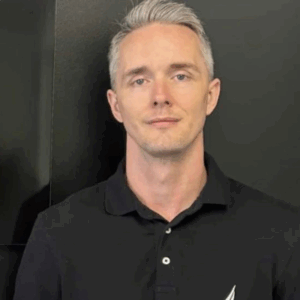
Dr. Vahid Osman is a Board-Certified Psychiatrist and Addictionologist with extensive experience treating mental illness, chemical dependency, and developmental disorders. Dr. Osman trained in Psychiatry in France and in Austin, Texas. Read more.
Clinically Reviewed By
Josh Sprung, L.C.S.W.
Board-Certified Clinical Social Worker
Joshua Sprung serves as a Clinical Reviewer at Lexington Addiction Center, bringing a wealth of expertise to ensure exceptional patient care. Read more.
The Joint Commission Awarded The Gold Seal of Approval® for meeting rigorous performance standards in safety, quality, and patient care.
LegitScript Certified Validates compliance with laws and regulations, confirming transparency and accountability in addiction treatment marketing.
BBB Accredited Demonstrates ethical business practices, client satisfaction commitment, and a trusted reputation in the community.
Psychology Today Verified Verified listing on Psychology Today, a trusted directory for addiction treatment providers and behavioral health centers.
HIPAA Compliant Ensures all patient health information is protected and managed under strict federal privacy and security standards.
NAATP Member Lexington Addiction Center is a proud member of the National Association of Addiction Treatment Providers (NAATP).
5-Star Google Reviews Recognized for consistent 5-star ratings, reflecting excellent care and trusted patient experiences at Lexington Addiction Center.
Help.org Recognition Recognized by Help.org for quality addiction treatment services and community impact.
Yes, Your Insurance Covers Detox and Rehab Treatment
Complete a free, confidential Verification of Benefits to learn more about what resources may be available to you.
Contact Us Today
Addiction and co-occurring disorders don’t have to control your life. Lexington Addiction Center is waiting with open arms to give you the tools necessary for lasting change. Reach out to us today to learn more.