Cat’s Claw, MGM-15 & Kratom in Kentucky: What Lexington Families Should Know
Updated September 29, 2026. A recent Tennessee drug warning is raising questions in Kentucky about products marketed as “Cat’s Claw,” MGM-15, concentrated 7-OH products, kratom dependence, and withdrawal.
For Lexington families, the most important point is that genuine botanical cat’s claw is not kratom. The concern involves certain commercial products being sold under the Cat’s Claw name that authorities say may contain kratom-related compounds.
Cat’s claw commonly refers to plants in the Uncaria genus. Kratom comes from Mitragyna speciosa, a different plant.
The Tennessee warning concerns certain commercial products marketed under the Cat’s Claw name. Authorities warned that some of these products may contain MGM-15, a kratom-related compound.
This does not mean every cat’s claw supplement contains MGM-15. It does mean consumers should be cautious when a psychoactive product has unclear ingredients, unfamiliar alkaloid names, or effects that seem stronger than expected.
Kratom, 7-OH and MGM-15 Are Different
Kratom
Kratom comes from Mitragyna speciosa. Mitragynine is one of its primary naturally occurring alkaloids.
7-OH
7-OH is short for 7-hydroxymitragynine. Concentrated products can contain levels substantially different from traditional kratom leaf.
MGM-15
MGM-15 refers to dihydro-7-hydroxymitragynine, a compound related to 7-OH.
Why Product Type Matters
Someone who says they use kratom may actually be taking powder, extracts, shots, concentrated 7-OH products, MGM-15, or another formulation.
Why This Warning Matters in Kentucky
Kentucky has not prohibited all kratom in the same way Tennessee has. Kentucky regulates kratom products and separately controls certain concentrated forms of 7-hydroxymitragynine.
Kentucky currently designates 7-hydroxymitragynine concentrated above 400 parts per million on a dry-weight basis as a Schedule I controlled substance. That designation does not apply to mitragynine.
Consumers may see terms such as kratom, mitragynine, 7-OH, 7-hydroxymitragynine, MGM-15, kratom extract, alkaloid extract, concentrated alkaloids, or Cat’s Claw.
Signs Kratom Use May Be Becoming a Problem
Increasing Use
The product is being taken more frequently or in larger amounts than before.
Stronger Products
Powder or capsules are replaced by extracts, shots, 7-OH, or other concentrated products.
Withdrawal Between Doses
Anxiety, sweating, restlessness, body discomfort, insomnia, or cravings appear when a dose is delayed.
Difficulty Cutting Back
Attempts to reduce or stop use repeatedly end with a return to the product.
Planning Around Use
Daily routines begin revolving around obtaining, carrying, or taking the substance.
Continuing Despite Problems
Use continues despite health, financial, relationship, school, or work consequences.
What Can Kratom Withdrawal Feel Like?
Withdrawal varies based on the product, dose, frequency, duration of use, other substances, and previous opioid dependence.
Possible withdrawal symptoms include:
Muscle or joint discomfort
Sweating or chills
Restlessness
Runny nose or watery eyes
Nausea, vomiting, diarrhea, or stomach discomfort
Fatigue or difficulty sleeping
Anxiety, irritability, agitation, or mood changes
Cravings
How Long Can Kratom Withdrawal Last?
First Day
Restlessness, anxiety, sweating, irritability, sleep problems, or cravings may begin after a usual dose is missed.
Days 1 to 3
Physical discomfort and gastrointestinal symptoms may become more noticeable.
Days 4 to 7
Some physical symptoms may begin improving while fatigue, disrupted sleep, anxiety, mood changes, and cravings can continue.
After the First Week
Some people continue experiencing sleep disruption, low energy, mood changes, or cravings after acute symptoms improve.
Unknown Ingredients Can Complicate Withdrawal
One of the most important concerns raised by the Cat’s Claw warning is uncertainty about what a product actually contains.
Someone may believe they were taking ordinary kratom when they were using a concentrated product. Alcohol, prescription opioids, fentanyl, heroin, benzodiazepines, stimulants, and other substances can also affect withdrawal risk and treatment planning.
When Professional Assessment May Be Appropriate
Significant Withdrawal
Symptoms are difficult to manage or repeatedly lead back to substance use.
Concentrated Products
7-OH, extracts, shots, MGM-15, or another unfamiliar formulation may be involved.
Multiple Substances
Alcohol, opioids, benzodiazepines, stimulants, or other drugs are also being used.
Previous Opioid Dependence
A history of opioid dependence or overdose can change relapse risk and treatment planning.
Repeated Attempts to Stop
Previous attempts to quit have resulted in significant withdrawal or rapid return to use.
Mental Health Concerns
Anxiety, depression, trauma, or other co-occurring symptoms may need to be addressed alongside substance use.
Why Previous Opioid Use Matters
Some people begin using kratom while trying to reduce or stop prescription opioids, heroin, or fentanyl. Over time, kratom itself may become difficult to stop.
If kratom has been suppressing opioid cravings or withdrawal symptoms, stopping it without addressing the underlying opioid-use history may increase vulnerability to returning to stronger opioids.
Look Beyond the Product NameTreatment planning should consider the entire substance-use history.
Address Co-Occurring NeedsMental health symptoms, cravings, triggers, and relapse risk may all affect recovery.
Kratom-Related Treatment in Lexington, Kentucky
Lexington Addiction Center helps individuals and families in Lexington and Central Kentucky understand substance-use concerns, withdrawal symptoms, treatment options, and appropriate next steps.
If you are unsure what was in a product, tell the treatment team what the packaging said, how often it was used, what effects occurred, and what happens when use is reduced or stopped.
Frequently Asked Questions About Cat’s Claw, MGM-15 and Kratom
Is Cat’s Claw the same as kratom?
No. Genuine botanical cat’s claw and kratom come from different plants. The recent Tennessee warning concerns certain products marketed using the Cat’s Claw name that authorities say may contain kratom-related compounds.
Does every Cat’s Claw product contain MGM-15?
No. The Tennessee warning should not be interpreted to mean every botanical Cat’s Claw product contains MGM-15 or kratom.
What is MGM-15?
MGM-15 refers to dihydro-7-hydroxymitragynine, a compound related to 7-hydroxymitragynine.
Is MGM-15 the same as 7-OH?
No. 7-OH generally refers to 7-hydroxymitragynine. MGM-15 refers to dihydro-7-hydroxymitragynine.
Is kratom illegal in Kentucky?
Kentucky has not prohibited all kratom. The state regulates kratom products and separately controls certain concentrated or synthetic substances.
Is 7-OH illegal in Kentucky?
Kentucky designates 7-hydroxymitragynine concentrated above 400 parts per million on a dry-weight basis as a Schedule I controlled substance. That designation does not apply to mitragynine.
Can kratom cause dependence?
Yes. Regular use can lead to physical dependence in some people, and withdrawal symptoms may occur when use is reduced or stopped.
What are common kratom withdrawal symptoms?
Possible symptoms include muscle aches, sweating, chills, gastrointestinal discomfort, anxiety, irritability, sleep disruption, restlessness, mood changes, and cravings.
Can I detox from kratom at home?
Withdrawal severity varies. Professional assessment may be useful when concentrated products are involved, symptoms are significant, multiple substances are being used, or previous attempts to stop have not been successful.
Where can I get help for kratom withdrawal in Lexington?
Lexington Addiction Center can help assess substance use, withdrawal concerns, and appropriate treatment options for people in Lexington and Central Kentucky.
Medical and Emergency Notice
This page provides general educational information and is not a substitute for medical advice, diagnosis, emergency treatment, or an individualized clinical assessment.
If someone cannot be awakened, stops breathing, has very slow or abnormal breathing, turns blue or gray, experiences a seizure, collapses, develops severe confusion, or appears to be experiencing another life-threatening reaction, call 911 immediately.
Medical and Clinical Review
Medical Reviewer
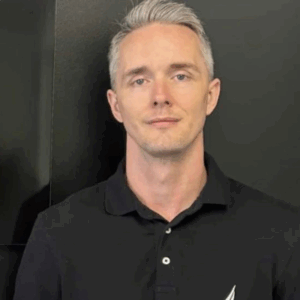
Dr. Vahid Osman, M.D. — Board-Certified Psychiatrist and Addictionologist.
Clinical Reviewer
Josh Sprung, L.C.S.W. — Board-Certified Clinical Social Worker.
Talk With Lexington Addiction Center
If kratom, 7-OH, MGM-15, extracts, or another concentrated product has become difficult to stop, Lexington Addiction Center can help you discuss treatment options, verify insurance, and determine an appropriate next step.
Dr. Vahid Osman is a Board-Certified Psychiatrist and Addictionologist with extensive experience treating mental illness, chemical dependency, and developmental disorders. Dr. Osman trained in Psychiatry in France and in Austin, Texas. Read more.
Clinically Reviewed By
Josh Sprung, L.C.S.W.
Board-Certified Clinical Social Worker
Joshua Sprung serves as a Clinical Reviewer at Lexington Addiction Center, bringing a wealth of expertise to ensure exceptional patient care. Read more.
The Joint Commission Awarded The Gold Seal of Approval® for meeting rigorous performance standards in safety, quality, and patient care.
LegitScript Certified Validates compliance with laws and regulations, confirming transparency and accountability in addiction treatment marketing.
BBB Accredited Demonstrates ethical business practices, client satisfaction commitment, and a trusted reputation in the community.
Psychology Today Verified Verified listing on Psychology Today, a trusted directory for addiction treatment providers and behavioral health centers.
HIPAA Compliant Ensures all patient health information is protected and managed under strict federal privacy and security standards.
NAATP Member Lexington Addiction Center is a proud member of the National Association of Addiction Treatment Providers (NAATP).
5-Star Google Reviews Recognized for consistent 5-star ratings, reflecting excellent care and trusted patient experiences at Lexington Addiction Center.
Help.org Recognition Recognized by Help.org for quality addiction treatment services and community impact.
At Lexington Addiction Center, we believe that recovery is a journey, not a destination. That’s why we offer a comprehensive continuum of care, delivered by a team of experienced and compassionate professionals. Our team is made up of licensed therapists, counselors, nurses, and other professionals who are passionate about helping people achieve lasting sobriety. Whether you are just starting your recovery journey or you are a seasoned veteran, we are here to support you every step of the way. We believe in you, and we are committed to helping you achieve your recovery goals.
Explore Lexington Addiction Center’s drug & alcohol detox rehab treatment center in Lexington, KY and step into private therapy offices, spacious group rooms, and tranquil lounges where thoughtful design supports every stage of substance-use recovery.
Yes, Your Insurance Covers Detox and Rehab Treatment
Complete a free, confidential Verification of Benefits to learn more about what resources may be available to you.
Contact Us Today
Addiction and co-occurring disorders don’t have to control your life. Lexington Addiction Center is waiting with open arms to give you the tools necessary for lasting change. Reach out to us today to learn more.