


Treatment navigation and outreach
Recommended initiatives involving Mountain Comprehensive Care Center, Lexington Rescue Mission, and Goodwill seek to help residents navigate care and connect with support services.

Lexington announced $3,029,681 in proposed opioid settlement grants for 24 community projects. Here is what the funding may support—and how to explore addiction treatment options available today.
On October 23, 2026, Lexington-Fayette Urban County Government announced recommended awards through its first Opioid Abatement Community-Based Initiatives Grant Program. Projects address prevention, access to treatment, recovery support, behavioral health, housing, and transportation barriers.
The grants were proposals, not funds already distributed. They advanced during the October 27 council work session, but final action was pending as of November 2. People seeking care do not have to wait for the grant process to explore existing treatment services.
The city recommended $3,029,681 for 24 community proposals, using Lexington’s share of national opioid settlement proceeds. The grant program focuses on community organizations addressing consequences of substance use disorders.
The announcement does not create a universal benefit paying for every resident’s rehab. Learn more in the City of Lexington’s October 23 announcement.
Proposed projects address obstacles that may make recovery harder even when clinical treatment is available. Services and eligibility will depend on final approval and individual program implementation.
Recommended initiatives involving Mountain Comprehensive Care Center, Lexington Rescue Mission, and Goodwill seek to help residents navigate care and connect with support services.
A proposed Shepherd’s House project focuses on short-term recovery housing for justice-involved men. Stable housing may support engagement in treatment and continuing care.
Voices of Hope was recommended for a Recovery Mobility Initiative. Transportation and peer connections can make it easier to attend appointments and maintain recovery routines.
Other proposals address family support, pregnancy and parenting, youth mental health, grief, prevention, and related needs beyond acute addiction treatment.
No, not automatically. The proposal funds qualifying community organizations and defined projects; it is not a blanket payment program for everyone seeking residential or outpatient rehab. Some services may be free to eligible participants, but that must be confirmed with the individual organization.
Treatment expenses depend on the provider, level of care, insurance coverage, deductibles, network status, and required authorization. Lexington Addiction Center’s insurance verification can help prospective patients understand potential benefits and costs.
Funding distinction: Lexington Addiction Center is not presented as a recipient of these proposed grants. Its programs should not be described as funded by this announcement.
People who need help with opioids, alcohol, stimulants, prescription medications, or other substances can begin by requesting an assessment. You do not need to know your level of care before calling.
Tell admissions about recent substance use, withdrawal symptoms, prior treatment, current medications, medical conditions, mental health concerns, and any urgent safety issues. An admissions conversation does not guarantee placement.
A qualified clinician can determine whether medical stabilization, withdrawal management, medication for substance use disorder, or another level of care is appropriate. Alcohol or benzodiazepine withdrawal can be dangerous.
Ask about in-network benefits, deductibles, copays, prior authorization, and the expected cost of the recommended service. Verify insurance before beginning care.
After clinical review, admissions can explain program suitability, scheduling, or referrals if a different setting is needed. Do not assume same-day admission or that outpatient treatment is appropriate for every patient.
People experiencing an overdose, seizures, severe confusion, or other life-threatening symptoms need emergency medical care. Call 911. An outpatient admissions call cannot replace an emergency evaluation.
Withdrawal from alcohol and benzodiazepines can be medically serious. Opioid dependence may benefit from medications such as buprenorphine or methadone when clinically indicated. Treatment should be selected through an individualized assessment, not from a headline or a phone call alone.
Located at 351 Burley Avenue in Lexington, Lexington Addiction Center provides structured outpatient addiction treatment and support for co-occurring mental health concerns. Program suitability depends on clinical assessment.
PHP provides more intensive daytime treatment without requiring a person to live at the center. It may suit medically stable individuals who need structured therapy and close support.
IOP provides scheduled treatment with greater flexibility than PHP, focusing on coping skills, cravings, triggers, and relapse-prevention planning.
Outpatient care may be appropriate for people who need ongoing counseling and recovery support but do not require a more intensive daily schedule.
Care planning can address substance use alongside anxiety, depression, trauma-related symptoms, or other mental health concerns when clinically appropriate.
Many private insurance plans provide substance use disorder and mental health treatment benefits. Coverage varies by plan and may depend on medical necessity, network participation, authorization requirements, and whether PHP or IOP is recommended.
Ask admissions to review your specific benefits and potential out-of-pocket costs rather than assuming all forms of rehab are covered identically. Request confidential insurance verification.
Cost should be discussed early, not after someone has already committed to care. Ask about coverage, available payment arrangements, clinically appropriate treatment options, and referrals to community programs when necessary.
The city’s proposed funding may eventually support community resources, but it does not guarantee a direct grant to individuals. The federal SAMHSA treatment locator can help families identify additional care options based on their needs.
You do not need to experience an overdose or legal crisis before seeking help. Signs that an assessment may be useful include:
Not everyone with these concerns needs detox or residential care. A clinical assessment helps determine what is appropriate.
The proposed grant program recognizes that long-term recovery can depend on treatment access alongside transportation, housing stability, family support, and behavioral health services.
For families, the most useful next step may be to seek an assessment while community projects move through approval and implementation. The funding is a potentially important investment, but it is not a reason to postpone care already available in Lexington.
The city announced $3,029,681 in recommended opioid abatement grants supporting 24 community proposals on October 23, 2026.
The resolution advanced during the October 27 council work session. As of November 2, 2026, final legislative action was still pending; the money should not be described as already distributed.
Eligibility depends on the organizations and the specific services they ultimately offer. The proposal targets a range of treatment-navigation, prevention, housing, recovery, and family-support initiatives.
No. It funds specific community proposals, not universal free rehab. Insurance benefits and costs must be reviewed for each individual treatment arrangement.
Yes. Existing addiction treatment providers can discuss current programs, eligibility, clinical assessments, and insurance verification now.
Many private plans include substance use disorder benefits, but coverage depends on medical necessity, network rules, prior authorization, and specific policy terms.
PHP generally offers a more intensive daytime schedule. IOP provides structured treatment with fewer weekly treatment hours. A clinical assessment determines which is appropriate.
Call 859-681-7823 to discuss a confidential admissions conversation, assessment needs, current program options, and insurance verification.
Funding status is time-sensitive and should be updated after subsequent council action. Clinical services, acceptance, and eligibility require individual verification.
Lexington’s proposed $3 million investment may strengthen community support, but you do not need to wait for a grant program to ask about addiction treatment. Lexington Addiction Center offers confidential admissions discussions and outpatient treatment options for people whose clinical needs are appropriate for these levels of care.
351 Burley Avenue, Lexington, KY 40503 | 859-681-7823
Call to discuss an assessment, review insurance benefits, or learn about PHP, IOP, and outpatient treatment. Emergency symptoms require 911 rather than an admissions call.

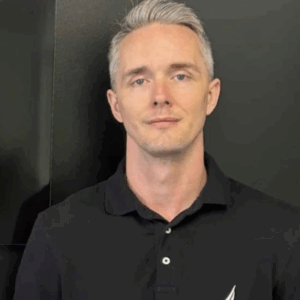



At Lexington Addiction Center, we believe that recovery is a journey, not a destination. That’s why we offer a comprehensive continuum of care, delivered by a team of experienced and compassionate professionals. Our team is made up of licensed therapists, counselors, nurses, and other professionals who are passionate about helping people achieve lasting sobriety. Whether you are just starting your recovery journey or you are a seasoned veteran, we are here to support you every step of the way. We believe in you, and we are committed to helping you achieve your recovery goals.
Explore Lexington Addiction Center’s drug & alcohol detox rehab treatment center in Lexington, KY and step into private therapy offices, spacious group rooms, and tranquil lounges where thoughtful design supports every stage of substance-use recovery.

Addiction and co-occurring disorders don’t have to control your life. Lexington Addiction Center is waiting with open arms to give you the tools necessary for lasting change. Reach out to us today to learn more.