Integrated outpatient treatment for addiction and co-occurring mental health conditions.
Lexington Addiction Center helps adults address substance use alongside anxiety, depression, trauma, PTSD, and other mental health concerns through coordinated, individualized care.
Explore PHP, IOP, and outpatient treatment options in Lexington, Kentucky. Our team can explain the assessment process and help you understand the next appropriate step.
Dual diagnosis, also called co-occurring disorders, describes a substance use disorder occurring alongside a mental health condition. At Lexington Addiction Center, treatment planning considers the relationship between both conditions rather than addressing substance use in isolation.
Care may involve individual and group therapy, trauma-informed approaches, relapse-prevention work, mental health support, and coordination with appropriate medical or psychiatric professionals. Specific services and treatment intensity depend on assessment, clinical needs, and availability.
Our Lexington outpatient setting allows eligible clients to participate in structured treatment while living at home. People who need medical withdrawal management or a higher level of supervision should first be evaluated for the appropriate setting.
Outpatient Dual Diagnosis Treatment Options
Partial Hospitalization Program (PHP)
A structured daytime treatment option for people who need more frequent clinical support while not requiring overnight residential care. Treatment planning may address both substance use and mental health needs.
Intensive Outpatient Program (IOP)
A structured treatment schedule that can support people managing co-occurring symptoms while maintaining some work, school, or family responsibilities.
Outpatient Treatment
Ongoing therapeutic support for individuals who can safely participate at a lower intensity, including continued work on triggers, coping skills, and relapse prevention.
Continuing Care Planning
Discharge and continuing-care planning can help clients maintain connections to recovery supports, outpatient therapy, and other appropriate resources.
Mental Health Conditions Addressed Alongside Addiction
Anxiety and Panic Symptoms
Treatment may focus on understanding anxiety triggers, building coping skills, and reducing reliance on alcohol or drugs to manage distress.
Depression and Mood Concerns
Care can address substance use patterns alongside persistent low mood, emotional instability, and related challenges.
PTSD and Trauma-Related Symptoms
Trauma-informed treatment recognizes the effects of difficult experiences and supports recovery without requiring clients to recount trauma before they are ready.
Bipolar and Other Co-Occurring Conditions
A careful assessment helps determine the level of mental health and substance use support needed, including referral or coordination when specialized care is appropriate.
How Integrated Treatment Works
Assessment and planning: The first step is understanding substance use history, mental health symptoms, withdrawal risk, safety needs, and the most appropriate level of care.
Coordinated therapeutic care: Individual and group sessions can help clients identify connections between symptoms, substance use, relationships, and daily functioning. Treatment may incorporate evidence-based behavioral approaches and trauma-informed support.
Medication and psychiatric coordination: Medication may be appropriate for some conditions, but availability and prescribing arrangements must be confirmed during assessment. Medication-assisted treatment for alcohol or opioid use disorders may be considered when clinically appropriate and available through the care plan.
Relapse prevention and continuity: Clients work on coping strategies, recognizing warning signs, and connecting with appropriate continuing-care supports. Progress is reviewed as needs change.
Who May Benefit From Dual Diagnosis Treatment?
Integrated care may be appropriate when alcohol or drug use occurs alongside anxiety, depression, PTSD, mood changes, or other mental health symptoms. Common concerns include using substances to cope with distress, repeated returns to substance use, difficulty managing emotions during recovery, or persistent mental health symptoms after stopping alcohol or drugs.
Not everyone is suited to outpatient care. Severe withdrawal, immediate safety concerns, or a need for round-the-clock monitoring may require a higher level of care. An assessment can help identify the safest next step.
Dual Diagnosis Treatment for Lexington and Central Kentucky
Lexington Addiction Center serves people seeking outpatient addiction and co-occurring mental health treatment in Lexington and surrounding Central Kentucky communities. Our admissions team can discuss whether PHP, IOP, or outpatient services fit your circumstances, including treatment schedules and the practical steps involved in getting started.
For people traveling from communities outside Lexington, the appropriate program depends on clinical needs and the ability to attend scheduled sessions. We do not assume that every client or insurance plan qualifies for every level of care.
Admissions, Assessment, and Insurance Verification
Getting started typically involves a confidential conversation about current substance use, mental health concerns, treatment history, and immediate safety needs. The team can explain the assessment process and discuss available treatment options.
Insurance coverage varies by plan, network status, medical necessity, authorization requirements, and benefits. Coverage and out-of-pocket costs should be verified before admission. Learn about admissions and insurance verification.
Why Choose Lexington Addiction Center for Co-Occurring Care?
Treatment Focused on Both Conditions
The treatment plan considers addiction and mental health together, including the ways symptoms can reinforce one another.
Structured Outpatient Options
PHP, IOP, and outpatient levels of care offer different degrees of treatment structure based on individual needs.
Trauma-Informed Approach
Clinical care can incorporate trauma awareness, emotional safety, and practical coping strategies.
Frequently Asked Questions About Dual Diagnosis Treatment
What is dual diagnosis treatment?
Dual diagnosis treatment addresses a substance use disorder and a co-occurring mental health condition within a coordinated care plan.
Does Lexington Addiction Center offer outpatient dual diagnosis care?
The center describes outpatient addiction treatment and co-occurring mental health services. An assessment helps determine which available level of care is appropriate.
Can dual diagnosis treatment help with anxiety or depression and addiction?
Yes. Integrated care may address substance use alongside anxiety, depression, trauma-related symptoms, and other mental health concerns, based on an individual assessment.
Is PHP or IOP appropriate for dual diagnosis?
Both can be options for some people. The right level depends on symptom severity, safety, treatment needs, and the ability to participate in outpatient care.
Will I need detox before outpatient treatment?
Some people require medically supervised withdrawal management before outpatient treatment. The need for detox should be evaluated clinically, especially with alcohol or benzodiazepine withdrawal risk.
Does insurance cover dual diagnosis treatment in Kentucky?
Some plans cover eligible mental health and substance use treatment, but benefits, authorization, network status, and out-of-pocket costs vary. The admissions team can help review coverage.
How do I begin dual diagnosis treatment in Lexington?
Contact the admissions team to discuss your needs, learn about the assessment process, and review available treatment options and insurance benefits.
Explore Dual Diagnosis Treatment in Lexington
If addiction and mental health symptoms are affecting your daily life, our team can help you explore an appropriate next step. Contact Lexington Addiction Center to ask about outpatient care, assessment, and insurance verification.
Dr. Vahid Osman is a Board-Certified Psychiatrist and Addictionologist with extensive experience treating mental illness, chemical dependency, and developmental disorders. Dr. Osman trained in Psychiatry in France and in Austin, Texas. Read more.
Clinically Reviewed By
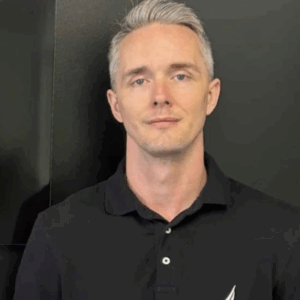
Josh Sprung, L.C.S.W.
Board-Certified Clinical Social Worker
Joshua Sprung serves as a Clinical Reviewer at Lexington Addiction Center, bringing a wealth of expertise to ensure exceptional patient care. Read more.
The Joint Commission Awarded The Gold Seal of Approval® for meeting rigorous performance standards in safety, quality, and patient care.
LegitScript Certified Validates compliance with laws and regulations, confirming transparency and accountability in addiction treatment marketing.
BBB Accredited Demonstrates ethical business practices, client satisfaction commitment, and a trusted reputation in the community.
Psychology Today Verified Verified listing on Psychology Today, a trusted directory for addiction treatment providers and behavioral health centers.
HIPAA Compliant Ensures all patient health information is protected and managed under strict federal privacy and security standards.
NAATP Member Lexington Addiction Center is a proud member of the National Association of Addiction Treatment Providers (NAATP).
5-Star Google Reviews Recognized for consistent 5-star ratings, reflecting excellent care and trusted patient experiences at Lexington Addiction Center.
Help.org Recognition Recognized by Help.org for quality addiction treatment services and community impact.
Yes, Your Insurance Covers Detox and Rehab Treatment
Complete a free, confidential Verification of Benefits to learn more about what resources may be available to you.
Contact Us Today
Addiction and co-occurring disorders don’t have to control your life. Lexington Addiction Center is waiting with open arms to give you the tools necessary for lasting change. Reach out to us today to learn more.