



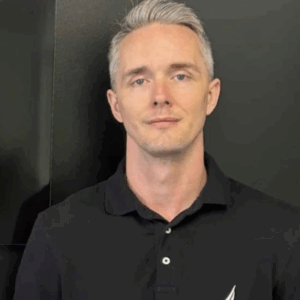
Dr. Vahid Osman is a Board-Certified Psychiatrist and Addictionologist with extensive experience treating mental illness, chemical dependency, and developmental disorders. Dr. Osman trained in Psychiatry in France and in Austin, Texas. Read more.

Structured daytime addiction treatment and mental health support in Lexington, Kentucky.
Lexington Addiction Center’s partial hospitalization program provides intensive therapeutic support while allowing clients to return to an appropriate living environment after programming. Treatment plans may include individual and group counseling, relapse-prevention skills, and coordinated care for co-occurring mental health needs.
At Lexington Addiction Center, PHP is designed for adults who need more structure than intensive outpatient care but do not require 24-hour residential supervision. Admissions can review eligibility, program hours, and whether this level of care matches your needs.
PHP may be appropriate for people who need a high level of clinical support without overnight residential treatment, when an assessment determines that outpatient care is safe.
Clients may return home or to an appropriate living arrangement after programming. Some people enter PHP after residential treatment or medical detox, while others begin at this level following assessment. Available services and medication arrangements should be confirmed during admissions.
PHP provides intensive daytime programming on a structured schedule. The exact days, hours, therapies, and level of support should be confirmed with admissions based on current programming and individual treatment needs.
Have completed medical detox or residential rehab and still want daily support.
Experience strong cravings or prolonged withdrawal that make relapse likely.
PHP requires a substantial daytime commitment. Admissions can explain scheduling, attendance expectations, and whether a less intensive outpatient option better fits daily responsibilities.
Both options provide the same core clinical programming while differing mainly in where you stay after treatment hours and how much evening structure you need.
Clients may return to their own home or another stable living arrangement after daytime treatment. Suitability depends on clinical needs and home support.
Ask admissions whether an appropriate boarding arrangement is currently offered for eligible clients. Confirm the setting, costs, transportation, meals, supervision, and what support is available outside treatment hours.
Contact admissions to discuss your needs, arrange an assessment, and request insurance benefits verification. Coverage, authorization requirements, and out-of-pocket costs depend on your individual plan.
The team can help determine whether PHP, IOP, or another level of care is clinically appropriate and explain scheduling and next steps.
PHP can help people recovering from alcohol use disorder strengthen coping skills and plan for relapse prevention after medical stabilization. Those at risk for dangerous alcohol withdrawal may need medical detox first.
For people medically stable enough for outpatient treatment, PHP can address opioid, stimulant, prescription drug, and other substance use concerns through individualized counseling, recovery skills, and coordinated mental health care.
Depending on the care plan, treatment may include group and individual counseling, relapse-prevention skills, family involvement, and coordination for mental health or medication needs.
Medication may be considered when clinically appropriate for opioid or alcohol use disorders.
Skills-based approaches can help clients improve emotional regulation, distress tolerance, and relationships.
Family involvement may help strengthen communication and recovery support when appropriate.
Trauma-informed counseling addresses the relationship between distressing experiences, mental health, and substance use.
Mindfulness, wellness, and stress-management practices may complement clinical treatment.
Services are selected according to clinical assessment, individual needs, and current program availability.
Substance use and mental health symptoms often affect one another. PHP treatment planning can address anxiety, depression, PTSD, and other co-occurring concerns alongside addiction through counseling, appropriate psychiatric coordination, and practical coping strategies.
Learn more about dual diagnosis treatment.
The main goals of PHP are to provide a high level of structure, stabilize symptoms, strengthen relapse-prevention skills, support medication management, and help clients build enough stability to step down safely into IOP or standard outpatient care.
PHP can bring together structured counseling, relapse-prevention work, mental health support, and appropriate care coordination. Specific therapies, medication services, and family participation depend on assessment and availability.
The program focuses on structured daytime addiction treatment, co-occurring mental health support, and planning for continued care. Admissions can confirm whether any boarding arrangements or specific clinical services are currently available.
Yes. PHP can support recovery from alcohol, opioids, prescription drugs, stimulants, benzodiazepines, and other substances when the client is medically stable enough for this level of care. Treatment is adjusted according to substance use history, withdrawal risk, mental health needs, and recovery goals.
PHP offers more structure than IOP or standard outpatient care while allowing clients to remain connected to everyday life. It can provide several hours of treatment on most weekdays without requiring a full residential stay.
Integrated treatment considers substance use and mental health symptoms together. Counseling, trauma-informed support, and psychiatric or medication coordination may be included when appropriate and available.
A PHP day may include group therapy, individual sessions, relapse-prevention work, skills training, and recovery planning. Admissions can explain the current schedule and services.
Some clients need medical detox before PHP, while others do not. The decision depends on the substance involved, withdrawal risk, recent use, medical history, and current symptoms. An assessment helps determine whether detox or another higher level of care is needed first.
Talk with our admissions team about PHP in Lexington, treatment scheduling, and insurance verification. We can help you understand the next appropriate step.








Substance Abuse and Mental Health Services Administration. (n.d.). Co-occurring disorders and other health conditions. Retrieved October 9, 2025, from https://www.samhsa.gov/substance-use/treatment/co-occurring-disorders
American Society of Addiction Medicine. (2025). The ASAM Criteria, Fourth Edition: Level of Care Assessment Guide (Adults). https://www.asam.org/asam-criteria ASAM
American Society of Addiction Medicine. (n.d.). About the ASAM Criteria (levels of care overview). Retrieved October 9, 2025, from https://www.asam.org/asam-criteria/about-the-asam-criteria Default
Substance Abuse and Mental Health Services Administration. (2020, March). TIP 42: Substance use treatment for persons with co-occurring disorders (PEP20-02-01-004). https://library.samhsa.gov/product/tip-42-substance-use-treatment-persons-co-occurring-disorders/pep20-02-01-004 SAMHSA Library
Substance Abuse and Mental Health Services Administration. (2024, October 11). TIP 63: Medications for opioid use disorder — Full document. https://www.samhsa.gov/resource/ebp/tip-63-medications-opioid-use-disorder

Addiction and co-occurring disorders don’t have to control your life. Lexington Addiction Center is waiting with open arms to give you the tools necessary for lasting change. Reach out to us today to learn more.