Lexington Addiction Center provides outpatient addiction treatment in Lexington, Kentucky, for people who can safely live at home while receiving ongoing clinical support. Outpatient rehab helps you address substance use, strengthen relapse-prevention skills, and continue recovery while managing work, school, or family responsibilities.
Outpatient treatment allows clients to attend scheduled therapy and recovery services without staying overnight at a treatment facility. Treatment frequency and duration are individualized. Sessions may address substance use patterns, cravings, emotional health, relationships, and the challenges of maintaining recovery at home.
For some people, outpatient rehab is an appropriate starting point. For others, it is a step down after more intensive treatment. Outpatient care is not a substitute for medical detox or round-the-clock supervision when those services are clinically necessary.
At an outpatient appointment, a clinician may review recent substance use, cravings, mood, medication concerns, and what has happened since the previous visit. Individual sessions can focus on personal goals and barriers; group sessions, when part of the care plan, offer guided skill practice and peer feedback. The exact mix is determined through assessment rather than a standard schedule for every client.
Who Is a Good Candidate for Outpatient Rehab in Lexington?
People Who Are Medically Stable
Outpatient care may fit someone who does not require medically supervised withdrawal management or continuous monitoring.
Clients Stepping Down From IOP or PHP
Continuing treatment can reinforce recovery skills as a person transitions from IOP or PHP to greater independence.
People With a Supportive Living Environment
A stable home and the ability to attend appointments consistently can help support outpatient progress.
People Managing Ongoing Responsibilities
Appointments may be coordinated around work, education, and family obligations, subject to current scheduling and clinical needs.
If withdrawal symptoms, repeated relapse, or safety concerns make outpatient care insufficient, an assessment may indicate a more intensive level of care.
What Happens During Outpatient Drug and Alcohol Rehab?
Outpatient treatment focuses on practical skills and ongoing clinical support rather than a fixed, one-size-fits-all schedule. Depending on assessment and availability, a care plan may include:
Individual and Group Counseling
Explore triggers, strengthen coping strategies, practice communication, and build accountability.
Relapse-Prevention Planning
Identify warning signs, develop a response plan, and strengthen connections to recovery support.
Dual Diagnosis Support
Address co-occurring substance use and mental health concerns through coordinated care. Learn about dual diagnosis treatment.
Family and Continuing-Care Support
Involve loved ones when appropriate and plan for support beyond the current level of care.
When clinically appropriate, medication management or medication-assisted treatment may be considered as part of a coordinated treatment plan. Ask admissions which services are currently available within outpatient programming.
Treatment is reviewed as recovery progresses. Clinicians can consider attendance, symptom changes, safety, relapse risk, daily functioning, and the support available at home when deciding whether to maintain appointment frequency, adjust therapies, increase structure through IOP or PHP, or transition toward less frequent follow-up. Any change in level of care is based on clinical assessment.
Visit Our Outpatient Treatment Center in Lexington
Lexington Addiction Center provides outpatient addiction and mental health services at 351 Burley Avenue in Lexington, Kentucky. The facility tour offers a look at the treatment environment. Photos of shared spaces help you become familiar with the setting, but do not represent a particular therapy session or promise specific amenities during every visit.
Actual Lexington Addiction Center facility photograph, from the center’s published facility tour.
Lower-intensity scheduled treatment for clients who can maintain stability between appointments.
Intensive Outpatient (IOP)
More frequent, structured sessions for people who need greater support while continuing to live outside treatment. Explore IOP.
Partial Hospitalization (PHP)
Higher-intensity daytime programming for clients who need substantial clinical structure without residential treatment. Explore PHP.
Choosing the Right Level
The appropriate program depends on withdrawal risk, symptom severity, relapse history, home stability, and clinical assessment.
Outpatient Treatment for Alcohol, Drugs, and Co-Occurring Conditions
Outpatient addiction treatment may address alcohol, opioid, stimulant, prescription drug, and other substance use concerns when a person is clinically appropriate for this level of care. Treatment focuses on behavioral change, relapse prevention, and rebuilding daily routines.
How to Start Outpatient Rehab and Verify Insurance
During the initial assessment, the team reviews substance use history, withdrawal and medical risks, mental health symptoms, previous treatment, home stability, and recovery goals. These findings inform the recommended level of care and the initial combination of individual sessions, groups, and other services. The team can revisit that recommendation as needs change.
1. Contact Admissions
Share your concerns and ask about outpatient treatment options and appointment availability.
2. Complete an Assessment
Discuss substance use, medical needs, mental health, living environment, and treatment history.
3. Review Insurance Benefits
Request verification of eligibility, network status, authorization needs, and estimated out-of-pocket expenses.
4. Confirm a Treatment Plan
Review the recommended level of care, available schedule, and next steps before beginning.
Insurance verification does not guarantee payment. Coverage and costs depend on the individual policy and insurer determination.
Frequently Asked Questions About Outpatient Rehab in Lexington, KY
How flexible is the outpatient rehab schedule?
Outpatient treatment is designed to fit around everyday responsibilities. Depending on clinical needs and the services recommended in your treatment plan, appointments may be scheduled so you can continue managing work, school, parenting, and other obligations while staying engaged in recovery.
How long does a typical outpatient rehab program last?
There is no single timeline that is right for everyone. Length of care depends on substance use history, progress in treatment, mental health needs, relapse risk, home environment, and the amount of structure needed.
Can I attend outpatient rehab sessions virtually?
Some outpatient services may be available through telehealth when clinically appropriate. The admissions team can explain which services are currently available virtually.
Does outpatient rehab really work?
Outpatient rehab can be effective for people whose clinical needs can be safely managed without 24-hour residential supervision. Consistent participation and an appropriate level of care are important.
What is the difference between outpatient rehab, IOP, and PHP?
Standard outpatient treatment generally provides fewer weekly treatment hours and greater scheduling flexibility. IOP provides more frequent therapy and structure, while PHP is a higher-intensity outpatient level of care.
Who is a good candidate for outpatient rehab in Lexington, KY?
Outpatient rehab may be appropriate for someone who is medically stable, can safely return home after treatment, and can consistently attend scheduled services.
Can outpatient rehab address anxiety, depression, PTSD, and other mental health conditions?
Yes. Treatment planning can address co-occurring mental health concerns such as anxiety, depression, and PTSD alongside substance use when clinically appropriate. The specific services depend on an individual assessment.
Does insurance cover outpatient rehab in Lexington, KY?
Many private and employer-sponsored health plans include benefits for outpatient substance use treatment, but coverage varies by policy. Lexington Addiction Center can verify benefits before treatment begins.
What happens if outpatient rehab is not intensive enough for me?
If outpatient treatment does not provide enough structure or support, the treatment team can evaluate whether IOP, PHP, detox, residential treatment, or another level of care may be more appropriate.
How do I start outpatient rehab at Lexington Addiction Center?
Contact the admissions team for a confidential assessment and insurance verification. They can review your needs and help determine which level of care is appropriate.
Talk With Lexington Addiction Center About Outpatient Care
Not sure whether standard outpatient treatment, IOP, or PHP is the right fit? Our admissions team can explain available programs, discuss assessment and scheduling, and help you request insurance verification.
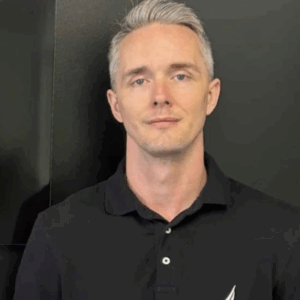
Dr. Vahid Osman is a Board-Certified Psychiatrist and Addictionologist with extensive experience treating mental illness, chemical dependency, and developmental disorders. Dr. Osman trained in Psychiatry in France and in Austin, Texas. Read more.
Clinically Reviewed By
Josh Sprung, L.C.S.W.
Board-Certified Clinical Social Worker
Joshua Sprung serves as a Clinical Reviewer at Lexington Addiction Center, bringing a wealth of expertise to ensure exceptional patient care. Read more.
The Joint Commission Awarded The Gold Seal of Approval® for meeting rigorous performance standards in safety, quality, and patient care.
LegitScript Certified Validates compliance with laws and regulations, confirming transparency and accountability in addiction treatment marketing.
BBB Accredited Demonstrates ethical business practices, client satisfaction commitment, and a trusted reputation in the community.
Psychology Today Verified Verified listing on Psychology Today, a trusted directory for addiction treatment providers and behavioral health centers.
HIPAA Compliant Ensures all patient health information is protected and managed under strict federal privacy and security standards.
NAATP Member Lexington Addiction Center is a proud member of the National Association of Addiction Treatment Providers (NAATP).
5-Star Google Reviews Recognized for consistent 5-star ratings, reflecting excellent care and trusted patient experiences at Lexington Addiction Center.
Help.org Recognition Recognized by Help.org for quality addiction treatment services and community impact.
Ho, C., & Adcock, L. (2017, November 7). Inpatient and outpatient treatment programs for substance use disorder: A review of clinical effectiveness and guidelines (CADTH Rapid Response Report). Canadian Agency for Drugs and Technologies in Health. https://www.ncbi.nlm.nih.gov/books/NBK507689/NCBI
McCarty, D., Braude, L., Lyman, D. R., Dougherty, R. H., Daniels, A. S., Ghose, S. S., & Delphin-Rittmon, M. E. (2014). Substance abuse intensive outpatient programs: Assessing the evidence. Psychiatric Services, 65(6), 718–726. https://europepmc.org/articles/PMC4152944/Europe PMC
Canadian Agency for Drugs and Technologies in Health. (2019, July). Clinical review report: Buprenorphine extended-release injection (Sublocade). NCBI Bookshelf. https://www.ncbi.nlm.nih.gov/books/NBK546461/NCBI
Area 62 of Alcoholics Anonymous. (n.d.). Ways & Means Newcomer Group; Higher Power Group; Lunch Bunch; Fresh Air Group. https://www.area62.org/(group pages linked individually on the OP page).Lexington Addiction Center
Yoga Health Center. (n.d.). Yoga in the park / Building a sober life in Lexington. https://www.yogahealthcenter.org/(multiple links consolidated).
Yes, Your Insurance Covers Detox and Rehab Treatment
Complete a free, confidential Verification of Benefits to learn more about what resources may be available to you.
Contact Us Today
Addiction and co-occurring disorders don’t have to control your life. Lexington Addiction Center is waiting with open arms to give you the tools necessary for lasting change. Reach out to us today to learn more.