

women questioning herself with head in hands

What Causes False Memories in OCD?

It is common for someone who is struggling to experience OCD and false memories together. Obsessive-compulsive disorder (OCD) is a condition characterized by persistent and unwanted thoughts (or obsessions) and repetitive behaviors or mental actions (compulsions).

The individual feels they must perform these actions to alleviate stress or anxiety. Often, those with OCD tend to have intrusive doubts, causing them to question whether their memories are real or not.

What Causes False Memories in OCD?

OCD is characterized by intrusive, unwanted thoughts. It is also characterized by high anxiety. Due to these unwanted thoughts, someone may question whether their memories occurred as they remembered them.

They may also begin to experience a need for certainty or validation in these memories, causing them to overthink and overanalyze the memories. This over analyzation can cause their recollections to become distorted and reinforce, or create false memories. 

Examples of False Memories and OCD

False memory OCD often revolves around common fears that may be associated with the condition. This can include someone thinking they accidentally hit someone with their car, despite having no recollection of the event. Even after checking for signs of an accident, they may have persistent, unrelenting thoughts and doubts which can create a false memory.

Contamination fears, or 12 nofollow noopener noreferrer3>mysophobia, are also common culprits. Someone may believe a surface is contaminated although they have already thoroughly cleaned and disinfected the area. OCD and false memories occur because the persistent doubt creeps in and the individual questions whether they have done everything they can to decontaminate the area. 

Do False Memories Improve with Treatment?

Mental health treatment has improved in leaps and bounds. Professional treatment allows individuals to learn and implement healthy coping skills that can help them live with the condition. These skills help to minimize the impacts that OCD and false memories can have on them, improving their quality of life.

Different therapeutic approaches can aid in helping the person struggling to learn how to get through the feelings and emotions, as well as the characteristic symptoms, without overly distressing them. Medications can help alleviate symptoms and provide relief in combination with therapy. Certain medications such as selective serotonin reuptake inhibitors (SSRIs) help to balance serotonin in the brain, leading to relief from symptoms of the condition. 

How to Recognize OCD False Memory

Recognizing signs of OCD and false memories helps to minimize the impact of the condition on the individual. These false memories occur as a result of intrusive and persistent thoughts and doubts surrounding a memory. This is a key sign to look out for as they are generally catalysts.

Recognizing the potential signs can help in getting proper care to prevent worsening, creating a space where the individual can begin healing to thrive. 

Common Signs

Identifying signs of potential ocd and false memories can help with early intervention. Common signs include excessive doubt, compulsive behaviors such as checking and cleaning, unrealistic scenarios, emotional distress, and inconsistent details. If these signs are prominent, seeking professional care and support can help alleviate some of them.

False memory OCD can be managed with a combination of therapy and medication. Leaving the condition untreated can only exacerbate the symptoms, making it worse for the individual. Proper care and support are crucial to prevent worsening and complications from the condition. 

Treatment and Therapy

Mental health treatment and therapy can help someone learn new and positive skills to help them cope with daily stressors and triggers that could lead to exacerbated symptoms. Therapies such as cognitive behavioral therapy, specifically the subtype of Exposure and Response Prevention, help the individual struggling with this condition to avoid compulsive reactions.

This is done by gradually exposing someone to anxiety-provoking thoughts or situations and preventing the compulsive responses. Over time, ERP helps to reduce the intensity and frequency of the obsessive or intrusive thoughts, and the related compulsions.

Holistic Treatments

Treatment also allows the individual to begin practicing mindfulness practices. Holistic therapies such as meditation can help them to stay present, focusing on things other than obsessions and compulsions. OCD and false memories may call for extended therapy, outside of the traditional treatment setting. It is crucial to see the process through and continue therapy to the end to ensure all necessary tools and skills are accessed.

Recovery is a lifelong process and it is not linear. Some people may find relief sooner than others, and it is not a reflection on the individual. Everyone heals differently, at varying paces. It is important to keep this in mind throughout the process. 

Connect With Compassionate Treatment Professionals

Mental health struggles can lead to lasting impacts on an individual and their life. OCD is no exception, and false memories can make overcoming the struggles of the condition more difficult. Having compassionate and knowledgeable professionals who can help guide the individual through the process can help.

If you or a loved one are struggling with OCD, we can help. At Lexington Addiction Center we provide an environment that promotes the healing process, with mental health professionals who can help guide you through it.

Call us today to begin your journey.


FAQ: OCD and False Memories — Causes, Signs, and Treatment

  • What is the relationship between OCD and false memories?

    Obsessive–Compulsive Disorder (OCD) can be linked to false memories because OCD involves intrusive thoughts, doubt, and repetitive mental checking, which can distort how someone recalls events. False memories are recollections that feel real but either didn’t happen or happened differently than remembered. In OCD, people may obsess over details of past events — especially ones tied to harm, mistakes, or responsibility — leading them to repeatedly review or doubt their memory. This mental replay can feel like “confirming the truth,” but paradoxically it can create confusion, uncertainty, and even inaccurate recollections.

    For example, someone who repeatedly checks whether they locked a door may begin to doubt what they actually remember. Over time, the anxiety tied to these thoughts can make original memories feel unreliable, and the brain starts replacing them with versions influenced by doubt or fear. This isn’t intentional lying or fantasy; it’s part of how OCD distorts cognitive processing. False memories in OCD often originate from obsessive worry about something important — such as safety, responsibility, or moral correctness — and repeated mental checking fuels uncertainty.

    Understanding this relationship helps explain why some individuals with OCD feel stuck in loops of doubt and why their confidence in memory is lower than expected despite repeated reassurance or evidence.

  • Why do people with OCD experience false or distorted memories?

    People with OCD often experience false or distorted memories because the disorder blurs the normal balance between attention, anxiety, and memory retrieval. In healthy memory recall, the brain retrieves information with a reasonable level of confidence and moves on. In OCD, however, anxiety increases attention to tiny details, and the mind “rechecks” memories over and over. This repeated mental verification — often driven by fear of consequences — makes the brain doubt the original memory and instead focus on imagined alternatives.

    For instance, if someone worries they said something offensive in a conversation, they may replay the event over and over in their head. This repetitive thinking can alter how the memory feels, leading to uncertainty and the emergence of inaccurate details. Because the emotional intensity of obsessive thoughts strengthens neural patterns related to those thoughts, the nervous system may end up associating imagined scenarios with the original memory, creating false recollections that feel real.

    This does not mean the person is making up stories consciously — rather, the brain’s memory system becomes influenced by repetitive worry and mental checking. The emotional weight attached to the memory — especially anxiety or fear — changes how it’s stored and recalled, increasing the likelihood of false or distorted memories emerging over time.

  • What are common signs that someone’s memory distortions are linked to OCD?

    Signs that memory distortions are linked to OCD typically involve patterns of repetitive doubt, reassurance-seeking, and anxiety around recalling events accurately. Individuals may repeatedly question whether they performed an action correctly, such as locking a door, turning off a stove, or making a promise. Even after checking several times or receiving reassurance from others, the person may still feel uncertain and return to the memory again and again.

    Another sign is that the memory confusion is often tied to anxiety or a specific obsessive concern — for example, guilt about making a mistake, fear of causing harm, or moral doubts. These emotional triggers make the memory feel more significant and heighten the person’s urge to mentally “check” or replay what happened. Instead of simply forgetting normal details, the memory becomes charged with anxiety, and attempts to recall it can feel distressing or confusing.

    People with these memory distortions may also describe feeling like their memories are “fuzzy,” inconsistent, or unreliable, especially when their anxiety increases. They may seek reassurance from others about what happened, only to doubt the reassurance shortly afterward. They may also perform mental rituals — such as replaying conversations or scenarios repeatedly in their mind — which can further distort the original memory. These patterns distinguish OCD-linked memory distortions from ordinary forgetfulness.

  • How can anxiety worsen memory accuracy in people with OCD?

    Anxiety plays a powerful role in worsening memory accuracy in people with OCD because it consumes attentional resources and increases cognitive load. When someone is anxious, their brain is focused on scanning for danger, threats, or mistakes — often at the expense of clear memory encoding and retrieval. In OCD, intrusive worries and fear about outcomes draw attention away from the actual experience, making the original event harder to store accurately.

    Then, when the person attempts to recall the memory, anxiety triggers repetitive mental checking and rumination — trying to “figure out” what happened rather than simply remembering it. This repeated rehearsal of concerns, doubts, “what ifs,” and imagined outcomes can create new neural associations that feel like real memories. Over time, the anxiety-driven rehearsal competes with the original memory, making it harder to distinguish between what actually happened and what was imagined during anxious re-examination.

    This pattern means that anxiety doesn’t just affect emotional experience — it directly influences cognitive processes like memory encoding and retrieval. High anxiety reduces confidence in memory and increases the brain’s tendency to fill in gaps with imagined details. This can lead to a cycle where anxiety fuels memory distortion, and memory distortion fuels further anxiety, keeping someone stuck in a loop of doubt and repetitive thinking.

  • What role do repetitive thoughts and checking behaviors play in false memories?

    Repetitive thoughts and checking behaviors contribute to false memories because they overemphasize imagined alternatives and reinforce them neurologically. In OCD, intrusive thoughts often trigger anxiety and fear, leading the person to mentally “re-check” what happened — either by mentally replaying the event or by physically checking in the world (like checking locks repeatedly). While checking provides short-term reassurance, it weakens confidence over time because repeated checking teaches the brain that certainty is always just out of reach.

    Each time someone replays an event in their mind, they strengthen the neural connections tied to that imagined version of the event. The brain registers these repeated mental rehearsals as familiar, which makes the imagined outcome feel just as “real” as the original memory. Over time, the person may find it harder to trust their memory because both the original and the imagined versions feel plausible.

    This dynamic is especially common in OCD because anxiety drives repetitive rehearsal. Rather than encoding a memory once and moving on, someone with OCD repeatedly re-encodes imagined variations, making the memory less stable and more susceptible to distortion. This is why compulsive checking — whether mental or physical — can actually strengthen false memories even though the intention was to find certainty.

  • How is OCD-related memory distortion treated?

    Treatment for OCD-related memory distortion focuses on addressing the underlying obsessive and compulsive patterns rather than trying to “fix” memory directly. Cognitive-Behavioral Therapy (CBT), and specifically Exposure and Response Prevention (ERP), is a foundational approach. ERP helps individuals confront anxiety-provoking thoughts without engaging in checking or reassurance-seeking behaviors. Over time, repeated exposure without performing rituals weakens the anxiety-memory link and reduces the brain’s reliance on compulsive checking for temporary relief.

    In therapy, individuals also learn cognitive reframing skills — identifying and challenging unhelpful beliefs like “I can’t trust my memory” or “If I don’t check, something bad will happen.” Instead of repeatedly trying to confirm what happened, the person practices tolerating uncertainty and noticing that feared outcomes rarely occur. This process strengthens confidence in memory and reduces the influence of imagined alternatives.

    Therapy may also include mindfulness, distress tolerance skills, and emotional regulation techniques that reduce the intensity of anxiety and rumination. Because attention and memory are connected, reducing mental re-checking allows the brain to stabilize authentic memories rather than continually modifying them.

    In more complex cases, medication such as selective serotonin reuptake inhibitors (SSRIs) may be prescribed to reduce obsessive intensity and improve overall emotional regulation, which in turn supports clearer cognitive processing and reduces memory distortion.

  • How can someone distinguish between ordinary forgetting and OCD-driven false memories?

    Ordinary forgetting is a normal part of human memory — it often involves incomplete recall of details without emotional distress and doesn’t lead to repetitive mental checking. Most people occasionally forget where they put their keys or the name of someone they met briefly, and they don’t experience intense anxiety, repeated mental reviewing, or rituals aimed at finding certainty.

    In contrast, OCD-driven false memories are typically tied to anxiety, intrusive thoughts, and compulsive behaviors. Someone may obsess about what they should remember and repeatedly replay scenarios in their mind. These memories are often connected to worry themes — such as fear of harm, mistakes, moral judgment, or responsibility — and the person feels distress if they don’t revisit the memory repeatedly. Instead of complacently accepting “I don’t remember,” they may think, “What if I got it wrong? I need to check again.”

    The key difference lies in the emotional response and subsequent behavior. Ordinary forgetting is usually met with mild annoyance or acceptance. OCD-related memory distortion is met with anxiety, a drive to check repeatedly, and fear that uncertainty might cause serious consequences. When someone notices that their uncertainty leads to repeated mental or physical rituals, and that this repetition increases rather than decreases doubt, it often points to OCD-related memory issues rather than just normal forgetting.

  • What steps should someone take if they think OCD is affecting their memory?

    If someone believes that OCD is affecting their memory — especially through repetitive checking, intrusive thoughts, or false recollections — the first step is to seek a professional evaluation from a clinician experienced in anxiety and obsessive-compulsive disorders. A mental health professional can differentiate between ordinary memory variation and memory problems driven by obsessive patterns, and can assess for co-occurring anxiety or mood conditions.

    Early intervention matters because repetitive checking and reassurance-seeking tend to strengthen false memory patterns over time. A therapist can develop a tailored treatment plan that includes evidence-based approaches like ERP, cognitive reframing, mindfulness skills, and emotional regulation strategies. These tools help reduce anxiety around uncertainty and weaken the compulsive cycle that fuels false memories.

    It’s also helpful to track patterns: noting when intrusive thoughts occur, what emotions or worries trigger them, and how often checking behaviors arise. This information informs treatment and helps the clinician tailor exposure exercises that are both challenging and achievable.

    Finally, having a supportive environment — friends, family, or peer support networks — can encourage consistency in practice and reduce isolation. With structured care and targeted strategies, individuals can reduce the impact of OCD on memory and build confidence in their ability to tolerate uncertainty without repetitive checking or mental rituals.


Blog Content Disclaimer – Educational & Informational Use

The content published on Lexington Addiction Center blog pages is intended for general educational and informational purposes related to addiction, substance use disorders, detoxification, rehabilitation, mental health, and recovery support. Blog articles are designed to help readers better understand addiction-related topics and explore treatment concepts, but they are not a substitute for professional medical advice, diagnosis, or individualized treatment planning.

Addiction and co-occurring mental health conditions are complex medical issues that affect individuals differently based on many factors, including substance type, length of use, physical health, mental health history, medications, age, and social environment. Because of this variability, information discussed in blog articles—such as withdrawal symptoms, detox timelines, treatment approaches, medications, relapse risks, or recovery strategies—may not apply to every individual. Reading blog content should not replace consultation with licensed medical or behavioral health professionals.

If you or someone you know is experiencing a medical or mental health emergency, call 911 immediately or go to the nearest emergency room. Emergencies may include suspected overdose, seizures, difficulty breathing, chest pain, severe confusion, hallucinations with unsafe behavior, loss of consciousness, suicidal thoughts, or threats of harm to oneself or others. Lexington Addiction Center blog content is not intended for crisis intervention and should never be used in place of emergency care.

Detoxification from drugs or alcohol can involve serious medical risks, particularly with substances such as alcohol, benzodiazepines, opioids, and certain prescription medications. Withdrawal symptoms can escalate quickly and may become life-threatening without proper medical supervision. Any blog content describing detox, withdrawal, or substance cessation is provided to raise awareness and encourage safer decision-making—not to instruct readers to detox on their own. Attempting self-detox without medical oversight can be dangerous and is strongly discouraged.

Blog articles may discuss various addiction treatment options, including medical detox, residential or inpatient rehab, outpatient programs, therapy modalities, medication-assisted treatment, aftercare planning, and recovery support services. These discussions reflect commonly used, evidence-informed approaches but do not represent guarantees of effectiveness or suitability for every person. Treatment recommendations should always be based on a comprehensive assessment conducted by licensed professionals.

Information related to insurance coverage, treatment costs, or payment options that appears within blog content is provided for general informational purposes only. Insurance benefits vary widely depending on the individual’s plan, carrier, state regulations, and medical necessity criteria. Coverage details may change without notice, and no insurance-related statements on blog pages should be interpreted as a promise of coverage or payment. Lexington Addiction Center encourages readers to contact our admissions team directly to verify insurance benefits and eligibility before making treatment decisions.

Some blog posts may reference third-party studies, external organizations, medications, community resources, or harm-reduction concepts. These references are provided for educational context only and do not constitute endorsements. Lexington Addiction Center does not control third-party content and is not responsible for the accuracy, availability, or practices of external websites or organizations.

Blog content may also include general advice for families or loved ones supporting someone with addiction. While these discussions aim to be supportive and informative, every situation is unique. If there is an immediate safety concern—such as violence, overdose risk, child endangerment, or medical instability—emergency services or qualified professionals should be contacted right away rather than relying on online information.

Use of Lexington Addiction Center blog pages does not establish a provider–patient relationship. Submitting comments, contacting the center through a blog page, or reading articles does not guarantee admission to treatment or access to services. Recovery outcomes vary, and no specific results are promised or implied.

If you are struggling with substance use, withdrawal symptoms, or questions about treatment, we encourage you to seek guidance from licensed healthcare providers. For personalized information about treatment options or insurance verification, you may contact Lexington Addiction Center directly. For emergencies, call 911 immediately.

  • Call or message us

    You’ll connect with a compassionate admissions coordinator who understands what you’re going through.
  • Free assessment

    We’ll ask about your drug use, medical history, and mental health to help build the right plan.
  • Insurance check

    We’ll verify your benefits and explain exactly what’s covered—no surprises.
  • Choose a start date

    If you’re ready, we can often schedule your intake the same week.

Verify Your Insurance

  • → Contributors

    Portrait of Dr. Vahid Osman, Board-Certified Psychiatrist and Addictionologist
    Medically Reviewed By
    Dr. Vahid Osman, M.D.
    Board-Certified Psychiatrist & Addictionologist
    Dr. Vahid Osman is a Board-Certified Psychiatrist and Addictionologist with extensive experience treating mental illness, chemical dependency, and developmental disorders. Dr. Osman trained in Psychiatry in France and in Austin, Texas. Read more.

    Portrait of Josh Sprung, L.C.S.W.
    Clinically Reviewed By
    Josh Sprung, L.C.S.W.
    Board-Certified Clinical Social Worker
    Joshua Sprung serves as a Clinical Reviewer at Lexington Addiction Center, bringing a wealth of expertise to ensure exceptional patient care. Read more.
  • → Accreditations & Licenses

    The Joint Commission
    Awarded The Gold Seal of Approval® for meeting rigorous performance standards in safety, quality, and patient care.

    LegitScript Certified
    Validates compliance with laws and regulations, confirming transparency and accountability in addiction treatment marketing.

    BBB Accredited
    Demonstrates ethical business practices, client satisfaction commitment, and a trusted reputation in the community.

    Psychology Today Verified
    Verified listing on Psychology Today, a trusted directory for addiction treatment providers and behavioral health centers.

    HIPAA Compliant
    Ensures all patient health information is protected and managed under strict federal privacy and security standards.

    NAATP Member
    Lexington Addiction Center is a proud member of the National Association of Addiction Treatment Providers (NAATP).

    5-Star Google Reviews
    Recognized for consistent 5-star ratings, reflecting excellent care and trusted patient experiences at Lexington Addiction Center.
    Help.org Recognition
    Recognized by Help.org for quality addiction treatment services and community impact.
  • → Meet Our Team

    At Lexington Addiction Center, we believe that recovery is a journey, not a destination. That’s why we offer a comprehensive continuum of care, delivered by a team of experienced and compassionate professionals. Our team is made up of licensed therapists, counselors, nurses, and other professionals who are passionate about helping people achieve lasting sobriety. Whether you are just starting your recovery journey or you are a seasoned veteran, we are here to support you every step of the way. We believe in you, and we are committed to helping you achieve your recovery goals.

    Read more

  • → Tour Our Rehab Center

    Explore Lexington Addiction Center’s drug & alcohol detox rehab treatment center in Lexington, KY and step into private therapy offices, spacious group rooms, and tranquil lounges where thoughtful design supports every stage of substance-use recovery.

    Read more

Addiction Treatment Services

Mental Health Services

Treatment Programs

Yes, Your Insurance Covers Detox and Rehab Treatment

Complete a free, confidential Verification of Benefits to learn more about what resources may be available to you.

Contact Us Today
Lexington Addiction Center - logo

Addiction and co-occurring disorders don’t have to control your life. Lexington Addiction Center is waiting with open arms to give you the tools necessary for lasting change. Reach out to us today to learn more.

859-681-7823

Continue reading

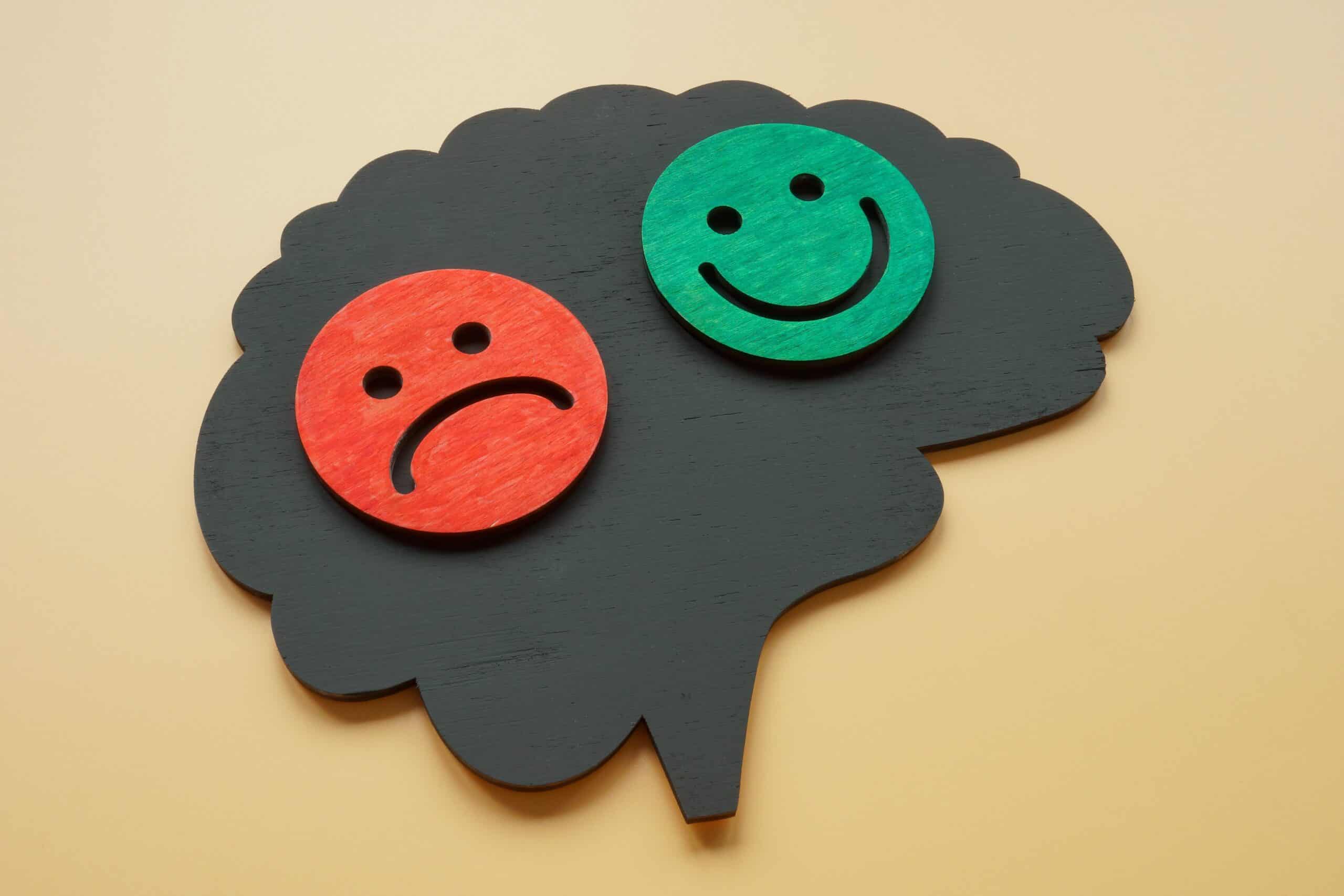
a black cut out of a brain with a red sad safe and a green smiley face indicating bipolar diorder

The Connection Between Bipolar Disorder and Alcoholism

Bipolar disorder and alcoholism can go hand in hand. Oftentimes, individuals with undiagnosed, or even diagnosed bipolar disorder turn to alcohol as a means of coping with and self-medicating the symptoms of the condition.

They are more likely than not unaware of the risks of this practice. Leading to severe impacts in all aspects of their life, these individuals end up with more complications had alcohol not been a factor. 

Bipolar 1 and Bipolar 2

Bipolar 1 and Bipolar 2 are both considered to be mood disorders. Both are characterized by mood instability, with depressive states that consist of extreme sadness, loss of interest, and changes in sleep and/or appetite. However, it is crucial to note that Bipolar 1 and 2 are very different conditions, despite the similarities.

Bipolar 1 consists of 12 nofollow noopener noreferrer3>manic episodes lasting 7 days or requiring hospitalization. The manic episodes are often accompanied by depressive episodes. Bipolar 2, on the other hand, is characterized by hypomanic episodes and depressive states; however, there are no full-blown manic episodes.

Overall, bipolar 1 has more severe and impairing manic episodes, while Bipolar 2 has hypomanic episodes that are less severe and can be perceived as being positive. Both conditions are treatable under professional care, and medications and therapy can help manage them.

Bipolar 2 and Alcohol Abuse

Bipolar 2 is a treatable condition when under the care of mental health professionals. However, individuals often struggle with this condition and are unaware of its existence. This can lead to unsettling symptoms, and turning to substances to cope with depressive states. The practice of drinking, in itself, can be dangerous.

When Bipolar 2 is left undiagnosed, and individuals begin drinking to cope, it can lead to them struggling with bipolar disorder and alcoholism, together. These conditions often co-occur with one another, complicating both conditions. While alcohol can seemingly provide relief from mania and depression, it can exacerbate the symptoms. As a result, this can lead to heavier drinking. 

Signs of Undiagnosed Bipolar Disorders

Many different signs could be indicative of undiagnosed bipolar disorders. These symptoms could be more obvious, or more subtle. However, those who exhibit symptoms should be seen by a mental health professional to prevent complications of the condition. Some symptoms can include extreme mood swings consisting of high highs (mania) and low lows (depression).

There may be periods of racing thoughts, high energy, and impulsivity during manic episodes that are followed by a sense of sadness, loss of interest, and fatigue during depressive episodes. Those exhibiting symptoms should seek professional help as soon as possible to prevent struggling with bipolar disorder and alcoholism. 

Can Drug and Alcohol Abuse Cause Bipolar Disorders?

There is no evidence to suggest that drugs and alcohol cause bipolar disorder. However, there is plenty of evidence suggesting that these substances can lead to the onset of bipolar that may not have manifested itself fully yet. There is also evidence that these drugs and alcohol can exacerbate the symptoms of bipolar.

Additionally, there is evidence that substances can increase the risk of developing addictions in those who are predisposed and struggling with bipolar. Bipolar disorder and alcoholism can go hand in hand, and it is fairly common for someone who is struggling with alcohol to suffer from mental health conditions like bipolar disorder. 

Which Comes First—Alcohol Abuse or Bipolar Disorders?

There is a complex relationship between bipolar disorder and alcoholism. Some cases show that alcohol abuse occurs as a means of self-medication and coping with the highs and lows of bipolar disorders, and in other cases, alcohol abuse can cause the symptoms of bipolar disorders to become more prevalent.

It can trigger the mood changes that characterize bipolar, and lead to severe challenges in the individual’s life. Having an accurate diagnosis and treatment plan can make a difference in the outcome of struggling with these conditions. 

Treatment

Treatment for bipolar disorder and alcoholism can be helpful in the individual being able to maintain their life, with minimal impact. Both alcoholism and bipolar can make life extremely difficult, and without proper treatment, the impacts can only become greater. Dual diagnosis treatment can make a world of difference in the trajectory of an individual’s life who is struggling with substances and mental health. 

Lithium for Bipolar Disorder

Lithium is a mood stabilizer that is a cornerstone in bipolar treatment. It is highly effective for managing mood swings and helping to prevent relapses in bipolar disorder. The drug helps reduce the frequency and severity of manic and depressive episodes that make up bipolar disorders. It is vital to monitor lithium levels in the blood while on this medication to gauge its effectiveness and prevent side effects. 

Trauma Therapy

Many individuals who have struggled with mental health and substance abuse have experienced some kind of trauma in their lifetime. These may play a role in these conditions. Trauma therapy has the goal of helping these individuals to begin facing and healing from these traumas. As a result, they can gain control of their lives again.

Trauma has a profound impact on the human brain, and responses to trauma can be devastating. Having proper care can help to reduce its impact, making life easier.  

Begin Healing Today

Bipolar disorders are a life-altering diagnosis. If left untreated, there can be devastating results including alcohol addiction. Alcohol addiction is another severe condition that can impact a person’s physical and emotional health. If you or a loved one have found yourself struggling, there is help available.

At Lexington Addiction Center we strive to provide the best care for individuals struggling with mental health conditions like bipolar disorder, as well as addictions like alcoholism.

Call us today and begin your journey of healing. 


FAQ: The Connection Between Bipolar Disorder and Alcoholism

  • How are bipolar disorder and alcoholism connected?

    Bipolar disorder and alcoholism intersect because both affect mood regulation, reward systems, and impulse control — and each can influence the development or worsening of the other. Bipolar disorder is a mental health condition characterized by significant mood swings, including periods of depression and mania or hypomania. During depressive episodes, individuals may feel hopeless, fatigued, or emotionally numb. In an effort to find relief, some people turn to alcohol because it temporarily dulls emotional pain or provides a sense of calm. This coping pattern can inadvertently lead to increased alcohol use over time.

    Alcohol affects the brain’s neurotransmitters — chemicals that transmit signals between nerve cells — and can mimic or mask emotional states. This is particularly problematic for people with bipolar disorder, whose brain chemistry is already more vulnerable to emotional swings. Repeated alcohol use can intensify mood instability and make it harder for medication and therapy to stabilize symptoms. Over time, the short-term relief alcohol provides can evolve into a pattern of reliance or dependence. In short, bipolar mood fluctuations can make alcohol’s effects more reinforcing, and alcohol use can deepen mood instability, creating a feedback loop where each condition worsens the other.

  • Why might someone with bipolar disorder be more likely to develop alcoholism?

    Individuals with bipolar disorder may be more likely to develop alcoholism due to several overlapping psychological, emotional, and neurological factors. The mood swings inherent in bipolar disorder — from deep depressive lows to elevated mania or hypomania — create intense emotional experiences that can be difficult to manage. Some people find alcohol appealing because it seems to temporarily ease distressing feelings, calm anxiety, or reduce the emotional intensity that accompanies mood swings.

    Additionally, bipolar disorder can involve impulsivity and risk-taking behavior, especially during manic or hypomanic episodes. Alcohol use can amplify these tendencies, making risky or compulsive drinking more likely. People with bipolar disorder also experience periods of exhaustion and frustration that make self-medication with alcohol seem like an easy choice, even though it ultimately causes more harm.

    Neurologically, both bipolar disorder and addiction share irregularities in how the brain’s reward systems operate. Because alcohol directly impacts these systems by altering dopamine and other neurotransmitters, someone whose reward pathways are already dysregulated by bipolar disorder may experience alcohol’s effects more intensely, which can reinforce repeated use. These psychological and biological overlaps make people with bipolar disorder more vulnerable to alcohol misuse and dependence.

  • Can alcohol use make bipolar symptoms worse?

    Yes — alcohol use can make bipolar symptoms significantly worse because it interferes with mood regulation, brain chemistry, sleep, and the effectiveness of prescribed medications. Alcohol is a central nervous system depressant, which means it can intensify depressive symptoms such as low mood, fatigue, and hopelessness. For someone with bipolar disorder, this can deepen depressive episodes and make recovery harder. Even occasional drinking can disrupt emotional balance and trigger mood swings.

    Alcohol also directly affects sleep architecture. Because sleep disturbances can precipitate manic or depressive episodes in bipolar disorder, alcohol’s impact on sleep can increase the frequency or severity of mood instability. Alcohol interferes with the brain’s ability to go through normal restorative sleep cycles, leaving the brain less resilient against emotional stress.

    Another important point is that alcohol can reduce the effectiveness of mood-stabilizing medications frequently used to treat bipolar disorder. Drinking may interact with medications, diminish their therapeutic benefit, or increase side effects, all of which complicate treatment planning. In this way, alcohol doesn’t just add another health concern — it actively undermines the careful balance needed to manage bipolar symptoms over time.

  • What are common signs that someone with bipolar disorder might be developing alcoholism?

    Recognizing that someone with bipolar disorder might be developing alcoholism involves observing patterns of mood, behavior, and alcohol use together rather than separately. One red flag is increased reliance on alcohol during mood swings — for example, using alcohol more frequently or in larger amounts to cope with depressive episodes, anxiety, irritability, or insomnia. If a person begins to self-medicate regularly with alcohol in response to emotional discomfort, this pattern may escalate toward problematic use.

    Another sign is loss of control over drinking. Someone who previously drank socially or occasionally but now finds it difficult to limit intake, goes on prolonged drinking binges, or experiences strong cravings during periods of emotional distress could be developing dependence. Changes in daily routines, such as prioritizing alcohol over responsibilities or social obligations, also signal concern.

    Behavioral shifts are common too — such as increased risk-taking while drinking, mood instability tied to alcohol consumption, or strain in relationships related to drinking habits. Frequent intoxication, denial about the extent of use, and increasing tolerance (needing more alcohol to achieve the same effect) are strong indications of developing alcoholism. When these patterns co-occur with the emotional volatility of bipolar disorder, the risk of long-term problems increases and should be addressed with professional support.

  • How does alcoholism complicate the treatment of bipolar disorder?

    Alcoholism complicates the treatment of bipolar disorder in several important ways. First, alcohol directly affects brain chemistry and undermines the delicate balance mood-stabilizing medications try to achieve. Many medications used to treat bipolar disorder — such as lithium, anticonvulsants, and certain antipsychotics — require consistency and stable biological conditions to work effectively. Alcohol can interfere with how these medicines are absorbed and metabolized, reducing their efficacy and increasing the risk of side effects.

    Alcohol also disrupts sleep, lowers frustration tolerance, and increases impulsivity — all of which can destabilize mood and trigger manic or depressive episodes. Treatment for bipolar disorder relies heavily on routines, consistent medication use, therapy, and lifestyle stability. When alcohol enters the picture, these stabilizing routines become harder to maintain because alcohol’s effects on sleep, judgment, and emotional regulation create unpredictable shifts that treatment plans are not designed to manage.

    Moreover, people with co-occurring bipolar disorder and alcoholism may have a harder time engaging meaningfully in therapy because alcohol can dull emotional insight, impair memory, and reduce motivation. This makes it more difficult to build the coping skills necessary for both conditions. For these reasons, integrated treatment that addresses both bipolar disorder and alcohol misuse concurrently — rather than treating them in isolation — produces better outcomes and reduces the risk of relapse in either condition.

  • What treatment approaches are effective for co-occurring bipolar disorder and alcoholism?

    Effective treatment for co-occurring bipolar disorder and alcoholism typically involves an integrated, multi-modal approach that addresses both conditions simultaneously rather than separately. One key component is medication management, where clinicians carefully select mood stabilizers, antipsychotics, or other psychiatric medications to help regulate mood swings while avoiding drugs that may interact negatively with alcohol or increase cravings.

    Therapy is another essential element. Cognitive-behavioral therapy (CBT) helps individuals identify and change unhelpful thought patterns and behaviors that contribute to both bipolar symptoms and alcohol misuse. Therapies that focus on building coping strategies, stress management skills, and emotional regulation techniques are particularly useful because they help people handle triggers without resorting to alcohol or impulsive behaviors.

    Support groups and peer support can also play a significant role by providing community, accountability, and encouragement from others who understand the challenges of managing both disorders. Family therapy or involvement of loved ones can improve understanding and build a supportive environment that reinforces treatment goals.

    Importantly, treatment programs that specifically integrate care for mood disorders and substance use — rather than treating them in isolation — allow clinicians to monitor interactions between conditions and adjust plans as needed. This integrated approach increases the chances of long-term stability and reduces relapse risk for both bipolar episodes and alcohol misuse.

  • Can someone recover from both bipolar disorder and alcoholism?

    Yes — recovery from both bipolar disorder and alcoholism is possible, especially when treatment is timely, comprehensive, and sustained. Recovery doesn’t necessarily mean the absence of all symptoms, but rather learning how to manage both conditions so that they no longer control daily functioning or quality of life. Many people live full, stable, and productive lives with co-occurring conditions when they engage with treatment that addresses both issues.

    Key components of recovery include consistent medication adherence to regulate mood, ongoing therapy to build coping strategies and address thought patterns, and sustained support to prevent relapse of either condition. Lifestyle changes — such as establishing stable sleep patterns, reducing stress, maintaining routines, and avoiding alcohol entirely — contribute greatly to emotional balance and resilience. Participation in peer support or recovery communities also offers encouragement and accountability.

    Recovery is a process rather than a quick fix, and it often involves setbacks. However, with a tailored treatment plan, ongoing support, and commitment, individuals can reduce symptoms, achieve longer periods of stability, and build healthier ways of living. Recognizing the connection between bipolar disorder and alcoholism — and addressing both proactively — increases the chances of lasting recovery.

  • How can friends and family support someone with bipolar disorder and alcoholism?

    Friends and family play a crucial role in supporting someone with co-occurring bipolar disorder and alcoholism. One foundational way to help is through education and empathy: learning how each condition affects behavior, mood, and decision-making reduces stigma and helps loved ones respond compassionately rather than with frustration or blame. Understanding that both conditions involve biological and psychological patterns rather than moral weakness promotes healthier support.

    Encouraging professional help and participating in therapy support — such as family counseling — can create shared understanding and improve communication. Loved ones can also support consistent treatment engagement by helping with transportation to appointments, reminding about medication, and celebrating progress. Support doesn’t mean enabling harmful behavior; it means creating boundaries that protect both the person in recovery and the family system.

    Offering emotional encouragement, checking in regularly, and helping build routines that include healthy activities — such as exercise, nutritious meals, and social connection — further supports long-term stability. Being present during difficult moments, listening without judgment, and reinforcing that recovery takes time also communicate care in meaningful ways. With patience, education, and consistent support, friends and family can help someone navigate the challenges of co-occurring bipolar disorder and alcoholism.


Blog Content Disclaimer – Educational & Informational Use

The content published on Lexington Addiction Center blog pages is intended for general educational and informational purposes related to addiction, substance use disorders, detoxification, rehabilitation, mental health, and recovery support. Blog articles are designed to help readers better understand addiction-related topics and explore treatment concepts, but they are not a substitute for professional medical advice, diagnosis, or individualized treatment planning.

Addiction and co-occurring mental health conditions are complex medical issues that affect individuals differently based on many factors, including substance type, length of use, physical health, mental health history, medications, age, and social environment. Because of this variability, information discussed in blog articles—such as withdrawal symptoms, detox timelines, treatment approaches, medications, relapse risks, or recovery strategies—may not apply to every individual. Reading blog content should not replace consultation with licensed medical or behavioral health professionals.

If you or someone you know is experiencing a medical or mental health emergency, call 911 immediately or go to the nearest emergency room. Emergencies may include suspected overdose, seizures, difficulty breathing, chest pain, severe confusion, hallucinations with unsafe behavior, loss of consciousness, suicidal thoughts, or threats of harm to oneself or others. Lexington Addiction Center blog content is not intended for crisis intervention and should never be used in place of emergency care.

Detoxification from drugs or alcohol can involve serious medical risks, particularly with substances such as alcohol, benzodiazepines, opioids, and certain prescription medications. Withdrawal symptoms can escalate quickly and may become life-threatening without proper medical supervision. Any blog content describing detox, withdrawal, or substance cessation is provided to raise awareness and encourage safer decision-making—not to instruct readers to detox on their own. Attempting self-detox without medical oversight can be dangerous and is strongly discouraged.

Blog articles may discuss various addiction treatment options, including medical detox, residential or inpatient rehab, outpatient programs, therapy modalities, medication-assisted treatment, aftercare planning, and recovery support services. These discussions reflect commonly used, evidence-informed approaches but do not represent guarantees of effectiveness or suitability for every person. Treatment recommendations should always be based on a comprehensive assessment conducted by licensed professionals.

Information related to insurance coverage, treatment costs, or payment options that appears within blog content is provided for general informational purposes only. Insurance benefits vary widely depending on the individual’s plan, carrier, state regulations, and medical necessity criteria. Coverage details may change without notice, and no insurance-related statements on blog pages should be interpreted as a promise of coverage or payment. Lexington Addiction Center encourages readers to contact our admissions team directly to verify insurance benefits and eligibility before making treatment decisions.

Some blog posts may reference third-party studies, external organizations, medications, community resources, or harm-reduction concepts. These references are provided for educational context only and do not constitute endorsements. Lexington Addiction Center does not control third-party content and is not responsible for the accuracy, availability, or practices of external websites or organizations.

Blog content may also include general advice for families or loved ones supporting someone with addiction. While these discussions aim to be supportive and informative, every situation is unique. If there is an immediate safety concern—such as violence, overdose risk, child endangerment, or medical instability—emergency services or qualified professionals should be contacted right away rather than relying on online information.

Use of Lexington Addiction Center blog pages does not establish a provider–patient relationship. Submitting comments, contacting the center through a blog page, or reading articles does not guarantee admission to treatment or access to services. Recovery outcomes vary, and no specific results are promised or implied.

If you are struggling with substance use, withdrawal symptoms, or questions about treatment, we encourage you to seek guidance from licensed healthcare providers. For personalized information about treatment options or insurance verification, you may contact Lexington Addiction Center directly. For emergencies, call 911 immediately.

  • Call or message us

    You’ll connect with a compassionate admissions coordinator who understands what you’re going through.
  • Free assessment

    We’ll ask about your drug use, medical history, and mental health to help build the right plan.
  • Insurance check

    We’ll verify your benefits and explain exactly what’s covered—no surprises.
  • Choose a start date

    If you’re ready, we can often schedule your intake the same week.

Verify Your Insurance

  • → Contributors

    Portrait of Dr. Vahid Osman, Board-Certified Psychiatrist and Addictionologist
    Medically Reviewed By
    Dr. Vahid Osman, M.D.
    Board-Certified Psychiatrist & Addictionologist
    Dr. Vahid Osman is a Board-Certified Psychiatrist and Addictionologist with extensive experience treating mental illness, chemical dependency, and developmental disorders. Dr. Osman trained in Psychiatry in France and in Austin, Texas. Read more.
    Portrait of Josh Sprung, L.C.S.W.
    Clinically Reviewed By
    Josh Sprung, L.C.S.W.
    Board-Certified Clinical Social Worker
    Joshua Sprung serves as a Clinical Reviewer at Lexington Addiction Center, bringing a wealth of expertise to ensure exceptional patient care. Read more.
  • → Accreditations & Licenses

    The Joint Commission
    Awarded The Gold Seal of Approval® for meeting rigorous performance standards in safety, quality, and patient care.
    LegitScript Certified
    Validates compliance with laws and regulations, confirming transparency and accountability in addiction treatment marketing.
    BBB Accredited
    Demonstrates ethical business practices, client satisfaction commitment, and a trusted reputation in the community.
    Psychology Today Verified
    Verified listing on Psychology Today, a trusted directory for addiction treatment providers and behavioral health centers.
    HIPAA Compliant
    Ensures all patient health information is protected and managed under strict federal privacy and security standards.
    NAATP Member
    Lexington Addiction Center is a proud member of the National Association of Addiction Treatment Providers (NAATP).
    5-Star Google Reviews
    Recognized for consistent 5-star ratings, reflecting excellent care and trusted patient experiences at Lexington Addiction Center.
    Help.org Recognition
    Recognized by Help.org for quality addiction treatment services and community impact.
  • → Meet Our Team

    At Lexington Addiction Center, we believe that recovery is a journey, not a destination. That’s why we offer a comprehensive continuum of care, delivered by a team of experienced and compassionate professionals. Our team is made up of licensed therapists, counselors, nurses, and other professionals who are passionate about helping people achieve lasting sobriety. Whether you are just starting your recovery journey or you are a seasoned veteran, we are here to support you every step of the way. We believe in you, and we are committed to helping you achieve your recovery goals.

    Read more

  • → Tour Our Rehab Center

    Explore Lexington Addiction Center’s drug & alcohol detox rehab treatment center in Lexington, KY and step into private therapy offices, spacious group rooms, and tranquil lounges where thoughtful design supports every stage of substance-use recovery.

    Read more

Addiction Treatment Services

Mental Health Services

Treatment Programs

Yes, Your Insurance Covers Detox and Rehab Treatment

Complete a free, confidential Verification of Benefits to learn more about what resources may be available to you.

Contact Us Today

Lexington Addiction Center - logo

Addiction and co-occurring disorders don’t have to control your life. Lexington Addiction Center is waiting with open arms to give you the tools necessary for lasting change. Reach out to us today to learn more.

859-681-7823

Continue reading

A man participating in individual therapy during mental health treatment in Lexington, KY

Group or Individual Therapy: Which is Best?

Psychotherapy, or talk therapy, can occur in different forms. Group therapy and individual therapy are the two main types that can help an individual learn the positive coping skills that are necessary to live a healthy life. 

But which one is best? The answer to this question can be answered through a number of different factors. Each person’s specific needs generally take precedence, and which option is best will depend on the individual and what they aim to achieve. 

Individual Therapy Overview

Individual therapy is a form of talk therapy that takes place during a one-on-one session. A therapist can be a social worker, counselor, psychiatrist, or psychologist.

During sessions, the therapist helps the individual to work through emotions and feelings that may be distressing. It helps the person to learn positive and healthy coping skills to get through situations that could potentially lead to further complications. 

Exploring Therapy Types

There are different types of techniques used during individual therapy sessions that help the person learn these skills. Cognitive-behavioral therapy (CBT) is a form of therapy that helps individuals to identify and change poor thinking that results in negative behaviors such as drug and alcohol abuse. Dialectical behavior therapy (DBT) is a form of one one-on-one therapy that helps those who feel intense emotions to get through their feelings without self-sabotage. It helps teach them how to regulate their emotions. 

Often, individuals who struggle with substance use disorders have experienced some form of trauma in their lives. Whether it be physical or emotional abuse, or the sudden loss of a loved one, trauma can lead to severe impacts to someone’s life. Trauma therapy is a beneficial form of therapy for individuals who have experienced these situations. 

Group Therapy Overview

Group therapy can be beneficial to individuals who feel like they are alone. They provide a space to become educated on healthier ways of handling situational stress. Rather than turning to drugs and alcohol, the experience of peers in a group setting can help the individual to avoid these substances as they arise.

12 nofollow noopener noreferrer3>CBT and DBT are techniques that are often used during group sessions. These techniques help to provide group insights into how distressing situations can be handled, healthily, without further impacts to the individual’s lifestyle. 

Family therapy is a beneficial form of group therapy. This helps in situations where the family unit has been compromised. Often, when a loved one struggles with substance abuse and addiction, their actions can take a toll on the structure of the family. These individuals may feel like they’ve caused irreparable damage. However, a group family session can aid in preventing further damage, and help to heal the damage that has occurred.

Individual Therapy Costs

Individual therapy costs can vary greatly. Factors like location, credentials, and therapeutic approach can play a role in the cost of this much-needed help. The cost of individual sessions with a professional therapist can range from $75 to $200 or, sometimes, more. Sometimes, insurance can offset the costs associated with professional therapy. Other times, when insurance isn’t available, there are sliding scales that help offset some of the out-of-pocket costs. 

Group Therapy Costs

Similarly to individual sessions, group therapy costs can vary widely. Location, approach, qualifications, and the focus of the group sessions can play a role in the costs. Generally speaking, though, these sessions can cost between $30-$100 per session, sometimes more.

Again, insurance can help offset these costs, and sliding scales can also help to offset the out-of-pocket costs. These sessions are less personal, with more people, contributing to the lower cost.

Pros and Cons of Individual Therapy

Because individual therapy occurs on a one-on-one basis, the benefits can include the ability to explore deeply personal issues, with a professional, who can help guide an individual through the emotions that can arise. Focused attention provides the ability to create quicker progress.

However, the downside to this personalized attention is the cost. The success of this form of therapy depends on the dynamics and connection between the individual and their therapist. Having someone that can be connected with helps to make the individual feel comfortable enough to get into their deeper feelings and emotions.

Pros and Cons of Group Therapy

Group therapy can offer a form of connection with people who are experiencing similar struggles. It can provide a safe and neutral space to get guidance from others who have undergone a similar circumstance.

However, because it is a group setting, it can be more uncomfortable to share the situation. Those who struggle with drugs and alcohol place themselves in compromising situations that may be difficult to discuss in these settings. 

Find Therapy Today

Therapy is a vital component of the healing process. Individuals who struggle with substance abuse or mental health conditions often need to invest time in themselves and participate in a therapy program.

Individual or group therapy depends on the individual and their needs. If you or a loved one are struggling and need extra help, Lexington Addiction Center is available. We offer help to those individuals who find themselves struggling so that they can begin on a path to recovery.

Call us today and begin your journey to a better life.


FAQ: Group or Individual Therapy — Which Is Best?

  • What is the difference between group therapy and individual therapy?

    Group therapy and individual therapy are both effective forms of psychological support, but they differ in structure, focus, and the way participants engage with treatment. Individual therapy involves one-on-one sessions with a therapist, creating a private, personalized space to explore thoughts, emotions, patterns, and behaviors. This format allows the therapist to tailor interventions specifically to the individual’s unique history, mental health needs, trauma background, and personal goals. It’s often used when deep, focused work is needed or when someone has barriers to sharing in a group setting. Group therapy, on the other hand, brings together several people who share similar challenges — such as addiction, anxiety, or depression — under the guidance of one or more clinicians. In this environment, participants learn from each other’s experiences, build peer support, and practice interpersonal skills in real time. While individual therapy emphasizes personal insight and tailored coping strategies, group therapy emphasizes shared experiences, feedback from peers, and community reinforcement. Many treatment plans include both formats because they serve complementary purposes: individual therapy fosters personal growth and safety, whereas group therapy builds connection, relatability, and practical social skills. Understanding these differences helps individuals choose the right combination of support for their recovery journey.

  • When is individual therapy more beneficial than group therapy?

    Individual therapy tends to be more beneficial when a person has deeply personal or complex emotional issues that require focused, confidential exploration. For example, someone with a history of trauma, co-occurring mental health conditions (such as PTSD or severe anxiety), or challenges with trust may benefit from the privacy and intensity of one-on-one sessions. In individual therapy, the clinician can tailor treatment approaches — like cognitive-behavioral therapy (CBT), psychodynamic therapy, or trauma-focused therapies — to the client’s specific experiences and needs. This setting allows for uninterrupted attention, more time per session for self-reflection, and immediate feedback without fear of judgment from peers. For people who struggle with social anxiety, fear of vulnerability around others, or difficulty opening up in a group, individual therapy creates a safer, more controlled environment. Individuals also use individual therapy to explore specific goals — like understanding patterns of self-sabotage, developing emotion-regulation skills, or working through interpersonal wounds — at their own pace. While group therapy has many advantages, individual therapy is often the best choice when personalized, confidential, and intensive support is required to untangle deeply rooted emotional challenges.

  • What are the key benefits of group therapy?

    Group therapy offers several unique advantages that complement — and sometimes even surpass — the benefits of individual therapy, especially for people in recovery. One of the main strengths is peer support and shared experience. When people see others facing similar struggles, it reduces feelings of isolation and shame, helping individuals realize they are not alone in their challenges. Group settings provide natural opportunities for practicing communication, empathy, and interpersonal skills, which are essential for building healthy relationships outside of therapy. Hearing different perspectives can broaden insight and provide real-world coping strategies that may not emerge in one-on-one sessions. Participants often experience mutual encouragement and accountability, which reinforces commitment to goals and recovery. Group therapy also offers a sense of belonging and community, which can be especially powerful for people who have felt disconnected due to addiction, depression, or anxiety. Another benefit is that group dynamics can mirror real-life interactions, giving people a safe space to test new behaviors, receive feedback, and navigate conflict in a controlled, supportive environment. Overall, group therapy enhances social learning, reduces stigma, and builds resilience through connection — making it an invaluable part of many treatment plans.

  • Can someone participate in both group and individual therapy at the same time?

    Yes — and in fact, many treatment plans combine both group and individual therapy because each format addresses different aspects of healing. Individual therapy allows for deep, personalized attention where the clinician can tailor interventions to the person’s personal history, thought patterns, and emotional regulation needs. This format is ideal for working through trauma, identifying core beliefs, and developing self-awareness. Group therapy, on the other hand, reinforces social support, interpersonal learning, and peer accountability. Participating in both provides a balanced approach: individual sessions help clients build insight and internal coping skills, while group sessions allow them to practice those skills in a social context and receive real-time feedback. Many residential or outpatient programs structure their schedules to include a mix of group topics — such as coping skills training, relapse prevention, and psychoeducation — alongside individual check-ins. This dual approach ensures that while personal healing is prioritized, individuals also build connection, community, and social resilience. Combining both formats often leads to more comprehensive growth, increased emotional regulation, and greater long-term stability because it addresses both the internal and external facets of recovery.

  • How do social dynamics in group therapy contribute to recovery?

    Social dynamics in group therapy contribute significantly to recovery because much of healing happens within the context of connection and community. In group therapy, participants witness others sharing vulnerabilities, setbacks, and triumphs, which helps normalize their own experiences and reduce shame. This social mirroring builds empathy and mutual understanding, strengthening emotional bonds and fostering a sense of belonging. People learn to give and receive feedback, confront challenging interpersonal dynamics, and practice healthy communication skills in real time — all within the safety of a guided therapeutic environment. These social interactions help participants understand how patterns like avoidance, defensiveness, or anxiety show up in relationships and how to respond differently. For many individuals whose addiction or mental health struggles have eroded trust or connection, group therapy rebuilds confidence in social engagement. Peer encouragement and accountability further enhance motivation and adherence to treatment goals. Group settings also expose participants to diverse coping strategies and life stories, which broadens perspective, reduces judgment, and increases resilience. In essence, the social dynamics become a microcosm of real life, offering a training ground for healthier relationships and emotional regulation outside of therapy.

  • Are there situations where group therapy might not be appropriate?

    Yes — while group therapy offers many benefits, there are certain situations where it may not be the most appropriate primary form of treatment. For individuals with severe social anxiety, paranoia, or certain personality disorders, the presence of multiple people in a therapeutic setting can feel overwhelming or unsafe at first. People who are actively in crisis, experiencing acute psychosis, or in immediate danger of self-harm may benefit more from individualized, intensive support until they stabilize. Additionally, someone with a history of trauma that involved breaches of trust or interpersonal violation may find it difficult to engage in group settings initially; for these individuals, building a strong therapeutic alliance in individual therapy first can provide the foundation needed to participate meaningfully in groups. Some people also struggle with the self-consciousness or fear of judgment that can arise in a group context, which may inadvertently trigger avoidance or discomfort rather than engagement. In these cases, clinicians often recommend a phased approach: start with individual therapy to build safety, coping skills, and emotional regulation, then gradually introduce group therapy once the person feels more secure. Ultimately, therapy plans should be individualized, and a clinician can help determine whether group, individual, or a combination of both is most appropriate for the person’s unique needs.

  • How do I decide which type of therapy is best for me?

    Deciding which type of therapy is best — group, individual, or both — involves evaluating several personal factors and working with a qualified clinician to tailor the plan to your needs. One key consideration is your comfort level with sharing in a social environment. If you feel anxious or unsafe discussing personal issues in front of others, starting with individual therapy may be the right choice. If you thrive on connection, relatability, and learning from others’ experiences, group therapy might be especially beneficial. Another factor is the nature of your challenges: deep trauma, complex co-occurring conditions, or intense emotional regulation difficulties often benefit from personalized attention in individual therapy. Conversely, issues tied to interpersonal skills, social support, or recovery community integration may be well supported in a group setting. Your goals also matter — if building social confidence and long-term peer support is a priority, group therapy can be invaluable; if exploring core beliefs and personal history is central, individual therapy provides that space. Many people benefit most from a blended approach because it offers both focused attention and communal support. A therapist can help you assess your personality, comfort level, history, and treatment goals to create a plan that maximizes your chances of progress and long-term success.

  • What are the long-term benefits of participating in therapy during recovery?

    Participating in therapy — whether group, individual, or both — offers long-term benefits that extend far beyond the immediate treatment period. Therapy provides tools for emotional regulation, stress management, and coping with triggers, which are essential for sustained recovery. In individual therapy, people develop greater self-awareness, insight into patterns of thoughts and behavior, and personalized strategies to address underlying issues like trauma, anxiety, or depression. These skills become internal resources that support resilience in daily life. Group therapy adds social reinforcement, peer support, and a sense of community, all of which reduce isolation and strengthen motivation. Over time, group connections often form informal networks of accountability and encouragement that extend into life outside treatment. Consistent therapeutic engagement also enhances interpersonal skills — such as communication, conflict resolution, and empathy — which improves relationships with family, friends, and coworkers. Therapy helps individuals replace maladaptive coping strategies with healthier alternatives, increasing self-confidence, stability, and quality of life. Most importantly, therapy fosters a deeper understanding of oneself and one’s triggers, which reduces the likelihood of relapse and equips individuals to navigate challenges with clarity and resilience. The gains from therapy become a foundation for lifelong wellness, not just short-term symptom relief.


Blog Content Disclaimer – Educational & Informational Use

The content published on Lexington Addiction Center blog pages is intended for general educational and informational purposes related to addiction, substance use disorders, detoxification, rehabilitation, mental health, and recovery support. Blog articles are designed to help readers better understand addiction-related topics and explore treatment concepts, but they are not a substitute for professional medical advice, diagnosis, or individualized treatment planning.

Addiction and co-occurring mental health conditions are complex medical issues that affect individuals differently based on many factors, including substance type, length of use, physical health, mental health history, medications, age, and social environment. Because of this variability, information discussed in blog articles—such as withdrawal symptoms, detox timelines, treatment approaches, medications, relapse risks, or recovery strategies—may not apply to every individual. Reading blog content should not replace consultation with licensed medical or behavioral health professionals.

If you or someone you know is experiencing a medical or mental health emergency, call 911 immediately or go to the nearest emergency room. Emergencies may include suspected overdose, seizures, difficulty breathing, chest pain, severe confusion, hallucinations with unsafe behavior, loss of consciousness, suicidal thoughts, or threats of harm to oneself or others. Lexington Addiction Center blog content is not intended for crisis intervention and should never be used in place of emergency care.

Detoxification from drugs or alcohol can involve serious medical risks, particularly with substances such as alcohol, benzodiazepines, opioids, and certain prescription medications. Withdrawal symptoms can escalate quickly and may become life-threatening without proper medical supervision. Any blog content describing detox, withdrawal, or substance cessation is provided to raise awareness and encourage safer decision-making—not to instruct readers to detox on their own. Attempting self-detox without medical oversight can be dangerous and is strongly discouraged.

Blog articles may discuss various addiction treatment options, including medical detox, residential or inpatient rehab, outpatient programs, therapy modalities, medication-assisted treatment, aftercare planning, and recovery support services. These discussions reflect commonly used, evidence-informed approaches but do not represent guarantees of effectiveness or suitability for every person. Treatment recommendations should always be based on a comprehensive assessment conducted by licensed professionals.

Information related to insurance coverage, treatment costs, or payment options that appears within blog content is provided for general informational purposes only. Insurance benefits vary widely depending on the individual’s plan, carrier, state regulations, and medical necessity criteria. Coverage details may change without notice, and no insurance-related statements on blog pages should be interpreted as a promise of coverage or payment. Lexington Addiction Center encourages readers to contact our admissions team directly to verify insurance benefits and eligibility before making treatment decisions.

Some blog posts may reference third-party studies, external organizations, medications, community resources, or harm-reduction concepts. These references are provided for educational context only and do not constitute endorsements. Lexington Addiction Center does not control third-party content and is not responsible for the accuracy, availability, or practices of external websites or organizations.

Blog content may also include general advice for families or loved ones supporting someone with addiction. While these discussions aim to be supportive and informative, every situation is unique. If there is an immediate safety concern—such as violence, overdose risk, child endangerment, or medical instability—emergency services or qualified professionals should be contacted right away rather than relying on online information.

Use of Lexington Addiction Center blog pages does not establish a provider–patient relationship. Submitting comments, contacting the center through a blog page, or reading articles does not guarantee admission to treatment or access to services. Recovery outcomes vary, and no specific results are promised or implied.

If you are struggling with substance use, withdrawal symptoms, or questions about treatment, we encourage you to seek guidance from licensed healthcare providers. For personalized information about treatment options or insurance verification, you may contact Lexington Addiction Center directly. For emergencies, call 911 immediately.

  • Call or message us

    You’ll connect with a compassionate admissions coordinator who understands what you’re going through.
  • Free assessment

    We’ll ask about your drug use, medical history, and mental health to help build the right plan.
  • Insurance check

    We’ll verify your benefits and explain exactly what’s covered—no surprises.
  • Choose a start date

    If you’re ready, we can often schedule your intake the same week.

Verify Your Insurance

  • → Contributors

    Portrait of Dr. Vahid Osman, Board-Certified Psychiatrist and Addictionologist
    Medically Reviewed By
    Dr. Vahid Osman, M.D.
    Board-Certified Psychiatrist & Addictionologist
    Dr. Vahid Osman is a Board-Certified Psychiatrist and Addictionologist with extensive experience treating mental illness, chemical dependency, and developmental disorders. Dr. Osman trained in Psychiatry in France and in Austin, Texas. Read more.
    Portrait of Josh Sprung, L.C.S.W.
    Clinically Reviewed By
    Josh Sprung, L.C.S.W.
    Board-Certified Clinical Social Worker
    Joshua Sprung serves as a Clinical Reviewer at Lexington Addiction Center, bringing a wealth of expertise to ensure exceptional patient care. Read more.
  • → Accreditations & Licenses

    The Joint Commission
    Awarded The Gold Seal of Approval® for meeting rigorous performance standards in safety, quality, and patient care.
    LegitScript Certified
    Validates compliance with laws and regulations, confirming transparency and accountability in addiction treatment marketing.
    BBB Accredited
    Demonstrates ethical business practices, client satisfaction commitment, and a trusted reputation in the community.
    Psychology Today Verified
    Verified listing on Psychology Today, a trusted directory for addiction treatment providers and behavioral health centers.
    HIPAA Compliant
    Ensures all patient health information is protected and managed under strict federal privacy and security standards.
    NAATP Member
    Lexington Addiction Center is a proud member of the National Association of Addiction Treatment Providers (NAATP).
    5-Star Google Reviews
    Recognized for consistent 5-star ratings, reflecting excellent care and trusted patient experiences at Lexington Addiction Center.
    Help.org Recognition
    Recognized by Help.org for quality addiction treatment services and community impact.
  • → Meet Our Team

    At Lexington Addiction Center, we believe that recovery is a journey, not a destination. That’s why we offer a comprehensive continuum of care, delivered by a team of experienced and compassionate professionals. Our team is made up of licensed therapists, counselors, nurses, and other professionals who are passionate about helping people achieve lasting sobriety. Whether you are just starting your recovery journey or you are a seasoned veteran, we are here to support you every step of the way. We believe in you, and we are committed to helping you achieve your recovery goals.

    Read more

  • → Tour Our Rehab Center

    Explore Lexington Addiction Center’s drug & alcohol detox rehab treatment center in Lexington, KY and step into private therapy offices, spacious group rooms, and tranquil lounges where thoughtful design supports every stage of substance-use recovery.

    Read more

Addiction Treatment Services

Mental Health Services

Treatment Programs

Yes, Your Insurance Covers Detox and Rehab Treatment

Complete a free, confidential Verification of Benefits to learn more about what resources may be available to you.

Contact Us Today

Lexington Addiction Center - logo

Addiction and co-occurring disorders don’t have to control your life. Lexington Addiction Center is waiting with open arms to give you the tools necessary for lasting change. Reach out to us today to learn more.

859-681-7823

Continue reading

%%sitename%% in Lexington provides quality and convenient care for those battling addiction and mental health. Visit us today.

Veterans and Addiction

There are a unique set of challenges faced by veterans and addiction is one of them. Oftentimes, service members, especially active duty, tend to turn to drugs and alcohol as a means of coping. Many of these individuals have fought battles that result in conditions like PTSD.

Addiction doesn’t discriminate and it can affect anyone, at any time. Veterans, unfortunately, are not immune to this condition. Finding the right help can make a world of difference in these veterans’ lives, allowing them to live a healthier and productive lifestyle without using substances to cope.

An Overview of Veteran Addiction

The different branches of the armed forces all help to keep this country safe and free. They go into situations, without a second thought, to defend and protect the United States. Many individuals who are serving or have served in the military struggle with substances.

Veterans and addiction often go hand in hand. Due to their experiences, active duty and retired military personnel run a risk of using drugs and alcohol, resulting in dependence and addiction. 

Risk Factors of Veteran Addiction

Different factors can play a role in veterans and addiction. Often, veterans have seen man-to-man combat, which can have devastating results. Injury and loss of friends due to combat can play a role in a veteran turning to these substances to mask or relieve some of the feelings they experience.

Injury, in particular, can play a huge role in a veteran struggling with substances. Injuries that are incurred during a military tour can be severe. These injuries can result in being given prescription medications to manage pain.

Even when taken as prescribed, pain medications like opiates can result in physical dependence, impacting the individual’s overall well-being. PTSD can also be a result of the work that veterans do for the country daily. Many men and women in the armed forces come home struggling mentally, and without the proper care, this condition can severely impact their lives.

Veterans and Addiction and PTSD: Symptoms

12 nofollow noopener noreferrer3>PTSD is a condition that many servicemen and women struggle with. It occurs after witnessing or experiencing war or other tragic or traumatic events. PTSD can severely impact veterans and addiction can be an outcome. Some symptoms that could be indicative of PTSD include flashbacks, memory problems, hopelessness, relationship issues, aggression, and self-destructive behaviors.

The symptoms can arise when a situation, sound, or even a scent triggers memories of the traumatic event. Having proper care and support to manage these symptoms can help the individual to prevent severe impacts to their daily life.

Veteran Addiction Treatment

Healing is a critical component of veterans and addiction treatment. With healing, the individual can begin learning positive coping skills to get through the stressors and not turn to drugs and alcohol to cope.

Addiction treatment for veterans can be beneficial for these individuals to regain control and achieve long-term abstinence from substances. Therapies can be a positive plan of action when it comes to treating conditions like addiction and PTSD. 

Co-Occurring Disorders and Addiction

Co-occurring disorders that often go hand in hand with addiction can complicate the outcomes. Often, veterans are struggling with co-occurring disorders like PTSD, depression, and anxiety. Veterans and addiction to substances can occur when the individual is trying to cope with the symptoms of an underlying condition that may or may not be diagnosed. A dual diagnosis is when an individual has coexisting mental health and substance use disorders, and treating both conditions simultaneously can aid in creating a path to a healthy lifestyle.

Signs of Veteran Addiction

Many signs can be indicative of a veteran potentially struggling with addiction to substances like drugs and alcohol. Being aware of the situation, and what to look out for can help to ensure that the individual can receive much-needed care to prevent further impact to their life.

Signs to look out for can include:

  • Excessive drinking or inability to control drinking
  • Using drugs and alcohol despite negative consequences
  • Drinking or using drugs to cope
  • Isolation to use/drink
  • Mood swings
  • Secrecy or lying surrounding drinking or drug use
  • Neglecting responsibilities at work or home
  • Changes in sleep patterns
  • Excessive weight loss or gain
  • Lack of personal hygiene
  • Trouble with quitting or slowing down

If any of these symptoms are exhibited, consulting a professional is strongly recommended in order to address the problem and prevent complications.

Treatment

Treatment is available for veterans and addiction can be overcome. Veterans who find themselves struggling with substances can overcome the physical dependency, and learn positive coping skills for achieving long-term abstinence.

Treatment begins with removing the substances from the body, and from there, the therapies used in addiction treatment can help the individual to obtain the necessary life skills for recovery from drug and alcohol addiction.

Trauma therapy is a common approach for individuals who have served in the military and struggle with PTSD. Working through the trauma and the feelings of guilt and shame is a crucial part of recovery and learning to live day to day without turning to substances to cope. 

Healing is Possible

Struggling with addiction is a challenge that many veterans face daily. The struggles that veterans endure as a result of active duty play a role in their susceptibility to addiction. Many never receive the help they need. If you or a loved one are a struggling veteran, there is help available. At Lexington Addiction Center, we offer care for individuals who have found themselves struggling, including veterans.

Reach out today and begin the healing process. 


FAQ: Veterans and Addiction

  • Why are veterans at higher risk for addiction?

    Veterans are at higher risk for addiction for several interconnected reasons, primarily because military service — especially combat deployment — involves experiences that can produce deep emotional, psychological, and physical stress. Many veterans witness or endure events that are intensely distressing, which can lead to conditions like post-traumatic stress, anxiety, depression, and chronic pain. Alcohol and drugs may begin as a way to manage or numb the emotional and physical symptoms associated with these experiences. Over time, what may have started as a coping mechanism can become a pattern of dependency.

    Another factor is the culture of service itself. Military environments can normalize heavy drinking or using substances to cope with stress, and habits formed during service may carry over into civilian life. When individuals transition out of structured military routines, they can lose the support, community, and sense of purpose that previously anchored them. This transition — combined with untreated or unresolved mental health concerns — increases vulnerability to addictive behaviors. For many veterans, addiction is not simply a matter of “choice” but a response to accumulated stress, trauma, or pain. Recognizing this complex interplay of factors is key to providing compassionate and effective care.

  • What mental health challenges commonly co-occur with addiction in veterans?

    Addiction in veterans often co-occurs with a range of mental health challenges that stem from service-related stress and trauma. One of the most frequently observed conditions is post-traumatic stress, where intense memories, hypervigilance, emotional distress, and avoidance patterns persist long after the traumatic event. These symptoms can make daily life more difficult and may lead some veterans to use substances as a way to dull emotional pain or manage intrusive thoughts.

    Depression and anxiety are also common, with veterans experiencing persistent sadness, lack of motivation, panic, or worry that interfere with functioning. Living with chronic pain from service-related injuries can contribute to both emotional strain and the use of pain-relieving medications that have addiction potential.

    Additionally, the transition from military to civilian life can unmask or worsen mental health symptoms because it often involves adjusting to a new identity, loss of military structure, and changes in social support networks. When addiction coexists with mental health concerns like these, each condition can worsen the other — for instance, alcohol might temporarily relieve anxiety but ultimately deepens depressive symptoms, which then reinforces further use. Effective treatment for veterans acknowledges these overlapping challenges and addresses both addiction and mental health together rather than in isolation.

  • How does military culture influence substance use and addiction?

    Military culture — with its traditions, stressors, and social norms — can shape how veterans relate to alcohol and other substances. In many units, drinking after long or intense duty is socially reinforced. It can become part of the way peers unwind together, bond, and cope with the stress of high-pressure environments. This normalization of heavy drinking can establish patterns that persist even after service ends.

    Another influence is the expectation of toughness and self-reliance embedded in military training. Soldiers may feel reluctant to show vulnerability or seek help for emotional pain or stress, preferring to “handle it on their own.” This internal pressure can make turning to substances seem like a private way to cope, even when it creates harm.

    Combat, deployment stress, and repeated exposure to life-threatening situations can also disrupt emotional regulation and increase the appeal of substances that temporarily blunt distress. When service ends and the structured support of the military environment disappears, veterans may feel unanchored or overwhelmed by civilian stressors. These cultural and transitional factors can combine to make substance use a seemingly accessible way to manage emotional discomfort, even though it deepens long-term risk.

    Understanding the influence of military culture helps care providers approach addiction treatment with sensitivity to how identity, expectations, and lived experience shape coping behaviors in veterans.

  • What are some signs of addiction that veterans and families should watch for?

    Recognizing addiction in veterans involves noticing changes that go beyond occasional use to patterns of behavior that disrupt life, health, and relationships. One key indicator is increased reliance on substances to cope with stress, mood shifts, or daily challenges — for example, needing alcohol or drugs to unwind after stressful memories or to fall asleep. When someone starts using substances regularly in response to emotions rather than for occasional social reasons, it can signal growing dependence.

    Other signs include neglecting responsibilities at work, home, or in relationships because of use, or experiencing conflict with loved ones tied to substance use. Physical symptoms like frequent intoxication, withdrawal from activities once enjoyed, neglect of personal care, and unexplained health issues can all accompany problematic use.

    Behavioral signs also matter: increased secrecy about how much or how often substances are being used, making excuses for use, or trying unsuccessfully to cut back are common patterns. Emotional changes — such as increased irritability, mood swings, or persistent anxiety that lessens only when using — can also point to addiction.

    Families and caregivers may be particularly attuned to changes in routine, personality, or priorities. When substance use becomes a central response to stress rather than an occasional choice, it usually signifies that supportive intervention and structured care may be needed.

  • How can addiction treatment be tailored to meet veterans’ unique needs?

    Addiction treatment for veterans is most effective when it acknowledges the unique experiences and stressors that come with military service and incorporates care strategies designed to address them. This means providing a safe environment where veterans feel understood and respected — rather than judged — for how service has shaped their emotional and behavioral reactions.

    Programs tailored for veterans often integrate trauma-informed care, recognizing how combat, deployment, or military culture have influenced coping mechanisms, including substance use. Understanding that substance use may be a response to emotional regulation challenges rooted in service experiences allows clinicians to work with veterans in ways that validate their reactions while building healthier skills.

    Additionally, veteran-specific care often includes support for co-occurring mental health conditions like PTSD, anxiety, and depression, which are common among this population. Focusing on physical pain management, sleep difficulties, and reintegration stress ensures a comprehensive approach rather than only treating addiction symptoms in isolation.

    Peer support — such as working with other veterans in recovery — can also be especially powerful. Being surrounded by individuals with shared experiences fosters connection, reduces isolation, and reinforces motivation. Tailored care also includes attention to practical needs like employment support, housing stability, and family involvement, all of which contribute to sustainable recovery outcomes.

  • What role do emotional triggers play in veterans’ addiction and relapse risk?

    Emotional triggers play a central role in veterans’ addiction and relapse risk because many triggers are tied to service-related memories, stress responses, and learned associations. Triggers can be internal, like distressing memories, mood shifts, or emotional discomfort, or external, such as loud noises, crowded environments, anniversaries, or reminders of past experiences. For some veterans, even seemingly ordinary situations can inadvertently evoke intense emotional or physical reactions because of how the nervous system was conditioned during service.

    When these triggers arise, veterans may feel sudden anxiety, panic, or discomfort that seems overwhelming. In the absence of healthy coping strategies, alcohol or drugs may feel like the most immediate way to reduce emotional distress, even though they ultimately worsen the situation. This is often part of why relapse occurs: the substance temporarily blunts distress, which reinforces use in future trigger situations.

    Trauma-informed and veteran-specific treatment helps individuals identify their unique triggers, understand how these emotional hot spots connect to past experiences, and develop adaptive responses that do not involve substances. Learning grounding techniques, emotional regulation skills, and mindful awareness allows veterans to face triggers with awareness and resilience without automatically resorting to addiction behaviors. This skill building significantly reduces the likelihood of relapse over time.

  • How can family and friends support a veteran struggling with addiction?

    Family members and friends play a crucial role in supporting a veteran struggling with addiction by creating a safe, nonjudgmental environment that encourages openness and healing. One of the most important things loved ones can do is educate themselves about how addiction and co-occurring issues like trauma or stress responses affect behavior. Understanding that addiction often serves as a coping mechanism allows families to respond with empathy rather than blame.

    Supportive communication is vital: listening actively, offering reassurance, and encouraging professional help without minimizing concerns helps veterans feel respected and supported. Loved ones can also help by recognizing changes in behavior early and gently encouraging structured care rather than waiting until problems become more severe.

    Setting boundaries with compassion is another important piece — this means clarifying what supports healthy behavior and what enables continued misuse without rejecting the person. Encouraging the veteran to engage in treatment, attend appointments, and participate in recovery support — while being present without judgment — strengthens both motivation and accountability.

    Families can also help by assisting in practical matters, such as coordinating transportation to care, assisting with daily routines, or helping locate veteran-specific resources. Emotional support combined with practical assistance reinforces a sense of stability and reduces isolation, which are both important elements in recovery.

  • What should a veteran do if they realize they need help for addiction?

    If a veteran recognizes they need help for addiction, the first step is to reach out for a professional assessment rather than trying to manage everything alone. Admitting that help is needed can feel vulnerable, especially for someone used to self-reliance, but reaching out to a clinician, counselor, or veteran support service opens the door to tailored care.

    Starting with a comprehensive evaluation helps identify not only the severity of substance use but also any co-occurring conditions like trauma, depression, or anxiety. This holistic view informs a treatment plan that addresses both addiction and underlying emotional factors. A qualified provider can help decide whether medically supervised detox, residential care, outpatient services, or a combination is most appropriate.

    Veterans may find support through programs designed with military experience in mind, which can enhance comfort and relevance in treatment. Connecting with peer support groups for veterans in recovery can also reduce feelings of isolation and build motivation.

    Importantly, reaching out for help also means involving trusted loved ones when appropriate. Support from friends and family strengthens recovery efforts and creates a network of encouragement rather than leaving the veteran to navigate challenges alone. Seeking help is not a sign of weakness — it is a step toward stability, health, and a renewed sense of purpose.

  • How do I get help for veteran addiction today?

    If you or someone you love is a veteran struggling with drugs, alcohol, or PTSD, help is available now. Contact Lexington Addiction Center to speak with a caring admissions team and begin the healing process.

Blog Content Disclaimer – Educational & Informational Use

The content published on Lexington Addiction Center blog pages is intended for general educational and informational purposes related to addiction, substance use disorders, detoxification, rehabilitation, mental health, and recovery support. Blog articles are designed to help readers better understand addiction-related topics and explore treatment concepts, but they are not a substitute for professional medical advice, diagnosis, or individualized treatment planning.

Addiction and co-occurring mental health conditions are complex medical issues that affect individuals differently based on many factors, including substance type, length of use, physical health, mental health history, medications, age, and social environment. Because of this variability, information discussed in blog articles—such as withdrawal symptoms, detox timelines, treatment approaches, medications, relapse risks, or recovery strategies—may not apply to every individual. Reading blog content should not replace consultation with licensed medical or behavioral health professionals.

If you or someone you know is experiencing a medical or mental health emergency, call 911 immediately or go to the nearest emergency room. Emergencies may include suspected overdose, seizures, difficulty breathing, chest pain, severe confusion, hallucinations with unsafe behavior, loss of consciousness, suicidal thoughts, or threats of harm to oneself or others. Lexington Addiction Center blog content is not intended for crisis intervention and should never be used in place of emergency care.

Detoxification from drugs or alcohol can involve serious medical risks, particularly with substances such as alcohol, benzodiazepines, opioids, and certain prescription medications. Withdrawal symptoms can escalate quickly and may become life-threatening without proper medical supervision. Any blog content describing detox, withdrawal, or substance cessation is provided to raise awareness and encourage safer decision-making—not to instruct readers to detox on their own. Attempting self-detox without medical oversight can be dangerous and is strongly discouraged.

Blog articles may discuss various addiction treatment options, including medical detox, residential or inpatient rehab, outpatient programs, therapy modalities, medication-assisted treatment, aftercare planning, and recovery support services. These discussions reflect commonly used, evidence-informed approaches but do not represent guarantees of effectiveness or suitability for every person. Treatment recommendations should always be based on a comprehensive assessment conducted by licensed professionals.

Information related to insurance coverage, treatment costs, or payment options that appears within blog content is provided for general informational purposes only. Insurance benefits vary widely depending on the individual’s plan, carrier, state regulations, and medical necessity criteria. Coverage details may change without notice, and no insurance-related statements on blog pages should be interpreted as a promise of coverage or payment. Lexington Addiction Center encourages readers to contact our admissions team directly to verify insurance benefits and eligibility before making treatment decisions.

Some blog posts may reference third-party studies, external organizations, medications, community resources, or harm-reduction concepts. These references are provided for educational context only and do not constitute endorsements. Lexington Addiction Center does not control third-party content and is not responsible for the accuracy, availability, or practices of external websites or organizations.

Blog content may also include general advice for families or loved ones supporting someone with addiction. While these discussions aim to be supportive and informative, every situation is unique. If there is an immediate safety concern—such as violence, overdose risk, child endangerment, or medical instability—emergency services or qualified professionals should be contacted right away rather than relying on online information.

Use of Lexington Addiction Center blog pages does not establish a provider–patient relationship. Submitting comments, contacting the center through a blog page, or reading articles does not guarantee admission to treatment or access to services. Recovery outcomes vary, and no specific results are promised or implied.

If you are struggling with substance use, withdrawal symptoms, or questions about treatment, we encourage you to seek guidance from licensed healthcare providers. For personalized information about treatment options or insurance verification, you may contact Lexington Addiction Center directly. For emergencies, call 911 immediately.

  • Call or message us

    You’ll connect with a compassionate admissions coordinator who understands what you’re going through.
  • Free assessment

    We’ll ask about your drug use, medical history, and mental health to help build the right plan.
  • Insurance check

    We’ll verify your benefits and explain exactly what’s covered—no surprises.
  • Choose a start date

    If you’re ready, we can often schedule your intake the same week.

Verify Your Insurance

  • → Contributors

    Portrait of Dr. Vahid Osman, Board-Certified Psychiatrist and Addictionologist
    Medically Reviewed By
    Dr. Vahid Osman, M.D.
    Board-Certified Psychiatrist & Addictionologist
    Dr. Vahid Osman is a Board-Certified Psychiatrist and Addictionologist with extensive experience treating mental illness, chemical dependency, and developmental disorders. Dr. Osman trained in Psychiatry in France and in Austin, Texas. Read more.
    Portrait of Josh Sprung, L.C.S.W.
    Clinically Reviewed By
    Josh Sprung, L.C.S.W.
    Board-Certified Clinical Social Worker
    Joshua Sprung serves as a Clinical Reviewer at Lexington Addiction Center, bringing a wealth of expertise to ensure exceptional patient care. Read more.
  • → Accreditations & Licenses

    The Joint Commission
    Awarded The Gold Seal of Approval® for meeting rigorous performance standards in safety, quality, and patient care.
    LegitScript Certified
    Validates compliance with laws and regulations, confirming transparency and accountability in addiction treatment marketing.
    BBB Accredited
    Demonstrates ethical business practices, client satisfaction commitment, and a trusted reputation in the community.
    Psychology Today Verified
    Verified listing on Psychology Today, a trusted directory for addiction treatment providers and behavioral health centers.
    HIPAA Compliant
    Ensures all patient health information is protected and managed under strict federal privacy and security standards.
    NAATP Member
    Lexington Addiction Center is a proud member of the National Association of Addiction Treatment Providers (NAATP).
    5-Star Google Reviews
    Recognized for consistent 5-star ratings, reflecting excellent care and trusted patient experiences at Lexington Addiction Center.
    Help.org Recognition
    Recognized by Help.org for quality addiction treatment services and community impact.
  • → Meet Our Team

    At Lexington Addiction Center, we believe that recovery is a journey, not a destination. That’s why we offer a comprehensive continuum of care, delivered by a team of experienced and compassionate professionals. Our team is made up of licensed therapists, counselors, nurses, and other professionals who are passionate about helping people achieve lasting sobriety. Whether you are just starting your recovery journey or you are a seasoned veteran, we are here to support you every step of the way. We believe in you, and we are committed to helping you achieve your recovery goals.

    Read more

  • → Tour Our Rehab Center

    Explore Lexington Addiction Center’s drug & alcohol detox rehab treatment center in Lexington, KY and step into private therapy offices, spacious group rooms, and tranquil lounges where thoughtful design supports every stage of substance-use recovery.

    Read more

Yes, Your Insurance Covers Detox and Rehab Treatment

Complete a free, confidential Verification of Benefits to learn more about what resources may be available to you.

Continue reading

A woman undergoes Trauma therapy during recovery treatment in Lexington.

Trauma Therapy: Benefits, Goals, and Purpose

Trauma-focused therapy, or trauma therapy, is geared toward individuals who have had traumatic experiences in their lives and experience negative results due to the experiences. But what is “trauma” and why does it affect people the way it does? Trauma can negatively impact a person’s emotional well-being and mental health in ways that can lead to long-lasting, dangerous results. Healing is a crucial part of overcoming it. Understanding trauma is beneficial to begin the healing process. Healing is a crucial and necessary part to developing a healthy and productive life after trauma. 

Understanding Trauma: Definition and Types

Trauma can be defined as any event that is distressing or disturbing. Not everyone will react to trauma in the same way, though. Some people can experience traumas and continue on their path of life. Others have more intense and life altering reactions. Examples of events that can be considered trauma include car accidents, witnessing violence, being a victim of physical or sexual assault, neglect, or the sudden death of a loved one.

These events can evoke a reaction in people that can lead to changes in their reactions to perceived threats. This can include developing 12 nofollow noopener noreferrer3>phobias, trust issues, and substance abuse issues. For example, those who have been in car accidents could fear driving or riding in a car. Another example is combat veterans who have severe reactions to loud noises such as fireworks. 

Trauma Therapy and Addiction

It is common for those struggling with addiction to drugs and alcohol to have experienced some type of trauma in their lifetime. Whether this be sexual abuse, childhood neglect, or parents fighting a lot those who struggle with addiction stemming from trauma can benefit from trauma-focused therapy. This form of therapy is focused on healing the brain and body’s reactions to stressful or distressing situations. It aims to change the thought processes that lead to substance abuse into more positive and productive thoughts. 

Mental Health and Trauma Therapy

Trauma can affect a person’s mental health. Developing conditions such as depression and anxiety can result from traumatic experiences. Trauma therapy can help when it comes to coping with these conditions. Mental health is a contributing factor when it comes to drug and alcohol addiction. PTSD and other panic disorders can result from experiencing trauma. These conditions often require in depth professional care to begin the process of overcoming trauma. Having proper support that can promote trauma healing can help to prevent more severe results from trauma. 

What are the Benefits?

Trauma therapy is a beneficial form of therapy for those who have adverse reactions due to trauma. It helps by addressing negative thought processes surrounding perceived dangers, and helping the individual to turn to more positive thoughts to self soothe through the situation. It can help to reduce fears and avoidance caused by trauma, improve coping skills, and build trust. It can also help to change belief systems that lead to negative coping skills.

An important part of trauma therapy is validating their experience. Trauma therapy provides this validation that lets individuals know that their experience warrants a reaction, and also helps them to find a more positive reaction to these situations. 

Goals and Purpose

Understanding the goals and purpose of trauma therapy can help someone to seek this much needed help. The main goal of this therapy is to promote healing, as well as implement positive coping mechanisms into the lives of individuals who are struggling. This is to prevent further impacts to their life and help put them on the road to a more positive and productive lifestyle. Therapy can benefit anyone, and those who struggle with trauma are no different.

Having this positive and productive support as a person begins a journey of healing can help them to learn and initiate positive thoughts as trauma reactions begin. Instead of fearing and avoiding situations, a person can participate and enjoy them once they have learned these coping skills.

Trauma and the Need for Healing

Anyone who has suffered a traumatic experience can attest to the severe impacts that it can have on someone’s life. It is crucial and necessary to begin healing and teaching the brain positive ways of coping and dealing with stressors that could lead to negative reactions. Trauma therapy offers a way to begin this process. Healing isn’t linear, and it takes work. However, therapy can help make the process easier and smoother. The effects of trauma can be severe, and may require in depth work to overcome, and working with a professional who is trained to help is a vital component to healing. 

Healing Trauma with Therapy

Trauma can be life-changing. It can lead to unhealthy coping skills and often contributes to addiction in individuals who have experienced trauma. Healing is crucial to overcoming adverse reactions to trauma. If you or a loved one are struggling with trauma, we can help. At Lexington Addiction Center we offer trauma therapy for those individuals who need help and support as they begin their healing journey. Reach out today and begin benefitting from trauma therapy.


FAQ: Trauma Therapy

  • What is trauma therapy and who can benefit from it?

    Trauma therapy is a type of psychological treatment specifically designed to help individuals process and heal from experiences that were overwhelming, distressing, or emotionally disruptive. Trauma doesn’t only come from extreme events like violence or natural disasters — it can also arise from prolonged stress, childhood neglect, loss, or patterns of emotional injury. The goal of trauma therapy is not just to talk about what happened, but to help the brain and body integrate the experience in a way that no longer triggers overwhelming fear, anxiety, or avoidance.

    Anyone who has experienced persistent distress, intrusive memories, nightmares, emotional numbing, hypervigilance, or patterns of avoidance related to past events can benefit from trauma therapy. This includes people who have experienced a single traumatic event as well as those with long-term or repeated stressors. Trauma therapy is also particularly helpful for people whose trauma responses contribute to other concerns such as substance use, anxiety, depression, relationship difficulties, or disrupted daily functioning. By addressing how past events continue to shape present-day responses, trauma therapy helps individuals regain a sense of safety, stability, and agency in their lives.

  • What symptoms or challenges might indicate someone needs trauma therapy?

    Someone may benefit from trauma therapy when they experience emotional, physical, or behavioral patterns that seem tied to distressing past experiences. Common signs include persistent anxiety, intrusive thoughts or memories, flashbacks, nightmares, emotional numbing, or difficulty concentrating. People may also notice exaggerated startle responses, avoidance of reminders of the event, or feeling disconnected from others. For some, these challenges appear soon after an upsetting event; for others, they surface much later when stress increases or new life circumstances trigger old wounds.

    Another clue that trauma therapy might help is a pattern of coping that doesn’t feel effective or healthy — such as relying on substances, isolating socially, self-criticism, or repetitive negative thoughts. These behaviors often develop because the nervous system and emotional memory are trying to manage distress without support. Relationship difficulties, persistent self-doubt, low self-esteem, chronic fear, or difficulty trusting others can also signal trauma’s influence.

    Because trauma responses vary widely, the presence of any pattern that interferes with well-being, relationships, or a sense of stability is worth exploring in therapy. Trauma therapy creates space to understand these responses without judgment and develop healthier ways of coping and relating to oneself and others.

  • How does trauma therapy differ from standard talk therapy?

    Trauma therapy and standard talk therapy both involve dialogue between a person and a clinician, but trauma therapy places particular emphasis on understanding the impact of past experiences on present-day thoughts, emotions, and behaviors. Standard talk therapy might explore everyday stress, general mood patterns, or life challenges, while trauma therapy intentionally focuses on how specific events or prolonged emotional injury have shaped nervous system responses, belief systems, and behavioral patterns.

    Trauma therapy uses evidence-based techniques designed to help the brain process traumatic memories rather than merely discuss them. These may include approaches that integrate body awareness, cognitive restructuring, emotional regulation skills, and paced exposure to difficult thoughts in a safe environment. The goal is not to re-live trauma in a distressing way, but to transform how the memory is stored and accessed so it no longer exerts overwhelming control over emotions and behavior.

    Additionally, trauma therapy prioritizes safety, trust, and pacing at every stage. Because trauma is stored in both the emotional and physical nervous system, effective trauma therapy attends to bodily reactions and emotional responses rather than just the narrative of what happened. This makes it a more specialized, structured approach than generalized counseling or supportive talk therapy, particularly when dealing with persistent trauma responses.

  • What are some common approaches used in trauma therapy?

    Trauma therapy uses a range of approaches, each designed to help individuals process distressing experiences and build resilience. One widely used method focuses on cognitive restructuring, which helps individuals identify and challenge unhelpful beliefs that developed in response to trauma, such as “I am powerless” or “I am unsafe.” Through gentle exploration, these beliefs can be re-evaluated and reframed into patterns that support recovery rather than avoidant coping.

    Another approach addresses the body’s role in trauma responses. Because the nervous system remembers distress on a physical level — through tension, startle reactions, or chronic anxiety — somatic or body-based techniques help individuals notice and regulate physical reactions, reducing the power of automatic stress responses. Mindfulness and grounding skills also support this work by encouraging present-moment awareness and reducing reactivity.

    For some people, exposure-based techniques are appropriate; these involve gradually and safely confronting reminders of the trauma in a way that reduces avoidance and increases confidence. Therapists may also integrate emotion-focused strategies that help people tolerate and express emotions without becoming overwhelmed.

    The specific mix of strategies depends on the individual’s history, symptoms, and pace of progress. A trauma-informed therapist will tailor the approach so that it feels safe and effective, reinforcing strength while reducing distress over time.

  • Can trauma therapy help with addiction or substance use issues?

    Yes — trauma therapy can be a key piece of long-term recovery for people whose substance use developed as a way to cope with distressing memories or emotional pain. Many people use alcohol or drugs to manage intense feelings, numb uncomfortable sensations, or avoid distressing thoughts. While substances may provide temporary relief, they do not address the underlying emotional pain that contributes to relapse cycles or persistent cravings.

    Trauma therapy helps individuals understand why certain situations trigger strong urges to use substances and offers alternative coping strategies that reduce the need for avoidance. Rather than focusing only on stopping substance use, trauma therapy supports individuals in developing emotional regulation skills, nervous system stabilization, and insight into how past experiences influence present behavior. This deeper work reduces the emotional pressure that often drives relapse and increases confidence in healthier ways of responding to stress.

    By healing underlying trauma wounds, individuals often find that substance cravings lose some of their emotional intensity because they no longer serve the same coping function. This can make addiction treatment more sustainable and reduce the risk of returning to old, harmful patterns when life feels difficult.

  • How soon can someone expect to see results from trauma therapy?

    The timeline for seeing results from trauma therapy varies depending on the individual’s history, the nature of their trauma responses, and how regularly they engage in therapy. Some people notice early improvements in emotional regulation, reduced anxiety, or more restful sleep within a few weeks of consistent work. They may begin to feel less overwhelmed by memories or fewer automatic reactions to triggers.

    However, trauma work is often gradual because it involves re-training deeply embedded patterns in the nervous system and emotional memory. For many people, measurable change — such as a decrease in avoidance, reduced emotional reactivity, or improved relationships — may become clearer over several months of regular therapy. This isn’t slow progress; it’s a reflection of the depth and complexity of trauma recovery, which involves shifting both emotional responses and cognitive patterns.

    Importantly, improvement doesn’t mean the memories themselves disappear. Rather, it means the intensity of their impact lessens — so triggers feel less overwhelming, emotional responses become more manageable, and the person feels more in control of reactions rather than being driven by automatic stress responses.

    Because trauma therapy focuses on skill building, emotional awareness, and resilience, many people find that the longer they engage consistently, the more confidence they gain in navigating life’s challenges without old patterns of avoidance or distress.

  • What should someone look for when choosing a trauma therapist?

    When choosing a trauma therapist, it’s important to find someone with specialized training in trauma-specific approaches rather than general counseling alone. A trauma-informed therapist understands how traumatic experiences shape emotional and physical responses and uses evidence-based strategies tailored to processing those responses safely. This includes skills in pacing, emotional regulation support, and nervous system awareness.

    Look for a therapist who prioritizes safety, transparency, and collaboration — someone who invites you into the treatment process, explains the approach in detail, and checks in regularly about how you’re feeling during sessions. Trauma therapy should feel supportive and empowering, not rushed or overwhelming. A good therapist will help you pace your work so that distress is manageable and healing becomes sustainable.

    It’s also helpful to consider the therapist’s approach to cultural awareness, respect for personal boundaries, and ability to create a non-judgmental environment. Trauma impacts people differently, and a therapist who listens without minimizing your experience and honors your unique story is a strong match.

    As trust builds over time, the therapeutic relationship itself becomes part of the healing process. Feeling safe with your therapist sets the foundation for deeper work and lasting emotional growth.

  • Is trauma therapy effective for long-term healing?

    Yes — trauma therapy can be highly effective for long-term healing when it is consistent, tailored, and integrated with other aspects of emotional care. Trauma therapy doesn’t aim to erase memories; it aims to shift how memories and emotional reactions are stored and accessed so they no longer trigger overwhelming distress or automatic avoidance. This results in increased emotional regulation, reduced reactivity, and fewer patterns of avoidance or painful reminders dominating daily life.

    Long-term effectiveness comes from building skills that extend beyond the therapy room. Clients learn emotion regulation strategies, distress tolerance skills, healthy thought patterns, and ways to stay grounded in the present moment. These tools become part of the person’s daily life and support resilience when challenges or stressors arise.

    Another factor in long-term healing is the therapeutic relationship itself — a safe space where trust, reflection, and focused attention on emotional patterns help the brain reframe experiences in a healthier way. Over time, many people report not just reduced symptoms, but improved relationships, better self-understanding, and increased capacity for joy and connection.

    Trauma therapy supports meaningful, sustainable change by giving people a foundation of emotional awareness, coping skills, and nervous system regulation rather than just temporary relief. For many, this leads to lasting improvements in quality of life and a deeper sense of personal mastery over emotional reactions.


Blog Content Disclaimer – Educational & Informational Use

The content published on Lexington Addiction Center blog pages is intended for general educational and informational purposes related to addiction, substance use disorders, detoxification, rehabilitation, mental health, and recovery support. Blog articles are designed to help readers better understand addiction-related topics and explore treatment concepts, but they are not a substitute for professional medical advice, diagnosis, or individualized treatment planning.

Addiction and co-occurring mental health conditions are complex medical issues that affect individuals differently based on many factors, including substance type, length of use, physical health, mental health history, medications, age, and social environment. Because of this variability, information discussed in blog articles—such as withdrawal symptoms, detox timelines, treatment approaches, medications, relapse risks, or recovery strategies—may not apply to every individual. Reading blog content should not replace consultation with licensed medical or behavioral health professionals.

If you or someone you know is experiencing a medical or mental health emergency, call 911 immediately or go to the nearest emergency room. Emergencies may include suspected overdose, seizures, difficulty breathing, chest pain, severe confusion, hallucinations with unsafe behavior, loss of consciousness, suicidal thoughts, or threats of harm to oneself or others. Lexington Addiction Center blog content is not intended for crisis intervention and should never be used in place of emergency care.

Detoxification from drugs or alcohol can involve serious medical risks, particularly with substances such as alcohol, benzodiazepines, opioids, and certain prescription medications. Withdrawal symptoms can escalate quickly and may become life-threatening without proper medical supervision. Any blog content describing detox, withdrawal, or substance cessation is provided to raise awareness and encourage safer decision-making—not to instruct readers to detox on their own. Attempting self-detox without medical oversight can be dangerous and is strongly discouraged.

Blog articles may discuss various addiction treatment options, including medical detox, residential or inpatient rehab, outpatient programs, therapy modalities, medication-assisted treatment, aftercare planning, and recovery support services. These discussions reflect commonly used, evidence-informed approaches but do not represent guarantees of effectiveness or suitability for every person. Treatment recommendations should always be based on a comprehensive assessment conducted by licensed professionals.

Information related to insurance coverage, treatment costs, or payment options that appears within blog content is provided for general informational purposes only. Insurance benefits vary widely depending on the individual’s plan, carrier, state regulations, and medical necessity criteria. Coverage details may change without notice, and no insurance-related statements on blog pages should be interpreted as a promise of coverage or payment. Lexington Addiction Center encourages readers to contact our admissions team directly to verify insurance benefits and eligibility before making treatment decisions.

Some blog posts may reference third-party studies, external organizations, medications, community resources, or harm-reduction concepts. These references are provided for educational context only and do not constitute endorsements. Lexington Addiction Center does not control third-party content and is not responsible for the accuracy, availability, or practices of external websites or organizations.

Blog content may also include general advice for families or loved ones supporting someone with addiction. While these discussions aim to be supportive and informative, every situation is unique. If there is an immediate safety concern—such as violence, overdose risk, child endangerment, or medical instability—emergency services or qualified professionals should be contacted right away rather than relying on online information.

Use of Lexington Addiction Center blog pages does not establish a provider–patient relationship. Submitting comments, contacting the center through a blog page, or reading articles does not guarantee admission to treatment or access to services. Recovery outcomes vary, and no specific results are promised or implied.

If you are struggling with substance use, withdrawal symptoms, or questions about treatment, we encourage you to seek guidance from licensed healthcare providers. For personalized information about treatment options or insurance verification, you may contact Lexington Addiction Center directly. For emergencies, call 911 immediately.

  • Call or message us

    You’ll connect with a compassionate admissions coordinator who understands what you’re going through.
  • Free assessment

    We’ll ask about your drug use, medical history, and mental health to help build the right plan.
  • Insurance check

    We’ll verify your benefits and explain exactly what’s covered—no surprises.
  • Choose a start date

    If you’re ready, we can often schedule your intake the same week.

Verify Your Insurance

  • → Contributors

    Portrait of Dr. Vahid Osman, Board-Certified Psychiatrist and Addictionologist
    Medically Reviewed By
    Dr. Vahid Osman, M.D.
    Board-Certified Psychiatrist & Addictionologist
    Dr. Vahid Osman is a Board-Certified Psychiatrist and Addictionologist with extensive experience treating mental illness, chemical dependency, and developmental disorders. Dr. Osman trained in Psychiatry in France and in Austin, Texas. Read more.
    Portrait of Josh Sprung, L.C.S.W.
    Clinically Reviewed By
    Josh Sprung, L.C.S.W.
    Board-Certified Clinical Social Worker
    Joshua Sprung serves as a Clinical Reviewer at Lexington Addiction Center, bringing a wealth of expertise to ensure exceptional patient care. Read more.
  • → Accreditations & Licenses

    The Joint Commission
    Awarded The Gold Seal of Approval® for meeting rigorous performance standards in safety, quality, and patient care.
    LegitScript Certified
    Validates compliance with laws and regulations, confirming transparency and accountability in addiction treatment marketing.
    BBB Accredited
    Demonstrates ethical business practices, client satisfaction commitment, and a trusted reputation in the community.
    Psychology Today Verified
    Verified listing on Psychology Today, a trusted directory for addiction treatment providers and behavioral health centers.
    HIPAA Compliant
    Ensures all patient health information is protected and managed under strict federal privacy and security standards.
    NAATP Member
    Lexington Addiction Center is a proud member of the National Association of Addiction Treatment Providers (NAATP).
    5-Star Google Reviews
    Recognized for consistent 5-star ratings, reflecting excellent care and trusted patient experiences at Lexington Addiction Center.
    Help.org Recognition
    Recognized by Help.org for quality addiction treatment services and community impact.
  • → Meet Our Team

    At Lexington Addiction Center, we believe that recovery is a journey, not a destination. That’s why we offer a comprehensive continuum of care, delivered by a team of experienced and compassionate professionals. Our team is made up of licensed therapists, counselors, nurses, and other professionals who are passionate about helping people achieve lasting sobriety. Whether you are just starting your recovery journey or you are a seasoned veteran, we are here to support you every step of the way. We believe in you, and we are committed to helping you achieve your recovery goals.

    Read more

  • → Tour Our Rehab Center

    Explore Lexington Addiction Center’s drug & alcohol detox rehab treatment center in Lexington, KY and step into private therapy offices, spacious group rooms, and tranquil lounges where thoughtful design supports every stage of substance-use recovery.

    Read more

Addiction Treatment Services

Mental Health Services

Treatment Programs

Yes, Your Insurance Covers Detox and Rehab Treatment

Complete a free, confidential Verification of Benefits to learn more about what resources may be available to you.

Contact Us Today

Lexington Addiction Center - logo

Addiction and co-occurring disorders don’t have to control your life. Lexington Addiction Center is waiting with open arms to give you the tools necessary for lasting change. Reach out to us today to learn more.

859-681-7823

Continue reading

is addiction hereditary?

Is Addiction Hereditary?

Whether addiction is hereditary has been a commonly asked question over the years. There’s been studies on the subject, there’s been statistics released, and still the question remains. Is addiction hereditary? The short answer is yes, addiction has been linked to genetics. It wasn’t until the beginning of the 20th century that addiction was even recognized as a disease. Now, the thought process surrounding addiction is still ever changing. Understanding the link between genetics and addiction is vital for those who have suffered with substance abuse and for those who have loved ones who have.

Understanding Drug and Alcohol Addiction

Addiction is a monster that can be difficult to beat. In many cases, people turn to drugs and alcohol to cope with situational feelings, and end up not being able to stop drinking and drugging. This is because the brain and body become dependent on the substances. When this happens, it can be hard to break that cycle. Oftentimes people need to seek professional help in order to end drug addiction and alcohol addiction. Other times, they continue to use drugs and alcohol and end up with some severe physical and emotional consequences. No matter the situation, drug and alcohol addiction is a disease and the question can be asked, is addiction hereditary?

Is Addiction Hereditary?

According to the Cleveland Clinic, there is a link between genes and DNA and your susceptibility to drug and alcohol addiction. They say that about half of it can be hereditary. While there is a link to genetics, addiction is more complicated than that. Just because there is a genetic predisposition to developing a substance abuse problem, does not mean it is a definite thing that’s going to happen in your life. It just means that you are more prone to developing a substance abuse problem. On the flip side, just because you do not have a predisposition does not mean you won’t. Addiction does not discriminate, and anyone can be affected.

To see how addiction can be viewed as hereditary, there are studies that show differences in 12 nofollow noopener noreferrer3>dopamine in the brain. Higher levels of dopamine can cause poor impulse control, and lower inhibitions toward substance use. Dopamine is viewed as the reward center in the brain, responsible for feeling pleasure. So, when it gets affected by drug and alcohol use, it can make it easier to continue to turn to drugs and alcohol for a sense of pleasure.

Other Factors Contributing to Addiction

Even though it is said that addiction is hereditary, there are other factors that can be attributed to addiction. As previously stated, anyone can be affected by addiction. It is a disease of the mind and the body. There is a physical dependence, and a mental craving associated with drug and alcohol addiction. Knowing other factors, other than addiction being hereditary can help to avoid or identify substance abuse problems.

Trauma

Trauma can be a main factor for substance abuse problems. Traumatic events happening in life, whether in early childhood, adolescence or adulthood, can harm a person psychologically. It can cause flashbacks and anxiety so severe that, seemingly, the only way to feel any relief is to self medicate with drugs and alcohol. This can lead to dangerous consequences. Being that studies show addiction is hereditary, those with a predisposition to substance abuse have a higher risk of turning to drugs and alcohol to cope with traumas.

Environment

The link between drug and alcohol abuse and environment can easily be seen. Oftentimes, children who grow up in homes where there is substance abuse, physical or emotional abuse, or neglect are often seen to begin using drugs and alcohol as a way of coping with their feelings surrounding their upbringing. Whether addiction is hereditary or not can also play a role in the environment affecting someone’s use of drugs and alcohol to cope.

How You Can Help

Regardless of the situation, there is help. Drugs and alcohol can drastically change a person’s behavior and personality. If you have suffered from addiction, the best thing you can do is be open with your family about it. It can help them to be more aware of their possible predisposition to drug and alcohol abuse. If cancer or diabetes ran in your family, you would do everything you can to warn the others in your family of the risks of developing these diseases, right? Think of it that way. Warning them could help to keep them healthy.

Finding Help for Addiction in Lexington, KY

Drug and alcohol addiction is a beast and affects all aspects of the addict or alcoholic’s life. It can take the most functional person and turn them into a monster. If you or a loved one are struggling with drugs or alcohol, there is help for you out there. We at Lexington Addiction Center can help guide you through the early stages of getting clean and sober, and help you to learn to live a life free from drug and alcohol addiction. Contact us today and let our team help you begin this process.


FAQ: Is Addiction Hereditary?

  • Is addiction truly hereditary, and what does that mean?

    Addiction can run in families, but it isn’t hereditary in the simple way that eye color or blood type is passed down. Instead, scientists refer to genetic predisposition — meaning that certain individuals inherit variations in their genes that make them more vulnerable to developing a substance use disorder. These genetic influences affect how the brain responds to substances, reward, stress, and impulse control. Having a family history of addiction doesn’t guarantee someone will develop addiction themselves, but it raises the likelihood, especially when combined with environmental and psychological factors. Think of genetics as one piece of a larger puzzle: genes may make someone more sensitive to the rewarding effects of a drug or less able to regulate stress, but whether those vulnerabilities translate into addiction also depends on life experiences, peer influence, trauma, stress, access to substances, and coping skills. In this way, addiction is multifactorial — influenced by both inherited biology and one’s environment over time. Understanding the hereditary component helps families recognize patterns, support early intervention, and tailor prevention and treatment approaches rather than assuming addiction is a moral failing or purely environmental.

  • How strong is the genetic contribution to addiction risk?

    The genetic component of addiction is significant but not deterministic. Research suggests that genetics can account for roughly 40–60% of the risk for developing substance use disorders, depending on the substance and individual differences. That means genetics is a major factor but not the whole story. For example, someone may inherit genes related to how their brain processes dopamine — the neurotransmitter involved in reward and pleasure — making them more sensitive to the reinforcing effects of alcohol or opioids. Others might inherit genes that influence impulse control, stress reactivity, or emotional regulation, which can affect how they cope with cravings or life challenges. Even with a high genetic risk, many people never develop addiction because they never encounter environmental stressors, never experiment with addictive substances, or have strong support and coping strategies. Conversely, someone with low genetic risk can still develop addiction if they experience intense stress, trauma, or prolonged substance exposure. Because genetic risk overlaps with environmental and social influences, understanding the strength of genetic contribution helps clinicians and families view addiction through a biopsychosocial lens rather than blaming a single cause.

  • If addiction runs in my family, does that mean I will become addicted?

    Having addiction in your family — whether that means a parent, sibling, or extended relative — increases your vulnerability, but it does not predetermine your future. Many people with family histories of addiction never develop a substance use disorder, while others with no apparent family history do. The difference lies in how inherited risk interacts with life experiences and choices. For example, if you grow up in a supportive environment with healthy coping skills, strong relationships, and positive stress management strategies, these protective factors can counterbalance genetic vulnerability. On the other hand, exposure to trauma, chronic stress, or easy access to substances without guidance on moderation increases risk. Genetics may shape how your brain responds to substances, but environment, decisions, peer influence, emotional health, and access to early education or intervention all play powerful roles. Understanding your family history can be useful because it alerts you to potential risk and allows you to take proactive steps — such as learning healthier coping skills, seeking support early, and avoiding high-risk situations — without assuming addiction is inevitable.

  • How do genes influence the brain in a way that increases addiction risk?

    Genes influence addiction risk by shaping how the brain’s reward system, stress response, and impulse control networks function. Many addictive substances — including alcohol, opioids, nicotine, and stimulants — trigger the release of dopamine, a neurotransmitter linked to pleasure and reinforcement. Genetic variations can make some people’s brains more sensitive to this dopamine surge, meaning they feel stronger reward or craving effects from a given substance. Other gene variants affect how quickly the body metabolizes a drug, which influences how long the substance stays active and how intensely the brain remembers its effects. Genes also influence the brain regions responsible for impulse control and decision-making, such as the prefrontal cortex; individuals with certain genetic profiles may struggle more with resisting cravings or weighing long-term consequences early in life. Stress-related genes can make some people more reactive to emotional triggers, increasing the appeal of substances as a coping mechanism. These genetic influences don’t act in isolation — they interact with environment, stress, trauma, and learned behavior — but they biologically shape how the brain responds to substances, reward, and emotional challenge, which is a key reason why addiction risk is partly hereditary.

  • What environmental factors interact with genetic risk for addiction?

    Environmental factors play a major role in how genetic risk translates into real-world outcomes. Childhood experiences, family dynamics, trauma, peer influences, and cultural norms all shape behavior patterns and stress responses that interact with inherited vulnerability. For example, growing up in a household where substance use is normalized or unaddressed increases the chances that a person will experiment with substances early, which elevates addiction risk. Exposure to chronic stress — such as financial instability, abuse, neglect, or untreated mental health issues — can push someone toward substances as a coping strategy. Social environments that encourage risky behavior, lack of access to healthy activities, and peer pressure also increase opportunity for misuse. Even protective factors like strong family support, healthy communication, stable routines, and early education about drugs can counterbalance genetic risk. Because environment influences not only behavior but also brain development — especially in childhood and adolescence — it works alongside genetic risk to determine how likely someone is to develop patterns of misuse. Recognizing how environment interacts with heredity encourages a holistic approach to prevention and recovery rather than assuming any single factor is the cause.

  • Are some substances more influenced by heredity than others?

    Research indicates that genetic influence varies across substances, meaning some forms of addiction show stronger hereditary patterns than others. Alcohol use disorder, for example, has been consistently shown in twin and family studies to have a substantial genetic component, partly because alcohol affects multiple neurotransmitter systems and stress pathways that are influenced by inherited biology. Opioid addiction also shows strong genetic links related to dopamine pathways and how the body metabolizes opioid drugs. Nicotine dependence has a significant hereditary component as well, which is why some individuals become dependent on tobacco quickly while others don’t. Stimulants like methamphetamine and cocaine also involve genetic influences, especially when it comes to how reward pathways and stress responses are regulated. However, genetic influence is never the sole factor — even for substances with strong hereditary links, environmental exposure and personal experience are necessary for addiction to develop. Genetic influence often reflects vulnerability rather than destiny: having risk genes means someone may respond more intensely to a drug’s effects or find it harder to stop, but without substance exposure and environmental pressures, those genes may never translate into addiction. Understanding this nuance helps reduce stigma and promotes more personalized prevention and care plans.

  • Can understanding genetic risk be helpful in preventing addiction?

    Yes — understanding genetic risk can be an important tool in prevention, early intervention, and tailored support. When individuals and families are aware that certain traits run in their family — such as heightened responses to reward, difficulty with impulse control, or emotional sensitivity — they can take proactive steps to strengthen protective factors early in life. This might include teaching healthier coping skills, building strong social support networks, engaging in stress-reducing practices, and delaying or avoiding exposure to substances altogether. In clinical settings, genetic information can sometimes help clinicians identify which treatments are more likely to work for an individual or which medications might be better tolerated. For example, someone with a family history of alcohol use disorder might benefit from early education, regular screening, and emotional support to navigate stress without turning to substances. Schools, pediatricians, and mental health providers can use family history as one marker among many to support resilience and skill building in youth. Ultimately, understanding genetic risk empowers individuals with insight into vulnerability, which they can use to shape healthier lifestyles rather than feeling resigned to a predetermined outcome.

  • If addiction is hereditary, what does that mean for recovery?

    Even if addiction has a hereditary component, it does not mean recovery is impossible or predetermined. Genetic influence affects vulnerability — not inevitability — and recovery outcomes are shaped by treatment, support, environment, and personal effort as much as biology. People with a genetic predisposition may need more comprehensive support, longer treatment plans, or different therapeutic approaches, but many individuals with family histories of addiction achieve long-term recovery. Understanding hereditary risk can help individuals recognize patterns early, access support proactively, and tailor recovery plans to their needs. For example, someone at higher genetic risk might benefit from ongoing therapy, participation in support groups, medication-assisted treatment when appropriate, or lifestyle routines that reduce stress and prevent relapse. Recovery is a dynamic process that involves learning coping skills, building resilience, strengthening relationships, and creating stable environments that support healthy choices. Genetic vulnerability might mean certain patterns are harder to break, but it also means that informed, consistent care — combined with awareness of triggers and supports — can lead to successful and sustained recovery. In this sense, genetics informs the journey without dictating the destination.


Blog Content Disclaimer – Educational & Informational Use

The content published on Lexington Addiction Center blog pages is intended for general educational and informational purposes related to addiction, substance use disorders, detoxification, rehabilitation, mental health, and recovery support. Blog articles are designed to help readers better understand addiction-related topics and explore treatment concepts, but they are not a substitute for professional medical advice, diagnosis, or individualized treatment planning.

Addiction and co-occurring mental health conditions are complex medical issues that affect individuals differently based on many factors, including substance type, length of use, physical health, mental health history, medications, age, and social environment. Because of this variability, information discussed in blog articles—such as withdrawal symptoms, detox timelines, treatment approaches, medications, relapse risks, or recovery strategies—may not apply to every individual. Reading blog content should not replace consultation with licensed medical or behavioral health professionals.

If you or someone you know is experiencing a medical or mental health emergency, call 911 immediately or go to the nearest emergency room. Emergencies may include suspected overdose, seizures, difficulty breathing, chest pain, severe confusion, hallucinations with unsafe behavior, loss of consciousness, suicidal thoughts, or threats of harm to oneself or others. Lexington Addiction Center blog content is not intended for crisis intervention and should never be used in place of emergency care.

Detoxification from drugs or alcohol can involve serious medical risks, particularly with substances such as alcohol, benzodiazepines, opioids, and certain prescription medications. Withdrawal symptoms can escalate quickly and may become life-threatening without proper medical supervision. Any blog content describing detox, withdrawal, or substance cessation is provided to raise awareness and encourage safer decision-making—not to instruct readers to detox on their own. Attempting self-detox without medical oversight can be dangerous and is strongly discouraged.

Blog articles may discuss various addiction treatment options, including medical detox, residential or inpatient rehab, outpatient programs, therapy modalities, medication-assisted treatment, aftercare planning, and recovery support services. These discussions reflect commonly used, evidence-informed approaches but do not represent guarantees of effectiveness or suitability for every person. Treatment recommendations should always be based on a comprehensive assessment conducted by licensed professionals.

Information related to insurance coverage, treatment costs, or payment options that appears within blog content is provided for general informational purposes only. Insurance benefits vary widely depending on the individual’s plan, carrier, state regulations, and medical necessity criteria. Coverage details may change without notice, and no insurance-related statements on blog pages should be interpreted as a promise of coverage or payment. Lexington Addiction Center encourages readers to contact our admissions team directly to verify insurance benefits and eligibility before making treatment decisions.

Some blog posts may reference third-party studies, external organizations, medications, community resources, or harm-reduction concepts. These references are provided for educational context only and do not constitute endorsements. Lexington Addiction Center does not control third-party content and is not responsible for the accuracy, availability, or practices of external websites or organizations.

Blog content may also include general advice for families or loved ones supporting someone with addiction. While these discussions aim to be supportive and informative, every situation is unique. If there is an immediate safety concern—such as violence, overdose risk, child endangerment, or medical instability—emergency services or qualified professionals should be contacted right away rather than relying on online information.

Use of Lexington Addiction Center blog pages does not establish a provider–patient relationship. Submitting comments, contacting the center through a blog page, or reading articles does not guarantee admission to treatment or access to services. Recovery outcomes vary, and no specific results are promised or implied.

If you are struggling with substance use, withdrawal symptoms, or questions about treatment, we encourage you to seek guidance from licensed healthcare providers. For personalized information about treatment options or insurance verification, you may contact Lexington Addiction Center directly. For emergencies, call 911 immediately.

  • Call or message us

    You’ll connect with a compassionate admissions coordinator who understands what you’re going through.
  • Free assessment

    We’ll ask about your drug use, medical history, and mental health to help build the right plan.
  • Insurance check

    We’ll verify your benefits and explain exactly what’s covered—no surprises.
  • Choose a start date

    If you’re ready, we can often schedule your intake the same week.

Verify Your Insurance

  • → Contributors

    Portrait of Dr. Vahid Osman, Board-Certified Psychiatrist and Addictionologist
    Medically Reviewed By
    Dr. Vahid Osman, M.D.
    Board-Certified Psychiatrist & Addictionologist
    Dr. Vahid Osman is a Board-Certified Psychiatrist and Addictionologist with extensive experience treating mental illness, chemical dependency, and developmental disorders. Dr. Osman trained in Psychiatry in France and in Austin, Texas. Read more.
    Portrait of Josh Sprung, L.C.S.W.
    Clinically Reviewed By
    Josh Sprung, L.C.S.W.
    Board-Certified Clinical Social Worker
    Joshua Sprung serves as a Clinical Reviewer at Lexington Addiction Center, bringing a wealth of expertise to ensure exceptional patient care. Read more.
  • → Accreditations & Licenses

    The Joint Commission
    Awarded The Gold Seal of Approval® for meeting rigorous performance standards in safety, quality, and patient care.
    LegitScript Certified
    Validates compliance with laws and regulations, confirming transparency and accountability in addiction treatment marketing.
    BBB Accredited
    Demonstrates ethical business practices, client satisfaction commitment, and a trusted reputation in the community.
    Psychology Today Verified
    Verified listing on Psychology Today, a trusted directory for addiction treatment providers and behavioral health centers.
    HIPAA Compliant
    Ensures all patient health information is protected and managed under strict federal privacy and security standards.
    NAATP Member
    Lexington Addiction Center is a proud member of the National Association of Addiction Treatment Providers (NAATP).
    5-Star Google Reviews
    Recognized for consistent 5-star ratings, reflecting excellent care and trusted patient experiences at Lexington Addiction Center.
    Help.org Recognition
    Recognized by Help.org for quality addiction treatment services and community impact.
  • → Meet Our Team

    At Lexington Addiction Center, we believe that recovery is a journey, not a destination. That’s why we offer a comprehensive continuum of care, delivered by a team of experienced and compassionate professionals. Our team is made up of licensed therapists, counselors, nurses, and other professionals who are passionate about helping people achieve lasting sobriety. Whether you are just starting your recovery journey or you are a seasoned veteran, we are here to support you every step of the way. We believe in you, and we are committed to helping you achieve your recovery goals.

    Read more

  • → Tour Our Rehab Center

    Explore Lexington Addiction Center’s drug & alcohol detox rehab treatment center in Lexington, KY and step into private therapy offices, spacious group rooms, and tranquil lounges where thoughtful design supports every stage of substance-use recovery.

    Read more

Addiction Treatment Services

Mental Health Services

Treatment Programs

Yes, Your Insurance Covers Detox and Rehab Treatment

Complete a free, confidential Verification of Benefits to learn more about what resources may be available to you.

Contact Us Today

Lexington Addiction Center - logo

Addiction and co-occurring disorders don’t have to control your life. Lexington Addiction Center is waiting with open arms to give you the tools necessary for lasting change. Reach out to us today to learn more.

859-681-7823

Continue reading

childhood trauma and adult addiction

Can Childhood Trauma Lead to Addiction in Adulthood?

There is continuing research being done on addiction. Research topics like genetics are often heard of. But what about the correlation between childhood trauma and addiction? Is there a link there? Childhood is the formative years for your sense of right and wrong, what your perception of love is, and your general reaction to situations. Having trauma occur during these years can alter the way the brain forms and functions, and this can lead to detrimental repercussions in later years, long after the trauma has occurred.

What is Childhood Trauma?

Childhood trauma is when an event occurs in childhood that can be emotionally painful to the child. The events that occur often have long lasting effects on the physical and mental well-being of the child in the long run. Having traumatic events occur during the formative years, whether a single event or repeated, can cause a child to feel they have lost all sense of control and safety. These feelings can interrupt the development of the child.

How Childhood Trauma Affects the Brain

While biology and genetics are a vital part of brain development, the brain has what is known as 12 nofollow noopener noreferrer3>neuroplasticity and this means that it can change and adapt to any given situation. So when any sort of traumatic event occurs, it can lead to the brain’s make-up changing. Trauma during the early years of life, while the brain is beginning its formation, can alter the formation of the brain. This can lead to difficulty in behavioral and emotional reactions. These changes can carry on into adulthood.

Does Childhood Trauma Affect Addiction in Adulthood?

Many people who struggle with an alcohol addiction or drug addiction have experienced some kind of trauma. A lot of those traumas were experienced in childhood. Having tragic and harmful things happen during childhood and feeling that sense of losing control can cause someone to turn to drugs and alcohol as a way to feel like they have gained some semblance of control. This is a false narrative, as drinking and drugging can lead to addiction and once addiction has been reached, the sense of control has been lost.

Using drugs and alcohol to cope with the feelings associated with childhood traumas is unhealthy. The link between childhood trauma and addiction can be seen by the number of addicts seeking recovery who say that the things that happened during childhood, like molestation, abuse, and neglect, led them to feeling a sense of unworthiness and not feelings wanted or loved. These feelings trigger a need for individuals to, somehow, gain those feelings. Whether it be codependence or substance dependence as a way to feel like they don’t feel that way.

The number of addicts looking to get clean and sober who cite childhood trauma as the reason for them using drugs and alcohol is staggering. It is vital to sort out and learn ways of coping with these unresolved traumas in order to curb addiction and prevent relapse once the drugs and alcohol have been removed.

Can Addiction Be Treated?

The short answer is yes. Childhood trauma and addiction are both treatable conditions. When it comes to ending the addiction, it is highly recommended to have medical supervision for various reasons. One being that there can be side effects, medically, of the drug being stopped. These are known as withdrawal symptoms. Everyone experiences withdrawals differently, and no one symptom is associated with any specific drug. There are some pretty generalized symptoms of withdrawal that can be seen across those experiencing withdrawal. Not all are necessarily seen in everyone, however most of these symptoms are associated with those ending drug and alcohol abuse:

  • Increased blood pressure
  • Muscle cramps and aches
  • Restlessness
  • Headache
  • Confusion
  • Nausea
  • Diarrhea
  • Vomiting
  • Insomnia
  • Seizures
  • Dehydration
  • Increase or decrease in appetite

Having medical supervision during this time can be beneficial to preventing medical events that have long lasting repercussions. Being medically monitored by professionals can allow for these blood pressure spikes to be handled. It can also help to maintain someone’s comfort during detox, medications can be dispensed to help counteract some of these extremely uncomfortable withdrawal symptoms and allow for someone to get through the detox process, and begin their journey of recovery.

Additionally, having the addiction professionals available in an inpatient setting for therapeutic purposes can help to begin the process of healing from childhood traumas and addiction traumas. Being able to turn to someone trained to help process feelings and emotions, as well as traumas can help keep someone from acting on impulse and giving up on finding recovery. There is help for both childhood trauma and addiction that may have stemmed from it.

Help for Childhood Trauma and Addiction in Lexington, KY

Trauma that stems from childhood can be extremely detrimental in the later, adulthood years. Resolving them can lead you to a healthy lifestyle. If you or a loved one are struggling with addiction, or have experienced childhood trauma, there is help out there. Here at Lexington Addiction Center there is hope. Contact us today and our team of professionals can help to guide you to a place of peace and serenity.


FAQ: Childhood Trauma and Adult Addiction

  • How does childhood trauma contribute to addiction later in life?

    Childhood trauma — such as abuse, neglect, loss of a caregiver, or exposure to violence — can have long-lasting impacts on emotional regulation, stress response, and brain development. During critical developmental periods, repeated trauma alters how the nervous system responds to stress and danger, often making a person more vulnerable to anxiety, depression, and difficulty managing intense emotions. People with unresolved trauma may develop coping mechanisms that help them survive overwhelming experiences early in life, but those same mechanisms can become unhealthy over time. When someone reaches adolescence or adulthood and is faced with stress, emotional pain, or challenging relationships, they may turn to substances because drugs or alcohol temporarily numb emotional discomfort, reduce anxiety, or blunt painful memories. Over time, this coping strategy can evolve into a pattern of misuse and dependence. Trauma doesn’t automatically cause addiction, but it significantly increases the risk because it shapes emotional responses and behavioral habits that may make substance use feel like the only viable way to manage distress. Understanding this connection highlights why trauma-informed care is essential in effective addiction treatment and recovery planning.

  • Why do people who experienced trauma as children tend to use substances to cope?

    People who experienced trauma in childhood often have learned adaptive strategies that were necessary for survival in unstable environments but may no longer serve healing in adulthood. For example, dissociation — mentally disconnecting from emotional pain — might have helped a child endure frightening experiences, but later in life, the nervous system may still seek ways to suppress uncomfortable feelings. Substances like alcohol, opioids, or stimulants can suppress emotional intensity, create temporary calmness, or distract from intrusive memories. This coping style becomes reinforced because the relief can feel immediate, especially when someone lacks access to safe emotional processing or support. Over time, however, the relief is temporary, and individuals may find themselves needing more of the substance to achieve the same effect, which increases the risk of tolerance and dependence. Many people also struggle to articulate or even recognize the connection between emotional distress and substance use, which complicates their ability to seek healthier support. In essence, using substances to cope becomes a substitute for emotional regulation skills that were never fully developed due to unresolved trauma. Addressing these emotional roots in a safe therapeutic environment can help break the cycle of trauma-driven substance use.

  • What kinds of childhood trauma are most commonly linked to adult addiction?

    Various forms of childhood trauma are linked to an increased risk of adult addiction, and they don’t all look the same. Physical abuse, emotional abuse, sexual abuse, and neglect are among the most frequently studied, as these experiences directly affect a child’s sense of safety and self-worth. Witnessing domestic violence or living in a chaotic home environment where caregivers were absent or inconsistent can also create deep emotional wounds. Other traumas — such as loss of a parent, community violence, bullying, or repeated relocation — may disrupt a child’s ability to form secure attachments and healthy self-regulation. Many people who struggle with addiction report that they never had consistent emotional support growing up, which can create a chronic sense of vulnerability and stress. Trauma isn’t limited to dramatic or extreme events; prolonged exposure to instability, fear, or emotional invalidation also shapes how a person learns to cope. These early relational disruptions often influence how emotions are managed, how trust is formed, and how stress is tolerated — all of which can contribute to reliance on substances later in life.

  • Can adult addiction exist without childhood trauma?

    Yes — adult addiction can occur without identifiable childhood trauma, and there are many pathways that lead to addiction. While childhood trauma is a significant risk factor for later substance misuse, other influences can contribute as well, such as genetic predisposition, environmental factors, peer influences, chronic stress, mental health disorders, and life-stage transitions like loss, social isolation, or occupational stress. Many individuals develop addiction after acute exposure to substances, extended medical use of pain medication, or under intense social pressures. Even without direct trauma, emotional challenges, co-occurring mental health conditions, or maladaptive coping patterns can make someone vulnerable to substance misuse and addiction. It’s also important to recognize that trauma is not always obvious or consciously remembered; some people may have experienced subtle emotional wounds or disruptions that were never labeled as trauma. Recovery planning looks at the whole person — not just their past experiences — and addresses current patterns of behavior, emotional needs, and environmental triggers regardless of whether childhood trauma is present.

  • How does trauma affect emotional regulation and stress response in adulthood?

    Trauma — particularly in early childhood — imprints the nervous system in ways that can alter how emotions and stress are processed throughout life. The brain’s stress response system can become hypersensitive, meaning everyday stressors may trigger exaggerated emotional reactions, anxiety, or fear responses similar to what was experienced during traumatic events. People with unresolved trauma may have difficulty calming themselves down, regulating anger, or soothing emotional pain without external support. This can lead to patterns such as avoidance, hypervigilance, emotional numbness, or intense mood swings. These responses are not signs of weakness, but the nervous system’s adaptations to early environments where unpredictability or danger was present. Without tools to regulate emotions internally, individuals may seek outside substances or behaviors that temporarily soften distress, leaving them vulnerable to patterns of addiction. Emotional regulation skills — such as mindfulness, grounding techniques, cognitive reframing, and interpersonal effectiveness — are often not fully developed in individuals with trauma histories, which is why trauma-informed therapy can be instrumental in building these skills and reducing reliance on substances for emotional relief.

  • What are some signs that someone’s addiction may be connected to unresolved trauma?

    Signs that addiction may be connected to unresolved trauma often go beyond physical dependence and include emotional, behavioral, and interpersonal patterns. People may notice they use substances specifically when faced with emotional triggers such as stress, rejection, conflict, or reminders of past painful experiences. They might describe feeling “numb,” disconnected, or unable to fully process emotions without turning to substances. Patterns like self-sabotage, intense fear of abandonment, chronic anxiety, or difficulty maintaining stable relationships can also indicate underlying trauma. Additionally, individuals may report a sense of “walking on eggshells” around emotions or struggle with periods of dissociation, depression, or unexplained anger. Some people cycle through intense cravings for the substance when they are reminded of emotionally charged contexts, which suggests the addiction is functioning as a maladaptive coping mechanism. Frequent relapse during attempts to quit can also signal that deeper emotional needs are unaddressed, making recovery from addiction alone insufficient. These indicators often show that substance misuse is doing more than relieving physical cravings — it’s temporarily filling emotional gaps that were never fully healed.

  • How is trauma-informed care different from other addiction treatments?

    Trauma-informed care is specifically designed to acknowledge, understand, and address the impact of trauma on an individual’s life and substance use patterns, whereas some traditional addiction treatments focus mainly on substance cessation and behavior change alone. Trauma-informed approaches prioritize emotional safety, respect, and empowerment, creating an environment where the individual feels understood rather than judged. This model recognizes that many people with addiction have underlying trauma histories that contribute to emotional triggers, coping patterns, and self-image issues. Treatment integrates strategies for processing traumatic memories, developing emotional regulation skills, and building safe, supportive relationships. Techniques may include evidence-based therapies such as cognitive behavioral therapy (CBT), eye movement desensitization and reprocessing (EMDR), somatic experiencing, and dialectical behavior therapy (DBT). These modalities help people process trauma at both psychological and physiological levels. Trauma-informed care also focuses on gradual pacing, consent, and empowerment — giving control back to individuals who may have felt powerless in the face of past experiences. By addressing trauma and addiction together, this approach reduces the likelihood of relapse that stems from unresolved emotional pain and builds deeper, long-term resilience.

  • What steps can someone take if they think their addiction is linked to childhood trauma?

    If someone suspects that their addiction is connected to unresolved childhood trauma, the first step is to seek professional evaluation from a trauma-informed clinician who understands the complex interaction between trauma, emotional regulation, and substance misuse. A qualified therapist can help unpack past experiences in a safe, structured way and assess how those experiences influence current behaviors and coping strategies. Participating in therapy that integrates trauma processing with addiction recovery — such as trauma-focused CBT or EMDR — helps people process painful memories in a way that reduces the emotional intensity attached to them. Building a support network, including peer support groups, community resources, and healthy relationships, is also essential because healing from trauma requires emotional connection and accountability. Engaging in mindfulness, grounding practices, and stress management techniques can bolster emotional regulation skills that were underdeveloped due to early trauma. It’s also important to be patient with the healing process; trauma and addiction are deep-rooted, and lasting change often requires time, consistency, and compassionate care. Seeking integrated treatment that respects both emotional history and recovery goals increases the likelihood of long-term healing and reintegration into a balanced, fulfilling life.


Blog Content Disclaimer – Educational & Informational Use

The content published on Lexington Addiction Center blog pages is intended for general educational and informational purposes related to addiction, substance use disorders, detoxification, rehabilitation, mental health, and recovery support. Blog articles are designed to help readers better understand addiction-related topics and explore treatment concepts, but they are not a substitute for professional medical advice, diagnosis, or individualized treatment planning.

Addiction and co-occurring mental health conditions are complex medical issues that affect individuals differently based on many factors, including substance type, length of use, physical health, mental health history, medications, age, and social environment. Because of this variability, information discussed in blog articles—such as withdrawal symptoms, detox timelines, treatment approaches, medications, relapse risks, or recovery strategies—may not apply to every individual. Reading blog content should not replace consultation with licensed medical or behavioral health professionals.

If you or someone you know is experiencing a medical or mental health emergency, call 911 immediately or go to the nearest emergency room. Emergencies may include suspected overdose, seizures, difficulty breathing, chest pain, severe confusion, hallucinations with unsafe behavior, loss of consciousness, suicidal thoughts, or threats of harm to oneself or others. Lexington Addiction Center blog content is not intended for crisis intervention and should never be used in place of emergency care.

Detoxification from drugs or alcohol can involve serious medical risks, particularly with substances such as alcohol, benzodiazepines, opioids, and certain prescription medications. Withdrawal symptoms can escalate quickly and may become life-threatening without proper medical supervision. Any blog content describing detox, withdrawal, or substance cessation is provided to raise awareness and encourage safer decision-making—not to instruct readers to detox on their own. Attempting self-detox without medical oversight can be dangerous and is strongly discouraged.

Blog articles may discuss various addiction treatment options, including medical detox, residential or inpatient rehab, outpatient programs, therapy modalities, medication-assisted treatment, aftercare planning, and recovery support services. These discussions reflect commonly used, evidence-informed approaches but do not represent guarantees of effectiveness or suitability for every person. Treatment recommendations should always be based on a comprehensive assessment conducted by licensed professionals.

Information related to insurance coverage, treatment costs, or payment options that appears within blog content is provided for general informational purposes only. Insurance benefits vary widely depending on the individual’s plan, carrier, state regulations, and medical necessity criteria. Coverage details may change without notice, and no insurance-related statements on blog pages should be interpreted as a promise of coverage or payment. Lexington Addiction Center encourages readers to contact our admissions team directly to verify insurance benefits and eligibility before making treatment decisions.

Some blog posts may reference third-party studies, external organizations, medications, community resources, or harm-reduction concepts. These references are provided for educational context only and do not constitute endorsements. Lexington Addiction Center does not control third-party content and is not responsible for the accuracy, availability, or practices of external websites or organizations.

Blog content may also include general advice for families or loved ones supporting someone with addiction. While these discussions aim to be supportive and informative, every situation is unique. If there is an immediate safety concern—such as violence, overdose risk, child endangerment, or medical instability—emergency services or qualified professionals should be contacted right away rather than relying on online information.

Use of Lexington Addiction Center blog pages does not establish a provider–patient relationship. Submitting comments, contacting the center through a blog page, or reading articles does not guarantee admission to treatment or access to services. Recovery outcomes vary, and no specific results are promised or implied.

If you are struggling with substance use, withdrawal symptoms, or questions about treatment, we encourage you to seek guidance from licensed healthcare providers. For personalized information about treatment options or insurance verification, you may contact Lexington Addiction Center directly. For emergencies, call 911 immediately.

  • Call or message us

    You’ll connect with a compassionate admissions coordinator who understands what you’re going through.
  • Free assessment

    We’ll ask about your drug use, medical history, and mental health to help build the right plan.
  • Insurance check

    We’ll verify your benefits and explain exactly what’s covered—no surprises.
  • Choose a start date

    If you’re ready, we can often schedule your intake the same week.

Verify Your Insurance

  • → Contributors

    Portrait of Dr. Vahid Osman, Board-Certified Psychiatrist and Addictionologist
    Medically Reviewed By
    Dr. Vahid Osman, M.D.
    Board-Certified Psychiatrist & Addictionologist
    Dr. Vahid Osman is a Board-Certified Psychiatrist and Addictionologist with extensive experience treating mental illness, chemical dependency, and developmental disorders. Dr. Osman trained in Psychiatry in France and in Austin, Texas. Read more.
    Portrait of Josh Sprung, L.C.S.W.
    Clinically Reviewed By
    Josh Sprung, L.C.S.W.
    Board-Certified Clinical Social Worker
    Joshua Sprung serves as a Clinical Reviewer at Lexington Addiction Center, bringing a wealth of expertise to ensure exceptional patient care. Read more.
  • → Accreditations & Licenses

    The Joint Commission
    Awarded The Gold Seal of Approval® for meeting rigorous performance standards in safety, quality, and patient care.
    LegitScript Certified
    Validates compliance with laws and regulations, confirming transparency and accountability in addiction treatment marketing.
    BBB Accredited
    Demonstrates ethical business practices, client satisfaction commitment, and a trusted reputation in the community.
    Psychology Today Verified
    Verified listing on Psychology Today, a trusted directory for addiction treatment providers and behavioral health centers.
    HIPAA Compliant
    Ensures all patient health information is protected and managed under strict federal privacy and security standards.
    NAATP Member
    Lexington Addiction Center is a proud member of the National Association of Addiction Treatment Providers (NAATP).
    5-Star Google Reviews
    Recognized for consistent 5-star ratings, reflecting excellent care and trusted patient experiences at Lexington Addiction Center.
    Help.org Recognition
    Recognized by Help.org for quality addiction treatment services and community impact.
  • → Meet Our Team

    At Lexington Addiction Center, we believe that recovery is a journey, not a destination. That’s why we offer a comprehensive continuum of care, delivered by a team of experienced and compassionate professionals. Our team is made up of licensed therapists, counselors, nurses, and other professionals who are passionate about helping people achieve lasting sobriety. Whether you are just starting your recovery journey or you are a seasoned veteran, we are here to support you every step of the way. We believe in you, and we are committed to helping you achieve your recovery goals.

    Read more

  • → Tour Our Rehab Center

    Explore Lexington Addiction Center’s drug & alcohol detox rehab treatment center in Lexington, KY and step into private therapy offices, spacious group rooms, and tranquil lounges where thoughtful design supports every stage of substance-use recovery.

    Read more

Addiction Treatment Services

Mental Health Services

Treatment Programs

Yes, Your Insurance Covers Detox and Rehab Treatment

Complete a free, confidential Verification of Benefits to learn more about what resources may be available to you.

Contact Us Today

Lexington Addiction Center - logo

Addiction and co-occurring disorders don’t have to control your life. Lexington Addiction Center is waiting with open arms to give you the tools necessary for lasting change. Reach out to us today to learn more.

859-681-7823

Continue reading