

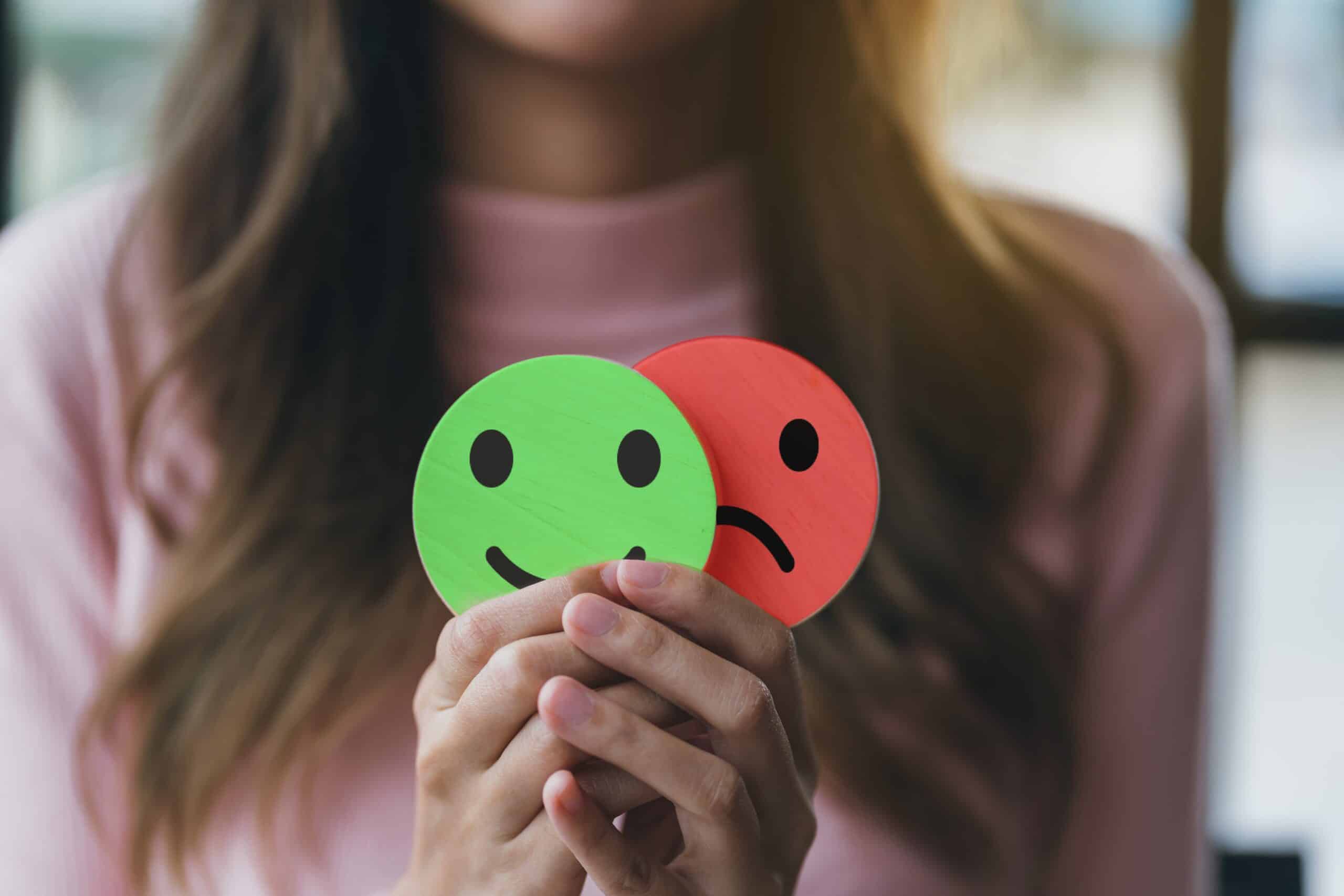
is addiction hereditary?

Is Addiction Hereditary?

Whether addiction is hereditary has been a commonly asked question over the years. There’s been studies on the subject, there’s been statistics released, and still the question remains. Is addiction hereditary? The short answer is yes, addiction has been linked to genetics. It wasn’t until the beginning of the 20th century that addiction was even recognized as a disease. Now, the thought process surrounding addiction is still ever changing. Understanding the link between genetics and addiction is vital for those who have suffered with substance abuse and for those who have loved ones who have.

Understanding Drug and Alcohol Addiction

Addiction is a monster that can be difficult to beat. In many cases, people turn to drugs and alcohol to cope with situational feelings, and end up not being able to stop drinking and drugging. This is because the brain and body become dependent on the substances. When this happens, it can be hard to break that cycle. Oftentimes people need to seek professional help in order to end drug addiction and alcohol addiction. Other times, they continue to use drugs and alcohol and end up with some severe physical and emotional consequences. No matter the situation, drug and alcohol addiction is a disease and the question can be asked, is addiction hereditary?

Is Addiction Hereditary?

According to the Cleveland Clinic, there is a link between genes and DNA and your susceptibility to drug and alcohol addiction. They say that about half of it can be hereditary. While there is a link to genetics, addiction is more complicated than that. Just because there is a genetic predisposition to developing a substance abuse problem, does not mean it is a definite thing that’s going to happen in your life. It just means that you are more prone to developing a substance abuse problem. On the flip side, just because you do not have a predisposition does not mean you won’t. Addiction does not discriminate, and anyone can be affected.

To see how addiction can be viewed as hereditary, there are studies that show differences in 12 nofollow noopener noreferrer3>dopamine in the brain. Higher levels of dopamine can cause poor impulse control, and lower inhibitions toward substance use. Dopamine is viewed as the reward center in the brain, responsible for feeling pleasure. So, when it gets affected by drug and alcohol use, it can make it easier to continue to turn to drugs and alcohol for a sense of pleasure.

Other Factors Contributing to Addiction

Even though it is said that addiction is hereditary, there are other factors that can be attributed to addiction. As previously stated, anyone can be affected by addiction. It is a disease of the mind and the body. There is a physical dependence, and a mental craving associated with drug and alcohol addiction. Knowing other factors, other than addiction being hereditary can help to avoid or identify substance abuse problems.

Trauma

Trauma can be a main factor for substance abuse problems. Traumatic events happening in life, whether in early childhood, adolescence or adulthood, can harm a person psychologically. It can cause flashbacks and anxiety so severe that, seemingly, the only way to feel any relief is to self medicate with drugs and alcohol. This can lead to dangerous consequences. Being that studies show addiction is hereditary, those with a predisposition to substance abuse have a higher risk of turning to drugs and alcohol to cope with traumas.

Environment

The link between drug and alcohol abuse and environment can easily be seen. Oftentimes, children who grow up in homes where there is substance abuse, physical or emotional abuse, or neglect are often seen to begin using drugs and alcohol as a way of coping with their feelings surrounding their upbringing. Whether addiction is hereditary or not can also play a role in the environment affecting someone’s use of drugs and alcohol to cope.

How You Can Help

Regardless of the situation, there is help. Drugs and alcohol can drastically change a person’s behavior and personality. If you have suffered from addiction, the best thing you can do is be open with your family about it. It can help them to be more aware of their possible predisposition to drug and alcohol abuse. If cancer or diabetes ran in your family, you would do everything you can to warn the others in your family of the risks of developing these diseases, right? Think of it that way. Warning them could help to keep them healthy.

Finding Help for Addiction in Lexington, KY

Drug and alcohol addiction is a beast and affects all aspects of the addict or alcoholic’s life. It can take the most functional person and turn them into a monster. If you or a loved one are struggling with drugs or alcohol, there is help for you out there. We at Lexington Addiction Center can help guide you through the early stages of getting clean and sober, and help you to learn to live a life free from drug and alcohol addiction. Contact us today and let our team help you begin this process.


FAQ: Is Addiction Hereditary?

  • Is addiction truly hereditary, and what does that mean?

    Addiction can run in families, but it isn’t hereditary in the simple way that eye color or blood type is passed down. Instead, scientists refer to genetic predisposition — meaning that certain individuals inherit variations in their genes that make them more vulnerable to developing a substance use disorder. These genetic influences affect how the brain responds to substances, reward, stress, and impulse control. Having a family history of addiction doesn’t guarantee someone will develop addiction themselves, but it raises the likelihood, especially when combined with environmental and psychological factors. Think of genetics as one piece of a larger puzzle: genes may make someone more sensitive to the rewarding effects of a drug or less able to regulate stress, but whether those vulnerabilities translate into addiction also depends on life experiences, peer influence, trauma, stress, access to substances, and coping skills. In this way, addiction is multifactorial — influenced by both inherited biology and one’s environment over time. Understanding the hereditary component helps families recognize patterns, support early intervention, and tailor prevention and treatment approaches rather than assuming addiction is a moral failing or purely environmental.

  • How strong is the genetic contribution to addiction risk?

    The genetic component of addiction is significant but not deterministic. Research suggests that genetics can account for roughly 40–60% of the risk for developing substance use disorders, depending on the substance and individual differences. That means genetics is a major factor but not the whole story. For example, someone may inherit genes related to how their brain processes dopamine — the neurotransmitter involved in reward and pleasure — making them more sensitive to the reinforcing effects of alcohol or opioids. Others might inherit genes that influence impulse control, stress reactivity, or emotional regulation, which can affect how they cope with cravings or life challenges. Even with a high genetic risk, many people never develop addiction because they never encounter environmental stressors, never experiment with addictive substances, or have strong support and coping strategies. Conversely, someone with low genetic risk can still develop addiction if they experience intense stress, trauma, or prolonged substance exposure. Because genetic risk overlaps with environmental and social influences, understanding the strength of genetic contribution helps clinicians and families view addiction through a biopsychosocial lens rather than blaming a single cause.

  • If addiction runs in my family, does that mean I will become addicted?

    Having addiction in your family — whether that means a parent, sibling, or extended relative — increases your vulnerability, but it does not predetermine your future. Many people with family histories of addiction never develop a substance use disorder, while others with no apparent family history do. The difference lies in how inherited risk interacts with life experiences and choices. For example, if you grow up in a supportive environment with healthy coping skills, strong relationships, and positive stress management strategies, these protective factors can counterbalance genetic vulnerability. On the other hand, exposure to trauma, chronic stress, or easy access to substances without guidance on moderation increases risk. Genetics may shape how your brain responds to substances, but environment, decisions, peer influence, emotional health, and access to early education or intervention all play powerful roles. Understanding your family history can be useful because it alerts you to potential risk and allows you to take proactive steps — such as learning healthier coping skills, seeking support early, and avoiding high-risk situations — without assuming addiction is inevitable.

  • How do genes influence the brain in a way that increases addiction risk?

    Genes influence addiction risk by shaping how the brain’s reward system, stress response, and impulse control networks function. Many addictive substances — including alcohol, opioids, nicotine, and stimulants — trigger the release of dopamine, a neurotransmitter linked to pleasure and reinforcement. Genetic variations can make some people’s brains more sensitive to this dopamine surge, meaning they feel stronger reward or craving effects from a given substance. Other gene variants affect how quickly the body metabolizes a drug, which influences how long the substance stays active and how intensely the brain remembers its effects. Genes also influence the brain regions responsible for impulse control and decision-making, such as the prefrontal cortex; individuals with certain genetic profiles may struggle more with resisting cravings or weighing long-term consequences early in life. Stress-related genes can make some people more reactive to emotional triggers, increasing the appeal of substances as a coping mechanism. These genetic influences don’t act in isolation — they interact with environment, stress, trauma, and learned behavior — but they biologically shape how the brain responds to substances, reward, and emotional challenge, which is a key reason why addiction risk is partly hereditary.

  • What environmental factors interact with genetic risk for addiction?

    Environmental factors play a major role in how genetic risk translates into real-world outcomes. Childhood experiences, family dynamics, trauma, peer influences, and cultural norms all shape behavior patterns and stress responses that interact with inherited vulnerability. For example, growing up in a household where substance use is normalized or unaddressed increases the chances that a person will experiment with substances early, which elevates addiction risk. Exposure to chronic stress — such as financial instability, abuse, neglect, or untreated mental health issues — can push someone toward substances as a coping strategy. Social environments that encourage risky behavior, lack of access to healthy activities, and peer pressure also increase opportunity for misuse. Even protective factors like strong family support, healthy communication, stable routines, and early education about drugs can counterbalance genetic risk. Because environment influences not only behavior but also brain development — especially in childhood and adolescence — it works alongside genetic risk to determine how likely someone is to develop patterns of misuse. Recognizing how environment interacts with heredity encourages a holistic approach to prevention and recovery rather than assuming any single factor is the cause.

  • Are some substances more influenced by heredity than others?

    Research indicates that genetic influence varies across substances, meaning some forms of addiction show stronger hereditary patterns than others. Alcohol use disorder, for example, has been consistently shown in twin and family studies to have a substantial genetic component, partly because alcohol affects multiple neurotransmitter systems and stress pathways that are influenced by inherited biology. Opioid addiction also shows strong genetic links related to dopamine pathways and how the body metabolizes opioid drugs. Nicotine dependence has a significant hereditary component as well, which is why some individuals become dependent on tobacco quickly while others don’t. Stimulants like methamphetamine and cocaine also involve genetic influences, especially when it comes to how reward pathways and stress responses are regulated. However, genetic influence is never the sole factor — even for substances with strong hereditary links, environmental exposure and personal experience are necessary for addiction to develop. Genetic influence often reflects vulnerability rather than destiny: having risk genes means someone may respond more intensely to a drug’s effects or find it harder to stop, but without substance exposure and environmental pressures, those genes may never translate into addiction. Understanding this nuance helps reduce stigma and promotes more personalized prevention and care plans.

  • Can understanding genetic risk be helpful in preventing addiction?

    Yes — understanding genetic risk can be an important tool in prevention, early intervention, and tailored support. When individuals and families are aware that certain traits run in their family — such as heightened responses to reward, difficulty with impulse control, or emotional sensitivity — they can take proactive steps to strengthen protective factors early in life. This might include teaching healthier coping skills, building strong social support networks, engaging in stress-reducing practices, and delaying or avoiding exposure to substances altogether. In clinical settings, genetic information can sometimes help clinicians identify which treatments are more likely to work for an individual or which medications might be better tolerated. For example, someone with a family history of alcohol use disorder might benefit from early education, regular screening, and emotional support to navigate stress without turning to substances. Schools, pediatricians, and mental health providers can use family history as one marker among many to support resilience and skill building in youth. Ultimately, understanding genetic risk empowers individuals with insight into vulnerability, which they can use to shape healthier lifestyles rather than feeling resigned to a predetermined outcome.

  • If addiction is hereditary, what does that mean for recovery?

    Even if addiction has a hereditary component, it does not mean recovery is impossible or predetermined. Genetic influence affects vulnerability — not inevitability — and recovery outcomes are shaped by treatment, support, environment, and personal effort as much as biology. People with a genetic predisposition may need more comprehensive support, longer treatment plans, or different therapeutic approaches, but many individuals with family histories of addiction achieve long-term recovery. Understanding hereditary risk can help individuals recognize patterns early, access support proactively, and tailor recovery plans to their needs. For example, someone at higher genetic risk might benefit from ongoing therapy, participation in support groups, medication-assisted treatment when appropriate, or lifestyle routines that reduce stress and prevent relapse. Recovery is a dynamic process that involves learning coping skills, building resilience, strengthening relationships, and creating stable environments that support healthy choices. Genetic vulnerability might mean certain patterns are harder to break, but it also means that informed, consistent care — combined with awareness of triggers and supports — can lead to successful and sustained recovery. In this sense, genetics informs the journey without dictating the destination.


Blog Content Disclaimer – Educational & Informational Use

The content published on Lexington Addiction Center blog pages is intended for general educational and informational purposes related to addiction, substance use disorders, detoxification, rehabilitation, mental health, and recovery support. Blog articles are designed to help readers better understand addiction-related topics and explore treatment concepts, but they are not a substitute for professional medical advice, diagnosis, or individualized treatment planning.

Addiction and co-occurring mental health conditions are complex medical issues that affect individuals differently based on many factors, including substance type, length of use, physical health, mental health history, medications, age, and social environment. Because of this variability, information discussed in blog articles—such as withdrawal symptoms, detox timelines, treatment approaches, medications, relapse risks, or recovery strategies—may not apply to every individual. Reading blog content should not replace consultation with licensed medical or behavioral health professionals.

If you or someone you know is experiencing a medical or mental health emergency, call 911 immediately or go to the nearest emergency room. Emergencies may include suspected overdose, seizures, difficulty breathing, chest pain, severe confusion, hallucinations with unsafe behavior, loss of consciousness, suicidal thoughts, or threats of harm to oneself or others. Lexington Addiction Center blog content is not intended for crisis intervention and should never be used in place of emergency care.

Detoxification from drugs or alcohol can involve serious medical risks, particularly with substances such as alcohol, benzodiazepines, opioids, and certain prescription medications. Withdrawal symptoms can escalate quickly and may become life-threatening without proper medical supervision. Any blog content describing detox, withdrawal, or substance cessation is provided to raise awareness and encourage safer decision-making—not to instruct readers to detox on their own. Attempting self-detox without medical oversight can be dangerous and is strongly discouraged.

Blog articles may discuss various addiction treatment options, including medical detox, residential or inpatient rehab, outpatient programs, therapy modalities, medication-assisted treatment, aftercare planning, and recovery support services. These discussions reflect commonly used, evidence-informed approaches but do not represent guarantees of effectiveness or suitability for every person. Treatment recommendations should always be based on a comprehensive assessment conducted by licensed professionals.

Information related to insurance coverage, treatment costs, or payment options that appears within blog content is provided for general informational purposes only. Insurance benefits vary widely depending on the individual’s plan, carrier, state regulations, and medical necessity criteria. Coverage details may change without notice, and no insurance-related statements on blog pages should be interpreted as a promise of coverage or payment. Lexington Addiction Center encourages readers to contact our admissions team directly to verify insurance benefits and eligibility before making treatment decisions.

Some blog posts may reference third-party studies, external organizations, medications, community resources, or harm-reduction concepts. These references are provided for educational context only and do not constitute endorsements. Lexington Addiction Center does not control third-party content and is not responsible for the accuracy, availability, or practices of external websites or organizations.

Blog content may also include general advice for families or loved ones supporting someone with addiction. While these discussions aim to be supportive and informative, every situation is unique. If there is an immediate safety concern—such as violence, overdose risk, child endangerment, or medical instability—emergency services or qualified professionals should be contacted right away rather than relying on online information.

Use of Lexington Addiction Center blog pages does not establish a provider–patient relationship. Submitting comments, contacting the center through a blog page, or reading articles does not guarantee admission to treatment or access to services. Recovery outcomes vary, and no specific results are promised or implied.

If you are struggling with substance use, withdrawal symptoms, or questions about treatment, we encourage you to seek guidance from licensed healthcare providers. For personalized information about treatment options or insurance verification, you may contact Lexington Addiction Center directly. For emergencies, call 911 immediately.

  • Call or message us

    You’ll connect with a compassionate admissions coordinator who understands what you’re going through.
  • Free assessment

    We’ll ask about your drug use, medical history, and mental health to help build the right plan.
  • Insurance check

    We’ll verify your benefits and explain exactly what’s covered—no surprises.
  • Choose a start date

    If you’re ready, we can often schedule your intake the same week.

Verify Your Insurance

  • → Contributors

    Portrait of Dr. Vahid Osman, Board-Certified Psychiatrist and Addictionologist
    Medically Reviewed By
    Dr. Vahid Osman, M.D.
    Board-Certified Psychiatrist & Addictionologist
    Dr. Vahid Osman is a Board-Certified Psychiatrist and Addictionologist with extensive experience treating mental illness, chemical dependency, and developmental disorders. Dr. Osman trained in Psychiatry in France and in Austin, Texas. Read more.

    Portrait of Josh Sprung, L.C.S.W.
    Clinically Reviewed By
    Josh Sprung, L.C.S.W.
    Board-Certified Clinical Social Worker
    Joshua Sprung serves as a Clinical Reviewer at Lexington Addiction Center, bringing a wealth of expertise to ensure exceptional patient care. Read more.
  • → Accreditations & Licenses

    The Joint Commission
    Awarded The Gold Seal of Approval® for meeting rigorous performance standards in safety, quality, and patient care.

    LegitScript Certified
    Validates compliance with laws and regulations, confirming transparency and accountability in addiction treatment marketing.

    BBB Accredited
    Demonstrates ethical business practices, client satisfaction commitment, and a trusted reputation in the community.

    Psychology Today Verified
    Verified listing on Psychology Today, a trusted directory for addiction treatment providers and behavioral health centers.
    HIPAA Compliant
    Ensures all patient health information is protected and managed under strict federal privacy and security standards.

    NAATP Member
    Lexington Addiction Center is a proud member of the National Association of Addiction Treatment Providers (NAATP).

    5-Star Google Reviews
    Recognized for consistent 5-star ratings, reflecting excellent care and trusted patient experiences at Lexington Addiction Center.
    Help.org Recognition
    Recognized by Help.org for quality addiction treatment services and community impact.
  • → Meet Our Team

    At Lexington Addiction Center, we believe that recovery is a journey, not a destination. That’s why we offer a comprehensive continuum of care, delivered by a team of experienced and compassionate professionals. Our team is made up of licensed therapists, counselors, nurses, and other professionals who are passionate about helping people achieve lasting sobriety. Whether you are just starting your recovery journey or you are a seasoned veteran, we are here to support you every step of the way. We believe in you, and we are committed to helping you achieve your recovery goals.

    Read more

  • → Tour Our Rehab Center

    Explore Lexington Addiction Center’s drug & alcohol detox rehab treatment center in Lexington, KY and step into private therapy offices, spacious group rooms, and tranquil lounges where thoughtful design supports every stage of substance-use recovery.

    Read more

Addiction Treatment Services

Mental Health Services

Treatment Programs

Yes, Your Insurance Covers Detox and Rehab Treatment

Complete a free, confidential Verification of Benefits to learn more about what resources may be available to you.

Contact Us Today
Lexington Addiction Center - logo

Addiction and co-occurring disorders don’t have to control your life. Lexington Addiction Center is waiting with open arms to give you the tools necessary for lasting change. Reach out to us today to learn more.

859-681-7823

Continue reading

childhood trauma and adult addiction

Can Childhood Trauma Lead to Addiction in Adulthood?

There is continuing research being done on addiction. Research topics like genetics are often heard of. But what about the correlation between childhood trauma and addiction? Is there a link there? Childhood is the formative years for your sense of right and wrong, what your perception of love is, and your general reaction to situations. Having trauma occur during these years can alter the way the brain forms and functions, and this can lead to detrimental repercussions in later years, long after the trauma has occurred.

What is Childhood Trauma?

Childhood trauma is when an event occurs in childhood that can be emotionally painful to the child. The events that occur often have long lasting effects on the physical and mental well-being of the child in the long run. Having traumatic events occur during the formative years, whether a single event or repeated, can cause a child to feel they have lost all sense of control and safety. These feelings can interrupt the development of the child.

How Childhood Trauma Affects the Brain

While biology and genetics are a vital part of brain development, the brain has what is known as 12 nofollow noopener noreferrer3>neuroplasticity and this means that it can change and adapt to any given situation. So when any sort of traumatic event occurs, it can lead to the brain’s make-up changing. Trauma during the early years of life, while the brain is beginning its formation, can alter the formation of the brain. This can lead to difficulty in behavioral and emotional reactions. These changes can carry on into adulthood.

Does Childhood Trauma Affect Addiction in Adulthood?

Many people who struggle with an alcohol addiction or drug addiction have experienced some kind of trauma. A lot of those traumas were experienced in childhood. Having tragic and harmful things happen during childhood and feeling that sense of losing control can cause someone to turn to drugs and alcohol as a way to feel like they have gained some semblance of control. This is a false narrative, as drinking and drugging can lead to addiction and once addiction has been reached, the sense of control has been lost.

Using drugs and alcohol to cope with the feelings associated with childhood traumas is unhealthy. The link between childhood trauma and addiction can be seen by the number of addicts seeking recovery who say that the things that happened during childhood, like molestation, abuse, and neglect, led them to feeling a sense of unworthiness and not feelings wanted or loved. These feelings trigger a need for individuals to, somehow, gain those feelings. Whether it be codependence or substance dependence as a way to feel like they don’t feel that way.

The number of addicts looking to get clean and sober who cite childhood trauma as the reason for them using drugs and alcohol is staggering. It is vital to sort out and learn ways of coping with these unresolved traumas in order to curb addiction and prevent relapse once the drugs and alcohol have been removed.

Can Addiction Be Treated?

The short answer is yes. Childhood trauma and addiction are both treatable conditions. When it comes to ending the addiction, it is highly recommended to have medical supervision for various reasons. One being that there can be side effects, medically, of the drug being stopped. These are known as withdrawal symptoms. Everyone experiences withdrawals differently, and no one symptom is associated with any specific drug. There are some pretty generalized symptoms of withdrawal that can be seen across those experiencing withdrawal. Not all are necessarily seen in everyone, however most of these symptoms are associated with those ending drug and alcohol abuse:

  • Increased blood pressure
  • Muscle cramps and aches
  • Restlessness
  • Headache
  • Confusion
  • Nausea
  • Diarrhea
  • Vomiting
  • Insomnia
  • Seizures
  • Dehydration
  • Increase or decrease in appetite

Having medical supervision during this time can be beneficial to preventing medical events that have long lasting repercussions. Being medically monitored by professionals can allow for these blood pressure spikes to be handled. It can also help to maintain someone’s comfort during detox, medications can be dispensed to help counteract some of these extremely uncomfortable withdrawal symptoms and allow for someone to get through the detox process, and begin their journey of recovery.

Additionally, having the addiction professionals available in an inpatient setting for therapeutic purposes can help to begin the process of healing from childhood traumas and addiction traumas. Being able to turn to someone trained to help process feelings and emotions, as well as traumas can help keep someone from acting on impulse and giving up on finding recovery. There is help for both childhood trauma and addiction that may have stemmed from it.

Help for Childhood Trauma and Addiction in Lexington, KY

Trauma that stems from childhood can be extremely detrimental in the later, adulthood years. Resolving them can lead you to a healthy lifestyle. If you or a loved one are struggling with addiction, or have experienced childhood trauma, there is help out there. Here at Lexington Addiction Center there is hope. Contact us today and our team of professionals can help to guide you to a place of peace and serenity.


FAQ: Childhood Trauma and Adult Addiction

  • How does childhood trauma contribute to addiction later in life?

    Childhood trauma — such as abuse, neglect, loss of a caregiver, or exposure to violence — can have long-lasting impacts on emotional regulation, stress response, and brain development. During critical developmental periods, repeated trauma alters how the nervous system responds to stress and danger, often making a person more vulnerable to anxiety, depression, and difficulty managing intense emotions. People with unresolved trauma may develop coping mechanisms that help them survive overwhelming experiences early in life, but those same mechanisms can become unhealthy over time. When someone reaches adolescence or adulthood and is faced with stress, emotional pain, or challenging relationships, they may turn to substances because drugs or alcohol temporarily numb emotional discomfort, reduce anxiety, or blunt painful memories. Over time, this coping strategy can evolve into a pattern of misuse and dependence. Trauma doesn’t automatically cause addiction, but it significantly increases the risk because it shapes emotional responses and behavioral habits that may make substance use feel like the only viable way to manage distress. Understanding this connection highlights why trauma-informed care is essential in effective addiction treatment and recovery planning.

  • Why do people who experienced trauma as children tend to use substances to cope?

    People who experienced trauma in childhood often have learned adaptive strategies that were necessary for survival in unstable environments but may no longer serve healing in adulthood. For example, dissociation — mentally disconnecting from emotional pain — might have helped a child endure frightening experiences, but later in life, the nervous system may still seek ways to suppress uncomfortable feelings. Substances like alcohol, opioids, or stimulants can suppress emotional intensity, create temporary calmness, or distract from intrusive memories. This coping style becomes reinforced because the relief can feel immediate, especially when someone lacks access to safe emotional processing or support. Over time, however, the relief is temporary, and individuals may find themselves needing more of the substance to achieve the same effect, which increases the risk of tolerance and dependence. Many people also struggle to articulate or even recognize the connection between emotional distress and substance use, which complicates their ability to seek healthier support. In essence, using substances to cope becomes a substitute for emotional regulation skills that were never fully developed due to unresolved trauma. Addressing these emotional roots in a safe therapeutic environment can help break the cycle of trauma-driven substance use.

  • What kinds of childhood trauma are most commonly linked to adult addiction?

    Various forms of childhood trauma are linked to an increased risk of adult addiction, and they don’t all look the same. Physical abuse, emotional abuse, sexual abuse, and neglect are among the most frequently studied, as these experiences directly affect a child’s sense of safety and self-worth. Witnessing domestic violence or living in a chaotic home environment where caregivers were absent or inconsistent can also create deep emotional wounds. Other traumas — such as loss of a parent, community violence, bullying, or repeated relocation — may disrupt a child’s ability to form secure attachments and healthy self-regulation. Many people who struggle with addiction report that they never had consistent emotional support growing up, which can create a chronic sense of vulnerability and stress. Trauma isn’t limited to dramatic or extreme events; prolonged exposure to instability, fear, or emotional invalidation also shapes how a person learns to cope. These early relational disruptions often influence how emotions are managed, how trust is formed, and how stress is tolerated — all of which can contribute to reliance on substances later in life.

  • Can adult addiction exist without childhood trauma?

    Yes — adult addiction can occur without identifiable childhood trauma, and there are many pathways that lead to addiction. While childhood trauma is a significant risk factor for later substance misuse, other influences can contribute as well, such as genetic predisposition, environmental factors, peer influences, chronic stress, mental health disorders, and life-stage transitions like loss, social isolation, or occupational stress. Many individuals develop addiction after acute exposure to substances, extended medical use of pain medication, or under intense social pressures. Even without direct trauma, emotional challenges, co-occurring mental health conditions, or maladaptive coping patterns can make someone vulnerable to substance misuse and addiction. It’s also important to recognize that trauma is not always obvious or consciously remembered; some people may have experienced subtle emotional wounds or disruptions that were never labeled as trauma. Recovery planning looks at the whole person — not just their past experiences — and addresses current patterns of behavior, emotional needs, and environmental triggers regardless of whether childhood trauma is present.

  • How does trauma affect emotional regulation and stress response in adulthood?

    Trauma — particularly in early childhood — imprints the nervous system in ways that can alter how emotions and stress are processed throughout life. The brain’s stress response system can become hypersensitive, meaning everyday stressors may trigger exaggerated emotional reactions, anxiety, or fear responses similar to what was experienced during traumatic events. People with unresolved trauma may have difficulty calming themselves down, regulating anger, or soothing emotional pain without external support. This can lead to patterns such as avoidance, hypervigilance, emotional numbness, or intense mood swings. These responses are not signs of weakness, but the nervous system’s adaptations to early environments where unpredictability or danger was present. Without tools to regulate emotions internally, individuals may seek outside substances or behaviors that temporarily soften distress, leaving them vulnerable to patterns of addiction. Emotional regulation skills — such as mindfulness, grounding techniques, cognitive reframing, and interpersonal effectiveness — are often not fully developed in individuals with trauma histories, which is why trauma-informed therapy can be instrumental in building these skills and reducing reliance on substances for emotional relief.

  • What are some signs that someone’s addiction may be connected to unresolved trauma?

    Signs that addiction may be connected to unresolved trauma often go beyond physical dependence and include emotional, behavioral, and interpersonal patterns. People may notice they use substances specifically when faced with emotional triggers such as stress, rejection, conflict, or reminders of past painful experiences. They might describe feeling “numb,” disconnected, or unable to fully process emotions without turning to substances. Patterns like self-sabotage, intense fear of abandonment, chronic anxiety, or difficulty maintaining stable relationships can also indicate underlying trauma. Additionally, individuals may report a sense of “walking on eggshells” around emotions or struggle with periods of dissociation, depression, or unexplained anger. Some people cycle through intense cravings for the substance when they are reminded of emotionally charged contexts, which suggests the addiction is functioning as a maladaptive coping mechanism. Frequent relapse during attempts to quit can also signal that deeper emotional needs are unaddressed, making recovery from addiction alone insufficient. These indicators often show that substance misuse is doing more than relieving physical cravings — it’s temporarily filling emotional gaps that were never fully healed.

  • How is trauma-informed care different from other addiction treatments?

    Trauma-informed care is specifically designed to acknowledge, understand, and address the impact of trauma on an individual’s life and substance use patterns, whereas some traditional addiction treatments focus mainly on substance cessation and behavior change alone. Trauma-informed approaches prioritize emotional safety, respect, and empowerment, creating an environment where the individual feels understood rather than judged. This model recognizes that many people with addiction have underlying trauma histories that contribute to emotional triggers, coping patterns, and self-image issues. Treatment integrates strategies for processing traumatic memories, developing emotional regulation skills, and building safe, supportive relationships. Techniques may include evidence-based therapies such as cognitive behavioral therapy (CBT), eye movement desensitization and reprocessing (EMDR), somatic experiencing, and dialectical behavior therapy (DBT). These modalities help people process trauma at both psychological and physiological levels. Trauma-informed care also focuses on gradual pacing, consent, and empowerment — giving control back to individuals who may have felt powerless in the face of past experiences. By addressing trauma and addiction together, this approach reduces the likelihood of relapse that stems from unresolved emotional pain and builds deeper, long-term resilience.

  • What steps can someone take if they think their addiction is linked to childhood trauma?

    If someone suspects that their addiction is connected to unresolved childhood trauma, the first step is to seek professional evaluation from a trauma-informed clinician who understands the complex interaction between trauma, emotional regulation, and substance misuse. A qualified therapist can help unpack past experiences in a safe, structured way and assess how those experiences influence current behaviors and coping strategies. Participating in therapy that integrates trauma processing with addiction recovery — such as trauma-focused CBT or EMDR — helps people process painful memories in a way that reduces the emotional intensity attached to them. Building a support network, including peer support groups, community resources, and healthy relationships, is also essential because healing from trauma requires emotional connection and accountability. Engaging in mindfulness, grounding practices, and stress management techniques can bolster emotional regulation skills that were underdeveloped due to early trauma. It’s also important to be patient with the healing process; trauma and addiction are deep-rooted, and lasting change often requires time, consistency, and compassionate care. Seeking integrated treatment that respects both emotional history and recovery goals increases the likelihood of long-term healing and reintegration into a balanced, fulfilling life.


Blog Content Disclaimer – Educational & Informational Use

The content published on Lexington Addiction Center blog pages is intended for general educational and informational purposes related to addiction, substance use disorders, detoxification, rehabilitation, mental health, and recovery support. Blog articles are designed to help readers better understand addiction-related topics and explore treatment concepts, but they are not a substitute for professional medical advice, diagnosis, or individualized treatment planning.

Addiction and co-occurring mental health conditions are complex medical issues that affect individuals differently based on many factors, including substance type, length of use, physical health, mental health history, medications, age, and social environment. Because of this variability, information discussed in blog articles—such as withdrawal symptoms, detox timelines, treatment approaches, medications, relapse risks, or recovery strategies—may not apply to every individual. Reading blog content should not replace consultation with licensed medical or behavioral health professionals.

If you or someone you know is experiencing a medical or mental health emergency, call 911 immediately or go to the nearest emergency room. Emergencies may include suspected overdose, seizures, difficulty breathing, chest pain, severe confusion, hallucinations with unsafe behavior, loss of consciousness, suicidal thoughts, or threats of harm to oneself or others. Lexington Addiction Center blog content is not intended for crisis intervention and should never be used in place of emergency care.

Detoxification from drugs or alcohol can involve serious medical risks, particularly with substances such as alcohol, benzodiazepines, opioids, and certain prescription medications. Withdrawal symptoms can escalate quickly and may become life-threatening without proper medical supervision. Any blog content describing detox, withdrawal, or substance cessation is provided to raise awareness and encourage safer decision-making—not to instruct readers to detox on their own. Attempting self-detox without medical oversight can be dangerous and is strongly discouraged.

Blog articles may discuss various addiction treatment options, including medical detox, residential or inpatient rehab, outpatient programs, therapy modalities, medication-assisted treatment, aftercare planning, and recovery support services. These discussions reflect commonly used, evidence-informed approaches but do not represent guarantees of effectiveness or suitability for every person. Treatment recommendations should always be based on a comprehensive assessment conducted by licensed professionals.

Information related to insurance coverage, treatment costs, or payment options that appears within blog content is provided for general informational purposes only. Insurance benefits vary widely depending on the individual’s plan, carrier, state regulations, and medical necessity criteria. Coverage details may change without notice, and no insurance-related statements on blog pages should be interpreted as a promise of coverage or payment. Lexington Addiction Center encourages readers to contact our admissions team directly to verify insurance benefits and eligibility before making treatment decisions.

Some blog posts may reference third-party studies, external organizations, medications, community resources, or harm-reduction concepts. These references are provided for educational context only and do not constitute endorsements. Lexington Addiction Center does not control third-party content and is not responsible for the accuracy, availability, or practices of external websites or organizations.

Blog content may also include general advice for families or loved ones supporting someone with addiction. While these discussions aim to be supportive and informative, every situation is unique. If there is an immediate safety concern—such as violence, overdose risk, child endangerment, or medical instability—emergency services or qualified professionals should be contacted right away rather than relying on online information.

Use of Lexington Addiction Center blog pages does not establish a provider–patient relationship. Submitting comments, contacting the center through a blog page, or reading articles does not guarantee admission to treatment or access to services. Recovery outcomes vary, and no specific results are promised or implied.

If you are struggling with substance use, withdrawal symptoms, or questions about treatment, we encourage you to seek guidance from licensed healthcare providers. For personalized information about treatment options or insurance verification, you may contact Lexington Addiction Center directly. For emergencies, call 911 immediately.

  • Call or message us

    You’ll connect with a compassionate admissions coordinator who understands what you’re going through.
  • Free assessment

    We’ll ask about your drug use, medical history, and mental health to help build the right plan.
  • Insurance check

    We’ll verify your benefits and explain exactly what’s covered—no surprises.
  • Choose a start date

    If you’re ready, we can often schedule your intake the same week.

Verify Your Insurance

  • → Contributors

    Portrait of Dr. Vahid Osman, Board-Certified Psychiatrist and Addictionologist
    Medically Reviewed By
    Dr. Vahid Osman, M.D.
    Board-Certified Psychiatrist & Addictionologist
    Dr. Vahid Osman is a Board-Certified Psychiatrist and Addictionologist with extensive experience treating mental illness, chemical dependency, and developmental disorders. Dr. Osman trained in Psychiatry in France and in Austin, Texas. Read more.
    Portrait of Josh Sprung, L.C.S.W.
    Clinically Reviewed By
    Josh Sprung, L.C.S.W.
    Board-Certified Clinical Social Worker
    Joshua Sprung serves as a Clinical Reviewer at Lexington Addiction Center, bringing a wealth of expertise to ensure exceptional patient care. Read more.
  • → Accreditations & Licenses

    The Joint Commission
    Awarded The Gold Seal of Approval® for meeting rigorous performance standards in safety, quality, and patient care.
    LegitScript Certified
    Validates compliance with laws and regulations, confirming transparency and accountability in addiction treatment marketing.
    BBB Accredited
    Demonstrates ethical business practices, client satisfaction commitment, and a trusted reputation in the community.
    Psychology Today Verified
    Verified listing on Psychology Today, a trusted directory for addiction treatment providers and behavioral health centers.
    HIPAA Compliant
    Ensures all patient health information is protected and managed under strict federal privacy and security standards.
    NAATP Member
    Lexington Addiction Center is a proud member of the National Association of Addiction Treatment Providers (NAATP).
    5-Star Google Reviews
    Recognized for consistent 5-star ratings, reflecting excellent care and trusted patient experiences at Lexington Addiction Center.
    Help.org Recognition
    Recognized by Help.org for quality addiction treatment services and community impact.
  • → Meet Our Team

    At Lexington Addiction Center, we believe that recovery is a journey, not a destination. That’s why we offer a comprehensive continuum of care, delivered by a team of experienced and compassionate professionals. Our team is made up of licensed therapists, counselors, nurses, and other professionals who are passionate about helping people achieve lasting sobriety. Whether you are just starting your recovery journey or you are a seasoned veteran, we are here to support you every step of the way. We believe in you, and we are committed to helping you achieve your recovery goals.

    Read more

  • → Tour Our Rehab Center

    Explore Lexington Addiction Center’s drug & alcohol detox rehab treatment center in Lexington, KY and step into private therapy offices, spacious group rooms, and tranquil lounges where thoughtful design supports every stage of substance-use recovery.

    Read more

Addiction Treatment Services

Mental Health Services

Treatment Programs

Yes, Your Insurance Covers Detox and Rehab Treatment

Complete a free, confidential Verification of Benefits to learn more about what resources may be available to you.

Contact Us Today

Lexington Addiction Center - logo

Addiction and co-occurring disorders don’t have to control your life. Lexington Addiction Center is waiting with open arms to give you the tools necessary for lasting change. Reach out to us today to learn more.

859-681-7823

Continue reading

co-occurring disorders

What Are Co-Occurring Disorders?

What are co-occurring disorders? We know there are substance use disorders, and there are mental health disorders. But what about when someone suffers with both mental health and substance abuse? That is what co-occurring disorders are. These disorders affect countless people across the world, and affect both men and women. But what exactly does it mean to suffer from co-occurring disorders? What is the treatment? How does one “fix” it? Here we will give answers to some of the more prevalent questions surrounding this type of disorder.

What are Co-Occurring Disorders?

As previously stated, when there are substance use and mental health disorders coexisting within one person, that is what 1 rel=”12″2co-occurring disorders refer to. This can mean one disorder and one substance being abused, or it can mean any variation of multiple mental health and substance abuse issues existing at once.

Those who struggle with mental health tend to turn to drugs and alcohol more often than others in order to manage the symptoms of their mental health conditions. Conditions associated with co-occurring disorders often include:

  • Anxiety
  • Depression
  • PTSD
  • ADHD (Attention Deficit Hyperactivity Disorder)
  • Bipolar
  • Schizophrenia

These are just a few of the mental health conditions often seen in conjunction with substance use disorders, and they can lead to the use of any combination of drugs and alcohol. Oftentimes, those who struggle with mental health turn to drugs and alcohol to help them to manage the symptoms they may be experiencing from the mental health concerns. This is not the best solution, however, to the addict or alcoholic, it may seem like the fastest way to find relief.

Some Common Co-Occurring Disorders

What are co-occurring disorders that are commonly seen in addicts and alcoholics? Well, there is no definitive substance that is associated with specific mental health concerns. However, there are some more commonly seen substance and disorder combinations.

Depression

Those who suffer from depression are more likely to turn to drugs and alcohol as a way of self-medicating. Those who turn to alcohol are oftentimes attempting to “drown their sorrows” and trying to heighten their mood. Others use drugs to feel the “high” that they produce, rather than the lows of depression. This helps to relieve the negative thoughts and feelings they may be experiencing due to the depression. Using drugs and alcohol to self-medicate is what leads to addiction.

Anxiety Disorders

When it comes to using drugs and alcohol as a way of coping with anxiety, the feelings produced by drugs like benzodiazepines or opiates can help to ease the mind almost into a state of sedation. This leads the person to believe that they are “feeling better” when in reality, they are just masking the symptoms and creating an addiction. The same rings true with alcohol, the calming effects can seem as though they are a cure to what the person is feeling when it only causes more harm.

Post Traumatic Stress Disorder (PTSD)

It is common among those who struggle with PTSD that drugs and alcohol are used to cope with the symptoms. It can make the person feel like they are OK, without the stress often seen with PTSD.

Dual Diagnosis

What is a co-occurring disorder compared to a dual diagnosis? Well, they are very similar. However, co-occurring disorders tend to refer to mental health conditions coexisting with substance use disorders while dual diagnosis refers to two or more completely separate diagnoses. As an example, a person can have different ailments caused by drug and alcohol addiction, this would be a dual diagnosis. For what a co-occuring disorder is, the drugs and alcohol would be used to self medicate the symptoms of whatever mental health concerns exist.

In simpler terms, what co-occurring disorders are is when the mental health treatment and addiction treatment happen together, in order to manage them.

How to Treat Co-Occurring Disorders

In recent years, it has become common practice to treat mental illness and substance use disorders together. This is due to the fact that they are intertwined and impact one another. When only the substance use or only the mental health is treated, it does not “cure” the other portion of these co-occurring disorders. The best way to address these coexisting conditions is for medical professionals to guide you through the process.

Dual Diagnosis Treatment in Lexington

If you or a loved one struggle with co-occurring disorders, there is help. Here at Lexington Addiction Center, we provide care that addresses all facets of addiction and mental health. Reach out to us today and let us help guide you to a healthier lifestyle.


FAQ: What Are Co-Occurring Disorders?

  • What are co-occurring disorders?

    Co-occurring disorders — sometimes called dual diagnosis — are when an individual experiences a substance use disorder and a mental health condition at the same time. Rather than occurring in isolation, the two conditions interact and influence each other. This means that untreated symptoms of the mental health condition can fuel substance use, and ongoing substance use can worsen emotional symptoms. These disorders overlap in a way that makes both more complicated to treat when only one condition is addressed.

    Co-occurring disorders can involve any combination of substance misuse and mental health challenges, such as anxiety, depression, bipolar disorder, post-traumatic stress, or other mood and personality issues. The key characteristic is that both conditions are active and influence the person’s functioning. For example, someone might use alcohol as a way to manage persistent anxiety, only to find that the alcohol makes their emotional symptoms more intense over time. Because the conditions reinforce one another, effective treatment requires addressing both at the same time rather than focusing on substance use alone or mental health alone. When care is integrated, individuals have a greater chance of long-term stability and improved quality of life.

  • How common are co-occurring disorders?

    Co-occurring disorders are more common than many people realize because mental health challenges and substance use share overlapping risk factors and can develop in response to similar kinds of stress or emotional pain. Many individuals who struggle with addiction also experience symptoms of depression, anxiety, trauma-related distress, or other mental health conditions at the same time. Conversely, people with primary mental health disorders may begin using substances in an attempt to cope with uncomfortable thoughts, overwhelming emotions, or difficult memories.

    The presence of both mood or anxiety symptoms and patterns of problematic substance use suggests that co-occurring disorders are not rare but instead represent a familiar clinical pattern. Because the symptoms of one condition can mask, mimic, or intensify the symptoms of the other, co-occurring disorders are not always recognized immediately without careful assessment. This is one reason clinicians place such emphasis on thorough evaluation — to ensure both conditions are understood, rather than diagnosing only the most obvious symptoms. When both conditions are identified and treated together, individuals typically see better treatment outcomes than when only one condition is addressed.

  • Why do co-occurring disorders develop?

    Co-occurring disorders can develop for several reasons, and often these conditions influence one another through both psychological and biological pathways. One common reason is that individuals with untreated or unmanaged mental health symptoms may turn to substances as a way to cope. For example, someone with persistent anxiety, intense stress responses, or panic may use alcohol or drugs to numb their emotional experience or calm their nervous system. Initially, substances may seem to offer relief, but over time the pattern of use can deepen into dependency or addiction.

    Biological factors also play a role. Some of the same brain systems involved in regulating mood, stress, and reward — such as dopamine and serotonin pathways — are also implicated in addiction processes. Genetic factors that increase vulnerability to mood disorders may also increase risk for addiction. Environmental stressors, trauma, neglect, or prolonged exposure to high levels of stress can contribute to both emotional distress and patterns of substance use as someone tries to regulate their internal experience.

    Because co-occurring disorders develop as interactive patterns rather than isolated concerns, treatment that addresses both the emotional root and the substance use is more effective than approaches that focus on only one side of the issue.

  • What symptoms might suggest someone has a co-occurring disorder?

    Symptoms of co-occurring disorders are most often recognized when signs of emotional distress occur alongside patterns of problematic substance use. For example, someone may feel persistent sadness, loss of interest in activities, and emotional numbness while simultaneously increasing their drinking or drug use to “feel normal.” Other common signs include anxiety, rapid mood swings, irritability, or panic that intensifies with substance use or withdrawal.

    Difficulties with daily functioning are another indicator. Someone may struggle to maintain responsibilities at work, school, or home because emotional symptoms and substance effects interfere with focus, motivation, and consistency. Sleep disruptions, appetite changes, and social withdrawal are also common when both conditions are present.

    Behaviors that suggest self-medication — such as using substances to manage stress, escape unpleasant feelings, or dull emotional pain — are strong clues that co-occurring disorders may be present. When emotional symptoms continue even during periods of sobriety, or substance use persists despite negative consequences, the interplay of both disorders should be explored by a qualified professional. Recognizing these signs early increases the likelihood that both conditions can be treated effectively in an integrated way.

  • How do co-occurring disorders affect addiction treatment?

    Co-occurring disorders make addiction treatment more complex because both the emotional and behavioral components of the individual’s experience must be addressed — not just the substance use alone. Traditional addiction treatment that focuses only on stopping substance use may help with detox and initial behavior change, but if underlying mental health symptoms remain untreated, emotional distress often drives relapse. In other words, the emotional triggers that fueled substance use in the first place remain active unless directly treated.

    Integrated treatment plans are essential because they allow clinicians to address both disorders simultaneously. This often involves combined therapy approaches that help individuals build emotional regulation skills and cognitive coping strategies while also working on relapse prevention and healthy behavior change. Medication management may also be part of treatment when appropriate for underlying mood or anxiety disorders. By treating both sides together, individuals are more likely to stay engaged in recovery and experience lasting improvements in quality of life.

    Without coordinated care, symptoms of depression, anxiety, trauma responses, or instability can continue to interfere with progress. Integrated treatment increases resilience and reduces the risk that untreated mental health challenges will push someone back into substance use as a coping strategy.

  • What kinds of treatments are used for co-occurring disorders?

    Treatment for co-occurring disorders often includes a blend of therapeutic approaches designed to support both mental health and addiction recovery. One widely used method is cognitive-behavioral therapy (CBT), which helps individuals identify and change unhelpful thought patterns that contribute to both emotional distress and substance use behaviors. CBT builds coping skills, reduces avoidance, and strengthens emotional regulation.

    Another common component is psychoeducation, where individuals learn how their conditions interact, how symptoms influence behavior, and what triggers both emotional responses and cravings. Understanding the mutual influence of disorders helps people make more informed, intentional choices in recovery.

    Medication may be recommended in some cases, especially when mood disorders, anxiety, or attentional issues are significant. A psychiatrist or medical provider can work with the individual to determine if medication support may reduce symptoms and help stabilize mood in a way that supports therapeutic progress.

    Group therapy, support networks, and relapse prevention planning are also key parts of treatment, especially when combined with individual therapy. The overarching theme is integration — treating both conditions in a coordinated way rather than separately — which leads to stronger outcomes and fewer setbacks.

  • How long does recovery take for someone with co-occurring disorders?

    The timeline for recovery from co-occurring disorders varies widely because each individual’s history, symptoms, and support systems are unique. Recovery is not a linear process with a set endpoint; rather, it involves ongoing skill building, emotional regulation, and lifestyle change. Some people begin to notice meaningful improvements within a few weeks of consistent therapy and support, especially once their symptoms are stabilized and they begin developing coping skills.

    However, deeper work — such as processing past experiences, reducing emotional reactivity, and establishing long-term routines — often takes months or years of sustained engagement. Many individuals benefit from long-term care plans that include follow-up therapy, support groups, or outpatient services even after the initial intensive treatment phase. This continuity helps manage setbacks and reinforces the skills learned earlier in treatment.

    Recovery for co-occurring disorders isn’t about perfection, but about strengthening resilience, reducing symptom severity, and improving quality of life over time. Consistent engagement with therapeutic support, willingness to apply coping skills, and building a strong support network all contribute to sustainable progress.

  • How can someone get help if they think they have a co-occurring disorder?

    If someone suspects they have a co-occurring disorder, the first step is to seek a comprehensive evaluation from a qualified mental health and addiction professional. Because co-occurring disorders involve overlapping symptoms, a thorough assessment helps determine both the psychological and behavioral aspects that need attention. This typically involves detailed questions about mood, behavior, substance use patterns, triggers, and daily functioning.

    Once an evaluation is complete, a tailored treatment plan can be developed that addresses both the mental health condition and the substance use simultaneously. Many treatment programs specialize in integrated care, meaning clinicians trained in both areas collaborate to create coordinated strategies.

    It’s also helpful to build a support system — whether through trusted family members, peer support groups, or community services — to reduce isolation and increase resources for recovery. Supportive networks provide encouragement, accountability, and practical assistance during the recovery process.

    Reaching out early is important, because untreated or unmanaged co-occurring disorders can worsen over time. With the right combination of professional care, personal commitment, and supportive resources, recovery and improved functioning are achievable goals.


Blog Content Disclaimer – Educational & Informational Use

The content published on Lexington Addiction Center blog pages is intended for general educational and informational purposes related to addiction, substance use disorders, detoxification, rehabilitation, mental health, and recovery support. Blog articles are designed to help readers better understand addiction-related topics and explore treatment concepts, but they are not a substitute for professional medical advice, diagnosis, or individualized treatment planning.

Addiction and co-occurring mental health conditions are complex medical issues that affect individuals differently based on many factors, including substance type, length of use, physical health, mental health history, medications, age, and social environment. Because of this variability, information discussed in blog articles—such as withdrawal symptoms, detox timelines, treatment approaches, medications, relapse risks, or recovery strategies—may not apply to every individual. Reading blog content should not replace consultation with licensed medical or behavioral health professionals.

If you or someone you know is experiencing a medical or mental health emergency, call 911 immediately or go to the nearest emergency room. Emergencies may include suspected overdose, seizures, difficulty breathing, chest pain, severe confusion, hallucinations with unsafe behavior, loss of consciousness, suicidal thoughts, or threats of harm to oneself or others. Lexington Addiction Center blog content is not intended for crisis intervention and should never be used in place of emergency care.

Detoxification from drugs or alcohol can involve serious medical risks, particularly with substances such as alcohol, benzodiazepines, opioids, and certain prescription medications. Withdrawal symptoms can escalate quickly and may become life-threatening without proper medical supervision. Any blog content describing detox, withdrawal, or substance cessation is provided to raise awareness and encourage safer decision-making—not to instruct readers to detox on their own. Attempting self-detox without medical oversight can be dangerous and is strongly discouraged.

Blog articles may discuss various addiction treatment options, including medical detox, residential or inpatient rehab, outpatient programs, therapy modalities, medication-assisted treatment, aftercare planning, and recovery support services. These discussions reflect commonly used, evidence-informed approaches but do not represent guarantees of effectiveness or suitability for every person. Treatment recommendations should always be based on a comprehensive assessment conducted by licensed professionals.

Information related to insurance coverage, treatment costs, or payment options that appears within blog content is provided for general informational purposes only. Insurance benefits vary widely depending on the individual’s plan, carrier, state regulations, and medical necessity criteria. Coverage details may change without notice, and no insurance-related statements on blog pages should be interpreted as a promise of coverage or payment. Lexington Addiction Center encourages readers to contact our admissions team directly to verify insurance benefits and eligibility before making treatment decisions.

Some blog posts may reference third-party studies, external organizations, medications, community resources, or harm-reduction concepts. These references are provided for educational context only and do not constitute endorsements. Lexington Addiction Center does not control third-party content and is not responsible for the accuracy, availability, or practices of external websites or organizations.

Blog content may also include general advice for families or loved ones supporting someone with addiction. While these discussions aim to be supportive and informative, every situation is unique. If there is an immediate safety concern—such as violence, overdose risk, child endangerment, or medical instability—emergency services or qualified professionals should be contacted right away rather than relying on online information.

Use of Lexington Addiction Center blog pages does not establish a provider–patient relationship. Submitting comments, contacting the center through a blog page, or reading articles does not guarantee admission to treatment or access to services. Recovery outcomes vary, and no specific results are promised or implied.

If you are struggling with substance use, withdrawal symptoms, or questions about treatment, we encourage you to seek guidance from licensed healthcare providers. For personalized information about treatment options or insurance verification, you may contact Lexington Addiction Center directly. For emergencies, call 911 immediately.

  • Call or message us

    You’ll connect with a compassionate admissions coordinator who understands what you’re going through.
  • Free assessment

    We’ll ask about your drug use, medical history, and mental health to help build the right plan.
  • Insurance check

    We’ll verify your benefits and explain exactly what’s covered—no surprises.
  • Choose a start date

    If you’re ready, we can often schedule your intake the same week.

Verify Your Insurance

  • → Contributors

    Portrait of Dr. Vahid Osman, Board-Certified Psychiatrist and Addictionologist
    Medically Reviewed By
    Dr. Vahid Osman, M.D.
    Board-Certified Psychiatrist & Addictionologist
    Dr. Vahid Osman is a Board-Certified Psychiatrist and Addictionologist with extensive experience treating mental illness, chemical dependency, and developmental disorders. Dr. Osman trained in Psychiatry in France and in Austin, Texas. Read more.
    Portrait of Josh Sprung, L.C.S.W.
    Clinically Reviewed By
    Josh Sprung, L.C.S.W.
    Board-Certified Clinical Social Worker
    Joshua Sprung serves as a Clinical Reviewer at Lexington Addiction Center, bringing a wealth of expertise to ensure exceptional patient care. Read more.
  • → Accreditations & Licenses

    The Joint Commission
    Awarded The Gold Seal of Approval® for meeting rigorous performance standards in safety, quality, and patient care.
    LegitScript Certified
    Validates compliance with laws and regulations, confirming transparency and accountability in addiction treatment marketing.
    BBB Accredited
    Demonstrates ethical business practices, client satisfaction commitment, and a trusted reputation in the community.
    Psychology Today Verified
    Verified listing on Psychology Today, a trusted directory for addiction treatment providers and behavioral health centers.
    HIPAA Compliant
    Ensures all patient health information is protected and managed under strict federal privacy and security standards.
    NAATP Member
    Lexington Addiction Center is a proud member of the National Association of Addiction Treatment Providers (NAATP).
    5-Star Google Reviews
    Recognized for consistent 5-star ratings, reflecting excellent care and trusted patient experiences at Lexington Addiction Center.
    Help.org Recognition
    Recognized by Help.org for quality addiction treatment services and community impact.
  • → Meet Our Team

    At Lexington Addiction Center, we believe that recovery is a journey, not a destination. That’s why we offer a comprehensive continuum of care, delivered by a team of experienced and compassionate professionals. Our team is made up of licensed therapists, counselors, nurses, and other professionals who are passionate about helping people achieve lasting sobriety. Whether you are just starting your recovery journey or you are a seasoned veteran, we are here to support you every step of the way. We believe in you, and we are committed to helping you achieve your recovery goals.

    Read more

  • → Tour Our Rehab Center

    Explore Lexington Addiction Center’s drug & alcohol detox rehab treatment center in Lexington, KY and step into private therapy offices, spacious group rooms, and tranquil lounges where thoughtful design supports every stage of substance-use recovery.

    Read more

Addiction Treatment Services

Mental Health Services

Treatment Programs

Yes, Your Insurance Covers Detox and Rehab Treatment

Complete a free, confidential Verification of Benefits to learn more about what resources may be available to you.

Contact Us Today

Lexington Addiction Center - logo

Addiction and co-occurring disorders don’t have to control your life. Lexington Addiction Center is waiting with open arms to give you the tools necessary for lasting change. Reach out to us today to learn more.

859-681-7823

Continue reading