

Bipolar Disorder and Substance Use: Understanding a Complex Relationship

Living with bipolar disorder requires constant effort to manage mood, energy, and daily functioning. When drugs or alcohol enter the picture, that balance can quickly unravel. At Lexington Addiction Center, we frequently work with individuals whose substance use is closely connected to unmanaged bipolar symptoms—often without them realizing how deeply the two are intertwined.

Most people don’t begin using drugs or alcohol because they want to lose control. Many are searching for relief from emotional extremes, racing thoughts, or crushing depressive lows. Unfortunately, substances tend to intensify bipolar disorder over time, creating a cycle that becomes increasingly difficult to break without professional help.

What Bipolar Disorder Looks Like Day to Day

Bipolar disorder is a serious mental health condition that affects far more than mood alone. It involves shifts in brain chemistry that influence sleep, decision-making, energy levels, and behavior.

People may experience:

  • Periods of elevated mood, which can include impulsive decisions, decreased need for sleep, increased confidence, agitation, or risky behaviors
  • Periods of depression, marked by exhaustion, loss of interest, emotional numbness, feelings of worthlessness, or suicidal thoughts

These cycles can disrupt work, relationships, finances, and physical health—especially when substance use is involved.

Why Bipolar Disorder and Addiction So Often Occur Together

Individuals with bipolar disorder are at significantly higher risk for developing substance use disorders. This connection is not a coincidence and often develops for several reasons.

Using Substances to Regulate Emotions

Some people turn to drugs or alcohol in an attempt to manage symptoms, such as:

  • Drinking or using opioids to escape emotional pain
  • Using stimulants to maintain focus or prolong high-energy states
  • Taking sedatives to calm anxiety or force sleep

While these substances may appear helpful at first, they ultimately disrupt mood regulation and worsen bipolar symptoms.

Increased Risk During Manic Episodes

During manic or hypomanic states, impulse control is often reduced. Judgment may be impaired, and risky behaviors—including substance use—can feel justified or harmless in the moment.

Overlapping Brain Chemistry

Both bipolar disorder and addiction affect the brain’s reward and motivation systems. This overlap increases vulnerability to compulsive behavior and dependence once substance use begins.

Substances That Can Intensify Bipolar Symptoms

Certain substances are especially destabilizing for people with bipolar disorder, including:

  • Alcohol, which can deepen depressive episodes and interfere with mood-stabilizing medications
  • Stimulants, which may trigger severe mania, anxiety, paranoia, or psychosis
  • Benzodiazepines, which carry a high risk of dependence and rebound anxiety
  • Opioids, often used to numb emotional pain but associated with overdose risk
  • Marijuana, which can worsen anxiety, mood cycling, and motivation

Over time, substance use often creates an additional condition that requires its own treatment.

How Substance Use Interferes With Bipolar Stability

Drugs and alcohol don’t simply coexist with bipolar disorder—they actively undermine treatment efforts. Ongoing use can:

  • Increase the frequency of manic or depressive episodes
  • Intensify emotional highs and lows
  • Reduce the effectiveness of prescribed medications
  • Raise the risk of hospitalization and relapse
  • Increase the likelihood of suicidal behavior

In many cases, substance use clouds the clinical picture, making it harder to diagnose and treat bipolar disorder accurately.

Warning Signs of a Dual Diagnosis

When bipolar disorder and addiction occur together, symptoms often overlap. Signs that both may be present include:

  • Using substances to manage mood changes
  • Escalating drug or alcohol use during emotional highs or lows
  • Difficulty following medication plans
  • Legal, financial, or relationship problems tied to behavior changes
  • Repeated unsuccessful attempts to quit using substances
  • Thoughts of self-harm or hopelessness

These patterns often indicate the need for specialized dual diagnosis treatment.

Why Integrated Dual Diagnosis Treatment Is Essential

Treating addiction without addressing bipolar disorder or treating bipolar disorder without stabilizing substance use often leads to relapse. At Lexington Addiction Center, care is designed to address both conditions together, starting with safety and stabilization.

When mental health and substance use are treated simultaneously, individuals are better equipped to build lasting recovery.

What Dual Diagnosis Treatment May Include

Effective care for bipolar disorder and addiction often involves:

  • Comprehensive mental health and substance use evaluations
  • Medication management to support mood stability
  • Evidence-based therapies such as CBT or DBT
  • Trauma-informed counseling
  • Structured relapse prevention and aftercare planning

This approach helps individuals develop healthier ways to manage emotions without relying on substances.

There Is Hope—Even After Setbacks

Managing bipolar disorder alongside addiction can feel exhausting, especially if past treatment attempts haven’t worked. But recovery is possible. With proper support, many people experience improved mood stability, reduced cravings, and a renewed sense of control over their lives.

Knowing When to Seek Help

If you or someone you love is experiencing mood instability along with drug or alcohol use, professional treatment can make a critical difference—particularly during periods of severe depression or mania.

You don’t have to handle this alone. Lexington Addiction Center is here to help you take the next step toward stability, clarity, and long-term recovery.


FAQ: Bipolar Disorder and Substance Use

  • What is the connection between bipolar disorder and substance use?

    Bipolar disorder and substance use are often interconnected because both can influence mood regulation, stress response, and reward-seeking behavior in the brain. Bipolar disorder is a mental health condition characterized by dramatic shifts in mood, from depressive lows to elevated manic or hypomanic highs. These intense emotional states can feel uncomfortable, overwhelming, or difficult to manage, and some individuals attempt to cope with the emotional ups and downs by using alcohol or drugs. Substances may temporarily mask distressing feelings, blunt emotional pain, or provide a false sense of calm or euphoria during depressive or anxious periods.

    The problem is that while substances may offer short-term relief, they don’t address the underlying mood imbalance. Over time, repeated use changes brain chemistry, disrupts sleep patterns, and interferes with emotional stability — often intensifying mood swings rather than soothing them. This cyclical interaction can increase the risk of both worsening bipolar symptoms and developing a substance use disorder. Understanding how these conditions influence one another helps guide treatment that addresses both mood dysregulation and unhealthy coping strategies concurrently, rather than treating them in isolation. An integrated care approach improves the chances of long-term stability, resilience, and healthier ways of managing emotions without relying on substances.

  • Why might someone with bipolar disorder be more likely to use substances?

    Individuals with bipolar disorder may be more likely to use substances for a few key reasons, often tied to how the condition affects emotional regulation and stress response. The intense mood swings that accompany bipolar disorder — such as profound sadness, irritability, restlessness, or elevated energy — can feel hard to endure or control without external support. Some people turn to alcohol or drugs because they seem like a way to self-medicate — to alleviate anxiety, temporarily numb emotional pain, or chase a calming or euphoric effect that feels missing during depressive phases.

    Another factor is impulsivity. During manic or hypomanic episodes, people often engage in risk-taking behaviors, have elevated confidence, and struggle with impulse control. Substances may feel attractive in these states because they feed into the heightened sensation-seeking and emotional intensity of mania. Over time, what begins as occasional use can become habitual reliance, especially when emotional distress and substance use patterns become linked.

    Lack of healthy coping strategies also plays a role. Without adaptive ways to manage stress, negative emotions, and sudden changes in mood, substances may seem like the most accessible tool for relief — even though they ultimately create more instability. Recognizing these risk factors early helps clinicians tailor treatment that builds emotional regulation skills and reduces reliance on substances for coping.

  • How does substance use affect the symptoms of bipolar disorder?

    Substance use can significantly worsen the symptoms of bipolar disorder because it alters brain chemistry, disrupts sleep, and interferes with emotional regulation — all of which are central components of bipolar stability. For example, alcohol is a depressant; even occasional drinking can deepen depressive episodes by intensifying feelings of sadness, hopelessness, or fatigue. Other substances, such as stimulants or cannabis, can increase anxiety, trigger irritability, or destabilize mood — making manic or hypomanic states more intense or unpredictable.

    Sleep disruption is another important effect. Many substances interfere with normal sleep cycles, and irregular sleep is a known trigger for mood episodes in bipolar disorder. When sleep becomes erratic, the brain’s ability to regulate emotions weakens, increasing the likelihood of mood swings. Medication adherence can also suffer; people may skip doses or mismanage prescribed mood stabilizers when substance use impairs thinking, memory, or motivation.

    Because bipolar disorder involves sensitivity to emotional and physiological balance, even occasional substance use can disrupt that balance and make mood episodes more frequent, intense, or harder to treat. Over time, these disruptions create a cycle where mood symptoms worsen, leading to more substance use, which then deepens emotional instability. This interplay underscores why integrated treatment that addresses both bipolar symptoms and substance use together provides better outcomes than focusing on either condition alone.

  • What are common signs that substance use and bipolar disorder are occurring together?

    Identifying when substance use and bipolar disorder are occurring together involves observing patterns in mood, behavior, and substance use that influence each other. One common sign is inconsistent mood states linked with increased substance use — for example, someone might drink or use drugs more heavily during depressive episodes to numb emotional pain or during manic states to heighten sensation. Rapid mood shifts whereas the emotional state seems to escalate much more intensely when substances are involved, also suggest co-occurrence.

    Another sign is disrupted routines. Bipolar disorder already affects sleep and energy levels, and substance use often disrupts daily schedules further, leading to irregular sleeping patterns, skipping meals, or neglecting responsibilities. People may appear more impulsive or reactive than usual — making risky decisions during manic episodes or becoming more isolated and withdrawn during depressive periods.

    Behavioral signs include increased conflict with loved ones, unexplained absences, or sudden changes in priorities that coincide with substance use episodes. Physical symptoms like intoxication, withdrawal signs, or unexplained health changes alongside mood instability also point to co-occurrence. If someone’s emotional symptoms worsen when substance use increases or their coping strategies become tied to drinking or drug use, it’s a strong indicator that both conditions are influencing each other.

    Because these patterns often mask or intensify each other, careful assessment and open conversations with clinicians help clarify whether bipolar symptoms, substance use, or both are driving the observed behaviors.

  • Can substance use trigger manic or depressive episodes in bipolar disorder?

    Yes — substance use can trigger manic or depressive episodes in bipolar disorder, and this is one reason integrated care is so important. Many substances affect the brain’s neurotransmitter systems, particularly those involved in mood regulation, such as dopamine and serotonin pathways. When these systems are altered by alcohol or drugs, emotional balance becomes more fragile, increasing the likelihood that mood swings will occur more easily or with greater intensity.

    For instance, stimulants like cocaine or methamphetamine can mimic or amplify features of mania — such as elevated mood, high energy, impulsivity, or risky behavior. Meanwhile, depressants like alcohol can deepen feelings of sadness, hopelessness, or fatigue, worsening depressive episodes. Even substances that initially seem calming or soothing — such as cannabis — can disrupt emotional regulation and sleep patterns, which can indirectly precipitate mood episodes.

    Sleep is a significant factor here: substances often change how well a person sleeps, and sleep disruption is one of the most common triggers for both manic and depressive episodes in bipolar disorder. When someone uses substances that alter sleep architecture, mood stability is compromised.

    This interaction means that substance use doesn’t act in isolation; it affects the emotional systems that are already vulnerable in bipolar disorder, making episodes more likely, more frequent, or harder to resolve with treatment.

  • How does co-occurring bipolar disorder and substance use affect treatment planning?

    When bipolar disorder and substance use co-occur, treatment planning must be integrated and comprehensive because each condition influences the other. Treating only the substance use without addressing mood instability often leaves underlying emotional dysregulation untouched, increasing the likelihood of relapse. Similarly, treating bipolar symptoms without addressing substance use means the emotional triggers that lead someone to drink or use drugs may continue to drive unhealthy coping.

    Integrated care begins with a detailed assessment that identifies both the severity of mood symptoms and substance use patterns. Clinicians then develop a plan that targets emotional regulation, coping skills, and relapse prevention strategies simultaneously. Treatment often combines medication management for mood stabilization with therapy approaches that address both emotional patterns and substance use triggers.

    Therapeutic methods may include cognitive-behavioral therapy (CBT), which helps individuals identify and change unhelpful thought patterns, and relapse prevention planning, which teaches strategies to manage cravings and emotional triggers without substances. Support groups and peer support also play a role by normalizing shared experiences and building social support networks.

    Because co-occurring disorders are complex, ongoing monitoring and adjustments are common as treatment progresses. An integrated plan ensures both aspects of someone’s health are supported, reducing the risk that untreated symptoms in one area will undermine progress in the other.

  • Can someone with bipolar disorder achieve long-term recovery from substance use?

    Yes — someone with bipolar disorder can achieve long-term recovery from substance use, especially with treatment that acknowledges and supports both conditions together. Recovery is a process that involves building emotional regulation skills, developing healthy coping strategies, stabilizing mood symptoms through medication and therapy, and creating structures that support continued wellness.

    A key part of sustained recovery is learning how to identify and respond to emotional triggers without turning to substances. This often involves therapy, support groups, medication when appropriate, and lifestyle changes that promote stability — such as consistent sleep patterns, balanced nutrition, and routines that reduce stress. Because mood symptoms can still arise in bipolar disorder, ongoing engagement with care — whether through outpatient therapy, check-ins with clinicians, or peer support — helps maintain progress and reduces the likelihood of relapse.

    Support systems also matter — family involvement, community resources, and healthy relationships reinforce accountability and resilience. With the right combination of integrated care, emotional support, and commitment to adaptive coping, individuals with co-occurring bipolar disorder and substance use can build a life where stability and well-being become the norm rather than the exception.

  • What should someone do if they suspect they have both bipolar disorder and substance use issues?

    If someone suspects they have both bipolar disorder and substance use issues, the first step is to seek a comprehensive evaluation from a qualified mental health and addiction professional. Because the symptoms of emotional instability and substance use can mask or influence each other, a thorough assessment helps clarify what’s driving mood changes and substance use patterns. This often involves discussing mood history, substance use history, stressors, behavior patterns, and how symptoms affect daily functioning.

    Once the assessment is complete, a tailored treatment plan can be developed that addresses both conditions concurrently. Integrated care — where clinicians trained in both mood disorders and addiction collaborate — ensures neither condition is overlooked. Early engagement with treatment improves outcomes because co-occurring disorders can become more entrenched over time if left unaddressed.

    It’s also helpful to involve trusted support — whether family, friends, or peer groups — so that someone doesn’t have to navigate treatment alone. Open conversations with loved ones reduce isolation and strengthen accountability. Education about how bipolar disorder and substance use interact also empowers individuals to participate actively in their own care.

    Seeking help is a sign of strength, not weakness, and early action increases the likelihood of sustained recovery and improved quality of life. With the right support, stability, and integrated care, it is possible to move beyond co-occurring challenges toward lasting wellness.


Blog Content Disclaimer – Educational & Informational Use

The content published on Lexington Addiction Center blog pages is intended for general educational and informational purposes related to addiction, substance use disorders, detoxification, rehabilitation, mental health, and recovery support. Blog articles are designed to help readers better understand addiction-related topics and explore treatment concepts, but they are not a substitute for professional medical advice, diagnosis, or individualized treatment planning.

Addiction and co-occurring mental health conditions are complex medical issues that affect individuals differently based on many factors, including substance type, length of use, physical health, mental health history, medications, age, and social environment. Because of this variability, information discussed in blog articles—such as withdrawal symptoms, detox timelines, treatment approaches, medications, relapse risks, or recovery strategies—may not apply to every individual. Reading blog content should not replace consultation with licensed medical or behavioral health professionals.

If you or someone you know is experiencing a medical or mental health emergency, call 911 immediately or go to the nearest emergency room. Emergencies may include suspected overdose, seizures, difficulty breathing, chest pain, severe confusion, hallucinations with unsafe behavior, loss of consciousness, suicidal thoughts, or threats of harm to oneself or others. Lexington Addiction Center blog content is not intended for crisis intervention and should never be used in place of emergency care.

Detoxification from drugs or alcohol can involve serious medical risks, particularly with substances such as alcohol, benzodiazepines, opioids, and certain prescription medications. Withdrawal symptoms can escalate quickly and may become life-threatening without proper medical supervision. Any blog content describing detox, withdrawal, or substance cessation is provided to raise awareness and encourage safer decision-making—not to instruct readers to detox on their own. Attempting self-detox without medical oversight can be dangerous and is strongly discouraged.

Blog articles may discuss various addiction treatment options, including medical detox, residential or inpatient rehab, outpatient programs, therapy modalities, medication-assisted treatment, aftercare planning, and recovery support services. These discussions reflect commonly used, evidence-informed approaches but do not represent guarantees of effectiveness or suitability for every person. Treatment recommendations should always be based on a comprehensive assessment conducted by licensed professionals.

Information related to insurance coverage, treatment costs, or payment options that appears within blog content is provided for general informational purposes only. Insurance benefits vary widely depending on the individual’s plan, carrier, state regulations, and medical necessity criteria. Coverage details may change without notice, and no insurance-related statements on blog pages should be interpreted as a promise of coverage or payment. Lexington Addiction Center encourages readers to contact our admissions team directly to verify insurance benefits and eligibility before making treatment decisions.

Some blog posts may reference third-party studies, external organizations, medications, community resources, or harm-reduction concepts. These references are provided for educational context only and do not constitute endorsements. Lexington Addiction Center does not control third-party content and is not responsible for the accuracy, availability, or practices of external websites or organizations.

Blog content may also include general advice for families or loved ones supporting someone with addiction. While these discussions aim to be supportive and informative, every situation is unique. If there is an immediate safety concern—such as violence, overdose risk, child endangerment, or medical instability—emergency services or qualified professionals should be contacted right away rather than relying on online information.

Use of Lexington Addiction Center blog pages does not establish a provider–patient relationship. Submitting comments, contacting the center through a blog page, or reading articles does not guarantee admission to treatment or access to services. Recovery outcomes vary, and no specific results are promised or implied.

If you are struggling with substance use, withdrawal symptoms, or questions about treatment, we encourage you to seek guidance from licensed healthcare providers. For personalized information about treatment options or insurance verification, you may contact Lexington Addiction Center directly. For emergencies, call 911 immediately.

  • Call or message us

    You’ll connect with a compassionate admissions coordinator who understands what you’re going through.
  • Free assessment

    We’ll ask about your drug use, medical history, and mental health to help build the right plan.
  • Insurance check

    We’ll verify your benefits and explain exactly what’s covered—no surprises.
  • Choose a start date

    If you’re ready, we can often schedule your intake the same week.

Verify Your Insurance

Yes, Your Insurance Covers Detox and Rehab Treatment

Complete a free, confidential Verification of Benefits to learn more about what resources may be available to you.

Treatment Programs

Continue reading

the words enable in a dictionary close up

Signs of Enabling a Loved One’s Addiction

How to Truly Help a Loved One Struggling With Addiction

Supporting a loved one battling addiction is one of the most challenging journeys anyone can face. Often, family and friends don’t realize that their well-meaning actions may actually perpetuate the cycle of substance abuse. This pattern—known as enabling—can delay recovery and take a serious toll on everyone involved.

Understanding how to recognize and stop enabling behaviors is essential. By learning to set healthy boundaries and encouraging professional help, you can make a positive difference in your loved one’s recovery journey—and protect your own well-being along the way.

Recognizing When Your Loved One Needs Help

Addiction rarely exists in isolation—it affects the entire family. Unfortunately, enabling only prolongs suffering for both the person using substances and those around them.

Signs your loved one may need professional addiction treatment include:

  • Sudden mood swings or personality changes
  • Decline in physical health or appearance
  • Withdrawing from responsibilities or relationships
  • Financial or legal troubles

Rehabilitation programs can provide a structured environment where your loved one can begin to heal. Early intervention can shorten the path of self-destruction and open the door to long-term recovery.

The Importance of Detox and Compassionate Intervention

Approaching someone about their substance use is never easy. Fear of conflict or rejection often holds family members back. But addiction thrives in silence.

Keep in mind: many individuals battling substance abuse already carry immense shame and guilt. A gentle, compassionate approach is far more likely to encourage them to accept help than anger or ultimatums.

Detoxification, the first step in most recovery programs, allows the body to safely rid itself of drugs and alcohol under medical supervision. Supporting your loved one in seeking detox can be the turning point toward a healthier life.

What Is Enabling?

Enabling involves actions—intentional or not—that protect someone from the consequences of their addiction. Common examples include:

  • Covering up mistakes or lying to others
  • Giving financial assistance to avoid hardship
  • Rescuing them from legal or social consequences
  • Ignoring clear warning signs of substance misuse

While these behaviors may feel like acts of love, they often shield the individual from facing the reality of their situation—ultimately allowing the addiction to deepen.

The Signs You Might Be Enabling

You may be enabling if you:

✔️ Make excuses for your loved one’s behaviors
✔️ Bail them out of trouble (financially or otherwise)
✔️ Put their needs consistently above your own
✔️ Struggle to say “no” or set boundaries

Recognizing these patterns is the first step toward breaking free and creating healthier dynamics for everyone involved.

The Cost of Enabling: For Them and For You

Enabling not only harms your loved one but also erodes your own mental and emotional health. Constantly rescuing someone can lead to:

  • Emotional burnout
  • Anxiety and depression
  • Strained relationships with other family members
  • Financial hardship

By stepping back and letting your loved one experience the natural consequences of their actions, you empower them to make meaningful changes.

Practicing Tough Love and Healthy Boundaries

Boundaries aren’t about punishment—they’re about protection. For both you and your loved one, boundaries help define what is and isn’t acceptable.

Examples of healthy boundaries include:

🚫 Stopping financial support
🚫 Refusing to lie or cover up their behavior
🚫 Declining to bail them out of legal trouble

Instead of enabling, focus on supporting their recovery efforts by encouraging treatment and offering emotional support within clear limits.

Understanding Codependency

Codependency often exists alongside enabling. It occurs when one person sacrifices their own needs to care for someone else—usually at great emotional cost.

Signs of codependency:

  • Fear of upsetting or abandoning the other person
  • Constant worry about their behavior
  • Difficulty expressing your own needs
  • Feeling responsible for their happiness

Breaking free from codependency often requires support, therapy, and self-care practices.

Hope and Healing Are Possible

Addiction doesn’t just affect one person—it impacts entire families. The good news? Change is possible. By stopping enabling behaviors and encouraging professional help, you create space for healing and recovery on both sides.

At Lexington Addiction Center, we provide a compassionate and supportive environment where individuals can begin their journey to sobriety. Our team understands the complex dynamics of addiction and offers resources for families to heal as well.

📞 Call us today to learn how we can help your loved one take the first step toward a healthier, happier life.


FAQ: Signs of Enabling a Loved One’s Addiction

  • What does it mean to “enable” a loved one’s addiction?

    Enabling refers to actions — often done with care and good intentions — that unintentionally protect someone from the natural consequences of their addiction. While it may seem like helping or supporting someone, enabling can actually maintain or deepen the addiction by removing obstacles that would otherwise encourage the person to seek help. For example, rescuing a loved one from the repercussions of substance use — such as paying their bills, making excuses for behavior, or covering up issues at work or with family — can prevent them from fully facing how their addiction affects their life. Enabling gives a false sense of security, which can reduce motivation for change and prolong the unhealthy cycle. It’s a form of protective behavior that keeps the person safe from immediate harm but blocks the realization that lasting change requires accountability and intervention. Understanding what enabling looks like is the first step in recognizing when support is helping and when it may be unintentionally hurting long-term recovery prospects.

  • What are common behaviors that may qualify as enabling?

    There are many behaviors that people often mistake for support but that can actually enable addiction. Examples include covering up for someone repeatedly — such as calling their boss to explain absences, paying fines or debts caused by substance use, or lying to others to protect them from embarrassment. Other common enabling behaviors involve making excuses: telling friends or family that the person “is just going through a phase,” downplaying serious concerns, or normalizing harmful choices. Offering money to cover costs tied to substance use can also perpetuate the addiction by solving financial problems rather than helping the person face them. Even trying to shield someone from consequences, like telling their partner everything is “fine” when it isn’t, can keep that person from understanding the severity of the situation. These actions, while often motivated by love or fear of conflict, remove the responsibility from the person struggling with addiction. Instead of encouraging accountability and treatment, enabling patterns create a cycle where addiction can continue unchecked.

  • How can frequent excuses for someone’s behavior contribute to enabling?

    Making frequent excuses for a loved one’s behavior keeps them from facing the reality of their actions and the seriousness of their addiction. When someone covers for a struggling person by explaining away their irresponsibility — such as saying they’re under stress, it’s “just a phase,” or “they’ll grow out of it” — it communicates that their harmful patterns are acceptable or temporary. While it feels compassionate to defend them, excuses prevent the person from experiencing how their behavior affects others and from recognizing the full scope of consequences they face. This kind of protection can reduce the emotional discomfort that might otherwise motivate change. Over time, the addicted individual may begin to expect rescue or defense, which strengthens denial and reduces urgency to seek treatment. Repeated excuse-making sends a message that their behavior won’t lead to real consequences, diminishing both accountability and self-reflection. Instead of shifting toward intervention, enabling through excuses keeps the addiction in a cycle of avoidance. Breaking this pattern involves setting clear boundaries and stepping back from explanations that normalize destructive behavior. It may be difficult at first, but it creates space for the person to confront the impact of their addiction and to consider meaningful help.

  • Why is giving money to a loved one in addiction potentially enabling?

    Providing money to someone struggling with addiction can unintentionally fuel the very behavior you’re trying to help them overcome. When a loved one has easy access to money — especially without accountability — there’s a strong chance that the funds may be used to obtain more substances rather than basic needs or treatment. This can create a situation where the person doesn’t feel the natural consequences of their choices, such as financial strain, which might otherwise prompt them to seek help. Rather than encouraging responsibility, giving money can lower the perceived urgency to make changes, reduce motivation for treatment, and support ongoing substance use. It can also send a mixed message: while you may want to protect them from hardship, the financial cushion can actually keep them trapped in substance-centered patterns. Instead of direct financial support, it can be more constructive to help them access treatment funding, assist with transportation to appointments, or offer emotional support that encourages healthier decisions. Establishing boundaries around money — such as not providing cash that could be used for substances — allows the person to face the real consequences of their addiction and opens the door for meaningful intervention.

  • How does shielding someone from consequences enable addictive behavior?

    Shielding someone from consequences — even with good intentions — allows them to continue harmful behavior without fully experiencing the impact. Consequences are the natural outcomes of actions, and they play a role in how individuals learn and change. When a loved one constantly protects someone in addiction from negative outcomes — such as covering for them at work, stepping in when they get into trouble, or smoothing over conflicts with friends or family — the addicted person doesn’t get the feedback needed to prompt self-reflection and growth. If consequences are absent or softened repeatedly, the sense of urgency about the addiction lessens, and the person may continue down the same path without feeling compelled to seek help. Shielding also reinforces denial because it removes the visible link between substance use and real-world impact. While protecting someone feels instinctive because you care about them, bypassing consequences interferes with accountability and recovery readiness. Instead of shielding, loved ones can support by encouraging responsibility, reinforcing boundaries, and helping the individual connect with professional assistance that addresses the addiction directly.

  • In what ways can over-protectiveness unintentionally support addiction?

    Over-protectiveness often stems from fear — fear of losing someone, fear of conflict, or fear of seeing them hurt. While the intention is to keep the person safe, being overly protective can unintentionally send the message that their behavior doesn’t have to lead to discomfort or accountability. This might include taking on their responsibilities, solving problems they created, controlling situations to reduce conflict, or constantly reassuring others that “everything is okay” when it isn’t. These behaviors can reduce the person’s awareness of how their addiction affects others and may diminish the perceived need for change. Over-protectiveness can create a dynamic where the addicted person feels supported in continuing harmful behaviors because someone else will buffer the impact. This dynamic can slow down the process of recognizing the severity of the addiction and delay seeking treatment. In a healthy support system, protection looks different: it involves encouraging autonomy, fostering accountability, and offering emotional support while allowing natural consequences to occur. This balanced approach helps the addicted individual face the reality of their situation and consider the benefits of recovery rather than relying on rescue.

  • How can family members set healthy boundaries without abandoning their loved one?

    Setting healthy boundaries is not about rejecting someone — it’s about creating clear expectations that protect both the loved one and the family member. Boundaries can include limits on giving money, not covering for missed appointments or work, refusing to make excuses for destructive behavior, and communicating consequences if certain behaviors continue. These boundaries help the addicted person understand that their actions have real effects and promote accountability. Implementing boundaries also protects the emotional and physical well-being of the family member, preventing burnout and enabling healthier support. The process of setting boundaries involves honest, compassionate conversation where expectations are clearly stated, followed by consistency in enforcing those expectations. While this can feel difficult at first, it supports a more constructive dynamic where the individual struggling with addiction is encouraged to face reality and consider professional help. Boundaries do not mean abandonment; they mean holding space for both care and accountability. By maintaining healthy limits, family members can support a loved one in a way that encourages responsibility, fosters trust, and ultimately improves the prospects for recovery.

  • How can someone support a loved one without enabling them?

    Supporting someone without enabling involves a balance between compassion and accountability. True support focuses on encouraging healthier choices — such as seeking treatment, attending counseling or support groups, and engaging in recovery-oriented activities. It also means offering emotional presence without solving every problem or reducing consequences. This type of support includes active listening, empathy, encouragement, and helping the individual explore treatment options without reducing the personal responsibility they must take. Instead of giving money for substances or covering up behavior, support can include helping them access resources, providing transportation to appointments, participating in family counseling, or simply being a steady, non-judgmental presence when they’re ready to talk. Supporting someone without enabling also means focusing on long-term well-being rather than short-term comfort. This can require patience and resilience because the addicted person may resist change at first or become upset when boundaries are put in place. However, this approach promotes growth, fosters accountability, and helps the person understand that recovery — not avoidance of consequences — is the path to a healthier, more stable life.


Blog Content Disclaimer – Educational & Informational Use

The content published on Lexington Addiction Center blog pages is intended for general educational and informational purposes related to addiction, substance use disorders, detoxification, rehabilitation, mental health, and recovery support. Blog articles are designed to help readers better understand addiction-related topics and explore treatment concepts, but they are not a substitute for professional medical advice, diagnosis, or individualized treatment planning.

Addiction and co-occurring mental health conditions are complex medical issues that affect individuals differently based on many factors, including substance type, length of use, physical health, mental health history, medications, age, and social environment. Because of this variability, information discussed in blog articles—such as withdrawal symptoms, detox timelines, treatment approaches, medications, relapse risks, or recovery strategies—may not apply to every individual. Reading blog content should not replace consultation with licensed medical or behavioral health professionals.

If you or someone you know is experiencing a medical or mental health emergency, call 911 immediately or go to the nearest emergency room. Emergencies may include suspected overdose, seizures, difficulty breathing, chest pain, severe confusion, hallucinations with unsafe behavior, loss of consciousness, suicidal thoughts, or threats of harm to oneself or others. Lexington Addiction Center blog content is not intended for crisis intervention and should never be used in place of emergency care.

Detoxification from drugs or alcohol can involve serious medical risks, particularly with substances such as alcohol, benzodiazepines, opioids, and certain prescription medications. Withdrawal symptoms can escalate quickly and may become life-threatening without proper medical supervision. Any blog content describing detox, withdrawal, or substance cessation is provided to raise awareness and encourage safer decision-making—not to instruct readers to detox on their own. Attempting self-detox without medical oversight can be dangerous and is strongly discouraged.

Blog articles may discuss various addiction treatment options, including medical detox, residential or inpatient rehab, outpatient programs, therapy modalities, medication-assisted treatment, aftercare planning, and recovery support services. These discussions reflect commonly used, evidence-informed approaches but do not represent guarantees of effectiveness or suitability for every person. Treatment recommendations should always be based on a comprehensive assessment conducted by licensed professionals.

Information related to insurance coverage, treatment costs, or payment options that appears within blog content is provided for general informational purposes only. Insurance benefits vary widely depending on the individual’s plan, carrier, state regulations, and medical necessity criteria. Coverage details may change without notice, and no insurance-related statements on blog pages should be interpreted as a promise of coverage or payment. Lexington Addiction Center encourages readers to contact our admissions team directly to verify insurance benefits and eligibility before making treatment decisions.

Some blog posts may reference third-party studies, external organizations, medications, community resources, or harm-reduction concepts. These references are provided for educational context only and do not constitute endorsements. Lexington Addiction Center does not control third-party content and is not responsible for the accuracy, availability, or practices of external websites or organizations.

Blog content may also include general advice for families or loved ones supporting someone with addiction. While these discussions aim to be supportive and informative, every situation is unique. If there is an immediate safety concern—such as violence, overdose risk, child endangerment, or medical instability—emergency services or qualified professionals should be contacted right away rather than relying on online information.

Use of Lexington Addiction Center blog pages does not establish a provider–patient relationship. Submitting comments, contacting the center through a blog page, or reading articles does not guarantee admission to treatment or access to services. Recovery outcomes vary, and no specific results are promised or implied.

If you are struggling with substance use, withdrawal symptoms, or questions about treatment, we encourage you to seek guidance from licensed healthcare providers. For personalized information about treatment options or insurance verification, you may contact Lexington Addiction Center directly. For emergencies, call 911 immediately.

Yes, Your Insurance Covers Detox and Rehab Treatment

Complete a free, confidential Verification of Benefits to learn more about what resources may be available to you.

Continue reading

Man who has been mixing Oxycodone and Alcohol

The Dangers of Mixing Oxycodone and Alcohol

Most prescription medications come with a warning label stating not to drink alcohol with the medication. This warning applies to mixing oxycodone and alcohol just as with any other medication. Both of these substances affect the way a person thinks and feels, so when the two are combined, those effects are exacerbated because the other substance is present. The way the body reacts to the effects can be unpredictable. This is why the warning exists. 

What is Oxycodone?

12 nofollow noopener noreferrer3>Oxycodone is a prescription pain reliever used to treat people with moderate to severe pain. It comes in tablet and liquid form to be administered through IV in hospital settings. It is habit forming and can lead to addiction to it in those who take Oxycodone long term. Because of the habit-forming properties, as well as the effects of the drug, it is a controlled substance only legally attainable through a prescription from a licensed medical doctor.

Effects of Oxycodone

When taken as prescribed, Oxycodone is effective in the treatment of pain. Oxycodone can cause a euphoric feeling in those who take it, and this leads to people abusing the drug. Some of the effects of this drug include drowsiness, lightheadedness, nausea, and constipation. Other side effects of this medication can include:

  • Decreased sex drive
  • Chest pain
  • Hives
  • Loss of appetite
  • Agitation and mood changes
  • Itching
  • Rash

Some of the effects can be heightened when Oxycodone and alcohol are mixed, leading to unpredictable effects and reactions.

Is it Addictive?

Oxycodone is a habit-forming medication that can lead to addiction in those who take it long-term. When used to treat chronic conditions, the body can become dependent upon this drug in order to feel any relief from pain, and it can also affect the pleasure senses. When the body becomes accustomed to certain levels of Oxycodone being taken, it can cause tolerance. This leads to needing more and more of it in order to feel relief, later resulting in an addiction to the drug.  

Dangers of Mixing Oxycodone and Alcohol

A physician should never prescribe Oxycodone to someone they know abuses alcohol. This is because the warning label clearly states to not mix Oxycodone and alcohol. The dangers associated with mixing Oxycodone and alcohol include damage to the brain. Both of these substances have profound effects on the brain and its structure. Anyone who has drunk alcohol knows that it affects reaction times, mental clarity, and the ability to form memories. When Oxycodone and alcohol are used together, these effects can be heightened.

Both Oxycodone and alcohol affect the way a person feels things. If someone is going through a bout of depression or suffers from it long term, these two substances can make those feelings of worthlessness, uneasiness, and depression so much more extreme. Being that they both affect the central nervous system (CNS), vital processes such as breathing can be affected by these two substances. Using them in conjunction with one another can make those effects more profound.

Other dangers of mixing Oxycodone and alcohol can include high or low blood pressure, nausea, vomiting, lowered heart rate, seizures, as well as liver and other organ damage. 

Signs of Addiction

When it comes to addiction, there are many signs to look out for in a friend or family member. This can include things like secrecy, lying, manipulating, or participating in risky behaviors like drinking and driving or theft. Other things that could be indicative of addiction to Oxycodone and alcohol can be:

  • Withdrawal from enjoyable activities
  • Isolation
  • Lying about usage
  • Drinking in secret
  • Hiding the use of the medication
  • Physical symptoms when the substances aren’t used
  • Blacking out

When someone becomes addicted to a substance and then stops using it, it can lead to some severe withdrawal symptoms. It is highly suggested to be monitored by medical professionals when this happens to prevent complications.

Alcohol and Oxycodone Withdrawal Symptoms

Both Oxycodone and alcohol dependence comes with the risk of physical withdrawal symptoms if the substances are abruptly stopped. The body has become accustomed to their effects and when it is no longer receiving them, it physically has to remove the substances resulting in these symptoms. Everyone experiences different symptoms and intensities. Generally, the symptoms experienced can include nausea, vomiting, diarrhea, loss of appetite, seizures, low blood pressure, dehydration, insomnia, restlessness, anxiety, depression, suicidal thoughts or behaviors, and muscle pains or cramping. Some of these symptoms can lead to severe consequences if not addressed, this is why it is suggested to be professionally monitored while going through them. 

Recovery in Kentucky

Struggling with an addiction to prescription painkillers like Oxycodone mixed with an alcohol addiction can be extremely detrimental. There are many complications that can occur as a result of this combination. Recovery is possible. Lexington Addiction Center offers a safe place to heal and begin the next chapter of life. If you or a loved one are struggling, contact us today and begin the next phase of life free of the chains of addictive substances.


FAQ: Dangers of Mixing Oxycodone and Alcohol

  • Why is it dangerous to mix oxycodone and alcohol?

    Mixing oxycodone and alcohol is dangerous because both substances depress the central nervous system (CNS), which regulates critical functions like breathing, heart rate, and consciousness. Oxycodone — a prescription opioid — slows down pain signals and can also slow respiration. Alcohol is a depressant that impacts the brain’s communication systems and reduces inhibitory control. When taken together, their depressant effects don’t just add up — they compound. This means the risk of dangerously slowed or irregular breathing increases dramatically, which can lead to respiratory failure, brain damage from lack of oxygen, or even death. Many people underestimate this risk because they think one substance will counteract the other, but that assumption is misleading. Instead of balancing each other out, alcohol and opioids can mask warning signs of overdose, making it harder for the user or bystanders to recognize danger in time to act. Because of these synergistic effects, combining oxycodone and alcohol significantly raises the likelihood of severe medical complications, including loss of consciousness, coma, and fatal overdose. Medical professionals strongly advise against using these substances together under any circumstances.

  • How do oxycodone and alcohol each affect the body on their own?

    Oxycodone and alcohol both influence the central nervous system, but in different ways that become especially dangerous when the substances are combined. Oxycodone is an opioid prescribed to manage moderate to severe pain. It binds to opioid receptors in the brain and spinal cord, decreasing the perception of pain and producing a calming, euphoric effect. As a depressant, it slows breathing, heart rate, and reflexes. Alcohol is also a CNS depressant, which means it slows down brain activity and diminishes inhibitory control. In small amounts, alcohol may produce relaxation or disinhibition, but in larger quantities it can impair judgment, coordination, and motor skills. Both substances independently reduce reaction times and cognitive functioning. However, when they are used together, these depressant effects overlap and intensify, increasing the risk of life-threatening outcomes. Because each substance affects similar physiological pathways — particularly those governing respiration and alertness — combining them can push breathing and cardiovascular systems into dangerous territory that neither substance would necessarily produce alone. Understanding how each substance affects the body helps clarify why their combination is especially high-risk.

  • How does mixing oxycodone and alcohol increase the risk of overdose?

    Mixing oxycodone and alcohol increases the risk of overdose because their combined depressive effects can overwhelm the body’s ability to regulate essential functions like breathing and heart rate. Overdose isn’t just “taking too much of one drug” — it’s when the body can no longer maintain vital functions. Oxycodone slows respiratory rate as part of its pharmacological action, and alcohol further depresses the central nervous system, making breathing even shallower or slower. This double effect can reduce oxygen levels in the blood to critical levels without obvious warning signs. During an overdose, a person may become unresponsive, exhibit dangerously slow or irregular breathing, have blue lips or fingertips (a sign of oxygen deprivation), and may not wake up even when shaken. In many cases, the user or bystanders do not recognize the severity of the situation until it’s too late. Because the early signs of overdose can be subtle and because alcohol can dull perception and awareness, the window for life-saving intervention — like administering naloxone and calling emergency services — closes quickly. That is why combining oxycodone and alcohol is considered a medical emergency risk with the potential for fatal outcomes.

  • Can combining oxycodone and alcohol affect judgment and behavior?

    Yes — combining oxycodone and alcohol significantly affects judgment and behavior because both substances impair cognitive and decision-making processes. Oxycodone, as an opioid, influences brain regions that regulate pain, reward, and impulse control. Alcohol, as a depressant, inhibits the brain’s ability to process information, assess risk, and regulate emotions. When both are present in the system, the impairment is not only additive but multiplicative — meaning the effects are stronger than either substance alone. This can lead to dangerous decision-making, such as driving while impaired, attempting risky activities, or underestimating the degree of intoxication. Emotional responses may become exaggerated or unpredictable, and individuals may act without considering consequences. Because both substances dampen inhibitory control and slow neural communication, a person may be unaware of how impaired they really are, increasing the likelihood of accidents, injuries, or unsafe choices. These behavioral impairments can occur even at moderate doses, especially when tolerance levels vary or when substances are mixed unexpectedly. This makes everyday activities that require alertness — like operating a vehicle or machinery — far more risky under the influence of both oxycodone and alcohol.

  • How does combining oxycodone and alcohol affect the liver and other organs?

    Both oxycodone and alcohol are metabolized by the liver, which is responsible for breaking down and detoxifying substances. When these substances are taken together, they increase the metabolic load on the liver, which can heighten the risk of liver damage over time. Alcohol is known to cause inflammation of liver cells and contribute to conditions such as fatty liver disease, alcoholic hepatitis, and cirrhosis when used chronically. Oxycodone, while not as directly hepatotoxic as alcohol, still places stress on liver enzymes because it must be processed through the same metabolic pathways. When both substances are present, the liver’s ability to break down toxins efficiently is compromised, increasing the chance of elevated liver enzymes, inflammation, and cellular stress. Other organs such as the kidneys, heart, and lungs may also be affected because of the systemic depression of vital functions. Chronic combined use can weaken immune response, impair organ function, and increase susceptibility to infections or other medical complications. Because organ systems work in concert, the stress of processing multiple depressants simultaneously creates a greater risk for long-term health issues beyond the immediate danger of overdose.

  • What are the signs that someone might be experiencing a dangerous reaction to oxycodone and alcohol?

    Signs of a dangerous reaction to oxycodone and alcohol can range from subtle to severe, and recognizing them early can be life-saving. Early warning signs may include extreme drowsiness, slurred speech, and confusion, which indicate significant central nervous system depression. Difficulty waking the person or a noticeable decline in responsiveness — such as nodding off repeatedly or being unresponsive to stimuli — suggests that respiratory function may be compromised. Other physical signs include slow or irregular breathing, bluish tint to lips or fingertips (a sign of oxygen deprivation), limp or weak muscles, and a slow or absent gag reflex. Emotional or behavioral signs like incoherent speech, agitation followed by sudden calm, or inability to focus can also indicate a dangerous reaction. Because alcohol can dull perception of impairment, the person may not be able to recognize or communicate how they’re feeling accurately. If any of these signs are present, it’s critical to seek emergency medical help immediately, as rapid intervention — including administration of naloxone and professional respiratory support — can prevent fatal outcomes. Waiting or assuming the situation will improve on its own puts the individual at risk of irreversible harm.

  • Can tolerance or dependence change the risks of mixing these substances?

    Yes — tolerance and dependence can significantly alter the risks associated with mixing oxycodone and alcohol. Tolerance means the body has adapted to the presence of a substance, requiring higher doses to achieve the same effect. Dependence means the body expects the substance to function normally, and its absence causes withdrawal symptoms. Both tolerance and dependence develop when substances are used repeatedly over time. When someone has tolerance to oxycodone, they may take higher doses to feel the desired effects, which increases the risk of toxicity when alcohol is also present. Similarly, someone who regularly consumes alcohol may have compromised physiological responses that make opioid effects more unpredictable. Dependence complicates the picture because the nervous system is already adapted to functioning with these substances present, making abrupt changes in dose or mixing patterns harder to tolerate. This combination of tolerance, dependence, and CNS depression increases the potential for respiratory depression, loss of consciousness, and cardiac instability, making the mix far more dangerous than casual or isolated use. Even people who believe they are “used to” these substances can experience life-threatening interactions when they combine them.

  • What should someone do if they suspect a dangerous interaction between oxycodone and alcohol?

    If someone suspects a dangerous interaction between oxycodone and alcohol — especially signs of overdose or CNS depression — it’s critical to act fast. The first step is to call emergency services immediately; do not wait to see if symptoms improve on their own. While waiting for help to arrive, try to keep the person awake and sitting up if they are conscious, and monitor their breathing and responsiveness. If trained and naloxone (Narcan) is available, administer it according to instructions; naloxone can temporarily reverse opioid effects and provide valuable time before medical personnel arrive. Avoid leaving the person alone — respiratory depression can worsen quickly and unpredictably. If the person becomes unresponsive, initiate CPR if you are trained to do so while emergency responders are en route. It’s important not to induce vomiting or give additional substances in an attempt to “balance” the effects, as this can make the situation worse. Quick and decisive action can mean the difference between life and death when oxycodone and alcohol interact dangerously. Once the immediate crisis is resolved, consulting medical professionals for evaluation and treatment planning is essential to prevent future risk.


Blog Content Disclaimer – Educational & Informational Use

The content published on Lexington Addiction Center blog pages is intended for general educational and informational purposes related to addiction, substance use disorders, detoxification, rehabilitation, mental health, and recovery support. Blog articles are designed to help readers better understand addiction-related topics and explore treatment concepts, but they are not a substitute for professional medical advice, diagnosis, or individualized treatment planning.

Addiction and co-occurring mental health conditions are complex medical issues that affect individuals differently based on many factors, including substance type, length of use, physical health, mental health history, medications, age, and social environment. Because of this variability, information discussed in blog articles—such as withdrawal symptoms, detox timelines, treatment approaches, medications, relapse risks, or recovery strategies—may not apply to every individual. Reading blog content should not replace consultation with licensed medical or behavioral health professionals.

If you or someone you know is experiencing a medical or mental health emergency, call 911 immediately or go to the nearest emergency room. Emergencies may include suspected overdose, seizures, difficulty breathing, chest pain, severe confusion, hallucinations with unsafe behavior, loss of consciousness, suicidal thoughts, or threats of harm to oneself or others. Lexington Addiction Center blog content is not intended for crisis intervention and should never be used in place of emergency care.

Detoxification from drugs or alcohol can involve serious medical risks, particularly with substances such as alcohol, benzodiazepines, opioids, and certain prescription medications. Withdrawal symptoms can escalate quickly and may become life-threatening without proper medical supervision. Any blog content describing detox, withdrawal, or substance cessation is provided to raise awareness and encourage safer decision-making—not to instruct readers to detox on their own. Attempting self-detox without medical oversight can be dangerous and is strongly discouraged.

Blog articles may discuss various addiction treatment options, including medical detox, residential or inpatient rehab, outpatient programs, therapy modalities, medication-assisted treatment, aftercare planning, and recovery support services. These discussions reflect commonly used, evidence-informed approaches but do not represent guarantees of effectiveness or suitability for every person. Treatment recommendations should always be based on a comprehensive assessment conducted by licensed professionals.

Information related to insurance coverage, treatment costs, or payment options that appears within blog content is provided for general informational purposes only. Insurance benefits vary widely depending on the individual’s plan, carrier, state regulations, and medical necessity criteria. Coverage details may change without notice, and no insurance-related statements on blog pages should be interpreted as a promise of coverage or payment. Lexington Addiction Center encourages readers to contact our admissions team directly to verify insurance benefits and eligibility before making treatment decisions.

Some blog posts may reference third-party studies, external organizations, medications, community resources, or harm-reduction concepts. These references are provided for educational context only and do not constitute endorsements. Lexington Addiction Center does not control third-party content and is not responsible for the accuracy, availability, or practices of external websites or organizations.

Blog content may also include general advice for families or loved ones supporting someone with addiction. While these discussions aim to be supportive and informative, every situation is unique. If there is an immediate safety concern—such as violence, overdose risk, child endangerment, or medical instability—emergency services or qualified professionals should be contacted right away rather than relying on online information.

Use of Lexington Addiction Center blog pages does not establish a provider–patient relationship. Submitting comments, contacting the center through a blog page, or reading articles does not guarantee admission to treatment or access to services. Recovery outcomes vary, and no specific results are promised or implied.

If you are struggling with substance use, withdrawal symptoms, or questions about treatment, we encourage you to seek guidance from licensed healthcare providers. For personalized information about treatment options or insurance verification, you may contact Lexington Addiction Center directly. For emergencies, call 911 immediately.

  • Call or message us

    You’ll connect with a compassionate admissions coordinator who understands what you’re going through.
  • Free assessment

    We’ll ask about your drug use, medical history, and mental health to help build the right plan.
  • Insurance check

    We’ll verify your benefits and explain exactly what’s covered—no surprises.
  • Choose a start date

    If you’re ready, we can often schedule your intake the same week.

Verify Your Insurance

  • → Contributors

    Portrait of Dr. Vahid Osman, Board-Certified Psychiatrist and Addictionologist

    Medically Reviewed By

    Dr. Vahid Osman, M.D.
    Board-Certified Psychiatrist & Addictionologist

    Dr. Vahid Osman is a Board-Certified Psychiatrist and Addictionologist with extensive experience treating mental illness, chemical dependency, and developmental disorders. Dr. Osman trained in Psychiatry in France and in Austin, Texas.
    Read more.

    Portrait of Josh Sprung, L.C.S.W.

    Clinically Reviewed By

    Josh Sprung, L.C.S.W.
    Board-Certified Clinical Social Worker

    Joshua Sprung serves as a Clinical Reviewer at Louisville Addiction Center, bringing a wealth of expertise to ensure exceptional patient care.
    Read more.
  • → Accreditations & Licenses

    The Joint Commission
    Awarded The Gold Seal of Approval® for meeting rigorous performance standards in safety, quality, and patient care.

    LegitScript Certified
    Validates compliance with laws and regulations, confirming transparency and accountability in addiction treatment marketing.

    BBB Accredited
    Demonstrates ethical business practices, client satisfaction commitment, and a trusted reputation in the community.

    Psychology Today Verified
    Verified listing on Psychology Today, a trusted directory for addiction treatment providers and behavioral health centers.
    HIPAA Compliant
    Ensures all patient health information is protected and managed under strict federal privacy and security standards.

    NAATP Member
    Lexington Addiction Center is a proud member of the National Association of Addiction Treatment Providers (NAATP).

    5-Star Google Reviews
    Recognized for consistent 5-star ratings, reflecting excellent care and trusted patient experiences at Lexington Addiction Center.

    Help.org Recognition
    Recognized by Help.org for quality addiction treatment services and community impact.
  • → Meet Our Team

    At Lexington Addiction Center, we believe that recovery is a journey, not a destination. That’s why we offer a comprehensive continuum of care, delivered by a team of experienced and compassionate professionals. Our team is made up of licensed therapists, counselors, nurses, and other professionals who are passionate about helping people achieve lasting sobriety. Whether you are just starting your recovery journey or you are a seasoned veteran, we are here to support you every step of the way. We believe in you, and we are committed to helping you achieve your recovery goals.

    Read more

  • → Tour Our Rehab Center

    Explore Lexington Addiction Center’s drug & alcohol detox rehab treatment center in Lexington, KY and step into private therapy offices, spacious group rooms, and tranquil lounges where thoughtful design supports every stage of substance-use recovery.

    Read more

Addiction Treatment Services

Mental Health Services

Treatment Programs

Yes, Your Insurance Covers Detox and Rehab Treatment

Complete a free, confidential Verification of Benefits to learn more about what resources may be available to you.

Contact Us Today
Lexington Addiction Center - logo

Addiction and co-occurring disorders don’t have to control your life. Lexington Addiction Center is waiting with open arms to give you the tools necessary for lasting change. Reach out to us today to learn more.

859-681-7823

Continue reading

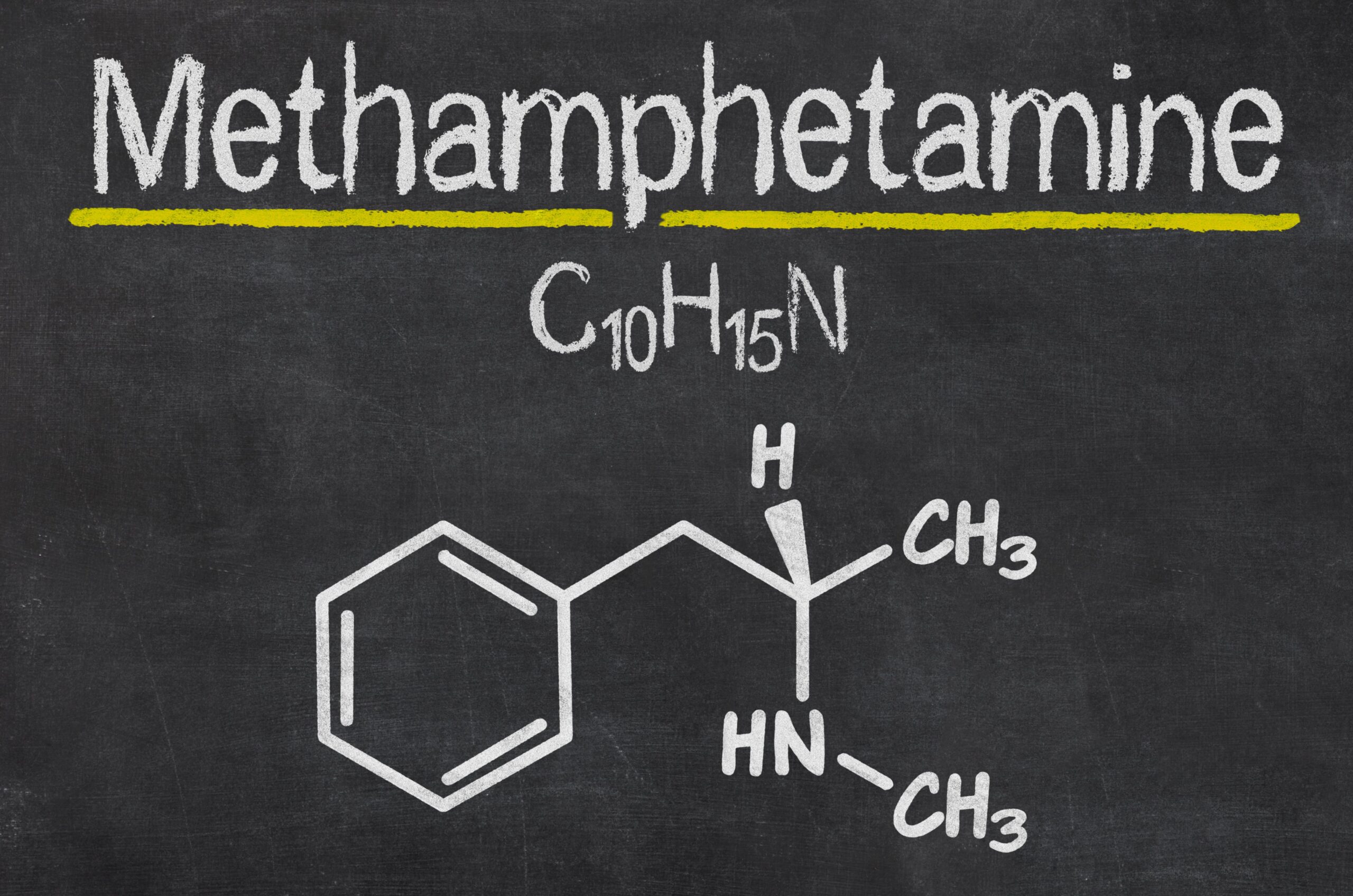
meth written on blackboard in chalk with molecular structure

How to Tell If Someone is on Meth: Signs of Meth Use

Knowing how to tell if someone is on meth can help identify the problem before the individual experiences severe impacts from its use. It can help to prevent physical and mental health conditions that often occur due to meth abuse.

Identifying the potential use of this drug can aid in the individual getting much-needed help, so they can begin the recovery process. The existence of erratic behavior, hyperactivity, and rapid weight loss can be telltale signs. Knowing the signs and impacts of meth addiction is crucial for understanding the condition.

Dangers of Meth Addiction

The dangers of meth addiction impact both physical and mental health. Physically, meth addiction can contribute to severe weight loss, dental problems, and sores on the skin due to itching and picking. It also leads to an increased risk of cardiovascular problems, including heart attack and stroke. Chronic use of this drug can result in damaged blood vessels in the brain, resulting in cognitive impairment.

This drug also affects an individual mentally. This can include paranoia, anxiety, and violent behavior. With long-term abuse, individuals may have a higher risk of suicidal thoughts or behaviors. Meth addiction can lead to long-lasting changes in mood and behaviors, contributing to the difficulty in recovery from addiction to this drug.

How to Tell If Someone is on Meth: Signs of Meth Use

The signs of meth use can be prominent, both physically and behaviorally. Physically, individuals struggling with this drug often exhibit rapid and severe weight loss, dilated pupils, and increased physical activity. There may also be skin sores and dental issues that become prominent due to a lack of personal hygiene and itching or picking the skin.

Behavioral indicators may include agitation, erratic behavior, and hyperactivity. Paranoia, hallucinations, and delusions can lead to unpredictable and potentially violent behaviors. They may also experience signs of depression and anxiety.

Physical Symptoms of Meth Addiction

There are different physical signs of meth use and addiction, from visible signs like meth eyes (extreme redness) to psychosis and withdrawal. These signs can be easily visible, making identification of the problem easier. Being able to identify these signs can help when it comes to the individual receiving professional help and support. 

Meth Sores

People often ask what do meth sores look like? They usually appear as red, inflamed, and usually open ulcers or wounds on the skin. Typically, they result from intense itching, scratching, or picking and are often found on the face, arms, and other body parts. These sores usually become infected due to a lack of personal hygiene and continued picking. 

Dental Damage

During meth addiction, using the drug is the most prominent priority. Due to this, users often neglect personal and oral hygiene. This neglect can lead to infections and dental damage. Meth mouth is a term coined to describe this condition. It is characterized by severe tooth decay, gum disease, and tooth loss. Methamphetamine use contributes to dry mouth, reducing saliva which is a natural defense against tooth decay. It is also an acidic substance which leads to 12 nofollow noopener noreferrer3>enamel erosion and cavities. 

Meth Face and Scabs

Meth face refers to the physical signs and effects that the drug has on an individual and their appearance. These effects can include severe acne and sores on the face. These sores can be exacerbated by excessive picking and scratching, leaving scabs and open wounds on the skin. Additionally, meth use can cause premature aging and sunken eyes due to the user’s lack of nutrition and the drug’s stimulating effects.

Psychological and Emotional Effects of Meth Abuse

The impacts of meth on someone’s mental health can be severe. It can contribute to cognitive impairment, including paranoia, hallucinations, and delusions. It leads to mental health conditions such as depression and anxiety and contributes to emotional dysregulation which makes it difficult for someone to control themselves emotionally. With prolonged use, these effects can be long-lasting and make it difficult to recover from meth abuse and addiction. 

Long-Term Effects of Meth Addiction

Chronic meth use can result in dental damage and tooth decay. It can lead to skin sores, infections, and a decline in overall physical health. Malnutrition and sleep deprivation contribute to cognitive problems that can occur with long-term meth addiction. Knowing how to tell if someone is on meth can be beneficial in encouraging them to get proper care and support to overcome the addiction. An individual can be affected both physically and emotionally by meth addiction, so identifying a potential problem is crucial. 

How Long Does Meth Stay in the System?

The answer to this question varies. Methamphetamine can be detected through different methods for different amounts of time. For instance, in urine, it can be detected for 1 to 4 days after the last use while in blood testing it can be detected for up to 3 days. Saliva has a shorter detection time, up to 2 days while hair follicle testing can detect the presence of methamphetamine for up to 90 days. These time frames can vary based on several factors including metabolism, the amount used, and length of use among others. 

Meth Detox Timeline

The meth detox timeline can vary widely based on different factors including metabolism, amount and duration of meth use, and any underlying health conditions. However, in general, someone could begin to feel symptoms within a few hours. These symptoms will include intense cravings, fatigue, and increased appetite.

  • Days 3 to 10: Includes a peak in symptoms including insomnia, irritability, depression, and anxiety.
  • Weeks 2 to 4: Includes improved mood and energy levels.
  • Months 1 to 3: Cognitive abilities should be improved, cravings should be reduced, and recovery can continue. 

What to Expect During Meth Withdrawal

Those undergoing withdrawal should expect to feel physical and emotional discomfort. Symptoms can include cravings, nausea, vomiting, diarrhea, insomnia, and fatigue. It is crucial to have proper support through this process to prevent the individual from returning to use of this drug due to the symptoms. Professional, medical detox settings can help make the process more comfortable and help to promote long-term recovery.

Free Yourself and Get Help for Meth Addiction

Meth addiction is ravaging communities across the country. The impacts of this drug are devastating and lead to physical and emotional upheaval in the lives of the individuals who are struggling. There is help available. If you or a loved one have found yourself struggling with meth, Lexington Addiction Center can help. We provide a healing environment where individuals can begin their recovery journey.

Call us today and embark on a path to freedom. 


FAQ: How to Tell If Someone Is on Meth

  • What are the most common early signs that someone may be using methamphetamine?

    Early signs of methamphetamine (meth) use can be subtle at first, but they often involve noticeable changes in behavior, mood, and physical energy. Because meth is a potent stimulant, people under its influence may suddenly appear unusually energetic or “wired,” even if there’s no clear reason for excitement. They might talk rapidly, jump between topics, or have trouble staying still. Many people using meth experience increased confidence or agitation, which can look like irritability, restlessness, or overconfidence. Sleep patterns often change quickly — someone might stay awake for long periods or only sleep sporadically without seeming tired. Appetite suppression is another early indicator; meth reduces hunger so dramatically that a once-regular eater might suddenly skip meals or lose weight. Additionally, eye changes — such as wide, dilated pupils — are common because meth overstimulates the nervous system. These early signs alone don’t prove meth use, but when combined — especially if they represent a clear change from someone’s normal behavior — they can suggest that substance use may be involved. Observing patterns over time, rather than interpreting one isolated symptom, gives a clearer picture of whether meth use might be occurring.

  • How does meth use affect a person’s mood and behavior?

    Methamphetamine use profoundly alters mood and behavior because it forces the brain to release massive amounts of dopamine — the chemical that regulates pleasure, reward, and motivation. Immediately after use, many people feel euphoric, confident, and energized, which can look like sudden enthusiasm or intense focus. However, this “high” is unstable and short-lived. As the effects wear off, mood swings become very noticeable. Someone may shift quickly from seeming excited and talkative to irritable, angry, paranoid, or anxious. These rapid mood swings can appear unpredictable and overwhelming to people around them. Over time, chronic use trains the brain’s reward circuits to associate meth with pleasure, making ordinary activities seem dull — and increasing emotional volatility. Some individuals become suspicious of others, lash out emotionally, or isolate themselves socially. Others may engage in risky or impulsive behavior without regard for consequences, driven by a distorted sense of confidence or need for stimulation. Family and friends often notice mood instability long before physical signs become evident. This emotional unpredictability affects relationships, work performance, and day-to-day functioning, making meth use visible not just in physical symptoms but in how someone feels and interacts emotionally.

  • What physical signs can indicate someone is using meth?

    Methamphetamine use produces a range of physical signs because the drug overstimulates the central nervous system. One of the most obvious early signs is rapid or erratic movements — pacing, fidgeting, shaking hands, or restless energy that doesn’t match the situation. Changes in the eyes are common: pupils may be dilated and unresponsive to changes in light, and the whites of the eyes may appear bloodshot. Meth also reduces appetite and disrupts sleep, so significant weight loss and dark circles under the eyes can show up relatively quickly. Over time, many people develop skin sores or scabs, often from picking at imagined irritations — a behavior linked to meth use called “tweaking.” Poor dental health is another hallmark of long-term use, leading to severe tooth decay known as “meth mouth.” Chronic users may show signs of fatigue when the drug wears off, experiencing droopy posture or sudden bouts of sleepiness they can’t explain. Dry mouth, bad breath, and unusually grimy appearance can also accompany use because self-care often takes a back seat. These physical indicators don’t always mean someone is definitely using meth, but if they coincide with behavioral changes, they may point to a pattern of stimulant misuse.

  • How does meth use affect someone’s sleep and daily routine?

    Methamphetamine severely disrupts normal sleep patterns because it keeps the brain in an aroused, alert state for extended periods. Shortly after use, people may stay awake for days at a time without feeling tired, which dramatically alters their daily routine. This disruption also affects appetite, leading some individuals to skip meals for long stretches because the stimulant overrides hunger cues. Over weeks and months of repeated use, those erratic sleep cycles can turn into chronic insomnia, fragmented sleep, or unpredictable periods of deep sleep followed by long wakeful spells. A once-structured day — involving work, school, chores, or family responsibilities — may devolve into chaos or inconsistency. People may miss appointments, neglect responsibilities, or isolate themselves socially because the rhythm of daily life no longer fits their stimulant cycle. During “crash” periods (when the drug wears off), extreme fatigue can set in, causing long periods of sleep that disrupt normal functioning. Because healthy sleep plays a foundational role in emotional stability and cognitive processing, these disturbances often exacerbate mood swings, memory problems, and irritability. Observing a significant shift in someone’s daily routines — especially persistent sleep disruption coupled with behavioral changes — can be an important sign that meth use is affecting their life rhythm and overall health.

  • What are common behavioral indicators of meth addiction?

    Behavioral indicators of meth addiction often revolve around patterns of compulsive use, secrecy, and prioritization of substance use over responsibilities. People struggling with addiction may increasingly talk about the drug, how often they use, or seek out situations where meth is available. Over time, they might hide evidence of use — like paraphernalia, unusual containers, or missing money — and become defensive if questioned. Instead of engaging in regular social activities, someone using meth may withdraw from friends and family, preferring to spend time alone or with people who enable their use. Priorities shift: work performance deteriorates, school attendance suffers, and daily responsibilities like bills, hygiene, or household chores are neglected. Many individuals display impulsive behavior, such as sudden financial decisions, risky sexual behavior, or legal issues tied to obtaining the drug. Others may lie, manipulate situations, or make excuses to cover up their behavior. These patterns reflect how addiction takes focus away from long-term goals and toward immediate gratification. Because these behavioral changes interfere with everyday functioning and relationships, they often become the first noticeable signals to loved ones that something serious — like meth addiction — may be happening.

  • Can meth use affect mental health or cause psychosis?

    Yes — methamphetamine use has a significant impact on mental health and can lead to symptoms that resemble psychosis. With repeated or heavy use, individuals may experience intense paranoia, suspicion of others, and irrational distrust — even in people they used to trust. Some people report visual or tactile hallucinations, such as seeing insects crawling on their skin or feeling bugs under their clothes, a phenomenon often linked to extended stimulant use. These experiences are not imagined in the colloquial sense; they arise from neurochemical disruptions caused by meth in the brain’s sensory and reward pathways. Beyond psychosis, meth use increases the likelihood of anxiety, irritability, depression, and emotional instability, especially as the drug wears off. During early recovery attempts or withdrawal, mood swings can be particularly intense as the brain struggles to recalibrate its neurotransmitter balance. Long-term, these mental health effects may persist even after someone stops using, particularly if they develop co-occurring conditions like anxiety disorders or mood disorders. Because meth affects both chemical signaling and emotional processing, professional mental health support is often necessary alongside addiction treatment to address these complex psychological effects.

  • How can loved ones approach someone they suspect is using meth?

    Approaching someone you suspect is using meth requires sensitivity, patience, and preparation. Timing is critical — choose a moment when the person is sober, calm, and less likely to be defensive. Use non-judgmental language that expresses concern rather than accusation; for example, say “I’ve noticed some changes in your behavior and I’m worried about you” rather than “You’re using meth and it’s your fault.” Be specific about the behaviors that worry you without labeling them or making assumptions about intent. Listen actively without interrupting or minimizing their experiences. Avoid confrontational phrases that trigger denial or defensiveness. Instead, frame the conversation around care and support, emphasizing that you’re there to help them explore options rather than control their choices. Have information about treatment resources ready — such as local detox programs, therapy options, and support groups — so you can present constructive next steps. Be prepared for resistance or denial, and know that one conversation may not be enough; persistence, empathy, and consistency often open the door to future discussions. Setting healthy boundaries reinforces accountability while supporting recovery, and seeking guidance from professionals can help you navigate these challenging conversations effectively.

  • What should I do if I confirm someone is using meth?

    If you have confirmed someone is using meth, the next steps should focus on safety, support, and connecting them to professional help as soon as possible. Meth use — especially chronic or heavy use — carries significant physical and mental health risks, so creating a plan that reduces harm is important. First, ensure that the person is in a safe environment where they are not at immediate risk of overdose, injury, or self-harm. Remove or limit access to additional substances if possible, as combining meth with other drugs or alcohol can increase danger. Encourage the individual to seek a professional assessment from a qualified addiction specialist, medical provider, or mental health clinician who can evaluate their needs and recommend appropriate levels of care. Treatment options may include medically supervised detox, inpatient or outpatient addiction programs, individual therapy, group support, and mental health counseling to address co-occurring conditions. Offer to help them research these options, navigate insurance or funding concerns, or accompany them to appointments if they feel anxious or overwhelmed. At the same time, it’s important to set and maintain healthy boundaries to protect your own well-being and reduce enabling behavior. Seek support for yourself as well — through family counseling, support groups, or peer networks — because supporting someone with meth addiction can be emotionally taxing. Professional guidance ensures that both you and your loved one receive the right support for healing and recovery.


Blog Content Disclaimer – Educational & Informational Use

The content published on Lexington Addiction Center blog pages is intended for general educational and informational purposes related to addiction, substance use disorders, detoxification, rehabilitation, mental health, and recovery support. Blog articles are designed to help readers better understand addiction-related topics and explore treatment concepts, but they are not a substitute for professional medical advice, diagnosis, or individualized treatment planning.

Addiction and co-occurring mental health conditions are complex medical issues that affect individuals differently based on many factors, including substance type, length of use, physical health, mental health history, medications, age, and social environment. Because of this variability, information discussed in blog articles—such as withdrawal symptoms, detox timelines, treatment approaches, medications, relapse risks, or recovery strategies—may not apply to every individual. Reading blog content should not replace consultation with licensed medical or behavioral health professionals.

If you or someone you know is experiencing a medical or mental health emergency, call 911 immediately or go to the nearest emergency room. Emergencies may include suspected overdose, seizures, difficulty breathing, chest pain, severe confusion, hallucinations with unsafe behavior, loss of consciousness, suicidal thoughts, or threats of harm to oneself or others. Lexington Addiction Center blog content is not intended for crisis intervention and should never be used in place of emergency care.

Detoxification from drugs or alcohol can involve serious medical risks, particularly with substances such as alcohol, benzodiazepines, opioids, and certain prescription medications. Withdrawal symptoms can escalate quickly and may become life-threatening without proper medical supervision. Any blog content describing detox, withdrawal, or substance cessation is provided to raise awareness and encourage safer decision-making—not to instruct readers to detox on their own. Attempting self-detox without medical oversight can be dangerous and is strongly discouraged.

Blog articles may discuss various addiction treatment options, including medical detox, residential or inpatient rehab, outpatient programs, therapy modalities, medication-assisted treatment, aftercare planning, and recovery support services. These discussions reflect commonly used, evidence-informed approaches but do not represent guarantees of effectiveness or suitability for every person. Treatment recommendations should always be based on a comprehensive assessment conducted by licensed professionals.

Information related to insurance coverage, treatment costs, or payment options that appears within blog content is provided for general informational purposes only. Insurance benefits vary widely depending on the individual’s plan, carrier, state regulations, and medical necessity criteria. Coverage details may change without notice, and no insurance-related statements on blog pages should be interpreted as a promise of coverage or payment. Lexington Addiction Center encourages readers to contact our admissions team directly to verify insurance benefits and eligibility before making treatment decisions.

Some blog posts may reference third-party studies, external organizations, medications, community resources, or harm-reduction concepts. These references are provided for educational context only and do not constitute endorsements. Lexington Addiction Center does not control third-party content and is not responsible for the accuracy, availability, or practices of external websites or organizations.

Blog content may also include general advice for families or loved ones supporting someone with addiction. While these discussions aim to be supportive and informative, every situation is unique. If there is an immediate safety concern—such as violence, overdose risk, child endangerment, or medical instability—emergency services or qualified professionals should be contacted right away rather than relying on online information.

Use of Lexington Addiction Center blog pages does not establish a provider–patient relationship. Submitting comments, contacting the center through a blog page, or reading articles does not guarantee admission to treatment or access to services. Recovery outcomes vary, and no specific results are promised or implied.

If you are struggling with substance use, withdrawal symptoms, or questions about treatment, we encourage you to seek guidance from licensed healthcare providers. For personalized information about treatment options or insurance verification, you may contact Lexington Addiction Center directly. For emergencies, call 911 immediately.

  • Call or message us

    You’ll connect with a compassionate admissions coordinator who understands what you’re going through.
  • Free assessment

    We’ll ask about your drug use, medical history, and mental health to help build the right plan.
  • Insurance check

    We’ll verify your benefits and explain exactly what’s covered—no surprises.
  • Choose a start date

    If you’re ready, we can often schedule your intake the same week.

Verify Your Insurance

  • → Contributors

    Portrait of Dr. Vahid Osman, Board-Certified Psychiatrist and Addictionologist

    Medically Reviewed By

    Dr. Vahid Osman, M.D.
    Board-Certified Psychiatrist & Addictionologist

    Dr. Vahid Osman is a Board-Certified Psychiatrist and Addictionologist with extensive experience treating mental illness, chemical dependency, and developmental disorders. Dr. Osman trained in Psychiatry in France and in Austin, Texas.
    Read more.

    Portrait of Josh Sprung, L.C.S.W.

    Clinically Reviewed By

    Josh Sprung, L.C.S.W.
    Board-Certified Clinical Social Worker

    Joshua Sprung serves as a Clinical Reviewer at Louisville Addiction Center, bringing a wealth of expertise to ensure exceptional patient care.
    Read more.
  • → Accreditations & Licenses

    The Joint Commission
    Awarded The Gold Seal of Approval® for meeting rigorous performance standards in safety, quality, and patient care.

    LegitScript Certified
    Validates compliance with laws and regulations, confirming transparency and accountability in addiction treatment marketing.

    BBB Accredited
    Demonstrates ethical business practices, client satisfaction commitment, and a trusted reputation in the community.

    Psychology Today Verified
    Verified listing on Psychology Today, a trusted directory for addiction treatment providers and behavioral health centers.

    HIPAA Compliant
    Ensures all patient health information is protected and managed under strict federal privacy and security standards.

    NAATP Member
    Lexington Addiction Center is a proud member of the National Association of Addiction Treatment Providers (NAATP).

    5-Star Google Reviews
    Recognized for consistent 5-star ratings, reflecting excellent care and trusted patient experiences at Lexington Addiction Center.

    Help.org Recognition
    Recognized by Help.org for quality addiction treatment services and community impact.
  • → Meet Our Team

    At Lexington Addiction Center, we believe that recovery is a journey, not a destination. That’s why we offer a comprehensive continuum of care, delivered by a team of experienced and compassionate professionals. Our team is made up of licensed therapists, counselors, nurses, and other professionals who are passionate about helping people achieve lasting sobriety. Whether you are just starting your recovery journey or you are a seasoned veteran, we are here to support you every step of the way. We believe in you, and we are committed to helping you achieve your recovery goals.

    Read more

  • → Tour Our Rehab Center

    Explore Lexington Addiction Center’s drug & alcohol detox rehab treatment center in Lexington, KY and step into private therapy offices, spacious group rooms, and tranquil lounges where thoughtful design supports every stage of substance-use recovery.

    Read more

Addiction Treatment Services

Mental Health Services

Treatment Programs

Yes, Your Insurance Covers Detox and Rehab Treatment

Complete a free, confidential Verification of Benefits to learn more about what resources may be available to you.

Contact Us Today

Lexington Addiction Center - logo

Addiction and co-occurring disorders don’t have to control your life. Lexington Addiction Center is waiting with open arms to give you the tools necessary for lasting change. Reach out to us today to learn more.

859-681-7823

Continue reading

OCD obsessive hand washing

OCD and Addiction: Risks, Symptoms, and Treatment

OCD and addiction can have severe impacts on a person’s social, economic, and personal well-being. Maintaining a healthy routine can be complicated by obsessive-compulsive disorder (OCD) making it difficult to focus on anything other than the recurrent and unwanted thoughts and actions associated with the condition.

Properly addressing the condition and its symptoms helps to alleviate these symptoms, providing relief. However, self-medicating with substances can lead to dependence and addiction.

What is OCD?

Obsessive-compulsive disorder is one of the most common mental health conditions in the United States. It is characterized by persistent intrusive thoughts (obsessions) and repetitive mental or behavioral acts (compulsions). Individuals struggling with this condition feel compelled to act on their thoughts and behaviors to avoid feelings of discomfort and anxiety.

Common fears associated with the obsessions include fear of contamination, doubts about safety and potential harm, and a need for order or symmetry. In response to these obsessions, an individual may overwash their hands, or continuously and repetitively organize things to reduce anxiety and stress.

OCD and Addiction: A Dual Diagnosis

OCD and addiction can coexist in an individual, this is known as dual diagnosis. Both are individual conditions with their own symptoms and treatment protocols. However, these conditions can exist simultaneously within an individual and share overlapping features.

Oftentimes, people turn to drugs and alcohol as a means of coping with the symptoms of obsessive-compulsive disorder. With continued use, they could begin to develop tolerance and dependence, resulting in addiction and withdrawal symptoms.

On the other hand, struggling with substance abuse and addiction can result in symptoms of OCD manifesting or becoming more prevalent. Either way, professional care and properly addressing both conditions are vital to overcoming them.

Risk Factors for OCD and Addiction

Different factors play a role in someone’s susceptibility to developing OCD and addiction. These can include a family history of either condition or chemical imbalances in the brain. Traumatic experiences or stressful events can also be contributing factors.

Early exposure to substance abuse, family history, underlying mental health conditions, as well as social influences can play a role in developing an addiction. Genetic and environmental factors can play a role in both conditions developing. 

Short and Long-Term Effects of Untreated OCD

Untreated OCD can lead to an array of impacts on an individual and their daily life. It can cause anxiety, stress, and inability to perform daily functions, as well as loss of time due to the obsessions and compulsions associated with the condition. This condition can interfere with school or work, as well as personal relationships. Thus, getting professional, quality OCD treatment can be a transformative experience. 

Long-term, leaving the condition untreated can lead to self-medicating with drugs or alcohol in an attempt to alleviate the symptoms. OCD and addiction can occur without warning, resulting in worsening effects of the conditions. Insomnia, gastrointestinal issues, as well as cardiovascular issues can occur as a result of not seeking proper care to manage the condition and its symptoms.

Types of OCD Treatment

Treatment for obsessive-compulsive disorder can make a huge difference in how the condition impacts the person’s daily life. Having the right doctors and specialists, as well as therapeutic approaches can make the process of healing and growth easier. 

Cognitive-Behavioral Therapy

Cognitive-behavioral therapy, or 12 nofollow noopener noreferrer3>CBT, can be beneficial for those who struggle with the condition to learn and implement healthier coping skills. CBT works by helping the individual to identify negative or unhealthy thoughts and behavioral patterns and changing the unhealthy patterns into more positive and productive ones. 

Dialectical Behavior Therapy

Dialectical behavior therapy, or DBT, helps the individual to accept the feelings and emotions surrounding OCD. This helps someone to accept them for what they are, as well as make it through distressing situations without self-destructive behaviors. 

Holistic Therapy

Holistic therapy involves treating the whole person. It focuses on how each part of the individual affects the person as a whole, meaning that treating a single aspect will eventually cause conditions to relapse due to the whole person being affected by the condition. This therapy type uses gentle and more natural healing methods like meditation, nutrition, and yoga for recovery. 

Drug and Alcohol Detox

Having the right care is crucial to overcoming the conditions that can impact an individual’s ability to function daily. Drug and alcohol treatment is a crucial part of overcoming OCD and addiction. Without addressing the addiction portion of the dual diagnosis, OCD can continue to be exacerbated.

Detox is the first step. Removing the substances from the system allows for the person to be able to address obsessive-compulsive disorder, with a clear mind, and begin learning healthy coping skills. Addressing both conditions, simultaneously, is vital to being able to achieve a healthier, more productive lifestyle.

Help for OCD and Addiction

Dual diagnosis affects the lives of many people in the United States. Addiction or mental health issues on their own can have major impacts on daily life for those who are struggling. However, when the 2 conditions coexist simultaneously, it can complicate things.

This requires the right care and support to overcome. If you or a loved one are struggling, we can help. At Lexington Addiction Center we offer care that can address both sides of the coin, and help set a path to recovery.

Call us today and begin on a path to recovery.


FAQ: OCD and Addiction – Risks, Symptoms & Treatment

  • What is the connection between OCD and addiction?

    Obsessive-Compulsive Disorder (OCD) and addiction can be linked because both involve patterns of compulsive behavior and changes in brain circuits associated with reward, stress, and habit formation. OCD is a mental health condition marked by intrusive thoughts (obsessions) and repetitive behaviors (compulsions) that a person feels driven to perform to relieve anxiety. Addiction — including substance use disorders — also involves repetitive behavior patterns that are reinforced by chemical changes in the brain’s reward pathways. When someone has both OCD and an addiction, it’s often because they are using substances to self-medicate distressing obsessive thoughts or intense anxiety.

    For example, a person with OCD might feel overwhelming anxiety related to contamination, symmetry, or harm. Without effective coping skills, they may turn to alcohol or drugs in an attempt to numb that emotional discomfort. Over time, this self-medicating pattern can evolve into a full-blown addiction because the substance temporarily suppresses emotional distress, reinforcing continued use. Both conditions affect how the brain regulates stress and reward, and when they co-occur, they can intensify one another. Effective care requires addressing both disorders together because treating only the addiction without acknowledging underlying OCD — or vice versa — can leave the person vulnerable to relapse or persistent suffering. Integrated treatment supports long-term recovery and emotional health.

  • What are the common symptoms of OCD that might increase addiction risk?

    OCD symptoms include intrusive, unwanted thoughts and compulsive behaviors intended to reduce anxiety. These obsessions may revolve around themes like contamination, orderliness, illness, or harm coming to oneself or loved ones. Compulsions — such as excessive cleaning, checking, counting, or repeating routines — are attempts to neutralize the distress caused by obsessive thoughts. These cycles are emotionally taxing and often consume a significant amount of time and mental energy.

    Individuals with intense, persistent OCD symptoms may be at higher risk of developing addiction because they may turn to substances like alcohol, benzodiazepines, or opioids in a bid to calm racing thoughts or soothe overwhelming anxiety. The temporary relief substances provide can create a pattern where the person increasingly relies on them during high anxiety moments — much like how compulsions temporarily ease obsessive distress. This pattern can escalate into a physical and psychological dependence over time. Because both OCD and addiction involve heightened emotional distress and difficulty regulating thoughts and behaviors, the presence of strong OCD symptoms can make relapse more likely if emotional triggers are not effectively addressed.

    Understanding the overlap between these conditions helps clinicians build comprehensive treatment plans that reduce compulsive thinking and provide healthier alternatives to manage anxiety, rather than turning to substance use.

  • How do OCD and addiction influence each other?

    OCD and addiction can reinforce each other in a way that makes both conditions harder to treat without targeted intervention. When someone experiences intense intrusive thoughts and compulsions, the emotional distress and anxiety associated with OCD can feel overwhelming. In some cases, substances are used — consciously or unconsciously — to dampen that distress, provide temporary emotional relief, or “quiet” the mind. This pattern of self-medication creates a feedback loop: substance use temporarily reduces anxiety, which reinforces continued use, and repeated use strengthens the habit and may lead to physiological dependence.

    Meanwhile, addiction changes the brain’s reward and stress systems, making emotional regulation harder overall. When the brain becomes accustomed to the presence of addictive substances, its natural stress-response mechanisms may function less effectively. For someone with OCD, this can mean even greater sensitization to intrusive thoughts and anxiety when sober, which in turn can increase the urge to use substances again. This cyclical interaction can intensify symptoms of both conditions — making compulsive thinking more extreme, increasing anxiety levels, and deepening reliance on substances as a coping mechanism.

    Because of this interplay, treating one condition in isolation often leads to incomplete recovery. Integrated care that simultaneously addresses OCD symptoms and addiction helps break the cycle and supports sustainable emotional and behavioral change.

  • What are the signs that someone with OCD might also be developing a substance addiction?

    When OCD and addiction co-occur, the signs of substance misuse may overlap with emotional and behavioral symptoms, but several indicators are particularly telling. A person with OCD who begins using substances to alleviate anxiety or intrusive thoughts may develop increasing tolerance, needing larger amounts of the substance to achieve the same reduction in distress. They may also experience cravings or intense urges to use during high anxiety periods, alongside their obsessive thoughts and compulsion rituals.

    Other signs include using substances more frequently or in situations where it interferes with daily functioning, such as skipping appointments, isolating from support systems, or neglecting responsibilities. Emotional symptoms may also shift; for example, someone might report feeling unable to cope with OCD symptoms when not using, or they may notice increased irritability, agitation, or mood swings that are inconsistent with their typical symptom pattern. Another red flag is using substances despite negative consequences — for instance, continuing use even when relationships, work, or health suffer.

    People with co-occurring OCD and addiction may also quickly move from voluntary to compulsive substance use, where the behavior no longer feels like a choice but a necessary relief mechanism. Recognizing these signs early is important because addiction can deepen psychological distress and make OCD symptoms more resistant to change if not addressed. A comprehensive assessment that looks at both conditions provides clarity and helps guide appropriate support and intervention.

  • How is treatment for co-occurring OCD and addiction different from treating just one condition?

    Treating co-occurring OCD and addiction requires an integrated approach that acknowledges how the conditions interact rather than addressing them separately. Traditional addiction treatment may focus primarily on detox, relapse prevention, and behavior change — but when OCD is also present, emotional triggers, intrusive thoughts, and compulsion patterns remain strong contributors to substance use. Similarly, treating only the obsessive-compulsive symptoms without addressing addiction leaves a powerful coping mechanism intact, which increases the risk of return to substance use.

    Integrated treatment involves a combination of therapies designed to target both the underlying anxiety and compulsive thinking of OCD and the behavioral patterns and dependency of addiction. Cognitive-Behavioral Therapy (CBT) is commonly used because it helps people identify and reframe unhelpful thought patterns while also building healthier coping skills. Exposure and Response Prevention (ERP), a specific type of CBT for OCD, helps individuals gradually face obsessive triggers without resorting to compulsive behaviors or substance use. In addiction treatment, evidence-based strategies like motivational interviewing, relapse prevention planning, and support group participation help strengthen sobriety.

    Medication management may also play a role, particularly when both conditions involve neurochemical components like serotonin and dopamine regulation. Medications that support anxiety reduction may be considered alongside careful monitoring of addiction risk. The key is treatment that recognizes the bidirectional relationship between OCD symptoms and substance use, fostering resilience, emotional regulation, and sustainable behavior change across both conditions.

  • What role does therapy play in managing OCD and addiction together?

    Therapy plays a central role in managing co-occurring OCD and addiction because it addresses the thought, emotion, and behavior cycles that sustain both conditions. In OCD, therapy helps individuals learn to observe intrusive thoughts without automatically responding with compulsive rituals. In addiction, therapy provides tools to recognize and respond to cravings without using substances. When these frameworks are combined, therapy becomes a powerful space for rewiring habitual responses to stress, anxiety, and intrusive mental patterns.

    One of the most effective therapeutic approaches for OCD is Exposure and Response Prevention (ERP), a form of cognitive-behavioral therapy in which individuals are gradually exposed to anxiety-triggering thoughts or situations while learning not to engage in compulsive behaviors. For someone who has used substances to dampen anxiety, combining ERP with addiction-focused relapse prevention helps them tolerate distress without resorting to either compulsions or substance use.

    Therapy also includes skills training for emotional regulation, stress management, and communication — all of which reduce vulnerability to both obsessive thinking and substance use. Group therapy or support groups also play a role, providing peer support, accountability, and the realization that others face similar challenges. Over time, therapy helps individuals develop greater self-awareness, stronger coping skills, and healthier relationships with their thoughts, emotions, and behaviors.

  • How can someone support a loved one who has both OCD and addiction?

    Supporting a loved one with co-occurring OCD and addiction requires empathy, education, consistency, and healthy boundaries. Understanding that both OCD and addiction are rooted in brain changes, emotional responses, and coping patterns — rather than moral weakness — sets the foundation for compassionate support. Loved ones can start by learning about both conditions so that they can recognize symptoms, triggers, and patterns without taking distress personally.

    It’s also important to encourage professional support while maintaining clear boundaries that protect both the individual and the supporter. For example, rather than trying to fix problems, invite your loved one to attend therapy or support meetings with you, help them research treatment options, and offer practical support — like transportation or scheduling reminders — without enabling harmful behaviors.

    Healthy boundaries are crucial; they help reduce resentment and prevent the supporter from becoming enmeshed in attempts to control or manage the other person’s symptoms. While empathy is critical, refusing to normalize or excuse substance use or avoidance behaviors helps convey that recovery and treatment are priorities. Encouraging a supportive environment — including structured routines, emotional safety, and consistency — strengthens motivation and reduces the isolation that often accompanies OCD and addiction.

  • What steps should someone take if they think they might have both OCD and addiction?

    If someone suspects they may be experiencing both OCD and addiction, the first step is to seek a comprehensive evaluation from a qualified clinician who understands co-occurring disorders. This typically involves a detailed assessment of thought patterns, behavior history, emotional triggers, substance use history, and functional impact on daily life. A mental health professional — such as a psychologist, psychiatrist, or addiction specialist — can distinguish between symptoms that are part of OCD, those that are part of addiction, and those that overlap.

    Once an accurate assessment is made, the next step is creating an integrated treatment plan that includes therapy, support, and possibly medication management tailored to both conditions. Building a support network — including trusted family members, peer support groups, and recovery communities — enhances long-term resilience.

    It’s also important to approach recovery with patience and self-compassion. Co-occurring conditions often take time to untangle and treat effectively because they influence one another. Regular engagement with therapy, consistent follow-through on coping skills, and open communication with treatment providers all contribute to progress. Taking these steps helps individuals move from reactive coping to a more balanced, intentional approach to emotional health and sobriety.


Blog Content Disclaimer – Educational & Informational Use

The content published on Lexington Addiction Center blog pages is intended for general educational and informational purposes related to addiction, substance use disorders, detoxification, rehabilitation, mental health, and recovery support. Blog articles are designed to help readers better understand addiction-related topics and explore treatment concepts, but they are not a substitute for professional medical advice, diagnosis, or individualized treatment planning.

Addiction and co-occurring mental health conditions are complex medical issues that affect individuals differently based on many factors, including substance type, length of use, physical health, mental health history, medications, age, and social environment. Because of this variability, information discussed in blog articles—such as withdrawal symptoms, detox timelines, treatment approaches, medications, relapse risks, or recovery strategies—may not apply to every individual. Reading blog content should not replace consultation with licensed medical or behavioral health professionals.

If you or someone you know is experiencing a medical or mental health emergency, call 911 immediately or go to the nearest emergency room. Emergencies may include suspected overdose, seizures, difficulty breathing, chest pain, severe confusion, hallucinations with unsafe behavior, loss of consciousness, suicidal thoughts, or threats of harm to oneself or others. Lexington Addiction Center blog content is not intended for crisis intervention and should never be used in place of emergency care.

Detoxification from drugs or alcohol can involve serious medical risks, particularly with substances such as alcohol, benzodiazepines, opioids, and certain prescription medications. Withdrawal symptoms can escalate quickly and may become life-threatening without proper medical supervision. Any blog content describing detox, withdrawal, or substance cessation is provided to raise awareness and encourage safer decision-making—not to instruct readers to detox on their own. Attempting self-detox without medical oversight can be dangerous and is strongly discouraged.

Blog articles may discuss various addiction treatment options, including medical detox, residential or inpatient rehab, outpatient programs, therapy modalities, medication-assisted treatment, aftercare planning, and recovery support services. These discussions reflect commonly used, evidence-informed approaches but do not represent guarantees of effectiveness or suitability for every person. Treatment recommendations should always be based on a comprehensive assessment conducted by licensed professionals.

Information related to insurance coverage, treatment costs, or payment options that appears within blog content is provided for general informational purposes only. Insurance benefits vary widely depending on the individual’s plan, carrier, state regulations, and medical necessity criteria. Coverage details may change without notice, and no insurance-related statements on blog pages should be interpreted as a promise of coverage or payment. Lexington Addiction Center encourages readers to contact our admissions team directly to verify insurance benefits and eligibility before making treatment decisions.

Some blog posts may reference third-party studies, external organizations, medications, community resources, or harm-reduction concepts. These references are provided for educational context only and do not constitute endorsements. Lexington Addiction Center does not control third-party content and is not responsible for the accuracy, availability, or practices of external websites or organizations.

Blog content may also include general advice for families or loved ones supporting someone with addiction. While these discussions aim to be supportive and informative, every situation is unique. If there is an immediate safety concern—such as violence, overdose risk, child endangerment, or medical instability—emergency services or qualified professionals should be contacted right away rather than relying on online information.

Use of Lexington Addiction Center blog pages does not establish a provider–patient relationship. Submitting comments, contacting the center through a blog page, or reading articles does not guarantee admission to treatment or access to services. Recovery outcomes vary, and no specific results are promised or implied.

If you are struggling with substance use, withdrawal symptoms, or questions about treatment, we encourage you to seek guidance from licensed healthcare providers. For personalized information about treatment options or insurance verification, you may contact Lexington Addiction Center directly. For emergencies, call 911 immediately.

  • Call or message us

    You’ll connect with a compassionate admissions coordinator who understands what you’re going through.
  • Free assessment

    We’ll ask about your drug use, medical history, and mental health to help build the right plan.
  • Insurance check

    We’ll verify your benefits and explain exactly what’s covered—no surprises.
  • Choose a start date

    If you’re ready, we can often schedule your intake the same week.

Verify Your Insurance

  • → Contributors

    Portrait of Dr. Vahid Osman, Board-Certified Psychiatrist and Addictionologist

    Medically Reviewed By

    Dr. Vahid Osman, M.D.
    Board-Certified Psychiatrist & Addictionologist

    Dr. Vahid Osman is a Board-Certified Psychiatrist and Addictionologist with extensive experience treating mental illness, chemical dependency, and developmental disorders. Dr. Osman trained in Psychiatry in France and in Austin, Texas.
    Read more.

    Portrait of Josh Sprung, L.C.S.W.

    Clinically Reviewed By

    Josh Sprung, L.C.S.W.
    Board-Certified Clinical Social Worker

    Joshua Sprung serves as a Clinical Reviewer at Louisville Addiction Center, bringing a wealth of expertise to ensure exceptional patient care.
    Read more.
  • → Accreditations & Licenses

    The Joint Commission
    Awarded The Gold Seal of Approval® for meeting rigorous performance standards in safety, quality, and patient care.

    LegitScript Certified
    Validates compliance with laws and regulations, confirming transparency and accountability in addiction treatment marketing.

    BBB Accredited
    Demonstrates ethical business practices, client satisfaction commitment, and a trusted reputation in the community.

    Psychology Today Verified
    Verified listing on Psychology Today, a trusted directory for addiction treatment providers and behavioral health centers.

    HIPAA Compliant
    Ensures all patient health information is protected and managed under strict federal privacy and security standards.

    NAATP Member
    Lexington Addiction Center is a proud member of the National Association of Addiction Treatment Providers (NAATP).

    5-Star Google Reviews
    Recognized for consistent 5-star ratings, reflecting excellent care and trusted patient experiences at Lexington Addiction Center.

    Help.org Recognition
    Recognized by Help.org for quality addiction treatment services and community impact.
  • → Meet Our Team

    At Lexington Addiction Center, we believe that recovery is a journey, not a destination. That’s why we offer a comprehensive continuum of care, delivered by a team of experienced and compassionate professionals. Our team is made up of licensed therapists, counselors, nurses, and other professionals who are passionate about helping people achieve lasting sobriety. Whether you are just starting your recovery journey or you are a seasoned veteran, we are here to support you every step of the way. We believe in you, and we are committed to helping you achieve your recovery goals.

    Read more

  • → Tour Our Rehab Center

    Explore Lexington Addiction Center’s drug & alcohol detox rehab treatment center in Lexington, KY and step into private therapy offices, spacious group rooms, and tranquil lounges where thoughtful design supports every stage of substance-use recovery.

    Read more

Addiction Treatment Services

Mental Health Services

Treatment Programs

Yes, Your Insurance Covers Detox and Rehab Treatment

Complete a free, confidential Verification of Benefits to learn more about what resources may be available to you.

Contact Us Today

Lexington Addiction Center - logo

Addiction and co-occurring disorders don’t have to control your life. Lexington Addiction Center is waiting with open arms to give you the tools necessary for lasting change. Reach out to us today to learn more.

859-681-7823

Continue reading

%%sitename%% in Lexington provides quality and convenient care for those battling addiction and mental health. Visit us today.

Veterans and Addiction

There are a unique set of challenges faced by veterans and addiction is one of them. Oftentimes, service members, especially active duty, tend to turn to drugs and alcohol as a means of coping. Many of these individuals have fought battles that result in conditions like PTSD.

Addiction doesn’t discriminate and it can affect anyone, at any time. Veterans, unfortunately, are not immune to this condition. Finding the right help can make a world of difference in these veterans’ lives, allowing them to live a healthier and productive lifestyle without using substances to cope.

An Overview of Veteran Addiction

The different branches of the armed forces all help to keep this country safe and free. They go into situations, without a second thought, to defend and protect the United States. Many individuals who are serving or have served in the military struggle with substances.

Veterans and addiction often go hand in hand. Due to their experiences, active duty and retired military personnel run a risk of using drugs and alcohol, resulting in dependence and addiction. 

Risk Factors of Veteran Addiction

Different factors can play a role in veterans and addiction. Often, veterans have seen man-to-man combat, which can have devastating results. Injury and loss of friends due to combat can play a role in a veteran turning to these substances to mask or relieve some of the feelings they experience.

Injury, in particular, can play a huge role in a veteran struggling with substances. Injuries that are incurred during a military tour can be severe. These injuries can result in being given prescription medications to manage pain.

Even when taken as prescribed, pain medications like opiates can result in physical dependence, impacting the individual’s overall well-being. PTSD can also be a result of the work that veterans do for the country daily. Many men and women in the armed forces come home struggling mentally, and without the proper care, this condition can severely impact their lives.

Veterans and Addiction and PTSD: Symptoms

12 nofollow noopener noreferrer3>PTSD is a condition that many servicemen and women struggle with. It occurs after witnessing or experiencing war or other tragic or traumatic events. PTSD can severely impact veterans and addiction can be an outcome. Some symptoms that could be indicative of PTSD include flashbacks, memory problems, hopelessness, relationship issues, aggression, and self-destructive behaviors.

The symptoms can arise when a situation, sound, or even a scent triggers memories of the traumatic event. Having proper care and support to manage these symptoms can help the individual to prevent severe impacts to their daily life.

Veteran Addiction Treatment

Healing is a critical component of veterans and addiction treatment. With healing, the individual can begin learning positive coping skills to get through the stressors and not turn to drugs and alcohol to cope.

Addiction treatment for veterans can be beneficial for these individuals to regain control and achieve long-term abstinence from substances. Therapies can be a positive plan of action when it comes to treating conditions like addiction and PTSD. 

Co-Occurring Disorders and Addiction

Co-occurring disorders that often go hand in hand with addiction can complicate the outcomes. Often, veterans are struggling with co-occurring disorders like PTSD, depression, and anxiety. Veterans and addiction to substances can occur when the individual is trying to cope with the symptoms of an underlying condition that may or may not be diagnosed. A dual diagnosis is when an individual has coexisting mental health and substance use disorders, and treating both conditions simultaneously can aid in creating a path to a healthy lifestyle.

Signs of Veteran Addiction

Many signs can be indicative of a veteran potentially struggling with addiction to substances like drugs and alcohol. Being aware of the situation, and what to look out for can help to ensure that the individual can receive much-needed care to prevent further impact to their life.

Signs to look out for can include:

  • Excessive drinking or inability to control drinking
  • Using drugs and alcohol despite negative consequences
  • Drinking or using drugs to cope
  • Isolation to use/drink
  • Mood swings
  • Secrecy or lying surrounding drinking or drug use
  • Neglecting responsibilities at work or home
  • Changes in sleep patterns
  • Excessive weight loss or gain
  • Lack of personal hygiene
  • Trouble with quitting or slowing down

If any of these symptoms are exhibited, consulting a professional is strongly recommended in order to address the problem and prevent complications.

Treatment

Treatment is available for veterans and addiction can be overcome. Veterans who find themselves struggling with substances can overcome the physical dependency, and learn positive coping skills for achieving long-term abstinence.

Treatment begins with removing the substances from the body, and from there, the therapies used in addiction treatment can help the individual to obtain the necessary life skills for recovery from drug and alcohol addiction.

Trauma therapy is a common approach for individuals who have served in the military and struggle with PTSD. Working through the trauma and the feelings of guilt and shame is a crucial part of recovery and learning to live day to day without turning to substances to cope. 

Healing is Possible

Struggling with addiction is a challenge that many veterans face daily. The struggles that veterans endure as a result of active duty play a role in their susceptibility to addiction. Many never receive the help they need. If you or a loved one are a struggling veteran, there is help available. At Lexington Addiction Center, we offer care for individuals who have found themselves struggling, including veterans.

Reach out today and begin the healing process. 


FAQ: Veterans and Addiction

  • Why are veterans at higher risk for addiction?

    Veterans are at higher risk for addiction for several interconnected reasons, primarily because military service — especially combat deployment — involves experiences that can produce deep emotional, psychological, and physical stress. Many veterans witness or endure events that are intensely distressing, which can lead to conditions like post-traumatic stress, anxiety, depression, and chronic pain. Alcohol and drugs may begin as a way to manage or numb the emotional and physical symptoms associated with these experiences. Over time, what may have started as a coping mechanism can become a pattern of dependency.

    Another factor is the culture of service itself. Military environments can normalize heavy drinking or using substances to cope with stress, and habits formed during service may carry over into civilian life. When individuals transition out of structured military routines, they can lose the support, community, and sense of purpose that previously anchored them. This transition — combined with untreated or unresolved mental health concerns — increases vulnerability to addictive behaviors. For many veterans, addiction is not simply a matter of “choice” but a response to accumulated stress, trauma, or pain. Recognizing this complex interplay of factors is key to providing compassionate and effective care.

  • What mental health challenges commonly co-occur with addiction in veterans?

    Addiction in veterans often co-occurs with a range of mental health challenges that stem from service-related stress and trauma. One of the most frequently observed conditions is post-traumatic stress, where intense memories, hypervigilance, emotional distress, and avoidance patterns persist long after the traumatic event. These symptoms can make daily life more difficult and may lead some veterans to use substances as a way to dull emotional pain or manage intrusive thoughts.

    Depression and anxiety are also common, with veterans experiencing persistent sadness, lack of motivation, panic, or worry that interfere with functioning. Living with chronic pain from service-related injuries can contribute to both emotional strain and the use of pain-relieving medications that have addiction potential.

    Additionally, the transition from military to civilian life can unmask or worsen mental health symptoms because it often involves adjusting to a new identity, loss of military structure, and changes in social support networks. When addiction coexists with mental health concerns like these, each condition can worsen the other — for instance, alcohol might temporarily relieve anxiety but ultimately deepens depressive symptoms, which then reinforces further use. Effective treatment for veterans acknowledges these overlapping challenges and addresses both addiction and mental health together rather than in isolation.

  • How does military culture influence substance use and addiction?

    Military culture — with its traditions, stressors, and social norms — can shape how veterans relate to alcohol and other substances. In many units, drinking after long or intense duty is socially reinforced. It can become part of the way peers unwind together, bond, and cope with the stress of high-pressure environments. This normalization of heavy drinking can establish patterns that persist even after service ends.

    Another influence is the expectation of toughness and self-reliance embedded in military training. Soldiers may feel reluctant to show vulnerability or seek help for emotional pain or stress, preferring to “handle it on their own.” This internal pressure can make turning to substances seem like a private way to cope, even when it creates harm.

    Combat, deployment stress, and repeated exposure to life-threatening situations can also disrupt emotional regulation and increase the appeal of substances that temporarily blunt distress. When service ends and the structured support of the military environment disappears, veterans may feel unanchored or overwhelmed by civilian stressors. These cultural and transitional factors can combine to make substance use a seemingly accessible way to manage emotional discomfort, even though it deepens long-term risk.

    Understanding the influence of military culture helps care providers approach addiction treatment with sensitivity to how identity, expectations, and lived experience shape coping behaviors in veterans.

  • What are some signs of addiction that veterans and families should watch for?

    Recognizing addiction in veterans involves noticing changes that go beyond occasional use to patterns of behavior that disrupt life, health, and relationships. One key indicator is increased reliance on substances to cope with stress, mood shifts, or daily challenges — for example, needing alcohol or drugs to unwind after stressful memories or to fall asleep. When someone starts using substances regularly in response to emotions rather than for occasional social reasons, it can signal growing dependence.

    Other signs include neglecting responsibilities at work, home, or in relationships because of use, or experiencing conflict with loved ones tied to substance use. Physical symptoms like frequent intoxication, withdrawal from activities once enjoyed, neglect of personal care, and unexplained health issues can all accompany problematic use.

    Behavioral signs also matter: increased secrecy about how much or how often substances are being used, making excuses for use, or trying unsuccessfully to cut back are common patterns. Emotional changes — such as increased irritability, mood swings, or persistent anxiety that lessens only when using — can also point to addiction.

    Families and caregivers may be particularly attuned to changes in routine, personality, or priorities. When substance use becomes a central response to stress rather than an occasional choice, it usually signifies that supportive intervention and structured care may be needed.

  • How can addiction treatment be tailored to meet veterans’ unique needs?

    Addiction treatment for veterans is most effective when it acknowledges the unique experiences and stressors that come with military service and incorporates care strategies designed to address them. This means providing a safe environment where veterans feel understood and respected — rather than judged — for how service has shaped their emotional and behavioral reactions.

    Programs tailored for veterans often integrate trauma-informed care, recognizing how combat, deployment, or military culture have influenced coping mechanisms, including substance use. Understanding that substance use may be a response to emotional regulation challenges rooted in service experiences allows clinicians to work with veterans in ways that validate their reactions while building healthier skills.

    Additionally, veteran-specific care often includes support for co-occurring mental health conditions like PTSD, anxiety, and depression, which are common among this population. Focusing on physical pain management, sleep difficulties, and reintegration stress ensures a comprehensive approach rather than only treating addiction symptoms in isolation.

    Peer support — such as working with other veterans in recovery — can also be especially powerful. Being surrounded by individuals with shared experiences fosters connection, reduces isolation, and reinforces motivation. Tailored care also includes attention to practical needs like employment support, housing stability, and family involvement, all of which contribute to sustainable recovery outcomes.

  • What role do emotional triggers play in veterans’ addiction and relapse risk?

    Emotional triggers play a central role in veterans’ addiction and relapse risk because many triggers are tied to service-related memories, stress responses, and learned associations. Triggers can be internal, like distressing memories, mood shifts, or emotional discomfort, or external, such as loud noises, crowded environments, anniversaries, or reminders of past experiences. For some veterans, even seemingly ordinary situations can inadvertently evoke intense emotional or physical reactions because of how the nervous system was conditioned during service.

    When these triggers arise, veterans may feel sudden anxiety, panic, or discomfort that seems overwhelming. In the absence of healthy coping strategies, alcohol or drugs may feel like the most immediate way to reduce emotional distress, even though they ultimately worsen the situation. This is often part of why relapse occurs: the substance temporarily blunts distress, which reinforces use in future trigger situations.

    Trauma-informed and veteran-specific treatment helps individuals identify their unique triggers, understand how these emotional hot spots connect to past experiences, and develop adaptive responses that do not involve substances. Learning grounding techniques, emotional regulation skills, and mindful awareness allows veterans to face triggers with awareness and resilience without automatically resorting to addiction behaviors. This skill building significantly reduces the likelihood of relapse over time.

  • How can family and friends support a veteran struggling with addiction?

    Family members and friends play a crucial role in supporting a veteran struggling with addiction by creating a safe, nonjudgmental environment that encourages openness and healing. One of the most important things loved ones can do is educate themselves about how addiction and co-occurring issues like trauma or stress responses affect behavior. Understanding that addiction often serves as a coping mechanism allows families to respond with empathy rather than blame.

    Supportive communication is vital: listening actively, offering reassurance, and encouraging professional help without minimizing concerns helps veterans feel respected and supported. Loved ones can also help by recognizing changes in behavior early and gently encouraging structured care rather than waiting until problems become more severe.

    Setting boundaries with compassion is another important piece — this means clarifying what supports healthy behavior and what enables continued misuse without rejecting the person. Encouraging the veteran to engage in treatment, attend appointments, and participate in recovery support — while being present without judgment — strengthens both motivation and accountability.

    Families can also help by assisting in practical matters, such as coordinating transportation to care, assisting with daily routines, or helping locate veteran-specific resources. Emotional support combined with practical assistance reinforces a sense of stability and reduces isolation, which are both important elements in recovery.

  • What should a veteran do if they realize they need help for addiction?

    If a veteran recognizes they need help for addiction, the first step is to reach out for a professional assessment rather than trying to manage everything alone. Admitting that help is needed can feel vulnerable, especially for someone used to self-reliance, but reaching out to a clinician, counselor, or veteran support service opens the door to tailored care.

    Starting with a comprehensive evaluation helps identify not only the severity of substance use but also any co-occurring conditions like trauma, depression, or anxiety. This holistic view informs a treatment plan that addresses both addiction and underlying emotional factors. A qualified provider can help decide whether medically supervised detox, residential care, outpatient services, or a combination is most appropriate.

    Veterans may find support through programs designed with military experience in mind, which can enhance comfort and relevance in treatment. Connecting with peer support groups for veterans in recovery can also reduce feelings of isolation and build motivation.

    Importantly, reaching out for help also means involving trusted loved ones when appropriate. Support from friends and family strengthens recovery efforts and creates a network of encouragement rather than leaving the veteran to navigate challenges alone. Seeking help is not a sign of weakness — it is a step toward stability, health, and a renewed sense of purpose.

  • How do I get help for veteran addiction today?

    If you or someone you love is a veteran struggling with drugs, alcohol, or PTSD, help is available now. Contact Lexington Addiction Center to speak with a caring admissions team and begin the healing process.

Blog Content Disclaimer – Educational & Informational Use

The content published on Lexington Addiction Center blog pages is intended for general educational and informational purposes related to addiction, substance use disorders, detoxification, rehabilitation, mental health, and recovery support. Blog articles are designed to help readers better understand addiction-related topics and explore treatment concepts, but they are not a substitute for professional medical advice, diagnosis, or individualized treatment planning.

Addiction and co-occurring mental health conditions are complex medical issues that affect individuals differently based on many factors, including substance type, length of use, physical health, mental health history, medications, age, and social environment. Because of this variability, information discussed in blog articles—such as withdrawal symptoms, detox timelines, treatment approaches, medications, relapse risks, or recovery strategies—may not apply to every individual. Reading blog content should not replace consultation with licensed medical or behavioral health professionals.

If you or someone you know is experiencing a medical or mental health emergency, call 911 immediately or go to the nearest emergency room. Emergencies may include suspected overdose, seizures, difficulty breathing, chest pain, severe confusion, hallucinations with unsafe behavior, loss of consciousness, suicidal thoughts, or threats of harm to oneself or others. Lexington Addiction Center blog content is not intended for crisis intervention and should never be used in place of emergency care.

Detoxification from drugs or alcohol can involve serious medical risks, particularly with substances such as alcohol, benzodiazepines, opioids, and certain prescription medications. Withdrawal symptoms can escalate quickly and may become life-threatening without proper medical supervision. Any blog content describing detox, withdrawal, or substance cessation is provided to raise awareness and encourage safer decision-making—not to instruct readers to detox on their own. Attempting self-detox without medical oversight can be dangerous and is strongly discouraged.

Blog articles may discuss various addiction treatment options, including medical detox, residential or inpatient rehab, outpatient programs, therapy modalities, medication-assisted treatment, aftercare planning, and recovery support services. These discussions reflect commonly used, evidence-informed approaches but do not represent guarantees of effectiveness or suitability for every person. Treatment recommendations should always be based on a comprehensive assessment conducted by licensed professionals.

Information related to insurance coverage, treatment costs, or payment options that appears within blog content is provided for general informational purposes only. Insurance benefits vary widely depending on the individual’s plan, carrier, state regulations, and medical necessity criteria. Coverage details may change without notice, and no insurance-related statements on blog pages should be interpreted as a promise of coverage or payment. Lexington Addiction Center encourages readers to contact our admissions team directly to verify insurance benefits and eligibility before making treatment decisions.

Some blog posts may reference third-party studies, external organizations, medications, community resources, or harm-reduction concepts. These references are provided for educational context only and do not constitute endorsements. Lexington Addiction Center does not control third-party content and is not responsible for the accuracy, availability, or practices of external websites or organizations.

Blog content may also include general advice for families or loved ones supporting someone with addiction. While these discussions aim to be supportive and informative, every situation is unique. If there is an immediate safety concern—such as violence, overdose risk, child endangerment, or medical instability—emergency services or qualified professionals should be contacted right away rather than relying on online information.

Use of Lexington Addiction Center blog pages does not establish a provider–patient relationship. Submitting comments, contacting the center through a blog page, or reading articles does not guarantee admission to treatment or access to services. Recovery outcomes vary, and no specific results are promised or implied.

If you are struggling with substance use, withdrawal symptoms, or questions about treatment, we encourage you to seek guidance from licensed healthcare providers. For personalized information about treatment options or insurance verification, you may contact Lexington Addiction Center directly. For emergencies, call 911 immediately.

  • Call or message us

    You’ll connect with a compassionate admissions coordinator who understands what you’re going through.
  • Free assessment

    We’ll ask about your drug use, medical history, and mental health to help build the right plan.
  • Insurance check

    We’ll verify your benefits and explain exactly what’s covered—no surprises.
  • Choose a start date

    If you’re ready, we can often schedule your intake the same week.

Verify Your Insurance

  • → Contributors

    Portrait of Dr. Vahid Osman, Board-Certified Psychiatrist and Addictionologist

    Medically Reviewed By

    Dr. Vahid Osman, M.D.
    Board-Certified Psychiatrist & Addictionologist

    Dr. Vahid Osman is a Board-Certified Psychiatrist and Addictionologist with extensive experience treating mental illness, chemical dependency, and developmental disorders. Dr. Osman trained in Psychiatry in France and in Austin, Texas.
    Read more.

    Portrait of Josh Sprung, L.C.S.W.

    Clinically Reviewed By

    Josh Sprung, L.C.S.W.
    Board-Certified Clinical Social Worker

    Joshua Sprung serves as a Clinical Reviewer at Louisville Addiction Center, bringing a wealth of expertise to ensure exceptional patient care.
    Read more.
  • → Accreditations & Licenses

    The Joint Commission
    Awarded The Gold Seal of Approval® for meeting rigorous performance standards in safety, quality, and patient care.

    LegitScript Certified
    Validates compliance with laws and regulations, confirming transparency and accountability in addiction treatment marketing.

    BBB Accredited
    Demonstrates ethical business practices, client satisfaction commitment, and a trusted reputation in the community.

    Psychology Today Verified
    Verified listing on Psychology Today, a trusted directory for addiction treatment providers and behavioral health centers.

    HIPAA Compliant
    Ensures all patient health information is protected and managed under strict federal privacy and security standards.

    NAATP Member
    Lexington Addiction Center is a proud member of the National Association of Addiction Treatment Providers (NAATP).

    5-Star Google Reviews
    Recognized for consistent 5-star ratings, reflecting excellent care and trusted patient experiences at Lexington Addiction Center.

    Help.org Recognition
    Recognized by Help.org for quality addiction treatment services and community impact.
  • → Meet Our Team

    At Lexington Addiction Center, we believe that recovery is a journey, not a destination. That’s why we offer a comprehensive continuum of care, delivered by a team of experienced and compassionate professionals. Our team is made up of licensed therapists, counselors, nurses, and other professionals who are passionate about helping people achieve lasting sobriety. Whether you are just starting your recovery journey or you are a seasoned veteran, we are here to support you every step of the way. We believe in you, and we are committed to helping you achieve your recovery goals.

    Read more

  • → Tour Our Rehab Center

    Explore Lexington Addiction Center’s drug & alcohol detox rehab treatment center in Lexington, KY and step into private therapy offices, spacious group rooms, and tranquil lounges where thoughtful design supports every stage of substance-use recovery.

    Read more

Yes, Your Insurance Covers Detox and Rehab Treatment

Complete a free, confidential Verification of Benefits to learn more about what resources may be available to you.

Continue reading

A man celebrates successfully Selecting a rehab facility.

Selecting a Rehab Facility

Selecting a rehab facility may seem like an overwhelmingly daunting task when someone is struggling with mental health or substance abuse. However, for these individuals, knowing the different options and what to look for when seeking help can be beneficial for selecting the best fit for them. Committing to and attending rehab can help individuals who are struggling to learn the necessary life and coping skills they need to maintain a healthy lifestyle while continuing to treat their condition. Whether it be mental health, substance abuse, or both simultaneously, rehab can be a vital component to getting better.

Decide: Inpatient or Outpatient?

Part of selecting a rehab facility consists of deciding on inpatient or outpatient. Some people will need a more intensive and in depth process for treatment that may require an inpatient level of care, and this will depend on the severity of the situation. However, knowing the differences between inpatient and outpatient can be beneficial. Inpatient is a process in which an individual stays on campus 24/7 and has round the clock medical care available.

This allows symptoms to be addressed as they arise, and prevents further complication. It helps individuals struggling with substances like drugs and alcohol to remove the substances from their body. It also helps those struggling with mental health to become more stable. Conversely, an outpatient rehab is a level of care in which a person continues to live at home or in a sober living environment and attends a therapeutic and supportive rehab facility during designated times.

This can be daytime or night time, allowing those with jobs to continue working while getting much needed care. It is a more flexible option that is ideal for individuals who are more stable and don’t require the more intensive treatment methods.

Accreditations

Selecting a rehab facility that has proper accreditations is crucial for the rehab to be able to provide the needed services. A 12 nofollow noopener noreferrer3>CARF accreditation shows that the rehab facility has a commitment to continuously improving their services. The clients attending CARF accredited programs receive state of the art, up to date treatment methods and can rest assured that they will begin healing in a positive environment. There is also a Joint Commission accreditation that rehab facilities can receive.

These accreditations are given to facilities promoting quality and safety in healthcare. Researching and knowing what accreditations are given to a facility can let someone know the extent of their desire and commitment to improving their services for the clients that they treat.

Services and Level of Care

When selecting a rehab facility, knowing the services and levels of care that the facility provides can help with the decision making. Services like trauma therapy and medication assisted treatment (MAT) can help individuals who struggle with substance abuse to begin their process of healing and maintain recovery. The different levels of care provided by a rehab can include detox, residential, PHP, IOP, and OP.

Detox and residential would be more intensive levels of care, providing inpatient care, while PHP, IOP, and OP are less intensive and are considered to be an outpatient level of care. Many inpatient facilities maintain relationships with outpatient facilities in order to help individuals get the best care possible, while attending a facility that can cater to their specific wants and needs. This allows for the individual seeking help to continue their journey with a full continuum of care.

Define Personal Goals

Knowing what personal goals an individual is looking to achieve can help when selecting a rehab facility. For example, people who have experienced trauma and struggle with PTSD may want to begin healing from the traumatic event. Therefore, finding a rehab facility that offers trauma therapy would be more beneficial than one that does not. Those who struggle with chronic relapse often benefit from MAT and would gain more from a facility that offers this form of treatment. Knowing what is needed or wanted for the individual seeking help can make the process of choosing the right place a lot easier, and less overwhelming. 

Research Reviews and Testimonials

Most facilities provide reviews and testimonials from previous clients who have received care from them. Researching and reading these reviews and testimonials can help someone seeking help to gain a better insight into a particular rehab facility. These reviews can be both positive and negative, so the person seeking help can get a clear understanding of pros and cons of any given facility. Going through the reviews and testimonials is beneficial for individuals seeking help to know whether a facility is the right fit for them and their needs. 

Begin Recovery Now

Struggling with substances and mental health is a challenge that numerous people face on a daily basis. Finding the right rehab is vital for these individuals to find recovery and begin healing. If you or a loved one are struggling, you are not alone, and there is help available. At Lexington Addiction Center we provide care for these individuals to begin their healing process, and gain control of their life back. Call us today to begin the process and begin to live a healthier, happier lifestyle.


FAQ: Selecting a Rehab Facility

  • What should someone consider first when choosing a rehab facility?

    When choosing a rehab facility, the first consideration should always be what level of care aligns with your or your loved one’s needs. Rehab isn’t one-size-fits-all: some people need medically supervised detox because their bodies are physically dependent on substances, while others may be safe with outpatient support. Think about how long the addiction has been present, how intense withdrawal symptoms could be, and whether there are any co-occurring mental health concerns like anxiety or depression.

    Another early consideration is the goal of treatment. Are you looking for a short detox, a residential program where daily routines and therapy happen in a structured setting, or an outpatient program that allows someone to continue work or family responsibilities while in treatment? Personality and support needs matter here. Some people benefit from the immersion and routine of inpatient care, while others thrive with flexible outpatient plans.

    Location can also matter — closer to home for support, or farther away for fewer triggers? Insurance acceptance and cost considerations are important too. Starting with these foundational questions helps narrow the options and ensures that treatment matches both clinical needs and personal circumstances, which increases the likelihood of long-term success.

  • How do different levels of rehab care compare?

    Rehab facilities offer a continuum of care, meaning services range from the most intensive to the least intensive based on need. At the most structured end is inpatient or residential treatment, where someone lives at the facility full-time. This environment is beneficial for people with moderate to severe addiction, those with significant withdrawal risk, or individuals whose home environment may contain triggers. In this setting, therapy, medical support, and life-skills training occur daily with consistent supervision.

    A step down from that is partial hospitalization or intensive outpatient programs (IOP). These provide structured therapy, education, and support for several hours each day but allow someone to return home in the evenings. This level is often ideal for individuals who need intensive support but have stable housing and responsibilities that require them to be off-site.

    Standard outpatient programs are the least intensive and allow the most freedom. People attend therapy and counseling regularly, which works well for individuals with strong support systems and lower clinical severity.

    Each level has value, and many treatment plans involve progressing through multiple levels. The key is matching the level of care to the severity of addiction, risk of withdrawal, support system, and daily responsibilities.

  • Why is accredited treatment important?

    Accreditation matters because it shows that a rehab facility has met established standards of quality, safety, staffing, and clinical practice. Reputable accrediting bodies assess whether a facility follows evidence-based treatment models, maintains qualified staff, and provides care that protects patient rights and well-being. Accreditation is one indicator that a program isn’t simply offering generic counseling but has structures in place for proper assessment, individualized care planning, and measurable outcomes.

    Accredited facilities are more likely to use therapies that research has shown to be effective — such as cognitive-behavioral therapy, motivational interviewing, and comprehensive relapse prevention planning — rather than offering unproven or outdated approaches. Accreditation also means a facility undergoes regular review to maintain standards, which encourages ongoing improvement and accountability.

    For individuals and families comparing rehabs, accreditation can provide peace of mind that the facility isn’t operating on guesswork or trial-and-error, but instead has demonstrated a commitment to proven clinical practice and ethical care. It also often makes working with insurance companies easier, as many require accreditation as part of coverage criteria.

  • How can someone evaluate the treatment approaches used at a rehab center?

    When evaluating treatment approaches, it’s important to look beyond buzzwords and truly understand how the facility helps people change behavior and build lasting recovery skills. Ask whether the program uses evidence-based therapies — such as cognitive-behavioral therapy, trauma-informed care, motivational interviewing, and relapse prevention planning — and how frequently and intensively those therapies are delivered.

    It’s also useful to ask about individualized care plans. A good facility doesn’t offer a “one size fits all” schedule, but instead conducts thorough assessments upfront and tailors treatment to a person’s specific needs, history, and goals. Some programs also integrate co-occurring mental health support, which is crucial if someone has anxiety, depression, PTSD, or other conditions alongside substance use.

    Understanding how much of the day is dedicated to therapy, education, life skills, and peer support — versus unstructured time — can reveal how intentional the program structure is. Also ask about aftercare planning: effective rehab includes preparation for what happens after formal treatment ends because long-term recovery requires ongoing skills and support. A treatment center’s willingness to explain its approach in detail is a strong sign of transparency and quality.

  • Can cost and insurance influence the choice of rehab facility?

    Yes — cost and insurance coverage are major practical considerations that influence where someone can go for treatment. Rehab programs vary widely in price depending on the level of care, location, amenities, and length of stay. Residential treatment is generally more expensive because it includes housing, meals, 24/7 clinical supervision, and structured programming. Outpatient services tend to be less costly because the person remains at home and only attends scheduled sessions.

    Insurance plans also vary in what they cover, including whether they pay for inpatient or outpatient care, how many days of coverage are allowed, and what co-pays or deductibles apply. Calling your insurance provider before making a decision helps you understand what aspects of treatment are covered and what costs may be out of pocket. Some facilities have financial coordinators who can assist with benefit verification and explain payment options, sliding scales, or financing plans.

    Cost should not be the sole deciding factor, but it is realistic to balance quality of care with what’s affordable and covered. Often, a program that fits within your financial means — with solid therapeutic quality — is better than a more expensive option that strains resources and creates undue stress.

  • How important is the location of a rehab facility?

    Location matters and it largely depends on personal needs and support structures. Some people benefit from attending treatment close to home because it allows them to stay connected with family, maintain visitation from loved ones, and return home more easily after treatment. Being close to a supportive network can increase accountability and ease reintegration into daily life once treatment ends.

    Other individuals prefer to attend treatment away from home and familiar triggers. For those whose environment contributed to their substance use — such as access to drugs, stressors, or unsupportive relationships — a facility in a different area can reduce exposure to triggers. This distance can promote focus, reduce distraction, and create a clearer psychological break from old patterns.

    Ultimately, the right location is the one that best supports the individual’s recovery and ability to engage fully in treatment. Some decide based on logistics and proximity to support, while others choose the psychological benefit of a fresh start. Both approaches can work when paired with quality care and commitment to the recovery process.

  • What role do support services and aftercare play in selecting rehab?

    Support services and aftercare are critical components to consider because recovery doesn’t end when formal treatment completes. A high-quality rehab program will include clear plans for what happens next — such as continued counseling, outpatient therapy, support group integration, relapse prevention planning, job or housing support, and check-ins after discharge. Aftercare helps sustain progress made during rehab and fortifies coping skills in real life, where old triggers can reappear.

    Effective programs often help connect clients with community resources, peer support networks, and ongoing therapy groups — because someone may benefit from continuous support rather than only a short treatment window. Aftercare also includes planning for transitions, such as returning to work or school, rebuilding personal relationships, and managing stress without relying on substances.

    A rehab that invests in aftercare planning shows a commitment to long-term success. Asking about these services when selecting a facility reveals how seriously the program takes sustainable recovery rather than only short-term stabilization.

  • How can someone tell if a rehab facility is the right fit for them?

    Deciding whether a rehab facility is the right fit involves matching the program’s features with personal needs and goals. Start by considering the level of care you require — medical support for withdrawal, residential structure, or flexible outpatient services. Then evaluate whether the facility offers individualized treatment plans, evidence-based therapies, supportive staff, and a clear continuum of care that includes aftercare planning.

    It also helps to consider the philosophy and culture of the program. Some facilities emphasize holistic wellness, others focus more intensely on clinical therapy, and others balance both. Ask questions about daily routines, family involvement, and how progress is tracked and measured. A good facility will communicate openly about expectations, support systems, and how they help people transition back into daily life.

    Personal comfort matters too. You want a place that helps you feel safe, respected, and encouraged rather than overwhelmed or judged. If visits, phone tours, or conversations with staff leave you feeling hopeful and supported, that’s a positive sign.

    Ultimately, the best rehab is one that addresses your clinical needs, fits within your practical circumstances, and feels like an environment where you can commit to growth and healing.


Blog Content Disclaimer – Educational & Informational Use

The content published on Lexington Addiction Center blog pages is intended for general educational and informational purposes related to addiction, substance use disorders, detoxification, rehabilitation, mental health, and recovery support. Blog articles are designed to help readers better understand addiction-related topics and explore treatment concepts, but they are not a substitute for professional medical advice, diagnosis, or individualized treatment planning.

Addiction and co-occurring mental health conditions are complex medical issues that affect individuals differently based on many factors, including substance type, length of use, physical health, mental health history, medications, age, and social environment. Because of this variability, information discussed in blog articles—such as withdrawal symptoms, detox timelines, treatment approaches, medications, relapse risks, or recovery strategies—may not apply to every individual. Reading blog content should not replace consultation with licensed medical or behavioral health professionals.

If you or someone you know is experiencing a medical or mental health emergency, call 911 immediately or go to the nearest emergency room. Emergencies may include suspected overdose, seizures, difficulty breathing, chest pain, severe confusion, hallucinations with unsafe behavior, loss of consciousness, suicidal thoughts, or threats of harm to oneself or others. Lexington Addiction Center blog content is not intended for crisis intervention and should never be used in place of emergency care.

Detoxification from drugs or alcohol can involve serious medical risks, particularly with substances such as alcohol, benzodiazepines, opioids, and certain prescription medications. Withdrawal symptoms can escalate quickly and may become life-threatening without proper medical supervision. Any blog content describing detox, withdrawal, or substance cessation is provided to raise awareness and encourage safer decision-making—not to instruct readers to detox on their own. Attempting self-detox without medical oversight can be dangerous and is strongly discouraged.

Blog articles may discuss various addiction treatment options, including medical detox, residential or inpatient rehab, outpatient programs, therapy modalities, medication-assisted treatment, aftercare planning, and recovery support services. These discussions reflect commonly used, evidence-informed approaches but do not represent guarantees of effectiveness or suitability for every person. Treatment recommendations should always be based on a comprehensive assessment conducted by licensed professionals.

Information related to insurance coverage, treatment costs, or payment options that appears within blog content is provided for general informational purposes only. Insurance benefits vary widely depending on the individual’s plan, carrier, state regulations, and medical necessity criteria. Coverage details may change without notice, and no insurance-related statements on blog pages should be interpreted as a promise of coverage or payment. Lexington Addiction Center encourages readers to contact our admissions team directly to verify insurance benefits and eligibility before making treatment decisions.

Some blog posts may reference third-party studies, external organizations, medications, community resources, or harm-reduction concepts. These references are provided for educational context only and do not constitute endorsements. Lexington Addiction Center does not control third-party content and is not responsible for the accuracy, availability, or practices of external websites or organizations.

Blog content may also include general advice for families or loved ones supporting someone with addiction. While these discussions aim to be supportive and informative, every situation is unique. If there is an immediate safety concern—such as violence, overdose risk, child endangerment, or medical instability—emergency services or qualified professionals should be contacted right away rather than relying on online information.

Use of Lexington Addiction Center blog pages does not establish a provider–patient relationship. Submitting comments, contacting the center through a blog page, or reading articles does not guarantee admission to treatment or access to services. Recovery outcomes vary, and no specific results are promised or implied.

If you are struggling with substance use, withdrawal symptoms, or questions about treatment, we encourage you to seek guidance from licensed healthcare providers. For personalized information about treatment options or insurance verification, you may contact Lexington Addiction Center directly. For emergencies, call 911 immediately.

  • Call or message us

    You’ll connect with a compassionate admissions coordinator who understands what you’re going through.
  • Free assessment

    We’ll ask about your drug use, medical history, and mental health to help build the right plan.
  • Insurance check

    We’ll verify your benefits and explain exactly what’s covered—no surprises.
  • Choose a start date

    If you’re ready, we can often schedule your intake the same week.

Verify Your Insurance

  • → Contributors

    Portrait of Dr. Vahid Osman, Board-Certified Psychiatrist and Addictionologist

    Medically Reviewed By

    Dr. Vahid Osman, M.D.
    Board-Certified Psychiatrist & Addictionologist

    Dr. Vahid Osman is a Board-Certified Psychiatrist and Addictionologist with extensive experience treating mental illness, chemical dependency, and developmental disorders. Dr. Osman trained in Psychiatry in France and in Austin, Texas.
    Read more.

    Portrait of Josh Sprung, L.C.S.W.

    Clinically Reviewed By

    Josh Sprung, L.C.S.W.
    Board-Certified Clinical Social Worker

    Joshua Sprung serves as a Clinical Reviewer at Louisville Addiction Center, bringing a wealth of expertise to ensure exceptional patient care.
    Read more.
  • → Accreditations & Licenses

    The Joint Commission
    Awarded The Gold Seal of Approval® for meeting rigorous performance standards in safety, quality, and patient care.

    LegitScript Certified
    Validates compliance with laws and regulations, confirming transparency and accountability in addiction treatment marketing.

    BBB Accredited
    Demonstrates ethical business practices, client satisfaction commitment, and a trusted reputation in the community.

    Psychology Today Verified
    Verified listing on Psychology Today, a trusted directory for addiction treatment providers and behavioral health centers.

    HIPAA Compliant
    Ensures all patient health information is protected and managed under strict federal privacy and security standards.

    NAATP Member
    Lexington Addiction Center is a proud member of the National Association of Addiction Treatment Providers (NAATP).

    5-Star Google Reviews
    Recognized for consistent 5-star ratings, reflecting excellent care and trusted patient experiences at Lexington Addiction Center.

    Help.org Recognition
    Recognized by Help.org for quality addiction treatment services and community impact.
  • → Meet Our Team

    At Lexington Addiction Center, we believe that recovery is a journey, not a destination. That’s why we offer a comprehensive continuum of care, delivered by a team of experienced and compassionate professionals. Our team is made up of licensed therapists, counselors, nurses, and other professionals who are passionate about helping people achieve lasting sobriety. Whether you are just starting your recovery journey or you are a seasoned veteran, we are here to support you every step of the way. We believe in you, and we are committed to helping you achieve your recovery goals.

    Read more

  • → Tour Our Rehab Center

    Explore Lexington Addiction Center’s drug & alcohol detox rehab treatment center in Lexington, KY and step into private therapy offices, spacious group rooms, and tranquil lounges where thoughtful design supports every stage of substance-use recovery.

    Read more

Addiction Treatment Services

Mental Health Services

Treatment Programs

Yes, Your Insurance Covers Detox and Rehab Treatment

Complete a free, confidential Verification of Benefits to learn more about what resources may be available to you.

Continue reading

A woman undergoes Trauma therapy during recovery treatment in Lexington.

Trauma Therapy: Benefits, Goals, and Purpose

Trauma-focused therapy, or trauma therapy, is geared toward individuals who have had traumatic experiences in their lives and experience negative results due to the experiences. But what is “trauma” and why does it affect people the way it does? Trauma can negatively impact a person’s emotional well-being and mental health in ways that can lead to long-lasting, dangerous results. Healing is a crucial part of overcoming it. Understanding trauma is beneficial to begin the healing process. Healing is a crucial and necessary part to developing a healthy and productive life after trauma. 

Understanding Trauma: Definition and Types

Trauma can be defined as any event that is distressing or disturbing. Not everyone will react to trauma in the same way, though. Some people can experience traumas and continue on their path of life. Others have more intense and life altering reactions. Examples of events that can be considered trauma include car accidents, witnessing violence, being a victim of physical or sexual assault, neglect, or the sudden death of a loved one.

These events can evoke a reaction in people that can lead to changes in their reactions to perceived threats. This can include developing 12 nofollow noopener noreferrer3>phobias, trust issues, and substance abuse issues. For example, those who have been in car accidents could fear driving or riding in a car. Another example is combat veterans who have severe reactions to loud noises such as fireworks. 

Trauma Therapy and Addiction

It is common for those struggling with addiction to drugs and alcohol to have experienced some type of trauma in their lifetime. Whether this be sexual abuse, childhood neglect, or parents fighting a lot those who struggle with addiction stemming from trauma can benefit from trauma-focused therapy. This form of therapy is focused on healing the brain and body’s reactions to stressful or distressing situations. It aims to change the thought processes that lead to substance abuse into more positive and productive thoughts. 

Mental Health and Trauma Therapy

Trauma can affect a person’s mental health. Developing conditions such as depression and anxiety can result from traumatic experiences. Trauma therapy can help when it comes to coping with these conditions. Mental health is a contributing factor when it comes to drug and alcohol addiction. PTSD and other panic disorders can result from experiencing trauma. These conditions often require in depth professional care to begin the process of overcoming trauma. Having proper support that can promote trauma healing can help to prevent more severe results from trauma. 

What are the Benefits?

Trauma therapy is a beneficial form of therapy for those who have adverse reactions due to trauma. It helps by addressing negative thought processes surrounding perceived dangers, and helping the individual to turn to more positive thoughts to self soothe through the situation. It can help to reduce fears and avoidance caused by trauma, improve coping skills, and build trust. It can also help to change belief systems that lead to negative coping skills.

An important part of trauma therapy is validating their experience. Trauma therapy provides this validation that lets individuals know that their experience warrants a reaction, and also helps them to find a more positive reaction to these situations. 

Goals and Purpose

Understanding the goals and purpose of trauma therapy can help someone to seek this much needed help. The main goal of this therapy is to promote healing, as well as implement positive coping mechanisms into the lives of individuals who are struggling. This is to prevent further impacts to their life and help put them on the road to a more positive and productive lifestyle. Therapy can benefit anyone, and those who struggle with trauma are no different.

Having this positive and productive support as a person begins a journey of healing can help them to learn and initiate positive thoughts as trauma reactions begin. Instead of fearing and avoiding situations, a person can participate and enjoy them once they have learned these coping skills.

Trauma and the Need for Healing

Anyone who has suffered a traumatic experience can attest to the severe impacts that it can have on someone’s life. It is crucial and necessary to begin healing and teaching the brain positive ways of coping and dealing with stressors that could lead to negative reactions. Trauma therapy offers a way to begin this process. Healing isn’t linear, and it takes work. However, therapy can help make the process easier and smoother. The effects of trauma can be severe, and may require in depth work to overcome, and working with a professional who is trained to help is a vital component to healing. 

Healing Trauma with Therapy

Trauma can be life-changing. It can lead to unhealthy coping skills and often contributes to addiction in individuals who have experienced trauma. Healing is crucial to overcoming adverse reactions to trauma. If you or a loved one are struggling with trauma, we can help. At Lexington Addiction Center we offer trauma therapy for those individuals who need help and support as they begin their healing journey. Reach out today and begin benefitting from trauma therapy.


FAQ: Trauma Therapy

  • What is trauma therapy and who can benefit from it?

    Trauma therapy is a type of psychological treatment specifically designed to help individuals process and heal from experiences that were overwhelming, distressing, or emotionally disruptive. Trauma doesn’t only come from extreme events like violence or natural disasters — it can also arise from prolonged stress, childhood neglect, loss, or patterns of emotional injury. The goal of trauma therapy is not just to talk about what happened, but to help the brain and body integrate the experience in a way that no longer triggers overwhelming fear, anxiety, or avoidance.

    Anyone who has experienced persistent distress, intrusive memories, nightmares, emotional numbing, hypervigilance, or patterns of avoidance related to past events can benefit from trauma therapy. This includes people who have experienced a single traumatic event as well as those with long-term or repeated stressors. Trauma therapy is also particularly helpful for people whose trauma responses contribute to other concerns such as substance use, anxiety, depression, relationship difficulties, or disrupted daily functioning. By addressing how past events continue to shape present-day responses, trauma therapy helps individuals regain a sense of safety, stability, and agency in their lives.

  • What symptoms or challenges might indicate someone needs trauma therapy?

    Someone may benefit from trauma therapy when they experience emotional, physical, or behavioral patterns that seem tied to distressing past experiences. Common signs include persistent anxiety, intrusive thoughts or memories, flashbacks, nightmares, emotional numbing, or difficulty concentrating. People may also notice exaggerated startle responses, avoidance of reminders of the event, or feeling disconnected from others. For some, these challenges appear soon after an upsetting event; for others, they surface much later when stress increases or new life circumstances trigger old wounds.

    Another clue that trauma therapy might help is a pattern of coping that doesn’t feel effective or healthy — such as relying on substances, isolating socially, self-criticism, or repetitive negative thoughts. These behaviors often develop because the nervous system and emotional memory are trying to manage distress without support. Relationship difficulties, persistent self-doubt, low self-esteem, chronic fear, or difficulty trusting others can also signal trauma’s influence.

    Because trauma responses vary widely, the presence of any pattern that interferes with well-being, relationships, or a sense of stability is worth exploring in therapy. Trauma therapy creates space to understand these responses without judgment and develop healthier ways of coping and relating to oneself and others.

  • How does trauma therapy differ from standard talk therapy?

    Trauma therapy and standard talk therapy both involve dialogue between a person and a clinician, but trauma therapy places particular emphasis on understanding the impact of past experiences on present-day thoughts, emotions, and behaviors. Standard talk therapy might explore everyday stress, general mood patterns, or life challenges, while trauma therapy intentionally focuses on how specific events or prolonged emotional injury have shaped nervous system responses, belief systems, and behavioral patterns.

    Trauma therapy uses evidence-based techniques designed to help the brain process traumatic memories rather than merely discuss them. These may include approaches that integrate body awareness, cognitive restructuring, emotional regulation skills, and paced exposure to difficult thoughts in a safe environment. The goal is not to re-live trauma in a distressing way, but to transform how the memory is stored and accessed so it no longer exerts overwhelming control over emotions and behavior.

    Additionally, trauma therapy prioritizes safety, trust, and pacing at every stage. Because trauma is stored in both the emotional and physical nervous system, effective trauma therapy attends to bodily reactions and emotional responses rather than just the narrative of what happened. This makes it a more specialized, structured approach than generalized counseling or supportive talk therapy, particularly when dealing with persistent trauma responses.

  • What are some common approaches used in trauma therapy?

    Trauma therapy uses a range of approaches, each designed to help individuals process distressing experiences and build resilience. One widely used method focuses on cognitive restructuring, which helps individuals identify and challenge unhelpful beliefs that developed in response to trauma, such as “I am powerless” or “I am unsafe.” Through gentle exploration, these beliefs can be re-evaluated and reframed into patterns that support recovery rather than avoidant coping.

    Another approach addresses the body’s role in trauma responses. Because the nervous system remembers distress on a physical level — through tension, startle reactions, or chronic anxiety — somatic or body-based techniques help individuals notice and regulate physical reactions, reducing the power of automatic stress responses. Mindfulness and grounding skills also support this work by encouraging present-moment awareness and reducing reactivity.

    For some people, exposure-based techniques are appropriate; these involve gradually and safely confronting reminders of the trauma in a way that reduces avoidance and increases confidence. Therapists may also integrate emotion-focused strategies that help people tolerate and express emotions without becoming overwhelmed.

    The specific mix of strategies depends on the individual’s history, symptoms, and pace of progress. A trauma-informed therapist will tailor the approach so that it feels safe and effective, reinforcing strength while reducing distress over time.

  • Can trauma therapy help with addiction or substance use issues?

    Yes — trauma therapy can be a key piece of long-term recovery for people whose substance use developed as a way to cope with distressing memories or emotional pain. Many people use alcohol or drugs to manage intense feelings, numb uncomfortable sensations, or avoid distressing thoughts. While substances may provide temporary relief, they do not address the underlying emotional pain that contributes to relapse cycles or persistent cravings.

    Trauma therapy helps individuals understand why certain situations trigger strong urges to use substances and offers alternative coping strategies that reduce the need for avoidance. Rather than focusing only on stopping substance use, trauma therapy supports individuals in developing emotional regulation skills, nervous system stabilization, and insight into how past experiences influence present behavior. This deeper work reduces the emotional pressure that often drives relapse and increases confidence in healthier ways of responding to stress.

    By healing underlying trauma wounds, individuals often find that substance cravings lose some of their emotional intensity because they no longer serve the same coping function. This can make addiction treatment more sustainable and reduce the risk of returning to old, harmful patterns when life feels difficult.

  • How soon can someone expect to see results from trauma therapy?

    The timeline for seeing results from trauma therapy varies depending on the individual’s history, the nature of their trauma responses, and how regularly they engage in therapy. Some people notice early improvements in emotional regulation, reduced anxiety, or more restful sleep within a few weeks of consistent work. They may begin to feel less overwhelmed by memories or fewer automatic reactions to triggers.

    However, trauma work is often gradual because it involves re-training deeply embedded patterns in the nervous system and emotional memory. For many people, measurable change — such as a decrease in avoidance, reduced emotional reactivity, or improved relationships — may become clearer over several months of regular therapy. This isn’t slow progress; it’s a reflection of the depth and complexity of trauma recovery, which involves shifting both emotional responses and cognitive patterns.

    Importantly, improvement doesn’t mean the memories themselves disappear. Rather, it means the intensity of their impact lessens — so triggers feel less overwhelming, emotional responses become more manageable, and the person feels more in control of reactions rather than being driven by automatic stress responses.

    Because trauma therapy focuses on skill building, emotional awareness, and resilience, many people find that the longer they engage consistently, the more confidence they gain in navigating life’s challenges without old patterns of avoidance or distress.

  • What should someone look for when choosing a trauma therapist?

    When choosing a trauma therapist, it’s important to find someone with specialized training in trauma-specific approaches rather than general counseling alone. A trauma-informed therapist understands how traumatic experiences shape emotional and physical responses and uses evidence-based strategies tailored to processing those responses safely. This includes skills in pacing, emotional regulation support, and nervous system awareness.

    Look for a therapist who prioritizes safety, transparency, and collaboration — someone who invites you into the treatment process, explains the approach in detail, and checks in regularly about how you’re feeling during sessions. Trauma therapy should feel supportive and empowering, not rushed or overwhelming. A good therapist will help you pace your work so that distress is manageable and healing becomes sustainable.

    It’s also helpful to consider the therapist’s approach to cultural awareness, respect for personal boundaries, and ability to create a non-judgmental environment. Trauma impacts people differently, and a therapist who listens without minimizing your experience and honors your unique story is a strong match.

    As trust builds over time, the therapeutic relationship itself becomes part of the healing process. Feeling safe with your therapist sets the foundation for deeper work and lasting emotional growth.

  • Is trauma therapy effective for long-term healing?

    Yes — trauma therapy can be highly effective for long-term healing when it is consistent, tailored, and integrated with other aspects of emotional care. Trauma therapy doesn’t aim to erase memories; it aims to shift how memories and emotional reactions are stored and accessed so they no longer trigger overwhelming distress or automatic avoidance. This results in increased emotional regulation, reduced reactivity, and fewer patterns of avoidance or painful reminders dominating daily life.

    Long-term effectiveness comes from building skills that extend beyond the therapy room. Clients learn emotion regulation strategies, distress tolerance skills, healthy thought patterns, and ways to stay grounded in the present moment. These tools become part of the person’s daily life and support resilience when challenges or stressors arise.

    Another factor in long-term healing is the therapeutic relationship itself — a safe space where trust, reflection, and focused attention on emotional patterns help the brain reframe experiences in a healthier way. Over time, many people report not just reduced symptoms, but improved relationships, better self-understanding, and increased capacity for joy and connection.

    Trauma therapy supports meaningful, sustainable change by giving people a foundation of emotional awareness, coping skills, and nervous system regulation rather than just temporary relief. For many, this leads to lasting improvements in quality of life and a deeper sense of personal mastery over emotional reactions.


Blog Content Disclaimer – Educational & Informational Use

The content published on Lexington Addiction Center blog pages is intended for general educational and informational purposes related to addiction, substance use disorders, detoxification, rehabilitation, mental health, and recovery support. Blog articles are designed to help readers better understand addiction-related topics and explore treatment concepts, but they are not a substitute for professional medical advice, diagnosis, or individualized treatment planning.

Addiction and co-occurring mental health conditions are complex medical issues that affect individuals differently based on many factors, including substance type, length of use, physical health, mental health history, medications, age, and social environment. Because of this variability, information discussed in blog articles—such as withdrawal symptoms, detox timelines, treatment approaches, medications, relapse risks, or recovery strategies—may not apply to every individual. Reading blog content should not replace consultation with licensed medical or behavioral health professionals.

If you or someone you know is experiencing a medical or mental health emergency, call 911 immediately or go to the nearest emergency room. Emergencies may include suspected overdose, seizures, difficulty breathing, chest pain, severe confusion, hallucinations with unsafe behavior, loss of consciousness, suicidal thoughts, or threats of harm to oneself or others. Lexington Addiction Center blog content is not intended for crisis intervention and should never be used in place of emergency care.

Detoxification from drugs or alcohol can involve serious medical risks, particularly with substances such as alcohol, benzodiazepines, opioids, and certain prescription medications. Withdrawal symptoms can escalate quickly and may become life-threatening without proper medical supervision. Any blog content describing detox, withdrawal, or substance cessation is provided to raise awareness and encourage safer decision-making—not to instruct readers to detox on their own. Attempting self-detox without medical oversight can be dangerous and is strongly discouraged.

Blog articles may discuss various addiction treatment options, including medical detox, residential or inpatient rehab, outpatient programs, therapy modalities, medication-assisted treatment, aftercare planning, and recovery support services. These discussions reflect commonly used, evidence-informed approaches but do not represent guarantees of effectiveness or suitability for every person. Treatment recommendations should always be based on a comprehensive assessment conducted by licensed professionals.

Information related to insurance coverage, treatment costs, or payment options that appears within blog content is provided for general informational purposes only. Insurance benefits vary widely depending on the individual’s plan, carrier, state regulations, and medical necessity criteria. Coverage details may change without notice, and no insurance-related statements on blog pages should be interpreted as a promise of coverage or payment. Lexington Addiction Center encourages readers to contact our admissions team directly to verify insurance benefits and eligibility before making treatment decisions.

Some blog posts may reference third-party studies, external organizations, medications, community resources, or harm-reduction concepts. These references are provided for educational context only and do not constitute endorsements. Lexington Addiction Center does not control third-party content and is not responsible for the accuracy, availability, or practices of external websites or organizations.

Blog content may also include general advice for families or loved ones supporting someone with addiction. While these discussions aim to be supportive and informative, every situation is unique. If there is an immediate safety concern—such as violence, overdose risk, child endangerment, or medical instability—emergency services or qualified professionals should be contacted right away rather than relying on online information.

Use of Lexington Addiction Center blog pages does not establish a provider–patient relationship. Submitting comments, contacting the center through a blog page, or reading articles does not guarantee admission to treatment or access to services. Recovery outcomes vary, and no specific results are promised or implied.

If you are struggling with substance use, withdrawal symptoms, or questions about treatment, we encourage you to seek guidance from licensed healthcare providers. For personalized information about treatment options or insurance verification, you may contact Lexington Addiction Center directly. For emergencies, call 911 immediately.

  • Call or message us

    You’ll connect with a compassionate admissions coordinator who understands what you’re going through.
  • Free assessment

    We’ll ask about your drug use, medical history, and mental health to help build the right plan.
  • Insurance check

    We’ll verify your benefits and explain exactly what’s covered—no surprises.
  • Choose a start date

    If you’re ready, we can often schedule your intake the same week.

Verify Your Insurance

  • → Contributors

    Portrait of Dr. Vahid Osman, Board-Certified Psychiatrist and Addictionologist

    Medically Reviewed By

    Dr. Vahid Osman, M.D.
    Board-Certified Psychiatrist & Addictionologist

    Dr. Vahid Osman is a Board-Certified Psychiatrist and Addictionologist with extensive experience treating mental illness, chemical dependency, and developmental disorders. Dr. Osman trained in Psychiatry in France and in Austin, Texas.
    Read more.

    Portrait of Josh Sprung, L.C.S.W.

    Clinically Reviewed By

    Josh Sprung, L.C.S.W.
    Board-Certified Clinical Social Worker

    Joshua Sprung serves as a Clinical Reviewer at Louisville Addiction Center, bringing a wealth of expertise to ensure exceptional patient care.
    Read more.
  • → Accreditations & Licenses

    The Joint Commission
    Awarded The Gold Seal of Approval® for meeting rigorous performance standards in safety, quality, and patient care.

    LegitScript Certified
    Validates compliance with laws and regulations, confirming transparency and accountability in addiction treatment marketing.

    BBB Accredited
    Demonstrates ethical business practices, client satisfaction commitment, and a trusted reputation in the community.

    Psychology Today Verified
    Verified listing on Psychology Today, a trusted directory for addiction treatment providers and behavioral health centers.

    HIPAA Compliant
    Ensures all patient health information is protected and managed under strict federal privacy and security standards.

    NAATP Member
    Lexington Addiction Center is a proud member of the National Association of Addiction Treatment Providers (NAATP).

    5-Star Google Reviews
    Recognized for consistent 5-star ratings, reflecting excellent care and trusted patient experiences at Lexington Addiction Center.

    Help.org Recognition
    Recognized by Help.org for quality addiction treatment services and community impact.
  • → Meet Our Team

    At Lexington Addiction Center, we believe that recovery is a journey, not a destination. That’s why we offer a comprehensive continuum of care, delivered by a team of experienced and compassionate professionals. Our team is made up of licensed therapists, counselors, nurses, and other professionals who are passionate about helping people achieve lasting sobriety. Whether you are just starting your recovery journey or you are a seasoned veteran, we are here to support you every step of the way. We believe in you, and we are committed to helping you achieve your recovery goals.

    Read more

  • → Tour Our Rehab Center

    Explore Lexington Addiction Center’s drug & alcohol detox rehab treatment center in Lexington, KY and step into private therapy offices, spacious group rooms, and tranquil lounges where thoughtful design supports every stage of substance-use recovery.

    Read more

Addiction Treatment Services

Mental Health Services

Treatment Programs

Yes, Your Insurance Covers Detox and Rehab Treatment

Complete a free, confidential Verification of Benefits to learn more about what resources may be available to you.

Contact Us Today

Lexington Addiction Center - logo

Addiction and co-occurring disorders don’t have to control your life. Lexington Addiction Center is waiting with open arms to give you the tools necessary for lasting change. Reach out to us today to learn more.

859-681-7823

Continue reading

A woman discusses funding rehab with her therapist.

How to Fund Rehab: Grants, Scholarships, and Insurance

Funding rehab is a daily topic of conversation in the lives of many people who are trying to overcome addiction. Many aren’t aware of the different options available to them. In fact, they think that they are destined to continue on the path of self-destruction, unable to get the help they need. This couldn’t be further from the truth. Rehab is a beneficial option for just about anyone seeking help with addiction, and knowing all the options for funding this process can help make the process easier. Learn more about funding for rehab today.

Funding Rehab

When it comes to getting professional help to overcome addiction to drugs and alcohol, how to pay for it is one of the first questions that someone asks themselves. Funding rehab can seem to be overwhelming, but there are options to help individuals who are looking to get better. From grants and scholarships to using insurance, these options can help lighten the load and help with the financial burden associated with rehab.

Grants

With the number of individuals who are struggling with drug and alcohol addiction rising every day, it is no secret that help is a crucial part of saving the lives of these individuals. For individuals who need help, but don’t have the insurance to cover it, rehab is still attainable. The Substance Abuse and Mental Health Services Administration, 12 nofollow noopener noreferrer3>SAMHSA, is one place that offers grants to help with funding rehab. Doing research and reaching out for these grants helps in these situations.

Government Programs and Funding

Across the country, there are different government programs set in place to aid in funding rehab for individuals who do not have the capability of using private insurance. State funded treatment programs offer assistance with little to no cost for individuals who are seeking help. These programs generally have longer waitlists, and requirements to get into the program. Research and reaching out can help address any questions someone may have about these programs.

Scholarships

Private treatment programs recognize the need for help in the communities they serve. They realize that not everyone has the ability to get help using insurance, and they don’t have extra money for funding rehab. In these instances, many different programs offer treatment on a scholarship basis. Each program will vary, and the number of scholarship opportunities is limited, but again, reaching out and asking about these opportunities is the best way to know if a scholarship is available.

Loans

When the options of grants, government-funded programs, and scholarships are unavailable, individuals seeking help can privately pay for addiction treatment. Most programs will offer a discounted rate for individuals looking to pay out of pocket for professional addiction help. These individuals have the ability to ask friends and family for help funding rehab, or apply for a loan to help offset the cost. Addiction treatment programs understand the financial burden that addiction can cause, and they generally can work with individuals who are seeking to begin a life of recovery. 

General Insurance

The best option for funding for rehab is by using private insurance. This is insurance obtained through the marketplace, work, or through the parents of a dependent child. Private insurance is usually paid for either out of pocket or through a job. These companies providing coverage generally have coverage for the treatment of drug and alcohol addiction, as it is a chronic and relapsing condition. Private insurance generally has a greater scope of coverage versus state insurance policies. Because it is privately paid for, and not given free from the state, private insurance will usually cover a grand scope of things, with minimal financial responsibility. Outside of deductibles and out-of-pocket maximums, private insurance will usually cover most if not all the cost of funding rehab.

Using insurance for funding rehab can ease the financial burden and usually requires less of a waiting period so those who are struggling can get help quickly. Understanding the full scope of insurance coverage can help individuals to get the help they need. The best way to know the details of coverage is to ask. Either calling the insurance and getting details, or reaching out to a rehab can answer questions regarding the details. Rehab facilities do what is known as verification of benefits, meaning they call and get specific coverage details and can relay the information. This can help clear up any confusion, as well as give specific details of any given plan as they vary across the board. Reach out to get specifics and begin getting this necessary help.

Overcoming Addiction

Addiction to drugs and alcohol is a struggle that many people face on a daily basis. Many want to seek out professional help, but don’t know where to begin. It can feel overwhelming and daunting to even think about. However, those who are struggling often find themselves needing this care in order to overcome physical dependence and begin a healthier, happier lifestyle. If you or a loved one are struggling, we can help.

Lexington Addiction Center offers a program geared toward helping individuals set and achieve goals for overcoming addiction and healing. Call us today and begin on the path to recovery.


FAQ: Funding Rehab

  • What are the most common ways to pay for addiction treatment?

    Paying for addiction treatment can feel overwhelming, but there are several common options people use to fund their care. One of the most widely used methods is health insurance, including private plans, employer-sponsored plans, and government programs like Medicaid or Medicare. Many insurance plans cover at least part of medically supervised detox, inpatient or outpatient treatment, counseling, and medication-assisted treatment, depending on your benefits. Another common option is private pay, where individuals pay out of pocket for treatment services; this can sometimes give you greater flexibility in choosing facilities or programs. Some people also use payments plans offered by treatment centers that break costs into manageable monthly payments. In addition, there may be state or nonprofit assistance programs, scholarships, or grants designed to help individuals access care regardless of ability to pay. Employers sometimes offer Employee Assistance Programs (EAPs) that provide a limited amount of counseling or referrals. For those with limited resources or insurance gaps, community mental health centers and federally funded programs can provide sliding scale services. A well-rounded funding strategy often combines multiple options — like insurance plus a payment plan — so you can start treatment sooner without delaying care for financial reasons.

  • How can I find out if my insurance will cover addiction treatment?

    Determining whether your insurance covers addiction treatment starts with a benefits verification — a process where the treatment center or your insurance company reviews your policy details. To begin, you’ll need to provide basic information about your insurance plan, such as the provider name, group number, and subscriber information. Contacting your insurance company directly — or asking the admissions team at a treatment facility to initiate a benefits check — can clarify what services are covered, such as detox, inpatient care, outpatient therapy, medications, or aftercare planning. During the verification, ask specific questions: Does my plan require pre-authorization? Are there limits on days of coverage or specific providers? Is there co-insurance, deductibles, or out-of-pocket maximums that apply? Understanding these details helps you plan and avoid surprise bills. Since insurance language can be confusing, treatment center financial specialists often help translate benefits into clear expectations for coverage. Getting benefit verification before admission is a critical step because it helps you understand which parts of your treatment are covered, what costs you may be responsible for, and whether any prior approval is needed to start care quickly. Knowing your coverage empowers you to make informed decisions about your care without delay.

  • What should I know about insurance coverage for detox and rehab?

    Insurance coverage for detox and rehab varies widely from plan to plan, but there are some important patterns to understand. Most health insurance policies — including major private insurers and government programs — are required to provide coverage for medically necessary addiction treatment under mental health parity laws. This means that benefits for substance use disorder services should be comparable to those for other medical or behavioral conditions. However, policies differ in how they define “medical necessity,” what services are covered under inpatient versus outpatient, and whether prior authorization is required. Detox is usually covered when it is deemed medically necessary — especially if there are significant withdrawal risks — but you may need a physician referral or prior approval. Residential (inpatient) rehab programs that provide structured therapy, 24-hour care, and support services are often covered to some extent, but coverage limits may apply based on your plan’s terms. Outpatient services, counseling sessions, and medication-assisted treatment are frequently covered as well, sometimes with lower out-of-pocket costs. Because no two insurance plans are identical, the best approach is to review your policy with a qualified specialist who can explain deductibles, copays, out-of-pocket limits, and any restrictions that might affect your treatment plan. Awareness of these factors ensures you get the care you need while minimizing unexpected expenses.

  • What if I don’t have insurance — can I still afford rehab?

    Yes — even without insurance, treatment is still possible through a variety of alternative funding options. Many treatment centers offer private pay rates and payment plans that allow you to spread out the cost over time rather than paying a large sum upfront. Some facilities provide sliding scale pricing, which adjusts fees based on your income and financial circumstances. There are also scholarships, grants, and charitable programs offered by nonprofit organizations, foundations, and community health agencies specifically to help people access addiction treatment. State and local health departments may have funding resources or referrals to low-cost treatment options. For those willing to explore broader options, some national organizations maintain lists of financial aid opportunities or can guide you through eligibility criteria. Veterans, active-duty service members, and their families may qualify for specialized programs through the VA or military support services. Even if you don’t qualify for a formal program, reaching out to community mental health centers, faith-based organizations, or university-affiliated clinics may yield additional support. The key is not to delay reaching out: many help programs have application processes or limited funding cycles, so early engagement increases your chances of securing assistance. With persistence and guided support from treatment admissions teams, affordable care is within reach.

  • What role do payment plans and sliding scale fees play in funding rehab?

    Payment plans and sliding scale fees provide flexible financial options that make rehab more accessible for individuals and families who cannot pay the full cost upfront. A payment plan allows you to break the total cost of treatment into smaller, scheduled payments — often monthly — making budgeting more manageable. Some treatment centers tailor plans based on your income, expected length of care, and financial circumstances. A sliding scale fee adjusts the cost of services based on your ability to pay. If your income falls below a certain level, you may qualify for reduced fees, which reduces the financial burden while still giving you access to quality care. These options are particularly helpful for people without insurance or those whose insurance only covers part of the cost. Working directly with a financial coordinator at the treatment center can clarify which plans you’re eligible for and what documentation you need to support your application. Both payment plans and sliding scale arrangements reflect the understanding that financial barriers should not stand in the way of recovery. Taking advantage of these options often begins with a frank conversation about your financial situation so the treatment provider can help you identify a realistic and supportive path to care.

  • Are there nonprofit or government programs that help pay for rehab?

    Yes — there are nonprofit and government programs designed to help individuals access addiction treatment, especially for people with limited financial resources. Federal and state governments administer programs like Medicaid, which in many states covers a broad range of substance use disorder services, including medically supervised detox, inpatient rehab, outpatient therapy, and medication-assisted treatment when medically appropriate. The Substance Abuse Prevention and Treatment Block Grant (SABG) and other federal funding streams support state and local treatment services, community health centers, and prevention programs, which can provide low-cost or no-cost care based on eligibility. Nonprofit organizations — including foundations, recovery advocacy groups, and charitable trusts — may offer scholarships or grant funding specifically for addiction treatment. Some faith-based and community organizations also maintain financial assistance programs or can connect you with referral networks. Veterans may qualify for support through the VA health system, and certain employee assistance programs (EAPs) provide short-term access to counseling and treatment referrals. Because eligibility and availability vary by location and program, a key step is to reach out to local health departments or treatment centers for guidance on which programs are active in your area and how to apply. These resources help bridge gaps in coverage and ensure that financial constraints don’t stop someone from getting necessary treatment.

  • How do I talk to a treatment center about payment and financial questions?

    Talking to a treatment center about payment and financial questions doesn’t have to be intimidating — in fact, admissions teams are used to guiding people through this process and can make it much easier than you expect. Start by gathering basic information about your insurance card (if you have one) or your financial situation (income, employment status, household size) so the admissions or financial coordinator can evaluate your options accurately. It’s helpful to ask clear, specific questions, such as: “What services does my insurance cover?” “Are there pre-authorization requirements?” “What out-of-pocket costs should I expect?” “Do you offer payment plans or sliding scale fees?” and “Are there scholarships or grants available?” Be honest about what you can afford and any financial concerns you have; this helps the team tailor a plan that works for you. If something is unclear, don’t hesitate to ask for clarification — treatment providers expect these discussions and are there to help you navigate them. Some centers can even initiate insurance verifications on your behalf, which takes the administrative burden off you. Transparency and open communication ensure that you understand both your clinical and financial options before making a treatment decision.

  • What should I do if my insurance denies coverage for rehab?

    If your insurance denies coverage for rehab, you still have options — and there are several steps you can take to advocate for your care. First, ask your insurance company for a written explanation of benefits (EOB) that details why the claim was denied. Common reasons include lack of prior authorization, coded services that don’t match the insurer’s requirements, or limitations tied to specific treatment levels. Once you understand the reason, you can file an appeal — a formal request to have the decision reviewed. Treatment centers often assist with the appeals process, helping you gather medical records, clinical notes, and letters of medical necessity that support why treatment should be covered. Many insurance policies allow multiple levels of appeal, so persistence can pay off. If appeals don’t work, explore alternative funding like sliding scale fees, payment plans, community programs, or nonprofit grants. It’s also worth asking the insurer if there are out-of-network benefits, which some plans include for addiction treatment even if the primary provider isn’t in your network. Understanding your rights under mental health parity laws can also provide leverage, as insurers are required to offer substance use disorder coverage comparable to other medical benefits. Advocating for your care takes effort, but you’re not alone — financial coordinators at treatment centers and patient advocates can help you navigate the process so you get the treatment you need.


Blog Content Disclaimer – Educational & Informational Use

The content published on Lexington Addiction Center blog pages is intended for general educational and informational purposes related to addiction, substance use disorders, detoxification, rehabilitation, mental health, and recovery support. Blog articles are designed to help readers better understand addiction-related topics and explore treatment concepts, but they are not a substitute for professional medical advice, diagnosis, or individualized treatment planning.

Addiction and co-occurring mental health conditions are complex medical issues that affect individuals differently based on many factors, including substance type, length of use, physical health, mental health history, medications, age, and social environment. Because of this variability, information discussed in blog articles—such as withdrawal symptoms, detox timelines, treatment approaches, medications, relapse risks, or recovery strategies—may not apply to every individual. Reading blog content should not replace consultation with licensed medical or behavioral health professionals.

If you or someone you know is experiencing a medical or mental health emergency, call 911 immediately or go to the nearest emergency room. Emergencies may include suspected overdose, seizures, difficulty breathing, chest pain, severe confusion, hallucinations with unsafe behavior, loss of consciousness, suicidal thoughts, or threats of harm to oneself or others. Lexington Addiction Center blog content is not intended for crisis intervention and should never be used in place of emergency care.

Detoxification from drugs or alcohol can involve serious medical risks, particularly with substances such as alcohol, benzodiazepines, opioids, and certain prescription medications. Withdrawal symptoms can escalate quickly and may become life-threatening without proper medical supervision. Any blog content describing detox, withdrawal, or substance cessation is provided to raise awareness and encourage safer decision-making—not to instruct readers to detox on their own. Attempting self-detox without medical oversight can be dangerous and is strongly discouraged.

Blog articles may discuss various addiction treatment options, including medical detox, residential or inpatient rehab, outpatient programs, therapy modalities, medication-assisted treatment, aftercare planning, and recovery support services. These discussions reflect commonly used, evidence-informed approaches but do not represent guarantees of effectiveness or suitability for every person. Treatment recommendations should always be based on a comprehensive assessment conducted by licensed professionals.

Information related to insurance coverage, treatment costs, or payment options that appears within blog content is provided for general informational purposes only. Insurance benefits vary widely depending on the individual’s plan, carrier, state regulations, and medical necessity criteria. Coverage details may change without notice, and no insurance-related statements on blog pages should be interpreted as a promise of coverage or payment. Lexington Addiction Center encourages readers to contact our admissions team directly to verify insurance benefits and eligibility before making treatment decisions.

Some blog posts may reference third-party studies, external organizations, medications, community resources, or harm-reduction concepts. These references are provided for educational context only and do not constitute endorsements. Lexington Addiction Center does not control third-party content and is not responsible for the accuracy, availability, or practices of external websites or organizations.

Blog content may also include general advice for families or loved ones supporting someone with addiction. While these discussions aim to be supportive and informative, every situation is unique. If there is an immediate safety concern—such as violence, overdose risk, child endangerment, or medical instability—emergency services or qualified professionals should be contacted right away rather than relying on online information.

Use of Lexington Addiction Center blog pages does not establish a provider–patient relationship. Submitting comments, contacting the center through a blog page, or reading articles does not guarantee admission to treatment or access to services. Recovery outcomes vary, and no specific results are promised or implied.

If you are struggling with substance use, withdrawal symptoms, or questions about treatment, we encourage you to seek guidance from licensed healthcare providers. For personalized information about treatment options or insurance verification, you may contact Lexington Addiction Center directly. For emergencies, call 911 immediately.

  • Call or message us

    You’ll connect with a compassionate admissions coordinator who understands what you’re going through.
  • Free assessment

    We’ll ask about your drug use, medical history, and mental health to help build the right plan.
  • Insurance check

    We’ll verify your benefits and explain exactly what’s covered—no surprises.
  • Choose a start date

    If you’re ready, we can often schedule your intake the same week.

Verify Your Insurance

  • → Contributors

    Portrait of Dr. Vahid Osman, Board-Certified Psychiatrist and Addictionologist

    Medically Reviewed By

    Dr. Vahid Osman, M.D.
    Board-Certified Psychiatrist & Addictionologist

    Dr. Vahid Osman is a Board-Certified Psychiatrist and Addictionologist with extensive experience treating mental illness, chemical dependency, and developmental disorders. Dr. Osman trained in Psychiatry in France and in Austin, Texas.
    Read more.

    Portrait of Josh Sprung, L.C.S.W.

    Clinically Reviewed By

    Josh Sprung, L.C.S.W.
    Board-Certified Clinical Social Worker

    Joshua Sprung serves as a Clinical Reviewer at Louisville Addiction Center, bringing a wealth of expertise to ensure exceptional patient care.
    Read more.
  • → Accreditations & Licenses

    The Joint Commission
    Awarded The Gold Seal of Approval® for meeting rigorous performance standards in safety, quality, and patient care.

    LegitScript Certified
    Validates compliance with laws and regulations, confirming transparency and accountability in addiction treatment marketing.

    BBB Accredited
    Demonstrates ethical business practices, client satisfaction commitment, and a trusted reputation in the community.

    Psychology Today Verified
    Verified listing on Psychology Today, a trusted directory for addiction treatment providers and behavioral health centers.

    HIPAA Compliant
    Ensures all patient health information is protected and managed under strict federal privacy and security standards.

    NAATP Member
    Lexington Addiction Center is a proud member of the National Association of Addiction Treatment Providers (NAATP).

    5-Star Google Reviews
    Recognized for consistent 5-star ratings, reflecting excellent care and trusted patient experiences at Lexington Addiction Center.

    Help.org Recognition
    Recognized by Help.org for quality addiction treatment services and community impact.
  • → Meet Our Team

    At Lexington Addiction Center, we believe that recovery is a journey, not a destination. That’s why we offer a comprehensive continuum of care, delivered by a team of experienced and compassionate professionals. Our team is made up of licensed therapists, counselors, nurses, and other professionals who are passionate about helping people achieve lasting sobriety. Whether you are just starting your recovery journey or you are a seasoned veteran, we are here to support you every step of the way. We believe in you, and we are committed to helping you achieve your recovery goals.

    Read more

  • → Tour Our Rehab Center

    Explore Lexington Addiction Center’s drug & alcohol detox rehab treatment center in Lexington, KY and step into private therapy offices, spacious group rooms, and tranquil lounges where thoughtful design supports every stage of substance-use recovery.

    Read more

Addiction Treatment Services

Mental Health Services

Treatment Programs

Yes, Your Insurance Covers Detox and Rehab Treatment

Complete a free, confidential Verification of Benefits to learn more about what resources may be available to you.

Contact Us Today

Lexington Addiction Center - logo

Addiction and co-occurring disorders don’t have to control your life. Lexington Addiction Center is waiting with open arms to give you the tools necessary for lasting change. Reach out to us today to learn more.

859-681-7823

Continue reading

A woman suffering from chronic pain and substance abuse.

Chronic Pain and Addiction: When Pain Management Leads to Substance Abuse

Chronic pain and substance abuse can sometimes go hand in hand. The risks of someone who suffers from chronic pain can lead to devastating results. Often, people struggling with chronic pain conditions are given medications that can easily be abused, and lead to dependence. Dependence and addiction to these substances are dangerous and can lead to severe impacts on a person’s life, health, and overall well-being. Understanding the risks can help those who are struggling to get proper care and properly manage their condition.

What is the Connection Between Chronic Pain and Addiction?

Chronic pain is an affliction that many Americans deal with on a daily basis. This can include things like arthritis, joint pain, back pain, and nerve pain. These are conditions where opioid pain medications are often administered, and this can often lead to dependence and addiction on these substances. 12 nofollow noopener noreferrer3>Opioid drugs are substances that bind to the opioid receptors in the brain and they alleviate pain senses. However, there are other effects that often lead to these medications being used inappropriately. 

Which Comes First?

When it comes to chronic pain and substance abuse, both are complex conditions to treat. They require addressing all facets associated with the conditions and often, they require a myriad of medications. But which comes first? Many times, people who are struggling with substance abuse and addiction have some sort of a chronic pain condition that has led to their predicament. Living with chronic pain conditions is a difficult undertaking that can be difficult for anyone. Often, the only way to find relief is to take these dangerously addictive opioid medications.

Chronic Pain and Opioid Abuse

Opioid pain medication are often prescribed to those individuals who struggle with pain conditions such as nerve and back pain. The effects of opioids can alleviate the pain a person feels, as well as produce euphoric effects that are often sought after. These medications are addictive and often lead to severe impacts to a person’s life. Because of the effects that opioids have on the brain and the body, they can be extremely difficult to stop using. As tolerance builds, more and more of the medications need to be used in order to achieve pain relief. When they run out, it can lead to seeking other opioid medications to find relief. 

The opioid epidemic across the country has become a hot-button issue for people from all walks of life. Chronic pain and substance abuse is a huge part of this epidemic. Many people who struggle with addiction often have some sort of traumatic accident leading to pain conditions in which they were prescribed opioid medications. Eventually, their dependence on these medications contributed to addiction to these and other substances. 

Other Medications Used Due to Chronic Pain

Because chronic pain can be debilitating, there are other conditions that could be side effects of the pain. Often, pain conditions cause changes to a person’s life that can be drastic. The inability to participate in activities they once did, go places they enjoy, and do things that make them happy can contribute to a person becoming anxious and depressed. Often, other medications are used to help alleviate these conditions as well.

Benzodiazepines and antidepressants are often administered to people who are struggling with chronic pain to help alleviate some of the mental health concerns that could arise. This can also lead to devastating results. Having the right care to address all facets, physically and mentally, is crucial to getting better. 

Fibromyalgia Patients and Opioid Abuse

Fibromyalgia is a chronic, long-term pain condition that affects a number of people across the country. Many are prescribed opioid pain medications in order to relieve some of the pain they endure on a daily basis. A study posted in the medical journal 12 nofollow noopener noreferrer3>PAIN has connected opioid addiction and fibromyalgia. Those struggling with this condition, essentially, are more likely to abuse opioid pain medications. 

Chronic Pain and Alcohol Abuse

Chronic pain and substance abuse aren’t limited to just opioid pain medications. Alcohol is often abused by those who suffer from pain conditions. Alcohol can temporarily numb any physical and emotional distress someone may be experiencing. However, using alcohol as a means of coping with chronic pain can lead to a spiraling cycle. It can lead to dependence that can make the original pain worse and complicate the treatment process further.

Detox

Detox is a necessary process for those who are struggling with substance abuse. Removing the toxic chemicals from the body is essential to being able to heal and begin finding ways to treat chronic pain conditions. Proper medical supervision can help to alleviate the symptoms associated with detox and withdrawal and can help with relief from pain that could arise. 

Getting Better 

Chronic pain can be debilitating. Often, suffering from chronic pain leads to complications including substance abuse. Opioids, alcohol, and benzodiazepines are often things people turn to as a means of coping with their chronic pain. Proactive action to treat addiction to these substances is crucial.

If you or a loved one are struggling with substance abuse and chronic pain, Lexington Addiction Center can help. We offer comprehensive care to help those individuals who are struggling with substances. Reach out today and begin a journey of healing.


FAQ: Chronic Pain and Substance Abuse

  • How does chronic pain increase the risk of substance abuse?

    Chronic pain is persistent, ongoing discomfort that lasts for weeks, months, or even years. For many people, the relentless nature of pain wears down emotional resilience and overall functioning, which can lead individuals to search for immediate relief — not just physically, but also emotionally. Prescription opioids have historically been prescribed to manage moderate to severe chronic pain, and while these medications can be effective when used correctly, they also carry a high potential for misuse. The brain quickly learns to associate taking medication with relief, which reinforces repeated use. As the body adapts to the drug, tolerance develops, meaning higher doses are needed to achieve the same effect. This biological adaptation increases the risk of physical dependence and, ultimately, substance misuse. Beyond the physical aspect, chronic pain also affects mood, sleep patterns, energy levels, and emotional well-being, pushing some people to self-medicate with alcohol, benzodiazepines, or illicit drugs in an effort to cope with emotional distress and sleeplessness. Over time, what started as attempts to manage pain can transition into compulsive patterns of use that signify addiction, especially when the individual lacks access to comprehensive pain and mental health support.

  • What are the signs that someone with chronic pain may be developing a substance use problem?

    When someone uses prescribed pain medication or other substances to cope with chronic pain, early warning signs of a substance use problem can be subtle but meaningful. One sign is using medication more frequently or in higher doses than prescribed — for example taking extra pills because the pain “feels worse today,” or because the person fears the pain returning. Another indicator is preoccupation with medication: the individual may spend a lot of time thinking about when they can take their next dose or worrying about running out. Emotional changes such as irritability, anxiety, or withdrawal from social activities — especially those unrelated to pain — may signal that coping is shifting toward substance reliance. Neglecting responsibilities, such as work or family obligations, in favor of managing pain or obtaining medication is also concerning. If the person starts obtaining prescriptions from multiple providers, uses someone else’s medication, or reports lost prescriptions frequently, these are red flags. Mood swings, sleep disturbances, and changes in appetite or daily functioning may also reflect deeper patterns of reliance. Early recognition of these signs — both physical and behavioral — allows for a timely conversation about healthier coping strategies and professional assessment before addiction becomes entrenched.

  • Can people with chronic pain be treated for substance abuse without compromising pain management?

    Yes — people with chronic pain can receive effective treatment for substance abuse while still addressing legitimate pain management needs, but it requires integrated, multidisciplinary care. Traditional addiction treatment focuses on reducing harmful substance use, building coping skills, and managing triggers — but when chronic pain is present, treatment plans must also honor the reality that the individual is living with ongoing physical discomfort. This integrated approach often includes collaboration among addiction specialists, pain management clinicians, therapists, and primary care providers. Non-opioid pain management strategies — such as physical therapy, acupuncture, nerve stimulation, therapeutic exercise, and behavioral therapies — can reduce reliance on medications that carry addiction risk. Cognitive behavioral therapy and mindfulness-based stress reduction are also effective tools because they help individuals reinterpret pain signals and improve emotional regulation. A comprehensive care plan prioritizes safe pain relief without reinforcing harmful substance patterns, and clinicians can use non-addictive medications when appropriate. The goal is to treat the whole person — not just the substance abuse symptoms or the pain in isolation — ensuring individuals feel supported physically and emotionally throughout recovery.

  • Why does tolerance to pain medication develop, and how does it influence substance misuse?

    Tolerance occurs when the body becomes accustomed to the presence of a medication over time, requiring higher doses to achieve the same effect. With many pain medications — especially opioids — the brain adjusts its receptor activity and neural response so that the initial dose no longer produces the relief or comfort it once did. Tolerance is a normal physiological phenomenon; it doesn’t necessarily mean someone is addicted, but it does increase the risk of misuse. When individuals with chronic pain notice their medication is less effective, they may be tempted to increase the dose on their own in an attempt to recapture the original relief. This pattern can quickly escalate because higher doses amplify both pain relief and the drug’s euphoric properties, reinforcing repeated use. Over time, tolerance can lead to physical dependence, where the body expects the medication to function normally and reacts negatively when it’s absent. If the person continues increasing doses without medical oversight, the line between tolerance, dependence, and addiction can blur, leading to compulsive use despite harm. Recognizing tolerance early and discussing it with a medical professional prevents escalation and allows for adjustments to pain management plans that minimize the risk of misuse.

  • How do emotional and psychological factors link chronic pain and addiction?

    Chronic pain isn’t just a physical experience — it deeply affects emotional and psychological well-being. Persistent pain often leads to stress, frustration, anxiety, depression, and a sense of loss of control. When someone feels emotionally overwhelmed, they may seek quick relief not only from the physical sensation of pain but from the associated emotional burden. In this context, substances that temporarily blunt discomfort — whether prescribed opioids, alcohol, or other drugs — become enticing because they provide an escape from emotional suffering. This creates a psychological link between pain relief and emotional comfort, reinforcing the use of substances as coping mechanisms. Over time, the brain comes to associate substances with relief, making it harder to manage emotions without them. As addiction develops, the person may feel trapped: the substance provides temporary relief but worsens overall quality of life and emotional health in the long run. This cycle highlights why effective treatment addresses both the physical sensations of pain and the emotional responses that contribute to reliance on substances. Psychological support, therapy, and emotional coping strategies are essential components of long-term healing.

  • What treatments can help someone with chronic pain avoid substance misuse?

    Avoiding substance misuse while managing chronic pain involves multifaceted treatment strategies that address the physical, emotional, and social dimensions of pain. First, a comprehensive assessment by a pain specialist helps determine appropriate non-addictive pain management options such as physical therapy, targeted exercise programs, medical acupuncture, nerve blocks, or anti-inflammatory medications. Behavioral therapies — especially cognitive behavioral therapy (CBT) — teach individuals how to reinterpret pain signals, regulate emotional responses, and develop healthier coping mechanisms that don’t involve substances. Mindfulness practices and relaxation techniques like deep breathing, progressive muscle relaxation, and guided imagery can reduce stress and improve pain tolerance. Social support systems such as support groups, community resources, and peer encouragement also reinforce accountability and reduce isolation. For some individuals, interdisciplinary pain programs provide coordinated care that integrates medical, psychological, and physical therapies. When medication is necessary, careful monitoring, regular reassessment, and clear guidelines help reduce misuse risk. Working with clinicians to set realistic treatment goals — rather than relying solely on medication — increases long-term success and reduces the likelihood of developing harmful patterns of use.

  • Can addiction treatment and chronic pain treatment be combined effectively?

    Yes — when addiction treatment and chronic pain treatment are integrated and coordinated, outcomes are stronger than when they are addressed separately. Integrated care ensures that physical pain, emotional distress, and unhealthy substance patterns are all acknowledged and treated simultaneously. This approach often involves a team of specialists, including addiction counselors, pain medicine doctors, therapists, and physical rehabilitation experts. Treatment plans may combine safe pain management techniques with addiction counseling that focuses on triggers, emotional regulation, relapse prevention, and lifestyle changes. Therapy helps individuals understand the psychological connections between pain and substance use, build alternative coping strategies, and strengthen emotional resilience. Structured support groups offer peer accountability, reducing isolation and reinforcing sober behaviors. Medical oversight ensures withdrawal and medication management are handled safely, especially when transitioning off addictive pain relievers. Integrating care also means conjoint planning for exercise routines, stress management, nutrition, and sleep hygiene — all factors that support both pain and addiction recovery. By treating the whole person instead of isolated symptoms, integrated care fosters long-term stability and reduces the chances of relapse or worsening pain.

  • How can loved ones support someone dealing with both chronic pain and substance abuse?

    Supporting someone with both chronic pain and substance abuse requires empathy, education, and healthy boundaries. Begin by learning about how chronic pain works and how it can intersect with addiction — understanding the science helps reduce frustration and misunderstanding. Encouraging the individual to seek professional support that integrates pain and addiction treatment shows care without enabling misuse. Offering emotional support involves active listening, validation of their struggle, and avoiding judgment or minimization of their pain. Practical support may include helping them attend medical appointments, assisting with logistics of therapy or rehab programs, and helping create a stable, supportive environment at home. It’s important to avoid enabling behaviors — like giving money that could be used to obtain substances or making excuses that shield the person from consequences. Setting clear boundaries promotes accountability while still expressing care. Encourage healthy routines such as gentle exercise, shared nutritious meals, relaxation practices, and stress management activities. Participating in family therapy or support groups for loved ones of people with pain and addiction can also provide coping tools and emotional resilience. Together, compassionate support and structured care increase the likelihood of positive outcomes.


Blog Content Disclaimer – Educational & Informational Use

The content published on Lexington Addiction Center blog pages is intended for general educational and informational purposes related to addiction, substance use disorders, detoxification, rehabilitation, mental health, and recovery support. Blog articles are designed to help readers better understand addiction-related topics and explore treatment concepts, but they are not a substitute for professional medical advice, diagnosis, or individualized treatment planning.

Addiction and co-occurring mental health conditions are complex medical issues that affect individuals differently based on many factors, including substance type, length of use, physical health, mental health history, medications, age, and social environment. Because of this variability, information discussed in blog articles—such as withdrawal symptoms, detox timelines, treatment approaches, medications, relapse risks, or recovery strategies—may not apply to every individual. Reading blog content should not replace consultation with licensed medical or behavioral health professionals.

If you or someone you know is experiencing a medical or mental health emergency, call 911 immediately or go to the nearest emergency room. Emergencies may include suspected overdose, seizures, difficulty breathing, chest pain, severe confusion, hallucinations with unsafe behavior, loss of consciousness, suicidal thoughts, or threats of harm to oneself or others. Lexington Addiction Center blog content is not intended for crisis intervention and should never be used in place of emergency care.

Detoxification from drugs or alcohol can involve serious medical risks, particularly with substances such as alcohol, benzodiazepines, opioids, and certain prescription medications. Withdrawal symptoms can escalate quickly and may become life-threatening without proper medical supervision. Any blog content describing detox, withdrawal, or substance cessation is provided to raise awareness and encourage safer decision-making—not to instruct readers to detox on their own. Attempting self-detox without medical oversight can be dangerous and is strongly discouraged.

Blog articles may discuss various addiction treatment options, including medical detox, residential or inpatient rehab, outpatient programs, therapy modalities, medication-assisted treatment, aftercare planning, and recovery support services. These discussions reflect commonly used, evidence-informed approaches but do not represent guarantees of effectiveness or suitability for every person. Treatment recommendations should always be based on a comprehensive assessment conducted by licensed professionals.

Information related to insurance coverage, treatment costs, or payment options that appears within blog content is provided for general informational purposes only. Insurance benefits vary widely depending on the individual’s plan, carrier, state regulations, and medical necessity criteria. Coverage details may change without notice, and no insurance-related statements on blog pages should be interpreted as a promise of coverage or payment. Lexington Addiction Center encourages readers to contact our admissions team directly to verify insurance benefits and eligibility before making treatment decisions.

Some blog posts may reference third-party studies, external organizations, medications, community resources, or harm-reduction concepts. These references are provided for educational context only and do not constitute endorsements. Lexington Addiction Center does not control third-party content and is not responsible for the accuracy, availability, or practices of external websites or organizations.

Blog content may also include general advice for families or loved ones supporting someone with addiction. While these discussions aim to be supportive and informative, every situation is unique. If there is an immediate safety concern—such as violence, overdose risk, child endangerment, or medical instability—emergency services or qualified professionals should be contacted right away rather than relying on online information.

Use of Lexington Addiction Center blog pages does not establish a provider–patient relationship. Submitting comments, contacting the center through a blog page, or reading articles does not guarantee admission to treatment or access to services. Recovery outcomes vary, and no specific results are promised or implied.

If you are struggling with substance use, withdrawal symptoms, or questions about treatment, we encourage you to seek guidance from licensed healthcare providers. For personalized information about treatment options or insurance verification, you may contact Lexington Addiction Center directly. For emergencies, call 911 immediately.

  • Call or message us

    You’ll connect with a compassionate admissions coordinator who understands what you’re going through.
  • Free assessment

    We’ll ask about your drug use, medical history, and mental health to help build the right plan.
  • Insurance check

    We’ll verify your benefits and explain exactly what’s covered—no surprises.
  • Choose a start date

    If you’re ready, we can often schedule your intake the same week.

Verify Your Insurance

  • → Contributors

    Portrait of Dr. Vahid Osman, Board-Certified Psychiatrist and Addictionologist

    Medically Reviewed By

    Dr. Vahid Osman, M.D.
    Board-Certified Psychiatrist & Addictionologist

    Dr. Vahid Osman is a Board-Certified Psychiatrist and Addictionologist with extensive experience treating mental illness, chemical dependency, and developmental disorders. Dr. Osman trained in Psychiatry in France and in Austin, Texas.
    Read more.

    Portrait of Josh Sprung, L.C.S.W.

    Clinically Reviewed By

    Josh Sprung, L.C.S.W.
    Board-Certified Clinical Social Worker

    Joshua Sprung serves as a Clinical Reviewer at Louisville Addiction Center, bringing a wealth of expertise to ensure exceptional patient care.
    Read more.
  • → Accreditations & Licenses

    The Joint Commission
    Awarded The Gold Seal of Approval® for meeting rigorous performance standards in safety, quality, and patient care.

    LegitScript Certified
    Validates compliance with laws and regulations, confirming transparency and accountability in addiction treatment marketing.

    BBB Accredited
    Demonstrates ethical business practices, client satisfaction commitment, and a trusted reputation in the community.

    Psychology Today Verified
    Verified listing on Psychology Today, a trusted directory for addiction treatment providers and behavioral health centers.

    HIPAA Compliant
    Ensures all patient health information is protected and managed under strict federal privacy and security standards.

    NAATP Member
    Lexington Addiction Center is a proud member of the National Association of Addiction Treatment Providers (NAATP).

    5-Star Google Reviews
    Recognized for consistent 5-star ratings, reflecting excellent care and trusted patient experiences at Lexington Addiction Center.

    Help.org Recognition
    Recognized by Help.org for quality addiction treatment services and community impact.
  • → Meet Our Team

    At Lexington Addiction Center, we believe that recovery is a journey, not a destination. That’s why we offer a comprehensive continuum of care, delivered by a team of experienced and compassionate professionals. Our team is made up of licensed therapists, counselors, nurses, and other professionals who are passionate about helping people achieve lasting sobriety. Whether you are just starting your recovery journey or you are a seasoned veteran, we are here to support you every step of the way. We believe in you, and we are committed to helping you achieve your recovery goals.

    Read more

  • → Tour Our Rehab Center

    Explore Lexington Addiction Center’s drug & alcohol detox rehab treatment center in Lexington, KY and step into private therapy offices, spacious group rooms, and tranquil lounges where thoughtful design supports every stage of substance-use recovery.

    Read more

Addiction Treatment Services

Mental Health Services

Treatment Programs

Yes, Your Insurance Covers Detox and Rehab Treatment

Complete a free, confidential Verification of Benefits to learn more about what resources may be available to you.

Contact Us Today

Lexington Addiction Center - logo

Addiction and co-occurring disorders don’t have to control your life. Lexington Addiction Center is waiting with open arms to give you the tools necessary for lasting change. Reach out to us today to learn more.

859-681-7823

Continue reading